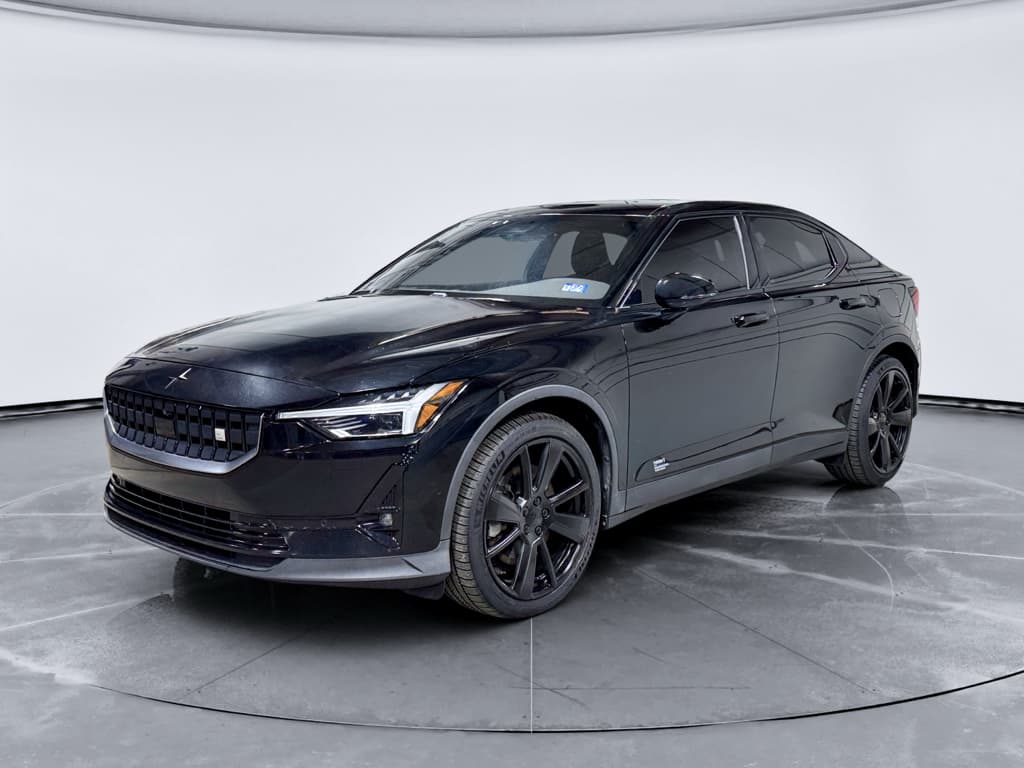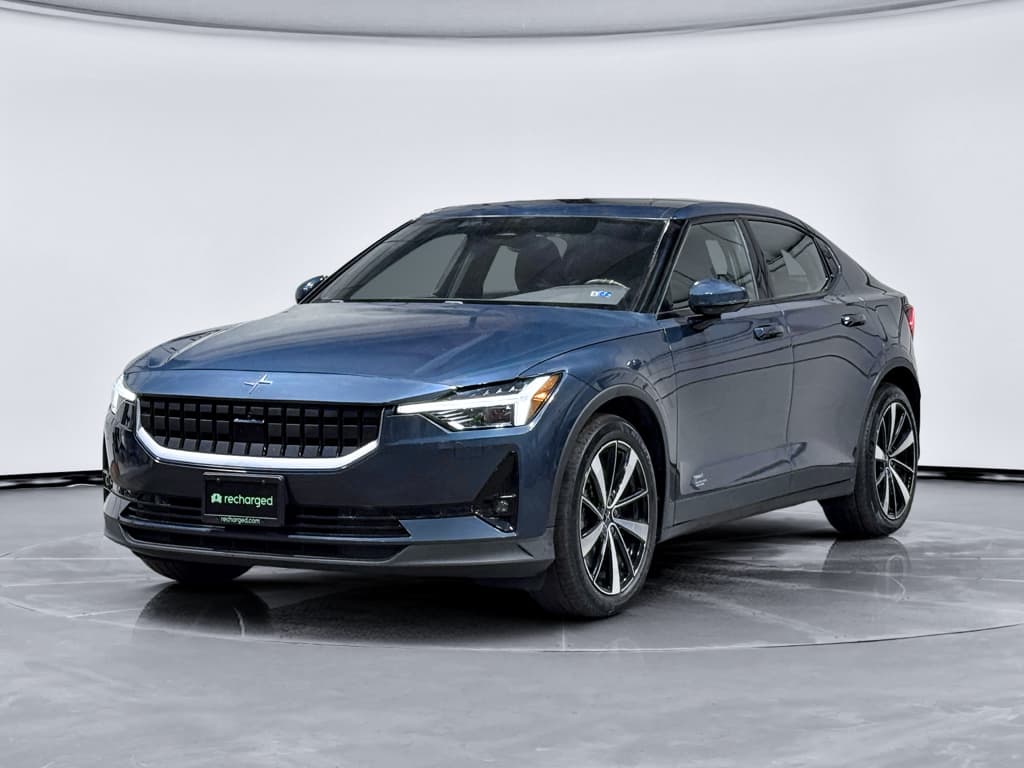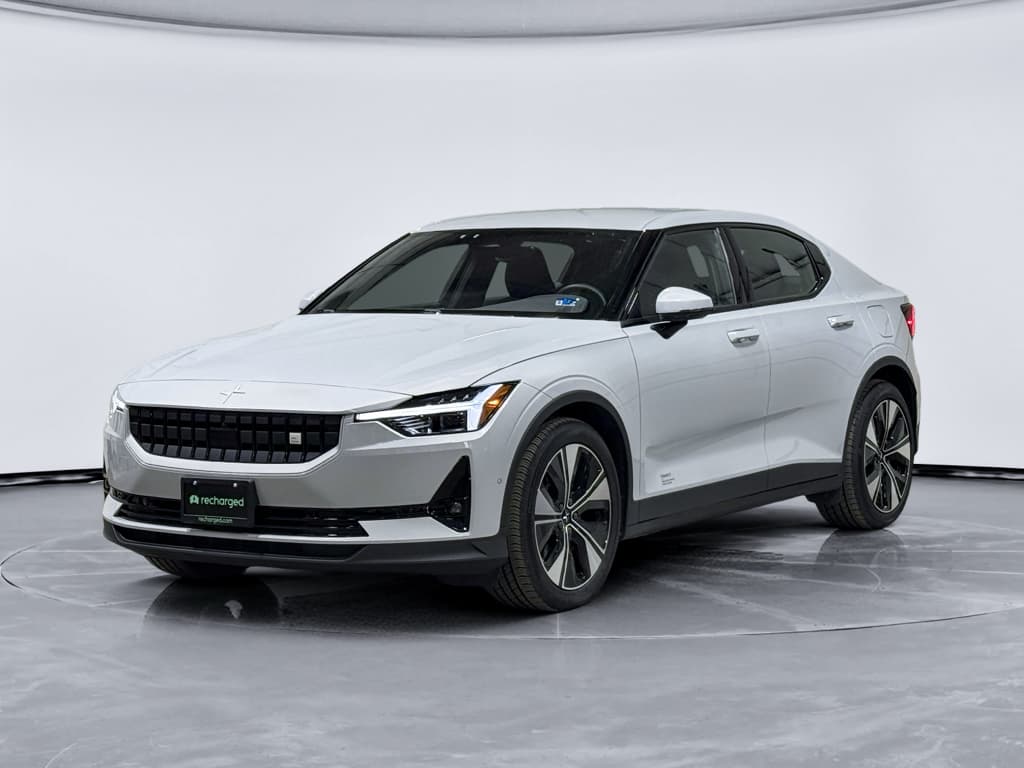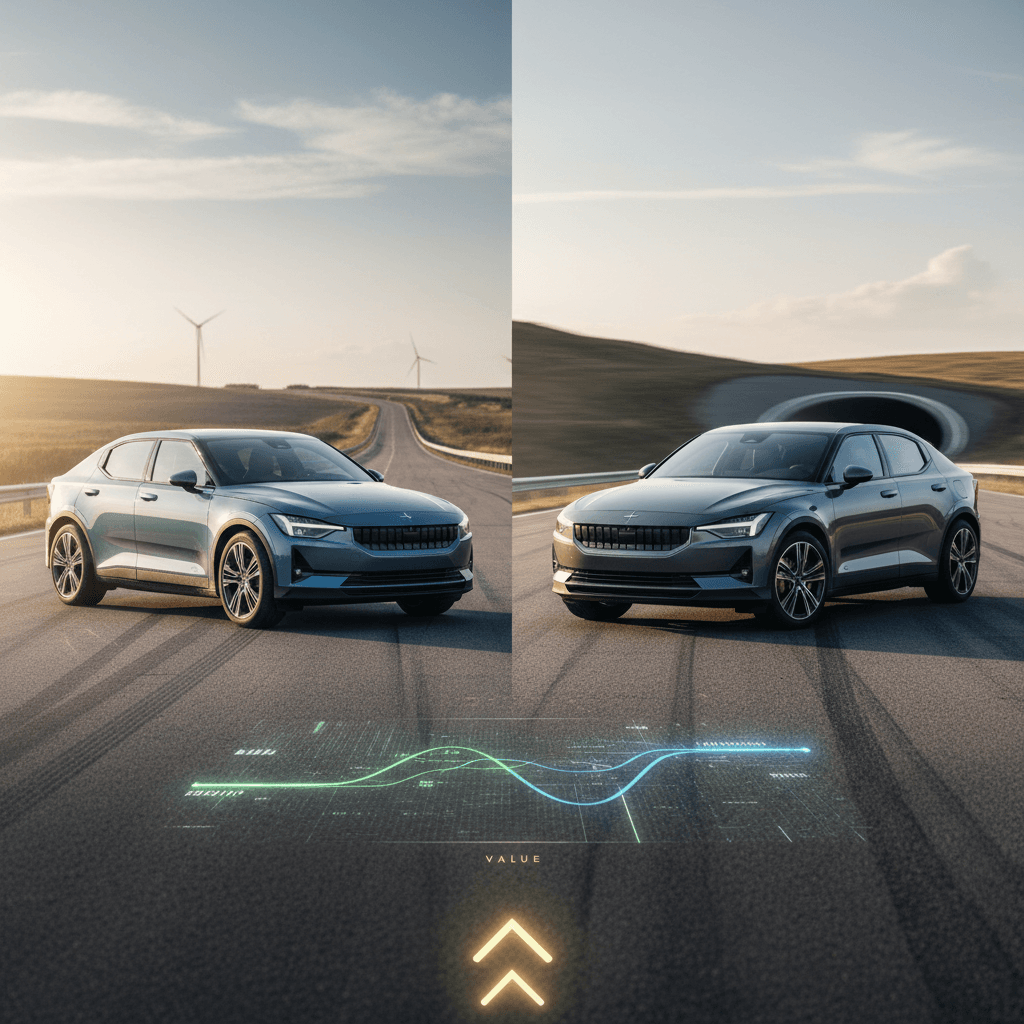
If you’re cross‑shopping a Polestar 2 Single Motor vs Dual Motor, you’re really choosing between maximum range and efficiency on one side, and serious performance plus all‑weather traction on the other. The trick is understanding how those trade‑offs play out in daily driving, and, increasingly, in the used‑EV market.
Model-year note
Polestar 2 overview: what changed with single vs dual motor
The Polestar 2 launched in the U.S. as a dual‑motor, all‑wheel‑drive liftback. Over time, the lineup added a more efficient Single Motor version and then received a major 2024 refresh that quietly changed the driving experience.
- Single Motor (2024 US Long Range): one rear motor (RWD), about 295–299 hp, larger ~82 kWh battery, up to an EPA‑rated ~320 miles of range when new.
- Dual Motor (2024 US Long Range): two motors (AWD), 421 hp standard or up to mid‑450s hp with Performance software, 0–60 mph in the low‑4‑second range, EPA‑rated ~276 miles of range.
- All versions ride on Volvo’s CMA platform with a practical hatchback body, Google‑built infotainment, and a familiar Scandinavian design language.
Think like a used‑car buyer
Key differences: Polestar 2 Single Motor vs Dual Motor
Polestar 2 Single Motor vs Dual Motor: spec snapshot (2024 US models when new)
High-level comparison of the most common Long Range 2024 U.S. trims. Exact figures vary slightly by wheel/tire package and software pack.
| Spec | Long Range Single Motor (RWD) | Long Range Dual Motor (AWD) |
|---|---|---|
| Drivetrain | Rear‑wheel drive | All‑wheel drive |
| Motors | 1 rear motor | 2 motors (front + rear) |
| Approx. power | ~295–299 hp | 421 hp (up to ~455 hp with Performance Pack) |
| 0–60 mph (factory estimate) | Around 5.9–6.2 seconds | About 4.3 seconds (quicker with Performance) |
| EPA range (approx., new) | Up to ~320 miles | Around ~276 miles |
| Battery (gross) | ~82 kWh | ~78–79 kWh |
| DC fast‑charge peak | Up to ~205 kW | Up to ~155 kW |
| Drive feel | Balanced, efficiency‑focused | Strong push, performance‑focused |
| Original US MSRP (base, incl. dest.) | ≈ $51k new | ≈ $56–57k new |
Always confirm specs against the specific VIN and window sticker when buying used.
Spec caveat
Range and efficiency: which Polestar 2 goes farther?
If you care most about how far you can go on a charge, the Long Range Single Motor is the clear winner on paper. With a larger battery and one motor to feed, it was rated at roughly 320 miles of EPA range when new, versus around 276 miles for the Dual Motor on comparable wheels.
Polestar 2 range at a glance (2024 U.S. EPA, when new)
On the road, range differences feel even larger for highway commuters. Dual‑motor AWD adds weight and encourages heavy right feet. That’s great for passing power, but you pay in watt‑hours per mile. At 70–75 mph in winter, owners routinely report the dual‑motor landing closer to the mid‑200‑mile range, while the single‑motor can stay noticeably higher given the same conditions and tires.
Cold-weather reality check
Performance, handling and weather capability
Performance is where the Dual Motor earns its keep. Even the standard dual‑motor car delivers over 420 hp and an estimated 0–60 mph time around 4.3 seconds. With the Performance Pack software, output jumps again and the car starts to feel more like a compact electric performance sedan than a sensible liftback.
How Polestar 2 Single vs Dual Motor feel to drive
Same body, very different characters from behind the wheel
Single Motor (RWD)
Balanced and predictable rather than wild.
- Smooth, linear power delivery.
- Rear‑drive layout adds some fun and improves steering feel vs earlier front‑drive years.
- Easier on front tires, which can mean lower replacement costs over time.
- Best fit if you value calm, premium manners over outright speed.
Dual Motor (AWD)
Quick and confident in almost any condition.
- Serious shove off the line and during highway merges.
- Standard AWD traction for rain, light snow and gravel.
- Available Performance Pack adds stiffer suspension and upgraded brakes, better on back roads than in pothole country.
- More likely to tempt you into driving harder, which hits efficiency.
Traction vs tires
If you live in a mild‑weather state and rarely see snow, the single motor’s rear‑drive balance is more than enough. In snow‑belt states, the dual motor’s sure‑footedness can be worth the efficiency penalty, especially if the car doubles as a family hauler and long‑trip road‑tripper.
Battery, charging speeds and real-world convenience
Under the floor, the Polestar 2’s battery story is surprisingly nuanced. The 2024 U.S. Long Range Single Motor uses a larger‑capacity pack, about 82 kWh gross, while the Dual Motor carries a slightly smaller pack but splits output between two motors. Both support AC charging at up to about 11 kW on a typical Level 2 home charger.
Single Motor charging profile
- DC fast charge peak: roughly up to 205 kW on compatible stations.
- More efficient powertrain means you add more miles per minute of fast‑charge.
- Best case for road‑trippers who want fewer, slightly shorter stops.
- Larger battery + single motor usually ages a bit easier if not constantly fast‑charged.
Dual Motor charging profile
- DC fast charge peak: around 150–155 kW on DC fast chargers.
- Smaller battery but hungrier powertrain, so miles added per minute narrow the gap.
- Polestar’s software can decouple the front motor under light loads to save energy.
- More heat and stress under repeated hard driving, nothing unusual, but something to consider if you track or canyon‑run your car.
Home charging is the great equalizer
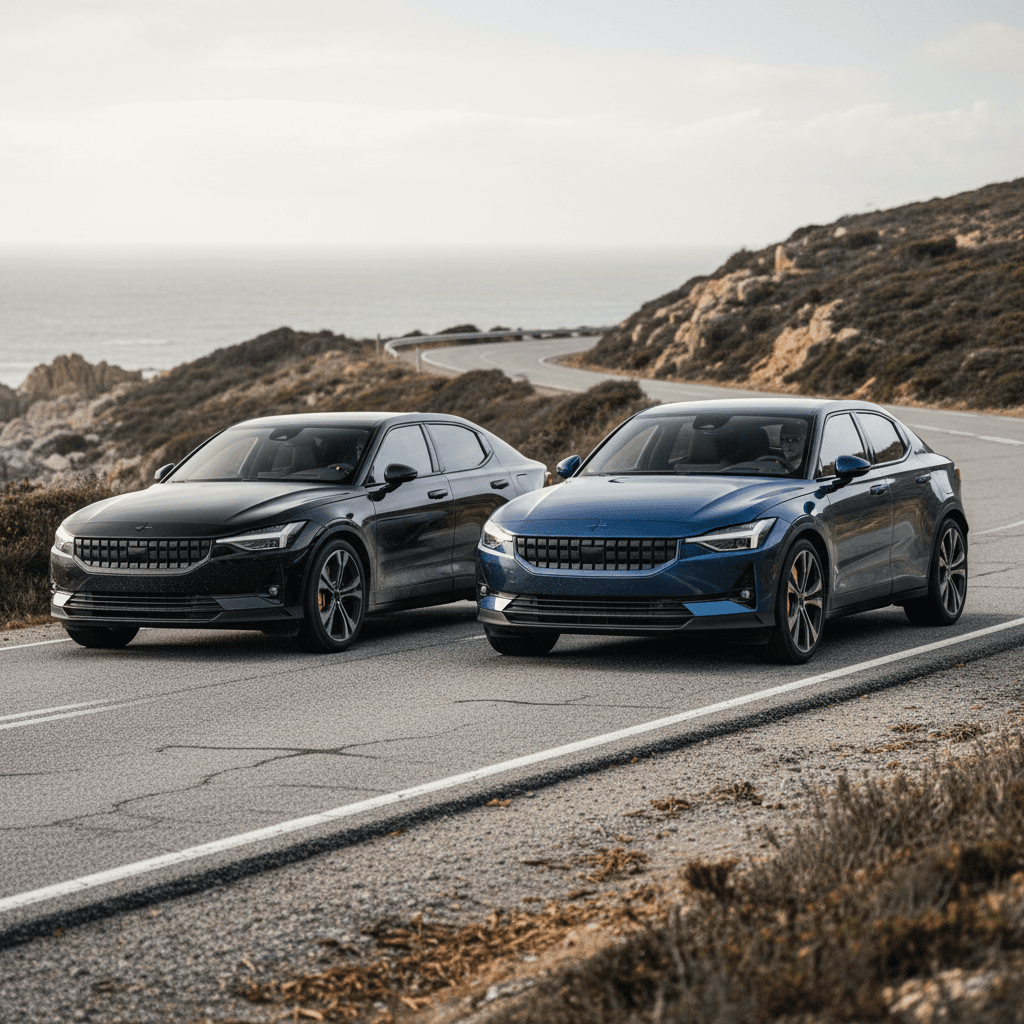
Price, ownership costs and used-market value
When new, the 2024 Long Range Single Motor Polestar 2 in the U.S. started around the low‑$50,000 range including destination, while the Dual Motor typically added roughly $5,000–$7,000 depending on options and Performance Pack. On today’s used market, that gap often narrows, but doesn’t disappear.
How costs differ over time
Beyond sticker price, think energy, tires and resale
Energy costs
The Single Motor’s efficiency advantage can save you money every month if you drive a lot. Over 5–7 years, lower kWh‑per‑mile adds up, especially if you rely on paid DC fast‑charging instead of cheap home electricity.
Tire & brake wear
Dual‑motor AWD and extra power can mean faster wear on tires, especially front rubber on heavy cars driven hard. Regenerative braking helps both versions, but expect the Dual Motor to be slightly more demanding on consumables.
Resale & demand
In many EV segments, AWD performance trims command stronger demand in cold‑weather states, while efficiency‑focused trims sell faster in sun‑belt and commuter markets. Expect a similar pattern with Polestar 2, location matters.
How Recharged looks at value
Which Polestar 2 powertrain fits your life?
Common buyer profiles: Single vs Dual Motor recommendations
High‑mileage commuter
Daily round‑trip over 60–70 miles? The Long Range Single Motor is usually the smarter choice.
More range buffer in winter and during battery aging.
Lower energy usage cuts long‑term fuel (electricity) cost.
Dual motor only makes sense here if you also prioritize performance or live in a snow belt.
Snow‑belt or mountain driver
Frequent snow, slush or unplowed roads? The Dual Motor AWD setup pays off.
Pair it with dedicated winter tires for best results.
You’ll give up some range, but the extra traction inspires confidence.
If you still want maximum range, consider a Single Motor with winter tires and realistic expectations about storm‑day performance.
Performance enthusiast
Love back‑road drives and strong acceleration? Go Dual Motor, ideally with the Performance Pack.
You get rapid 0–60 mph times and stronger mid‑range punch.
Expect more tire wear and higher energy use when you exploit the power.
Make sure your local roads (and spine) can live with the firmer Performance suspension.
Budget‑minded used buyer
Look for a well‑optioned Single Motor to maximize range per dollar.
You’ll often see lower asking prices than AWD cars of similar age and mileage.
Insurance and tire costs can be a touch lower too.
Use tools like Recharged’s instant offer and trade‑in to understand your current car’s value before you shop.
Checklist for shopping a used Polestar 2
Polestar 2 Single vs Dual Motor: used‑buyer checklist
1. Confirm model year and drivetrain
Earlier Polestar 2 Single Motor cars were front‑wheel drive; 2024+ U.S. Single Motor cars are rear‑wheel drive with more power and a bigger battery. Dual Motor has always been AWD. Double‑check the window sticker or build sheet so you know exactly what you’re test‑driving.
2. Look at actual range history
Ask the seller about typical real‑world range, not just the original rating. On a test drive, note the state‑of‑charge drop vs. miles driven. A Recharged Score battery report can give you a much clearer, data‑backed view of pack health than guesses or anecdotes.
3. Inspect tires and wheels carefully
Dual‑motor cars, especially with Performance Pack and 20‑inch wheels, are more likely to show curb rash and accelerated tire wear. On either powertrain, mismatched or cheap replacement tires can affect range, ride and safety.
4. Check for software and pack updates
Polestar updates software periodically, improving efficiency, charging behavior and features. Verify that the car is on a current software version and ask whether any battery or charging‑system warranty work has been done.
5. Consider your charging situation
If you’ll rely on public DC fast‑charging, the Single Motor’s higher peak rate and efficiency are valuable. If you have home Level 2, either powertrain works well, so you can weight performance and weather more heavily.
6. Run the total cost of ownership
Beyond price, compare estimated electricity use, tires, insurance and maintenance. With a Recharged specialist, you can walk through real numbers for both Single and Dual Motor cars to see which one fits your budget over 3–5 years.
FAQ: Polestar 2 Single Motor vs Dual Motor
Frequently asked questions
Bottom line: how to choose with confidence
When you boil it down, the Polestar 2 Single Motor vs Dual Motor decision is a classic EV trade‑off: range and efficiency versus performance and all‑weather traction. The Long Range Single Motor is the rational pick for commuters and road‑trippers who want maximum range and lower operating costs. The Dual Motor is the emotional pick, faster, more sure‑footed and more entertaining, especially with the Performance Pack.
Whichever way you lean, the used market is where the value is today. Depreciation has already done its work, and the underlying tech, battery, motors, software, is still thoroughly modern. If you want help sorting a promising listing from a risky one, a Recharged Score Report with verified battery health, transparent pricing and EV‑specialist guidance can turn a complicated Polestar 2 choice into a confident purchase.