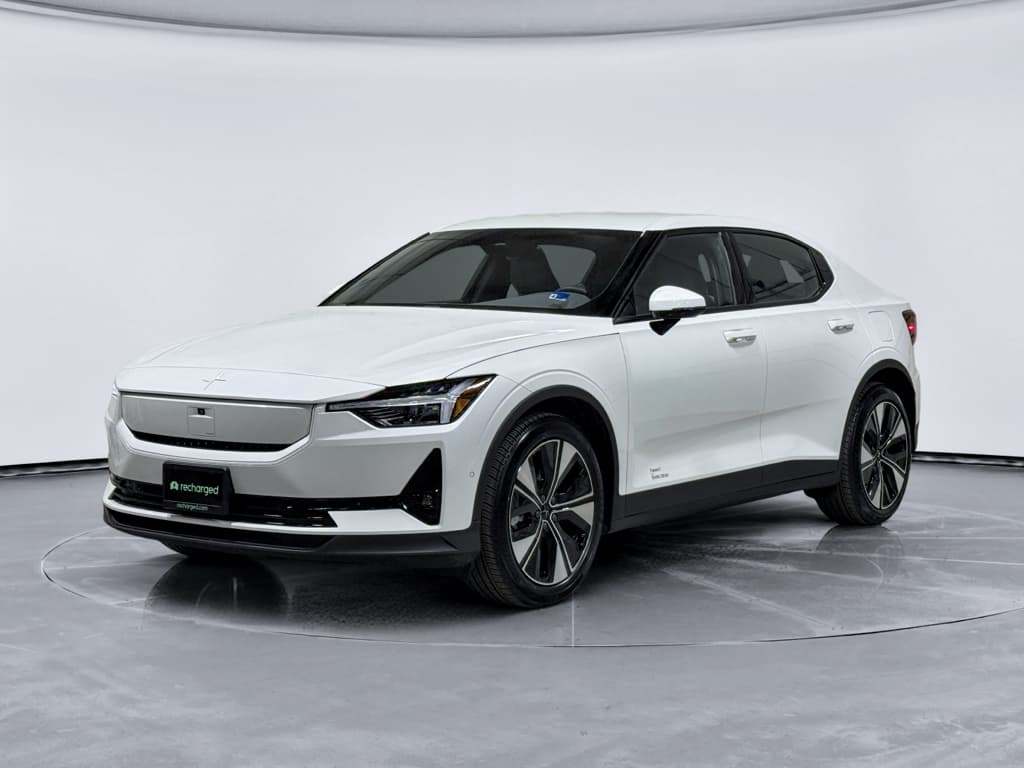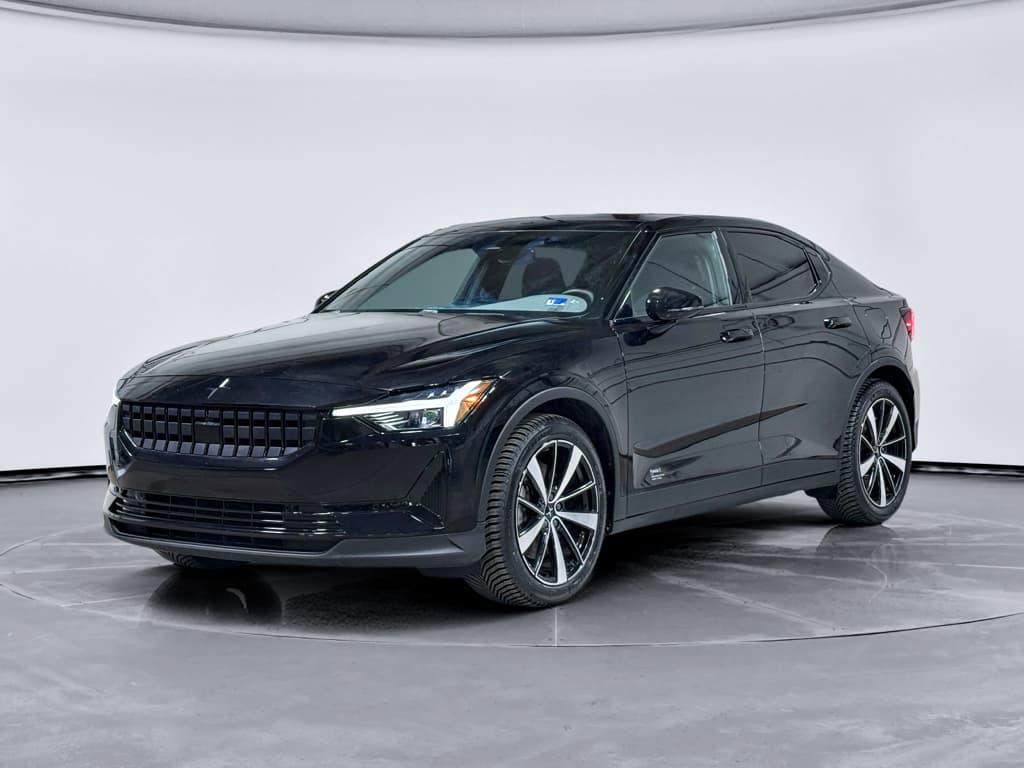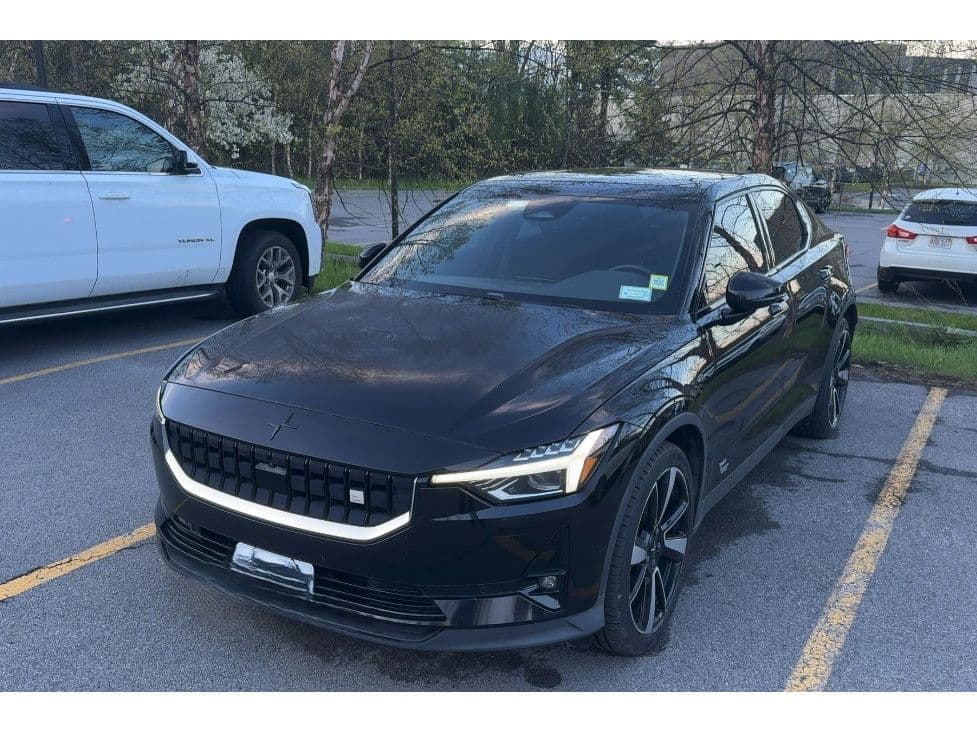
If you bought a Polestar 2 when it was the hot new Scandinavian on the EV block, 2026 might be the year you face a rude awakening: the resale market has caught up. This Polestar 2 resale value guide for 2026 walks through what your car is realistically worth today, how its depreciation compares to Tesla and Hyundai, and, most important, what you can actually do to get more for it when you sell or trade in.
The short version
Why Polestar 2 resale value is a 2026 story
The Polestar 2 landed in the U.S. for the 2021 model year at BMW money and startup confidence. List prices in the early years commonly brushed $55,000–$60,000 for dual‑motor Launch Edition cars, with a Scandinavian design sensibility and Volvo‑adjacent safety reputation promising premium cachet.
Then reality intervened. New EV prices slid, incentives fattened, and Polestar itself cut MSRPs and juiced lease deals. By 2024–2025, generous lease incentives and heavy discounts reset the new-car price floor, which pulled used values down with them. In 2026, the market is finally maturing: shoppers know what a Polestar 2 is, insurance underwriters know how to price it, and the resale curves have enough history to be predictable instead of chaotic.
If your memories are pre‑2023, they’re out of date
How the Polestar 2 actually depreciates
Polestar 2 depreciation snapshot in 2026
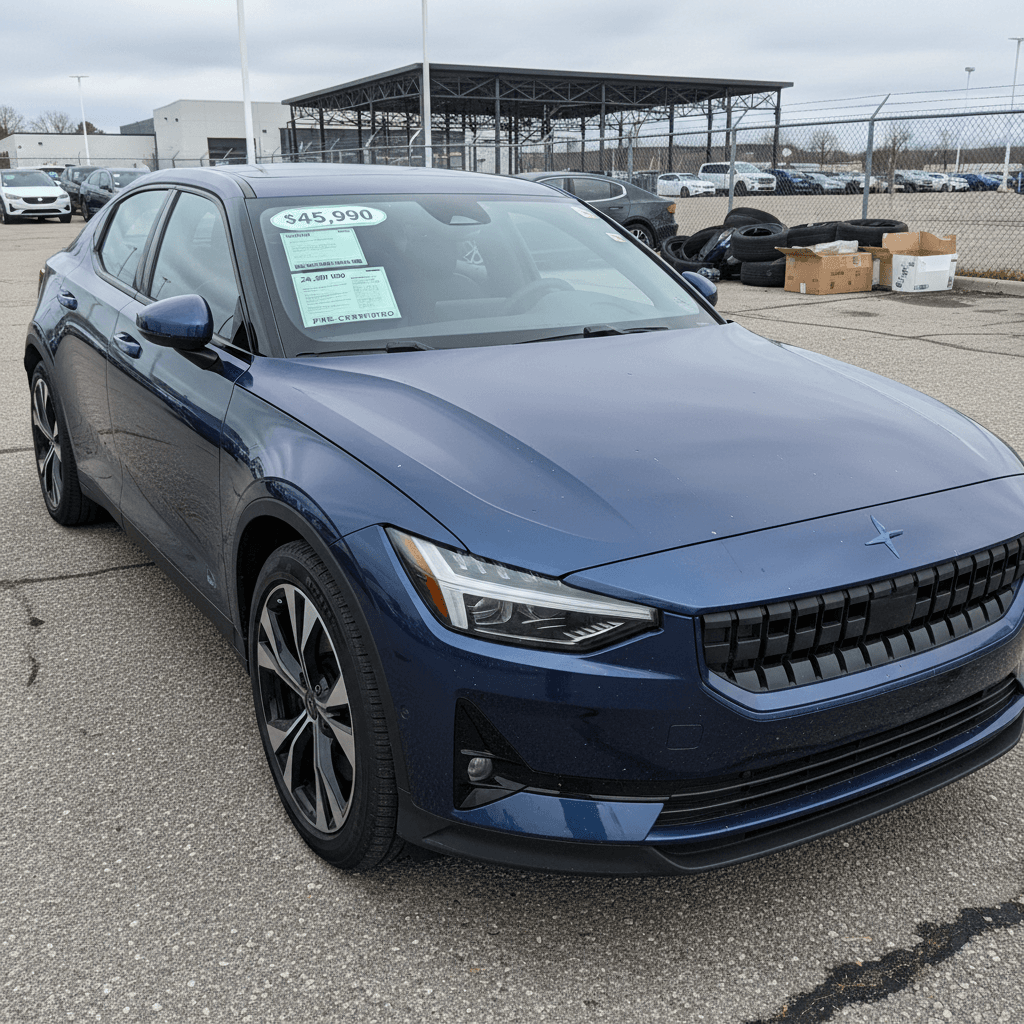
Across sources and real‑world transaction data, a pattern emerges. In the U.S. market, the Polestar 2 sheds value faster than the best‑in‑class Tesla Model 3 but broadly in line with other premium EVs. Early Launch Edition 2021 cars have already lost a bit more than half their original MSRP, typically landing in the high‑$20,000s for clean, dual‑motor examples. Later 2022 and 2023 cars fare slightly better in percentage terms thanks to lower starting prices and updated hardware.
A 2024 Polestar 2, still relatively fresh, often retains close to three‑quarters of its original MSRP after about a year on the road. But the headline is simple: expect roughly 17–22% value loss per year for the first few years, then a gentler decline as the car ages and reaches value equilibrium with rivals.
Good news if you’re buying used
2026 Polestar 2 resale values by model year
Let’s put rough numbers to the pain, or opportunity, depending on which side of the transaction you’re on. Below are typical 2026 retail asking ranges for well‑kept U.S. cars with average mileage for age, followed by a ballpark trade‑in range. Highly optioned Performance Pack cars, ultra‑low miles, or standout colors can push to the top of the band; sparse, high‑miles cars sit at the bottom.
Polestar 2 used values in 2026 (typical ranges)
Approximate U.S. retail and trade‑in value bands assuming good condition and average mileage. Your specific car can land higher or lower based on options, history, and battery health.
| Model year | Typical used retail price* | Rough trade‑in range* | Value retained vs original MSRP |
|---|---|---|---|
| 2021 | $26,000–$31,000 | $22,000–$26,000 | ≈45–50% |
| 2022 | $28,000–$34,000 | $24,000–$28,000 | ≈50–55% |
| 2023 | $32,000–$38,000 | $27,000–$32,000 | ≈58–64% |
| 2024 | $36,000–$42,000 | $31,000–$36,000 | ≈70–78% |
| 2025 | $42,000–$47,000 | $37,000–$42,000 | ≈80–90% (early‑cycle) |
These are directional ranges for 2026, not appraisal guarantees. Use them as a sanity check against any offer you receive.
About these numbers
If you’re holding a 2021 Polestar 2 that stickered around $60,000 and now appraises in the high‑$20,000s, yes, that’s an emotional gut punch. But zoom out: that’s roughly the same percentage loss that afflicted many early premium EVs once incentives and new‑car price cuts changed the landscape.
Polestar 2 vs Tesla Model 3 and rivals on resale
Tesla Model 3: the resale benchmark
The Model 3 remains the overachiever of EV resale. Large‑sample studies of 5‑year depreciation routinely show it at or near the top of the electric heap for value retention, often keeping north of 55–60% of its original price at five years.
It benefits from relentless demand, a huge charging network, and the brute force of brand recognition. On a pure percentage basis, a comparable Model 3 generally beats a Polestar 2 by 10–15 percentage points in retained value at the same age.
Hyundai Ioniq 5 / 6 and other rivals
Hyundai’s Ioniq 5 and Ioniq 6, along with Kia’s EV6, occupy a similar neighborhood to the Polestar 2: stylish, credible EVs that depreciate faster than Tesla but not disastrously so. They often match or slightly undercut the Polestar 2 in resale percentage, helped by strong warranties but hurt by higher fleet volumes.
Against this crowd, Polestar 2 resale looks middle‑of‑the‑pack for EVs, lower‑than‑average for luxury badges. The badge doesn’t yet command BMW money, but the product is better than the residuals suggest.
Where Polestar 2 quietly wins
What really moves Polestar 2 resale up or down
6 big levers on your Polestar 2’s resale value
Some you can’t change. Some you absolutely can.
Model year & hardware
Earlier 2021 cars can be penalized slightly versus 2023–2024 cars with updated motors, range, and infotainment. Later cars with improved efficiency and computing tend to hold a few extra percentage points of value.
Mileage and usage pattern
A 2021 Polestar 2 with 25,000 miles is a different proposition from one with 75,000. U.S. buyers still anchor on mileage first, then everything else. Highway‑heavy miles with documented service beat short‑trip city abuse.
Battery health & fast‑charging history
Battery state of health is becoming the single most important invisible factor. Heavy DC‑fast‑charging, repeatedly topping to 100%, or obvious degradation in range will scare off savvy buyers, or at least pull them into negotiation mode.
Accident and title history
One moderate accident, properly repaired, dings value. A salvage or rebuilt title can cut prices far below any of the resale averages you see online. Buyers pay dearly for clean histories.
Spec and options
Plus and Performance packs, Pilot driver‑assist, heat pump, and desirable colors all help. A well‑equipped long‑range dual‑motor in a non‑fleet color is the sweet spot. Sparse cars in odd colors are harder to move.
Market timing & incentives
Quarter‑end discounting, local EV incentives, and the ebb and flow of new EV inventory can all swing offers by thousands. When new Polestar 2 leases are heavily subsidized, used values feel the squeeze.
Three silent value killers
Selling vs trading in your Polestar 2 in 2026
You have three realistic paths in 2026: sell privately, trade in to a dealer, or use a specialist EV marketplace like Recharged that can both buy your car or help you list it with proper battery diagnostics. Each option balances convenience, control, and net dollars differently.
Private sale
- Pros: Highest potential sale price, total control over the listing, and the ability to wait for the right buyer who wants your exact spec.
- Cons: You’re doing everything, photos, listings, test drives, paperwork, loan payoffs. EV‑specific questions about range and charging can scare off first‑timers if you’re not ready with answers and documentation.
Private sales tend to land near the top of the “Typical used retail” ranges in this guide if you present the car well and have clean documentation.
Trade‑in or instant offer
- Pros: Fast, predictable, and often tax‑efficient, trading in can reduce the taxable amount of your next purchase in many states.
- Cons: You’re accepting a wholesale price; expect offers closer to the lower band of our trade‑in ranges, especially from non‑EV specialists.
EV‑savvy buyers like Recharged can narrow that gap by valuing the battery and options correctly rather than treating your Polestar like just another used compact.
How Recharged fits in
How to maximize your Polestar 2’s resale value
Pre‑sale checklist for a stronger Polestar 2 offer
1. Get a battery health report
Before you list or get offers, have the battery tested. A third‑party diagnostic or a <strong>Recharged Score</strong> that shows high state of health can be worth thousands versus a car with unknown or questionable battery status.
2. Fix the obvious stuff
Address warning lights, overdue maintenance, cracked glass, curb‑rashed wheels, and shot tires. Buyers see these as evidence of neglect, not just isolated repairs, and mentally discount the entire car.
3. Assemble a clean paper trail
Gather service records, charging habits if you track them, original window sticker, and any warranty documentation. Organized paperwork signals that you’re the opposite of the owner who ignores software update prompts.
4. Detail the car like you mean it
A thorough interior and exterior detail, including decontaminating the paint and cleaning seat bolsters, does more for resale than another month of price reductions. EV buyers expect a near‑new cabin even on 3‑year‑old cars.
5. Price to the real market, not your memory
Use recent comparables for your trim and mileage, not 2021 dreams. Look at multiple data points, then position your ask slightly above the midpoint if your car truly stands out, or a notch below if you need a quicker sale.
6. Lead with what matters in your listing
In your ad title and first lines, highlight battery health, key options (Pilot/Plus/Performance), warranty status, and any recent service like new tires. That’s what educated buyers scan for before they even look at color.
Don’t lead with the wrong details
Battery health: why buyers obsess over it
In a gasoline car, the engine slowly loses sharpness in ways most owners can’t quantify. In an EV, battery health is a number you can point to, and buyers are increasingly insisting on seeing it before they commit. A Polestar 2 that still shows a high state of health and real‑world range close to factory ratings is a fundamentally different asset from one that’s clearly down on capacity.
Common resale‑time red flags include owners admitting they fast‑charged several times a week for years, routinely charging to 100% and leaving the car sitting full, or seeing noticeable range loss between winters. None of this is strictly fatal, but it invites cautious buyers to walk, or to negotiate like they’re rescuing a wounded bird.
How Recharged de‑risks the battery question
Ready to find your next EV?
Browse VehiclesIs it worth buying out a Polestar 2 lease?
Many 2021–2023 Polestar 2 leases are maturing in 2026, and owners are staring at a number labeled “residual value” that often feels disconnected from the used market. Earlier leases were written when Polestar and its finance partners were more optimistic about resale; in some cases, residuals sit well above what similar cars are selling for in the wild.
- If your residual is higher than real‑world retail asking prices for similar cars, buying out the lease rarely makes financial sense unless you’re deeply attached to your specific car.
- If your residual is roughly in line with retail prices but below what dealers will give you on trade, you’ve stumbled into a rare arbitrage opportunity, buy the car, then sell or trade it and pocket the spread.
- If your residual is significantly below current market value (uncommon on later Polestar 2s, but not impossible), you almost certainly should buy it out or at least get quotes before turning it in.
How to reality‑check your residual
FAQ: Polestar 2 resale value in 2026
Frequently asked questions about Polestar 2 resale value
Bottom line: 2026 is quietly a great year for Polestar 2 buyers and sellers
Polestar 2 owners in 2026 are living through the awkward adolescence of a good car from a young brand. The resale numbers can feel unkind on paper, especially if you paid early‑adopter money, but the market is finally learning what the Polestar 2 is capable of, and well‑specced, well‑kept cars are finding informed buyers at realistic prices.
If you’re selling, your job is to separate your car from the anonymous auction metal: prove the battery’s health, fix the obvious flaws, and tell a clean, documented story. If you’re buying, the mission is simpler: find the right spec, insist on proof of pack condition, and enjoy getting more car than the badge and price suggest.
Either way, Recharged was built for this exact moment in the EV market. Whether you want an instant offer, a trade‑in baseline, or a fully guided sale with a Recharged Score Report and nationwide audience, we can help you navigate Polestar 2 resale in 2026 without guesswork, or regret.