You don’t cross-shop the BMW i7 vs Mercedes EQS by accident. These are the electric flagships, the cars that replace S-Class and 7 Series V12 fantasies with silent torque and 100‑kWh battery packs. They’re also complicated, expensive pieces of technology, which is exactly why getting the right one matters, especially if you’re looking at the used market.
Two very different visions of the same idea
BMW i7 vs Mercedes EQS: quick overview
Key numbers: BMW i7 vs Mercedes EQS (typical U.S. trims)
In the real world, the differences between BMW i7 and Mercedes EQS come down less to raw numbers and more to philosophy. The i7 is a classic chauffeur‑class sedan that happens to be electric. The EQS is a sleek, almost hatchback‑like object lesson in aerodynamics and software.
Character snapshot: who each car is for
Same mission on paper, very different vibe in your driveway
BMW i7: Modern electric 7 Series
Best for: Drivers who want a traditional luxury sedan feel with EV power.
- Conventional three‑box silhouette, big grille, serious presence
- Superb rear‑seat comfort, especially with executive packages
- Ride/handling balance feels more BMW than sci‑fi gadget
- Interior design mixes screens with real buttons and materials
Mercedes EQS: Electric spaceship limousine
Best for: Drivers who love futuristic design and maximum serenity.
- Cab‑forward, teardrop body prioritizes aero efficiency
- Optional Hyperscreen wall‑to‑wall glass dashboard
- Ultra‑quiet, pillowy ride in comfort modes
- More hatchback‑like practicality from the rear opening
Design, comfort and interior experience
Exterior: stately vs slippery
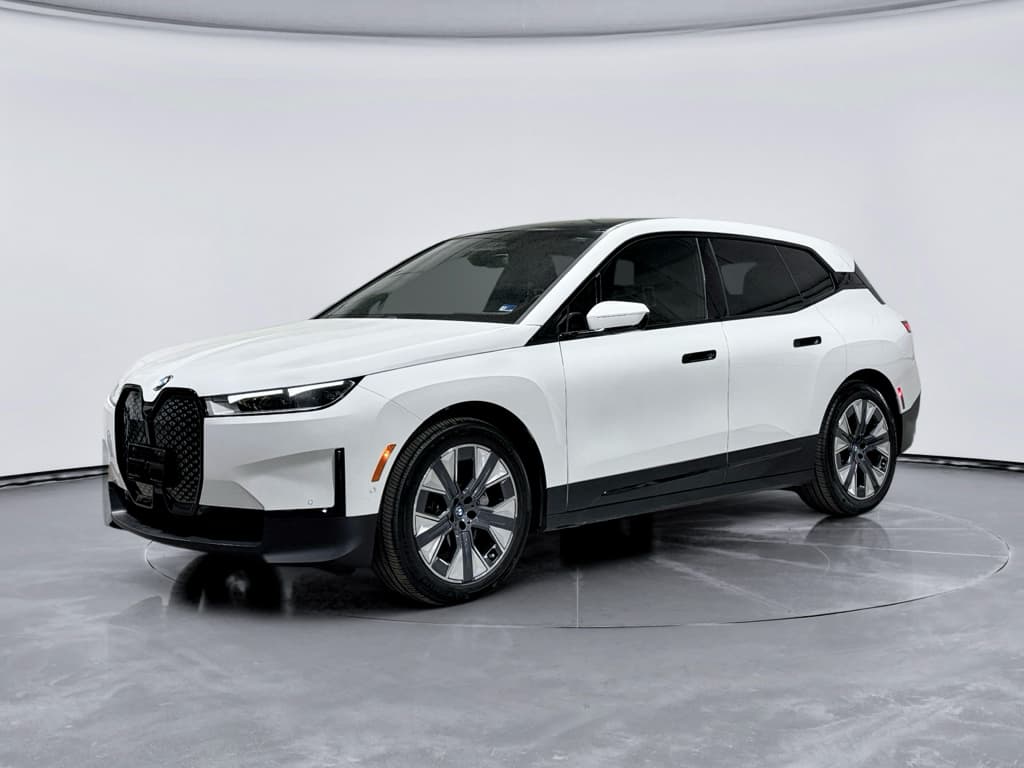
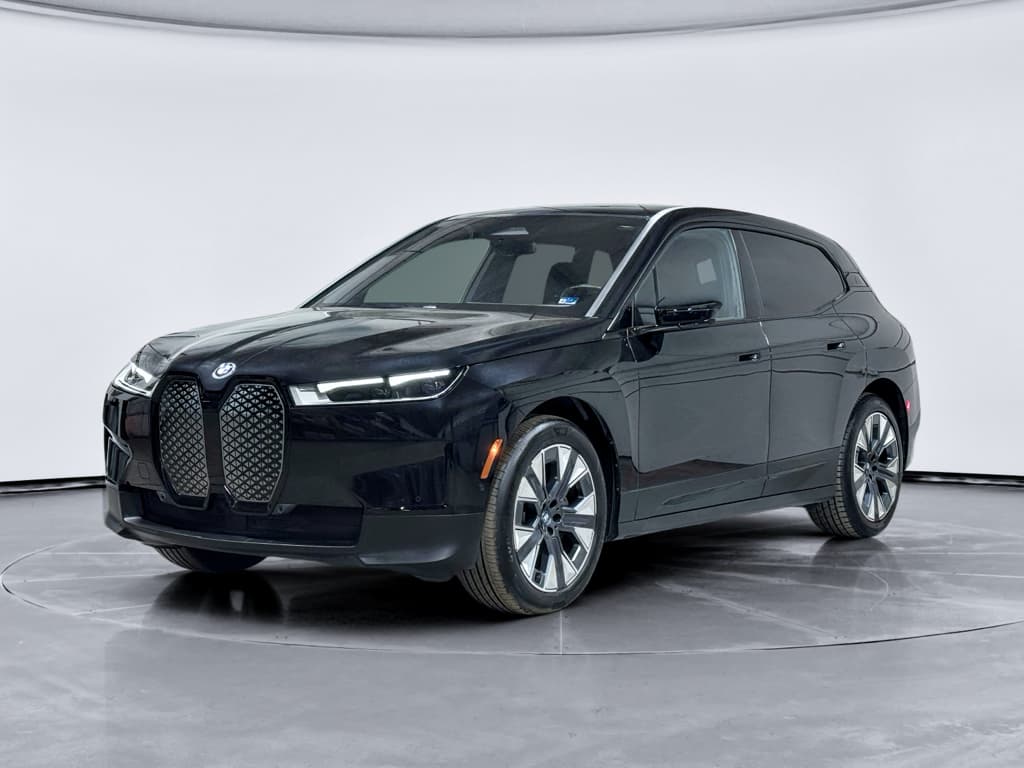
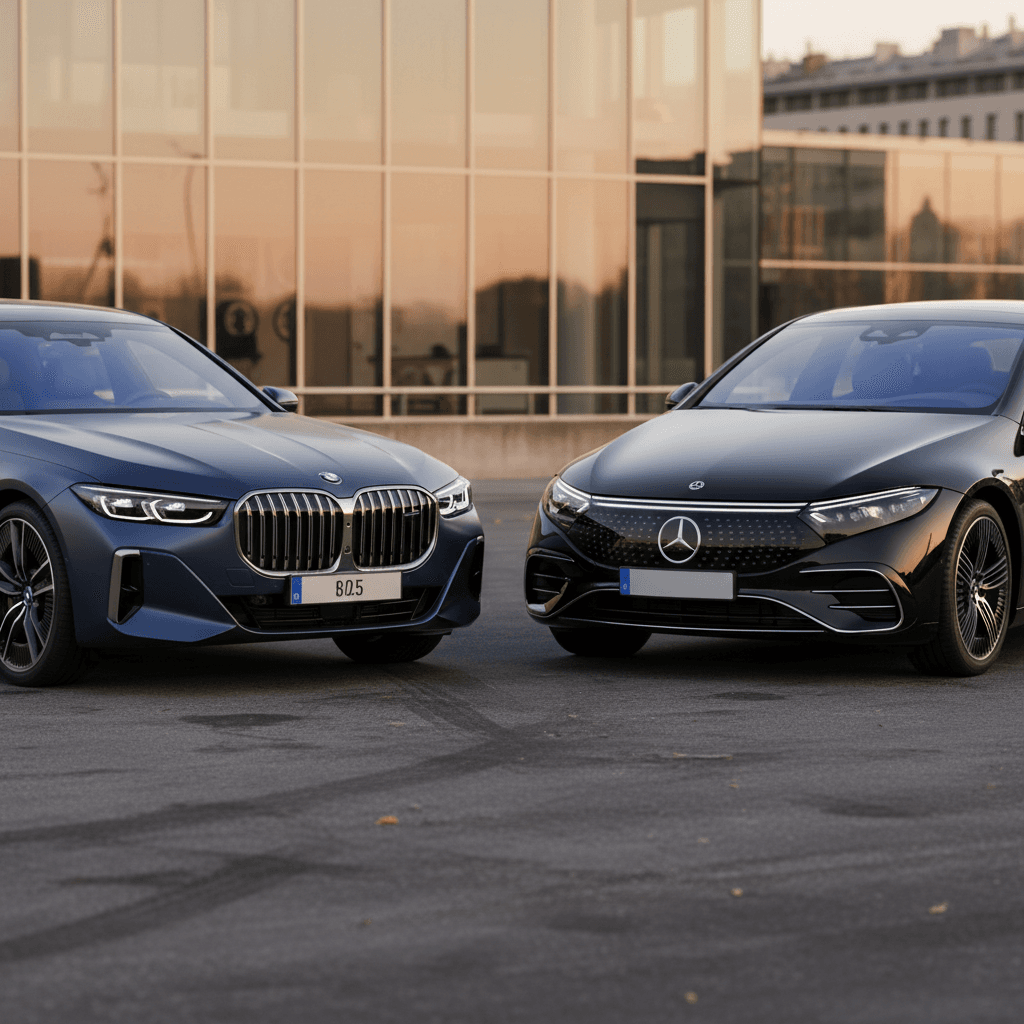
The BMW i7 looks like a 7 Series someone left in the dryer a little too long: tall, imposing, unapologetically formal. It’s noticeably longer and a bit taller than the EQS, with a big vertical grille (closed, of course) and sharp creases. If you want the neighbors to know you bought the expensive one, this is it.
The Mercedes EQS takes the opposite route. The nose is short and low, the cabin pushed forward, and the tail tapers down like a wind‑tunnel prototype. It’s sleek, but also a little anonymous, especially in darker colors, where it reads more as a very large, very smooth blob than a classic "S‑Class, but electric."
Interior: jewel box vs glass cockpit
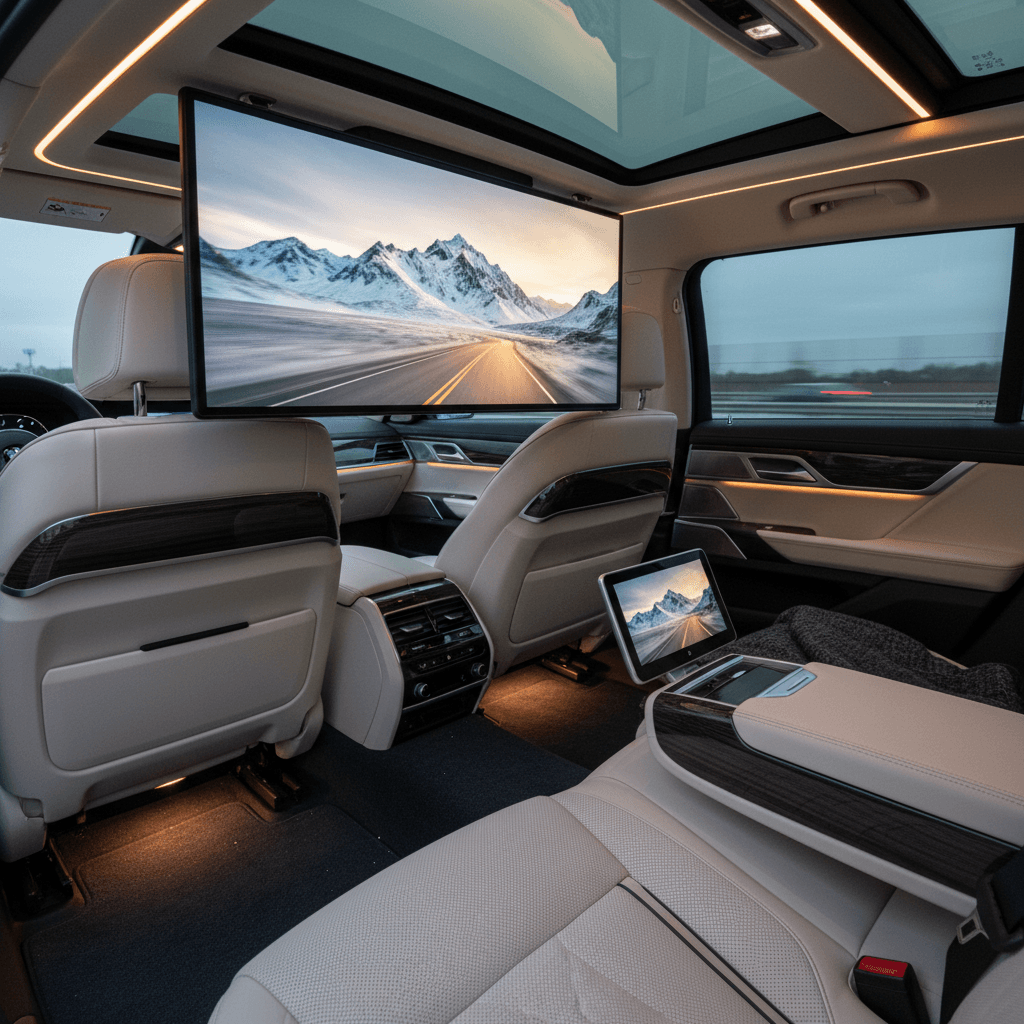
Inside, the i7 leans into craftsmanship: crystal‑effect controls, tactile switches, tasteful ambient lighting, and BMW’s curved display that still leaves room for physical climate buttons and an iDrive controller. Optional rear Executive Lounge seats and the theater‑size rear screen turn the back row into business‑class on wheels.
The EQS interior is dominated by the optional Hyperscreen, a 56‑inch span of glass housing three displays. It’s dramatic, and at night it feels like driving an OLED aquarium. The trade‑off is tactile simplicity: many basic functions live in sub‑menus, which some owners love and some learn to hate in traffic.
Comfort reality check
Performance, refinement and driving feel
Typical U.S. trims: BMW i7 vs Mercedes EQS
Exact specs vary by model year and wheels, but these are representative of what you’ll see most often in U.S. listings.
| Model | Drivetrain | Approx. Power | 0–60 mph (est.) | Driving character |
|---|---|---|---|---|
| BMW i7 eDrive50 | RWD, single motor | ≈449 hp | ~5.3 s | Smooth, relaxed, still feels like a big 7 Series |
| BMW i7 xDrive60 | AWD, dual motor | ≈536 hp | ~4.5 s | Effortlessly quick, composed and controlled |
| BMW i7 M70 | AWD, dual motor | ≈650 hp | ~3.5 s | Seriously fast, but still more luxury than track toy |
| Mercedes EQS 450+ | RWD, single motor | ≈329–355 hp | ~5.9–6.2 s | Very smooth, tuned more for comfort than excitement |
| Mercedes EQS 580 | AWD, dual motor | ≈516 hp | ~4.1–4.3 s | Quiet, swift, not especially sporty |
| Mercedes‑AMG EQS | AWD, performance tune | ≈649 hp | ~3.4–3.7 s | Huge straight‑line pace, but soft edges in corners |
Always confirm exact trim (eDrive50, xDrive60, M70, EQS 450+, EQS 580, AMG) and wheel size when you’re shopping used.
Both cars are deeply, almost comically quick in their upper trims. But the BMW i7 still behaves like a BMW: there’s real steering feel, a heavier, more connected sense of the chassis, and the optional rear‑wheel steering makes this 6,000‑pound limousine feel improbably agile in tight parking lots.
The Mercedes EQS skews toward isolation. Even on big wheels it floats down the road, whisper‑quiet, with steering that feels more suggestion than conversation. If you prize effortlessness over involvement, that’s a feature, not a bug.
Performance takeaway
Range, battery and charging experience
Range and battery: the boring specs that matter most
High‑level comparison for typical U.S. trims when new
BMW i7
- Battery: ~101–106 kWh usable
- EPA range: roughly 280–320 miles depending on trim and wheels
- DC fast‑charge peak: ~195–205 kW
- 0–80% on a strong DC fast charger in ~30–40 minutes
Mercedes EQS
- Battery: ~108–118 kWh usable (model dependent)
- EPA range: similar headline numbers, with some trims slightly higher on paper
- DC fast‑charge peak: ~200–207 kW advertised
- 0–80% in roughly 30 minutes under ideal conditions
Real‑world reality
- Expect ~250–290 miles at 75 mph in good weather for most high‑spec trims when new
- Big wheels and aggressive driving can knock 10–15% off
- Both cars manage heat and pre‑conditioning reasonably well on road trips
Don’t ignore wheel size and options
On charging, neither car rewrites the rules, but both play them well. Their ~200 kW DC peaks are competitive, and they taper sensibly. The more important story is where you’ll charge: both can use CCS fast‑charging networks; with the industry’s move toward NACS and adapters, your access to Tesla Superchargers will improve over time, but the details depend on build year and retrofit availability.
Home charging and daily life
Tech, infotainment and driver assistance
BMW i7: high tech with training wheels
The i7 runs BMW’s latest iDrive system on a wide curved display, integrating a digital cluster and central touchscreen. You get standard wireless Apple CarPlay and Android Auto, excellent audio options, and party tricks like the rear cinema screen and theater‑style ambient lighting scenes.
Crucially, BMW leaves you some physical controls. Climate shortcuts, a rotary controller, and hard keys on the steering wheel mean you can adjust basics without stabbing at glass. BMW’s driver‑assist suite, adaptive cruise, lane‑keeping, traffic‑jam assist, feels sorted and predictable once you learn its boundaries.
Mercedes EQS: software on center stage
With the optional Hyperscreen, the EQS is more computer lab than car. The central and passenger displays host navigation, entertainment, vehicle settings, and a dense array of EV‑specific tools. It’s beautiful, but the learning curve is steeper, and updates over time can subtly change menus and behaviors.
Mercedes’ driver‑assist systems are sophisticated, but some drivers report more beeps, nudges, and interventions than they’d like. If you love tech and don’t mind living in a software update ecosystem, the EQS feels cutting‑edge; if you don’t, it can feel busy.
Test the interface, not just the options list
Space, practicality and ride comfort
Space and comfort: what it’s like to live with
Two limousines, two different packaging philosophies
Cabin space
- BMW i7: More upright, spacious feel, especially in the rear; easier ingress/egress thanks to taller roofline.
- Mercedes EQS: Airy cabin up front; rear headroom can feel tighter due to sloping roof.
Cargo and practicality
- i7: Traditional sedan trunk around the high‑teens cubic‑feet mark; generous but conventional.
- EQS: Large hatchback opening makes bulky items easier, despite similar raw volume.
Ride and refinement
- i7: Air suspension and adaptive dampers deliver a controlled, plush ride with that BMW sense of body control.
- EQS: Softer and floatier, prioritizing isolation from bumps and noise over feedback.
Rear‑seat royalty
Pricing, ownership costs and used-market reality
New, both of these cars launch you into the stratosphere: six‑figure MSRPs for well‑equipped trims, with big jumps for performance or executive packages. But the real story in 2026 is the used market. Early i7s and EQSs are now coming off leases, and EV depreciation has been… enthusiastic.
Ownership considerations: BMW i7 vs Mercedes EQS
High‑level cost and ownership themes to weigh before you buy new or used.
| Factor | BMW i7 | Mercedes EQS |
|---|---|---|
| Depreciation | Steep, but roughly in line with big ICE 7 Series so far; EV uncertainty can push values down faster in some markets. | Also steep, with some signs of heavier discounting and price cuts from new‑car dealers affecting used values. |
| Warranty coverage | Typical BMW luxury coverage, plus EV battery warranty; free scheduled maintenance window adds some predictability. | Similar luxury‑segment coverage and EV battery warranty; Mercedes service costs can be high out of warranty. |
| Energy costs | Large battery but decent efficiency for size; city driving often pleasantly frugal for a 6,000‑lb limo. | Very slippery aero helps highway efficiency; around town, weight and power still show up on the meter. |
| Service & repairs | Complex air suspension, four‑wheel steering, and tech; sourcing EV‑savvy BMW service is important. | Similarly complex suspension and electronics, with additional screen hardware; dealer familiarity with EQS varies by region. |
| Market outlook | BMW is clearly committed to the i7 as part of the 7 Series line, which can help long‑term support and perception. | Mercedes has already signaled shifts in its EQ strategy and pricing; that uncertainty can be a bargaining chip but may affect residuals. |
Exact numbers vary by year, trim and market; think of these as patterns, not promises.
Why a third‑party battery health check matters
BMW i7 vs Mercedes EQS: which should you buy?
Choose the BMW i7 if…
- You want your EV to feel like a traditional, upright luxury sedan, not a spaceship.
- You care about driving feel and occasionally enjoy hustling a big car down a good road.
- Rear‑seat comfort and theater‑screen theatrics matter for family, clients, or chauffeured use.
- You prefer a balance of screens and physical controls, with less dependence on menus.
- You like the idea that BMW is evolving its long‑running 7 Series formula into EV form rather than betting on a one‑off experiment.
Choose the Mercedes EQS if…
- You prioritize serenity and isolation above all else, this is a cocoon with wheels.
- You love futuristic design and the idea of a wall‑to‑wall digital dashboard.
- You frequently load bulky items and appreciate the practicality of a large hatch opening.
- You mostly drive on highways where the aero‑led design really pays off in silence and efficiency.
- You’re comfortable living with a software‑heavy cockpit that may evolve with over‑the‑air updates.
The honest verdict
Checklist for choosing between BMW i7 and Mercedes EQS
Pre‑purchase checklist: BMW i7 vs Mercedes EQS
1. Decide where you’ll sit most
If you’re usually in the rear seat, lean toward the i7. If you’re always in the driver’s seat and care mostly about quiet and ease, the EQS might suit you better.
2. Map your charging reality
Look at your home panel capacity, workplace charging, and nearby DC fast chargers. Big‑battery flagships make the most sense when you can reliably charge at home at Level 2 speeds.
3. Confirm range for your trim and wheels
Check the original EPA rating for the exact trim and wheel size. An i7 or EQS on large wheels and performance tires can lose a noticeable chunk of range vs. the efficiency‑optimized versions.
4. Get a battery health report
On a used car, insist on objective battery diagnostics, not just a dashboard guess. Every EV on Recharged includes a Recharged Score battery report so you can see remaining capacity and charging history.
5. Live with the interface for 10 minutes
Sit parked and use the infotainment: connect your phone, run maps, adjust driver‑assist settings. If the system frustrates you in 10 minutes, imagine five years of that.
6. Compare total cost of ownership, not just price
Factor in insurance, energy costs, likely depreciation, and out‑of‑warranty repairs. A slightly cheaper purchase price can be erased quickly by higher long‑term costs.
7. Test‑drive back‑to‑back
Drive an i7 and an EQS on the same day, over the same route. Pay attention to how relaxed you feel afterward, how easy parking was, and which car you miss when you step out.
BMW i7 vs Mercedes EQS: FAQ
Frequently asked questions
If you stripped the badges off, you’d still recognize these two immediately: one is the old‑world luxury sedan reborn as an EV, the other a glossy preview of where Mercedes thinks the world is going. The smarter buy is the one that fits your life, your commute, and your tolerance for technology. When you’re ready to compare real cars instead of spec sheets, Recharged can help you find a used BMW i7 or Mercedes EQS with verified battery health, transparent pricing, and EV‑savvy support from first click to delivery.