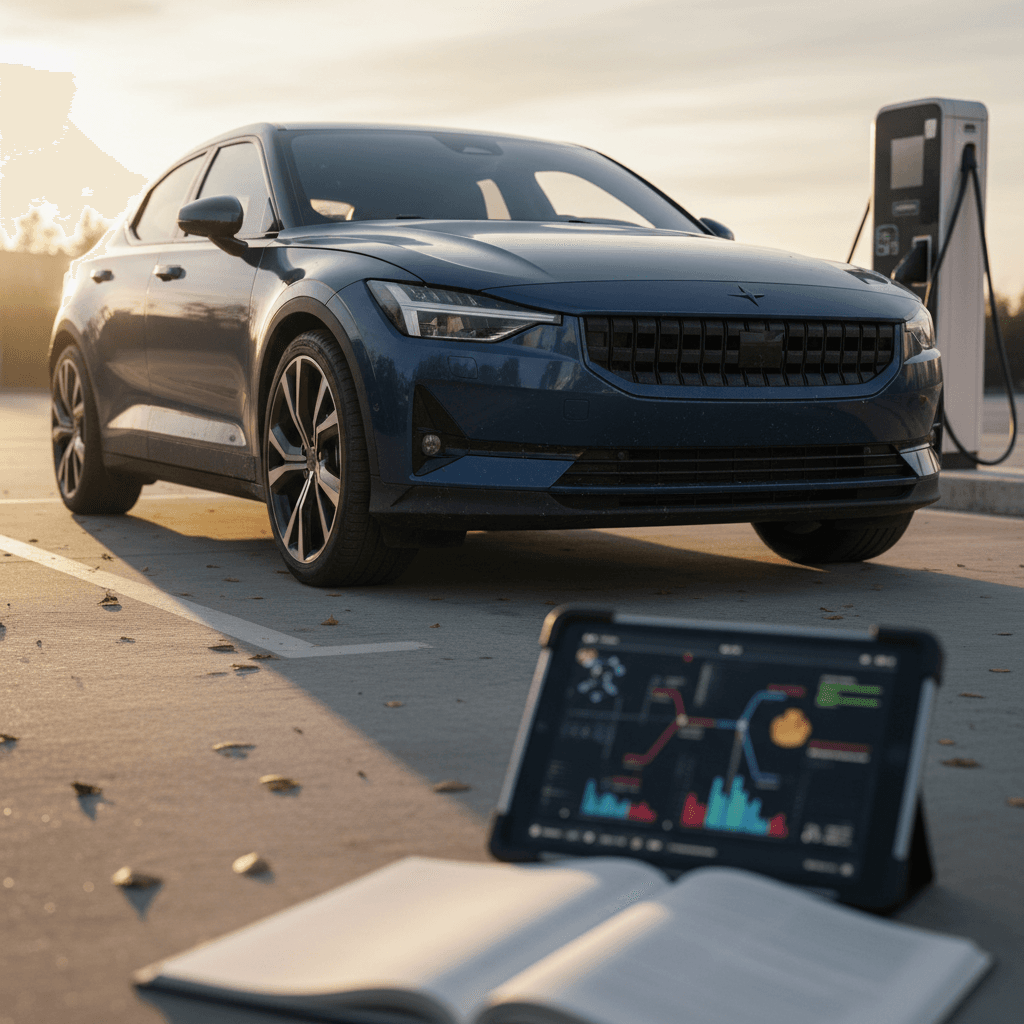
If you’re eyeing a used Polestar 2 in 2026, you’ve probably heard two very different stories: some owners say it’s rock solid, others describe a stream of software glitches and electrical gremlins. The truth about Polestar 2 reliability in 2026 sits in the middle, and whether it’s a smart buy for you depends on the model year, software history, and how carefully you shop.
Quick reliability snapshot
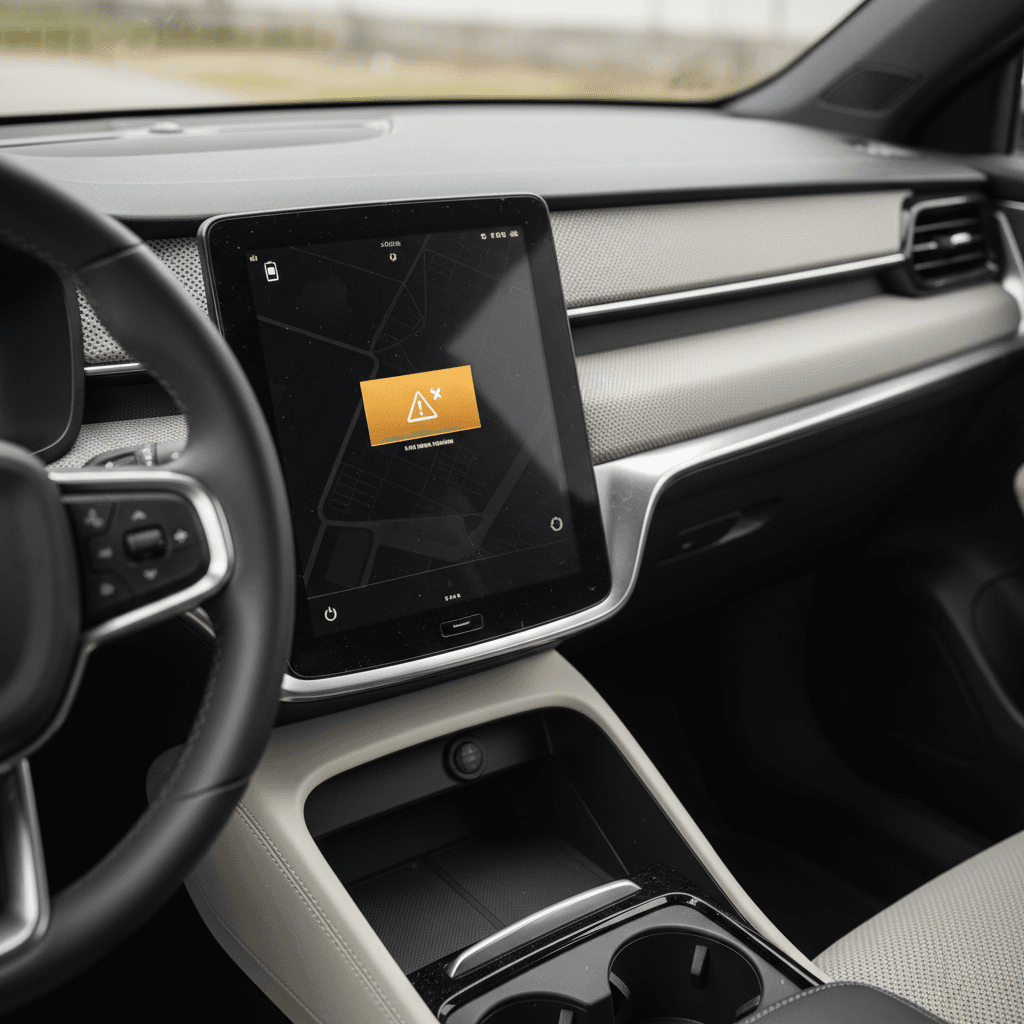
Polestar 2 reliability overview in 2026
How the Polestar 2 scores on reliability
Big picture, the Polestar 2 is not a disaster, but it’s not a Toyota either. Hardware like motors and the high-voltage battery have generally held up well so far. Where most of the pain shows up is in software stability, connectivity modules and 12‑volt systems. That means a well-maintained, fully updated car can be a satisfying daily driver, while a neglected one can feel like a beta product.
Expect variation by individual car
How the Polestar 2 has aged by model year
Polestar 2 reliability by model year (U.S. focus)
What changed from 2021 through the end of production
2021: First-wave cars
Pros: Attractive pricing on the used market; early adopters have already flushed out many defects.
Watch for: Telemetry/TCAM failures, early software bugs, more recall entries, higher risk of cosmetic and interior wear.
2022: Still maturing
Pros: Running design changes and software improve stability; many cars still under bumper-to-bumper warranty.
Watch for: Similar infotainment and connectivity issues, plus early signs of 12‑volt failures and door/mirror quirks.
2023–2024: Sweet spot
Pros: Updated motors, range improvements, and more polished software. These cars benefit from lessons learned on earlier builds.
Watch for: Rear-view camera software recalls, minor infotainment glitches, and dealer network depth in your region.
For most used shoppers in 2026, late 2022 through 2024 Polestar 2s are the sweet spot. They balance improved reliability with remaining new-vehicle warranty and more modern hardware. Earlier 2021 cars can be bargains, but only if you can document a clean repair history and are comfortable with more frequent trips to the service center.
Model-year strategy for used buyers
Common Polestar 2 problems owners report
Polestar 2 forums and owner surveys paint a consistent picture: most issues cluster around software, connectivity and small electronics, with a smaller but important set of physical problems you should know about. Here are the most commonly mentioned trouble spots.
Typical Polestar 2 issues and how serious they are
Not every car will see these problems, but they’re frequent enough that you should ask about them when shopping used.
| Issue | Symptoms | Severity | Typical Fix |
|---|---|---|---|
| TCAM / connectivity failures | No data, SOS error, connectivity warnings | Medium | Replace or reprogram telematics module under warranty |
| Infotainment glitches | Screen freezes, random reboots, laggy Google Automotive | Low–Medium | Software updates; sometimes hardware replacement |
| Rear-view camera faults | Blank or frozen camera image | Medium | Software recall update; occasionally camera unit replacement |
| 12-volt battery failures | Car won’t start, sudden shutdowns, error storms | High | 12‑volt battery replacement; check for parasitic drain |
| Charging system faults | Won’t fast‑charge, errors on DC chargers | Medium–High | Software update, on-board charger or wiring diagnosis |
| Door/mirror issues | Windows or mirrors misbehaving, wind noise | Low–Medium | Adjustment or replacement of window regulators/seals/motors |
Use this as a checklist during your pre-purchase inspection and test drive.
Take 12‑volt and charging issues seriously
None of these problems are unique to the Polestar 2, software-heavy EVs in general have similar patterns, but this model has had more than its share of connectivity and camera-related campaigns. The upside: many issues are familiar to dealers by now, and fixes are well understood. The downside: if you buy out of warranty, you could be the one footing the bill for modules and diagnostics.
Polestar 2 recalls through 2025: what matters in 2026
By April 2026, the Polestar 2 has accumulated a sizable recall history covering software, safety systems and the rear‑view camera. The key point for a used buyer isn’t that recalls exist, it’s whether they’ve been properly completed on the specific car you’re considering.
- Rear‑view camera visibility and synchronization problems on 2021–2025 cars, handled via infotainment and camera‑communication software updates.
- Brake system calibration and behavior updates delivered over‑the‑air or at the dealer.
- Various software campaigns aimed at improving stability of the infotainment system, instrument cluster and driver‑assistance features.
How to check Polestar 2 recall status
A Polestar 2 with a thick stack of completed recall and campaign paperwork is not automatically a bad car. In fact, it often means the previous owner stayed on top of maintenance. What should worry you is a car that shows open recalls or long gaps between services, especially for basic safety items like camera visibility.
Battery health and degradation on the Polestar 2
So far, real‑world data on Polestar 2 battery degradation has been encouraging. High‑mileage owners frequently report single‑digit percentage loss over the first 60,000–80,000 miles when the car is charged reasonably (not fast‑charging to 100% every day). The bigger risks are isolated high‑voltage pack defects, not widespread rapid degradation.
Battery reliability: the good news
- Most cars show modest range loss in the first few years.
- Thermal management has proven capable in both hot and cold climates.
- The 8‑year/100,000‑mile battery warranty provides a safety net for major failures.
What can still go wrong
- Isolated high‑voltage pack or module failures requiring replacement.
- On‑board charger or DC‑fast‑charging electronics faults that mimic battery issues.
- Range complaints caused by tires, driving style or software, not true degradation.
Use objective battery health data
On a private‑party sale, ask the seller for any service records related to the high‑voltage battery or charging system. If you see notes about pack replacements, repeated DC‑charging faults, or persistent “reduced performance” warnings, you’ll want a professional EV inspection before committing.
Software updates, connectivity and infotainment
The Polestar 2 runs Google’s Android Automotive OS, which is both its biggest selling point and its most visible pain point. Owners praise the maps and voice control, but complain about random reboots, lag and dropped connections, especially in early cars that missed updates.
What to expect from Polestar 2 software in 2026
Most cars are better than they were at launch, but not perfect
Frequent updates
Polestar has pushed many over‑the‑air updates, improving stability, charging behavior and driver‑assistance features.
Connectivity quirks
Some owners still see intermittent Bluetooth and data‑connection issues that require resets or dealer visits.
Infotainment maturity
The interface feels modern, but occasional lag or frozen screens remain part of the ownership experience for some drivers.
Why update history matters
On a test drive, deliberately stress the system: pair your phone, stream audio, use navigation and engage driver‑assistance. Watch for freezes, warning messages or odd behavior. One hiccup isn’t a deal‑breaker, but a pattern of glitches hints at future service appointments.
Warranty coverage and out-of-warranty risk
Warranty timing is a big lever in the Polestar 2 reliability equation. By 2026, early 2021 cars may be near the end of their basic coverage, while 2023–2024 examples still have a decent runway left. High‑voltage components are covered longer, but many of the problems owners actually feel, infotainment, cameras, 12‑volt systems, live under the shorter bumper‑to‑bumper umbrella.
Typical U.S. warranty coverage on a Polestar 2
Always verify exact terms by VIN and model year; this is a general outline.
| Component | Typical Coverage | What it Means in 2026 |
|---|---|---|
| Bumper-to-bumper | Around 4 yrs/50,000 mi | 2021 cars may be out or close; 2023–2024 likely still covered. |
| Battery & electric drive | Around 8 yrs/100,000 mi | Most high-voltage pack failures should still be under warranty. |
| Corrosion | Longer-term | Less critical for reliability, but worth noting in harsh climates. |
| Software/recalls | Varies; safety recalls are free | Even older cars should receive safety-critical software recalls. |
Knowing what’s still covered in 2026 can make or break the deal on a used Polestar 2.
Consider extended coverage on early cars
Recharged can help here as well: when you buy a Polestar 2 through our marketplace, our EV specialists walk you through what’s left of the factory coverage and your options for protecting yourself beyond that window.
What to check before buying a used Polestar 2
Polestar 2 pre-purchase reliability checklist
1. Scan the recall and campaign history
Run the VIN through official recall tools and ask for dealer paperwork. You want to see that software, camera and brake campaigns have been completed, not ignored.
2. Review service records line by line
Look for repeated visits for the same issue, especially 12‑volt, TCAM, charging or camera faults. A single fix is normal; a pattern is a red flag.
3. Check battery health with real data
Use an independent diagnostic like the Recharged Score report or a qualified EV shop to estimate remaining battery capacity instead of guessing from range alone.
4. Stress-test the software on a long drive
During your test drive, use navigation, streaming and driver assists together. Watch for error messages, reboots or persistent lag.
5. Inspect charging behavior on AC and DC
If possible, test both Level 2 and DC fast charging. Sudden drop‑offs in charging speed or repeated errors justify further investigation.
6. Evaluate warranty status and add-ons
Confirm in writing what factory coverage remains and whether any extended warranties are transferable. Build those protections, or lack of them, into your offer price.
Make the inspection easier with Recharged
Ready to find your next EV?
Browse VehiclesHow Polestar 2 reliability compares to rivals
If you’re cross‑shopping, the natural comparison set in 2026 includes the Tesla Model 3, Hyundai Ioniq 5, Kia EV6 and Volvo’s own C40 and XC40 Recharge. Reliability-wise, the Polestar 2 usually lands mid‑pack.
Tesla Model 3
- Generally stronger fast‑charging reliability and network coverage.
- Mixed build quality and some notorious service delays.
- More mature software stack, but MCU issues on older cars.
Hyundai Ioniq 5 / Kia EV6
- Good reliability scores with some early 12‑volt and charging quirks.
- Dealer experience varies widely by region.
- Ultra‑fast 800‑V charging is a plus when working correctly.
Volvo C40 / XC40 Recharge
- Share much of the underlying tech with the Polestar 2.
- Similar software and electrical gremlins reported.
- Benefit from Volvo’s larger service footprint.
Where Polestar 2 stands
Is a used Polestar 2 a good buy in 2026?
If you value design, driving feel and Google‑native tech, a used Polestar 2 can be compelling, especially at today’s depreciated prices. The key is to treat reliability as something you manage, not something you assume. With the right model year, strong documentation and remaining warranty, it can be a smart addition to your driveway.
The flip side is that a poorly documented, out‑of‑warranty Polestar 2 with a history of electrical gremlins can become an expensive hobby. In 2026, the smartest move is to buy with your eyes open: verify recalls, insist on battery‑health data and be honest about your tolerance for the occasional software quirk. Partnering with a specialist retailer like Recharged, where every Polestar 2 is backed by a Recharged Score report and EV‑savvy support, tilts the odds firmly in your favor.