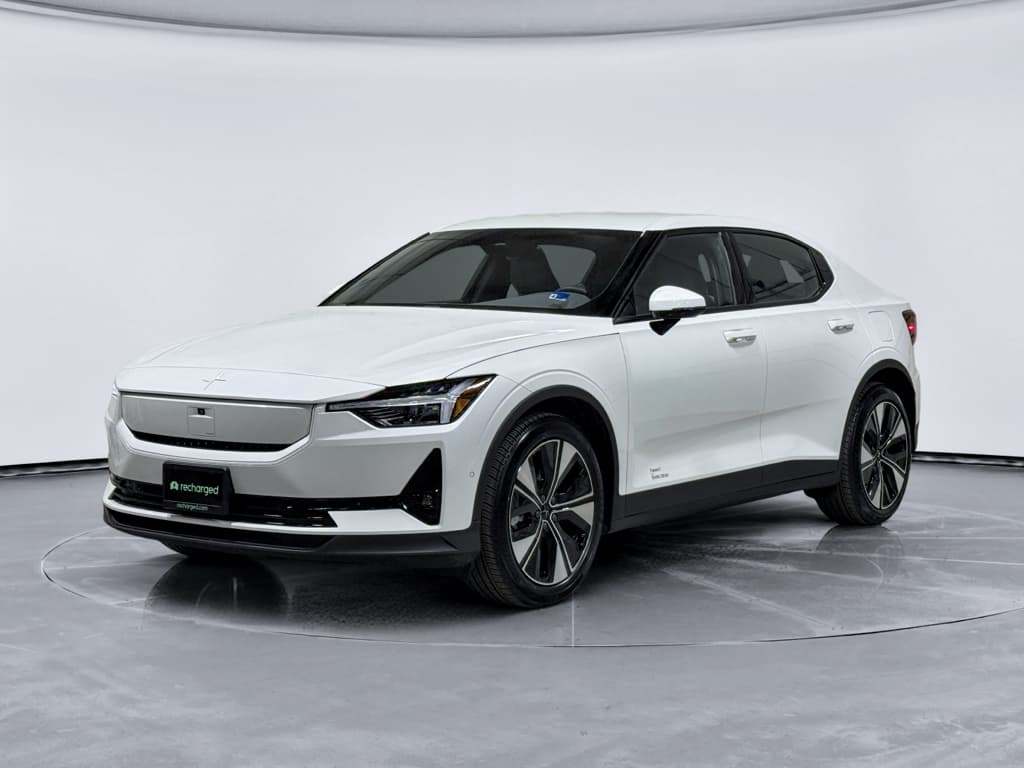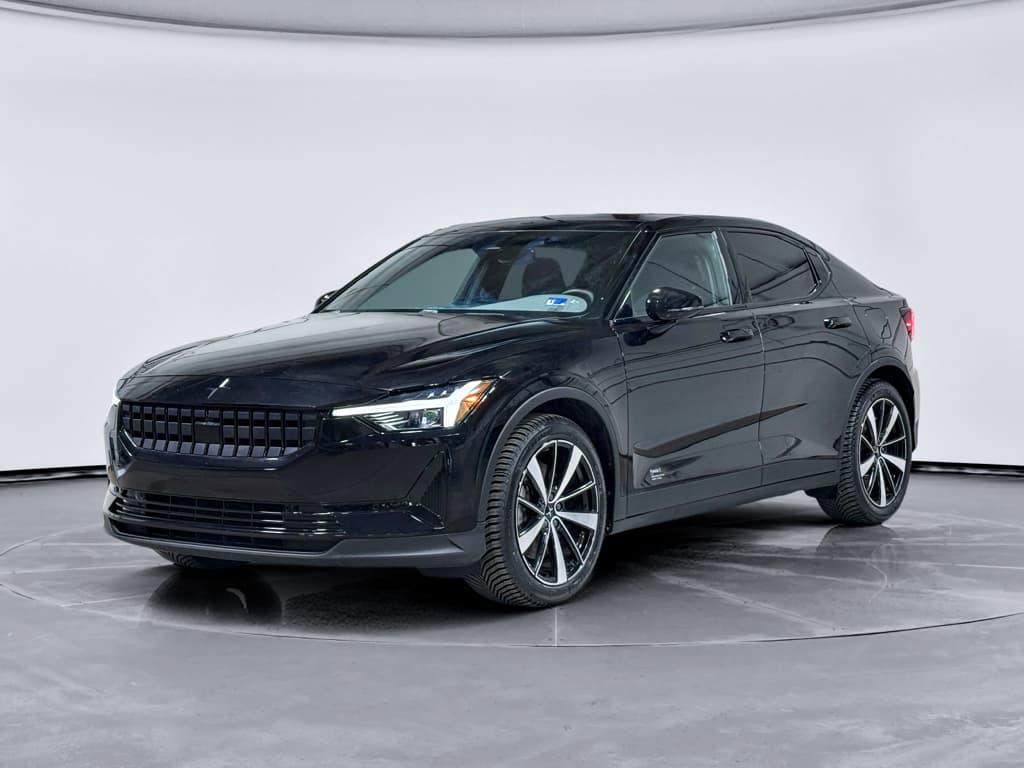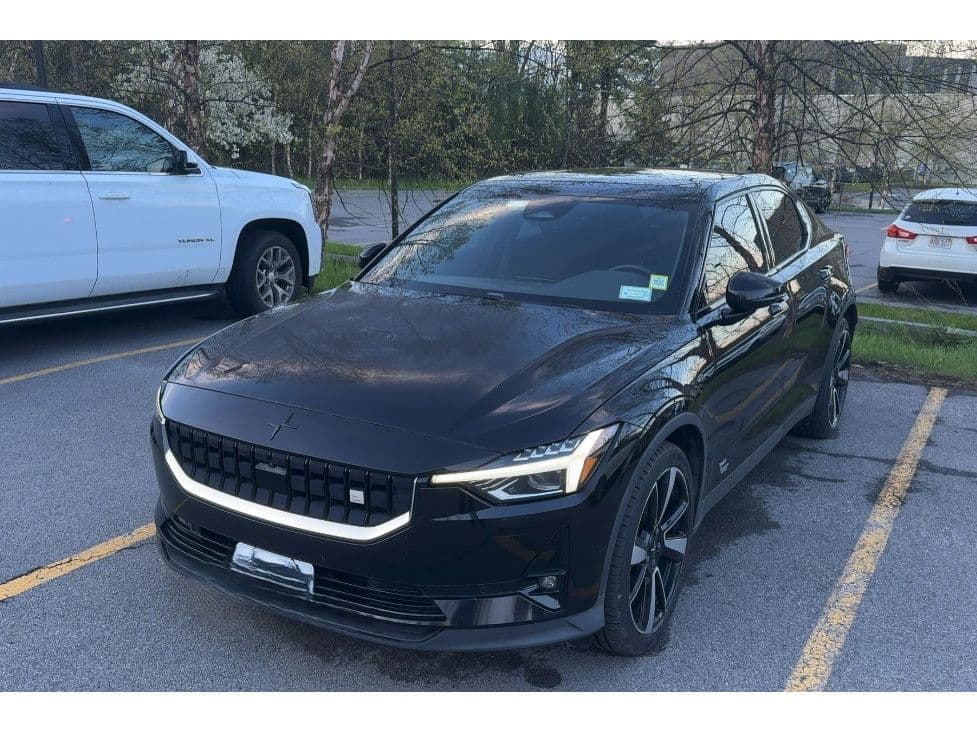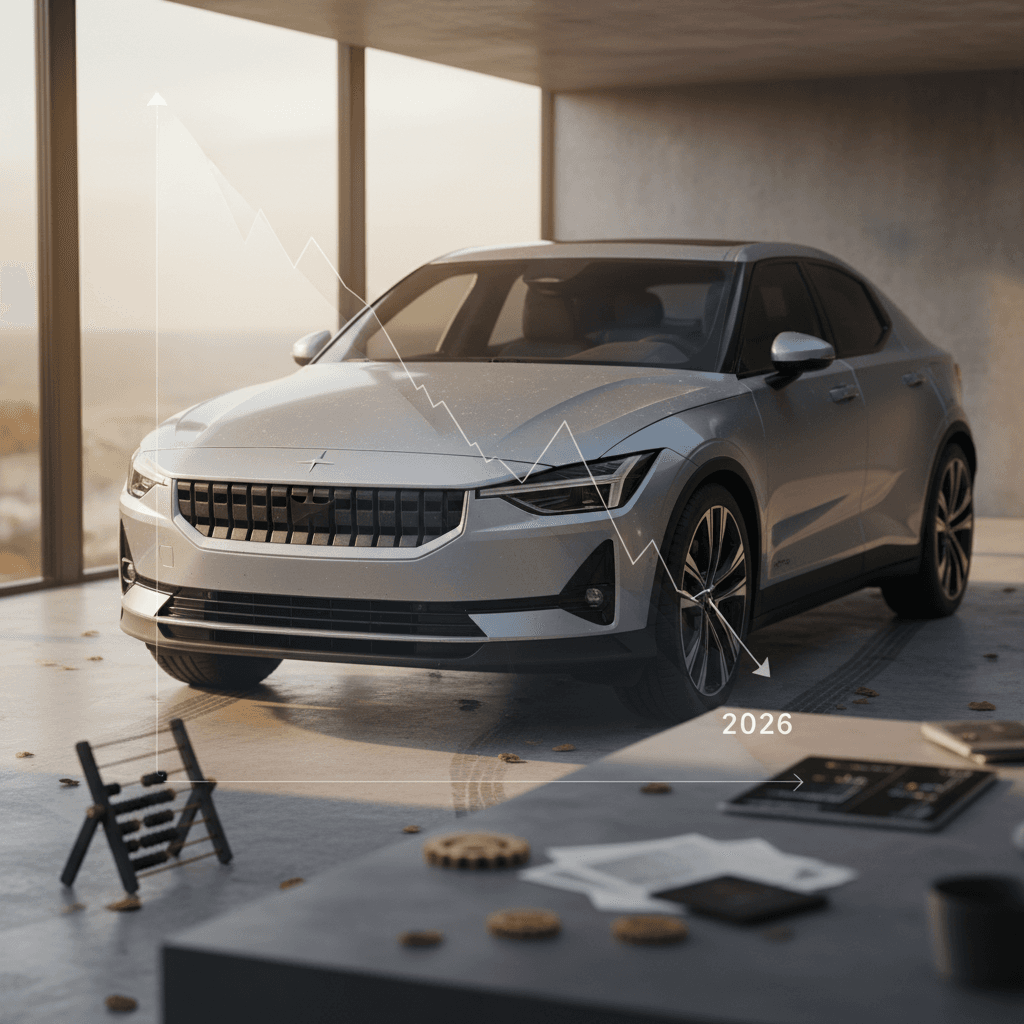
If you own or are eyeing a Polestar 2 in 2026, depreciation isn’t just a boring accounting term, it’s the biggest single cost of the car. The Polestar 2 depreciation rate in 2026 has finally settled into a pattern: early cars have already taken a heavy hit, while newer model years are holding value better but will start sliding as more used inventory appears.
The short version
Why Polestar 2 depreciation matters in 2026
By April 2026, the Polestar 2 has several full model years on the road. That means there’s enough history to see clear depreciation curves taking shape. If you’re buying, this tells you which years are the sweet spot. If you’re selling or trading in, it helps you decide whether to hold, list privately, or grab an instant offer.
- The Polestar 2 launched at luxury‑car MSRPs but didn’t yet have Tesla’s brand gravity, so early buyers took a bigger first‑owner hit.
- Massive EV price cuts across the industry in 2023–2024 and generous incentives pushed used values down faster than traditional sedans.
- By 2026, used Polestar 2 prices have stabilized enough that buyers can find strong value, but sellers have to be realistic about what the market will bear.
Why you can’t just trust old price guides
Quick look: Polestar 2 depreciation rate in 2026
Polestar 2 depreciation snapshot in 2026
Think of the Polestar 2 as a classic early‑cycle premium EV: the first couple of years lost value quickly as prices adjusted, incentives came and went, and newer tech arrived. By 2026, that curve is flattening, which is good news if you’re buying used now rather than back in 2021.
Polestar 2 depreciation by model year (2021–2025 snapshot for 2026)
To understand the Polestar Polestar 2 depreciation rate in 2026, it helps to look backward. Recharged has already dug into real‑world pricing for earlier model years, comparing original MSRP to estimated used values around mid‑2025. That gives us a solid baseline for what owners are facing in early 2026.
Estimated Polestar 2 value retention entering 2026
Approximate U.S. dual‑motor Polestar 2 values as they roll into 2026. These are directional examples, not offers for any specific VIN.
| Model year | Approx. MSRP at launch | Typical used price entering 2026* | Dollar depreciation | Value retained |
|---|---|---|---|---|
| 2021 | $61,200 | ~$26,000–$29,000 | ≈$32,000–$35,000 | ~43–47% |
| 2022 | $51,200 | ~$28,000–$31,000 | ≈$20,000–$23,000 | ~55–60% |
| 2023 | $53,300 | ~$32,000–$36,000 | ≈$17,000–$21,000 | ~60–68% |
| 2024 | $56,700 | ~$40,000–$46,000 | ≈$11,000–$16,000 | ~70–80% |
| 2025 | $66,200 | Too new to call | – | Near MSRP in early 2026 |
Actual pricing varies by mileage, options, region, and condition. Use this as a starting point, not a quote.
Where these numbers come from
When you average those drops over time, early Polestar 2s work out to roughly 17–22% annual depreciation in their first three to four years. That’s painful if you bought new in 2021, but incredibly attractive if you’re buying that same car in 2026 at a massive discount to original MSRP.
How 2026 is shaping the Polestar 2 resale story
1. The worst depreciation is mostly behind early owners
By 2026, most of the brutal early‑EV price reset has played out for 2021–2022 cars. Big incentive waves and MSRP changes already knocked prices down. From here, the decline is slower and more predictable, especially if mileage stays reasonable.
2. Newer models are just starting their real slide
2023–2025 cars still look strong on paper, often showing 60–80% value retention. But as more 3‑ and 4‑year‑old examples hit the market later in the decade, you can expect those numbers to converge with earlier years on a percentage basis.
In other words: 2026 is the year the Polestar 2 matures into a genuinely compelling used buy. You’re no longer guessing how the value curve will behave, you can see it in the metal and in the listing prices.
Polestar 2 vs. Tesla Model 3 depreciation
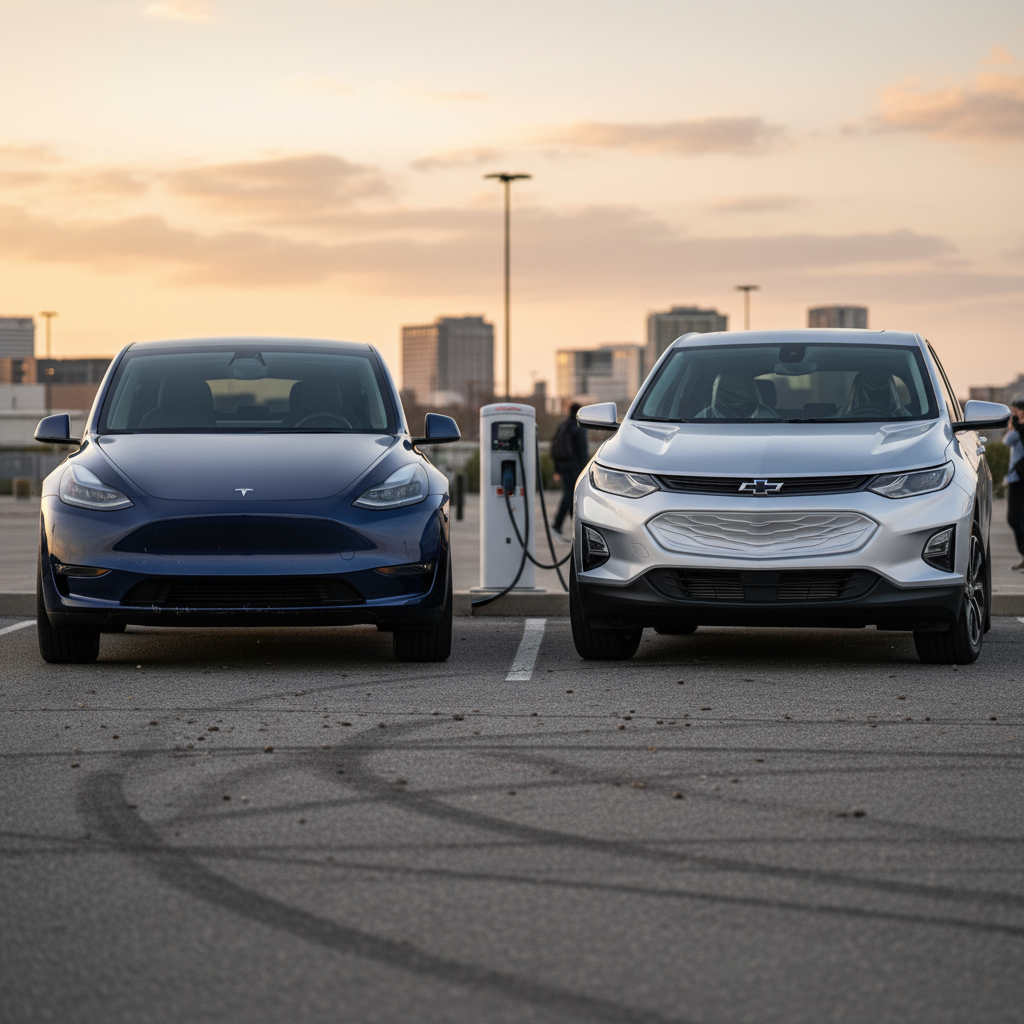
Any time you talk about Polestar 2 depreciation, the elephant in the room wears a Tesla badge. The Model 3 is the resale benchmark in this segment, and most analysts still expect it to hold value better over 3–5 years than a comparable Polestar 2.
How Polestar 2 depreciation stacks up against Tesla Model 3
Big picture: Polestar 2 loses more, but that can work in your favor as a used buyer.
Brand pull & demand
Tesla Model 3: Massive brand recognition and demand keep used prices propped up, even when new prices fall.
Polestar 2: Smaller brand footprint means softer demand and steeper early depreciation.
Resale expectations
Independent comparisons routinely note that Model 3 resale is stronger than Polestar 2 over a similar period.
That doesn’t make the Polestar a bad choice, but it changes where the value is.
Opportunity for used buyers
Because Polestar 2 values fall faster, used shoppers often get more car for the money: newer build, more options, or lower miles at the same price point as an older Tesla.
When Polestar 2 depreciation is actually a win
Factors that move Polestar 2 values up or down
Even within the same model year, Polestar 2 depreciation isn’t one‑size‑fits‑all. The market looks closely at equipment, mileage, software, and history. Understanding these levers can easily swing value by many thousands of dollars either way.
Key value drivers for a Polestar 2 in 2026
Motor configuration & battery
Dual‑motor cars and longer‑range versions usually hold value better than base single‑motor cars, especially in colder climates or for highway commuters.
Packages & options
Plus, Pilot, and Performance packs make a noticeable difference. Shoppers will pay up for heat pumps, premium audio, driver‑assist tech, and larger wheels, though huge wheels can worry range‑conscious buyers.
Mileage & usage pattern
A 2021 car with 25,000 miles will be valued very differently from one with 70,000. Consistent, moderate use looks better than a hard‑driven ride‑share history.
Software & updates
Over‑the‑air improvements and feature unlocks matter. A Polestar 2 that’s up to date on software, with any paid performance boosts documented, is easier to sell and often worth more.
Accident & service history
A clean accident history, documented maintenance, and recall work completed give buyers confidence. Major collision repairs or missing records drag values down quickly.
Battery health & fast‑charging habits
Battery condition is the heart of any EV. Heavy DC fast‑charging, lots of high‑temperature use, or frequent 100% charges can spook informed buyers if they see clear signs of degradation.
Don’t ignore battery health
Best years to buy a used Polestar 2 in 2026
If you’re shopping in 2026, you’re trying to balance age, tech, warranty coverage, and price. The Polestar Polestar 2 depreciation rate in 2026 makes some model years clear standouts.
Which Polestar 2 years make the most sense in 2026?
Here’s how different model years typically line up for value‑minded shoppers.
2021: Maximum discount, more miles
Great if you want the lowest entry price and don’t mind a 4–5‑year‑old EV with higher miles. Many of these cars have already taken their biggest hit, so future depreciation slows down.
Focus on clean histories and strong battery health.
2022–2023: The sweet spot
For most buyers, these are the “just right” years in 2026: big chunk of depreciation already baked in, but still modern tech, plenty of warranty, and reasonable mileage.
Expect solid value retention if you plan to keep the car another 3–5 years.
2024–2025: Newer, but steeper upcoming drop
If you want the latest hardware and are coming out of a lease or need fresh warranty coverage, newer cars make sense. Just remember: their real depreciation curve is still developing, so you’ll shoulder more of the future drop.
Look 2–3 years behind new
Practical tips to slow Polestar 2 depreciation
You can’t control national pricing trends or incentive waves, but you *can* control how attractive your specific Polestar 2 looks when it’s time to sell or trade. The same fundamentals that help any used car apply here, plus a couple EV‑specific tricks.
How to protect your Polestar 2’s value
1. Keep the battery happy
Avoid making 100% charges your daily habit, don’t leave the car sitting fully charged in heat, and try to reserve DC fast‑charging for road trips. Healthier batteries help your car appraise higher.
2. Stay on top of software and service
Install over‑the‑air updates promptly and keep receipts for any dealer or independent EV specialist work. Documented maintenance and up‑to‑date software reassure the next owner.
3. Fix cosmetic issues before listing
Curb rash, windshield chips, and interior scuffs quietly shave hundreds or thousands off offers. A modest reconditioning session often pays for itself in a higher sale price or stronger trade‑in.
4. Keep detailed records
Save every invoice, inspection, and tire receipt. A well‑organized folder (or digital equivalent) tells a buyer exactly how the car has been treated and makes it simpler for an appraiser to justify top‑of‑market value.
5. Time your sale strategically
Values can soften when lots of off‑lease inventory hits at once or when new incentives arrive. If you have flexibility, selling <strong>before</strong> a big new model‑year or incentive announcement can help you stay ahead of the next drop.
6. Consider selling where buyers shop EVs
Mid‑market used lots often under‑value EVs they don’t understand. Selling through an EV‑focused marketplace, or at least getting an offer from one, can surface more accurate pricing.
How Recharged helps you buy or sell a Polestar 2 smarter
Recharged was built around one simple idea: used EV ownership should be transparent. That’s especially important for a model like the Polestar 2, where depreciation has been steeper than many owners expected and battery health is central to value.
Buying a used Polestar 2 through Recharged
Every Polestar 2 on Recharged comes with a Recharged Score Report that includes verified battery diagnostics, fair‑market pricing analysis, and a clear look at how a specific car’s mileage, options, and history stack up against the broader depreciation curve.
You can shop completely online, line up financing, and have the car delivered nationwide, or visit our Experience Center in Richmond, VA if you’d rather see it in person first.
Selling or trading in your Polestar 2 with Recharged
If you’re on the other side of the equation, Recharged can give you an instant offer, help with consignment, or structure a trade‑in toward your next EV. Because we specialize in used EVs, our valuations reflect real‑time Polestar 2 market data, not generic gas‑car assumptions.
That means you’re less likely to be penalized just because a local dealer doesn’t understand EVs or is nervous about battery tech.
Why battery‑aware valuations matter
Ready to find your next EV?
Browse VehiclesPolestar 2 depreciation FAQ (2026)
Frequently asked questions about Polestar 2 depreciation in 2026
Bottom line on Polestar 2 depreciation in 2026
By 2026, the Polestar Polestar 2 depreciation rate is no longer a mystery curve on a whiteboard, it’s a lived reality for owners and an opportunity for used‑car shoppers. Early adopters took a heavier hit, but their cars now represent some of the best values in the premium EV segment, especially if you find one with strong battery health and a clean history.
If you’re hunting for a used Polestar 2, focus on 2022–2023 models for the best blend of price, tech, and remaining life, and insist on transparent battery diagnostics before you sign. If you’re thinking about selling, understand that the big drop has likely already happened, and the smartest move now is to present your car clearly, price it to the real market, and get offers from EV‑focused buyers who understand what they’re looking at.
Recharged can help on either side of that equation. Whether you’re comparing used Polestar 2 listings, weighing an instant offer on your current car, or trying to understand what that 18% annual depreciation really means for your wallet, having clear data and EV‑savvy guidance turns depreciation from a nasty surprise into just another line item you’ve already planned for.