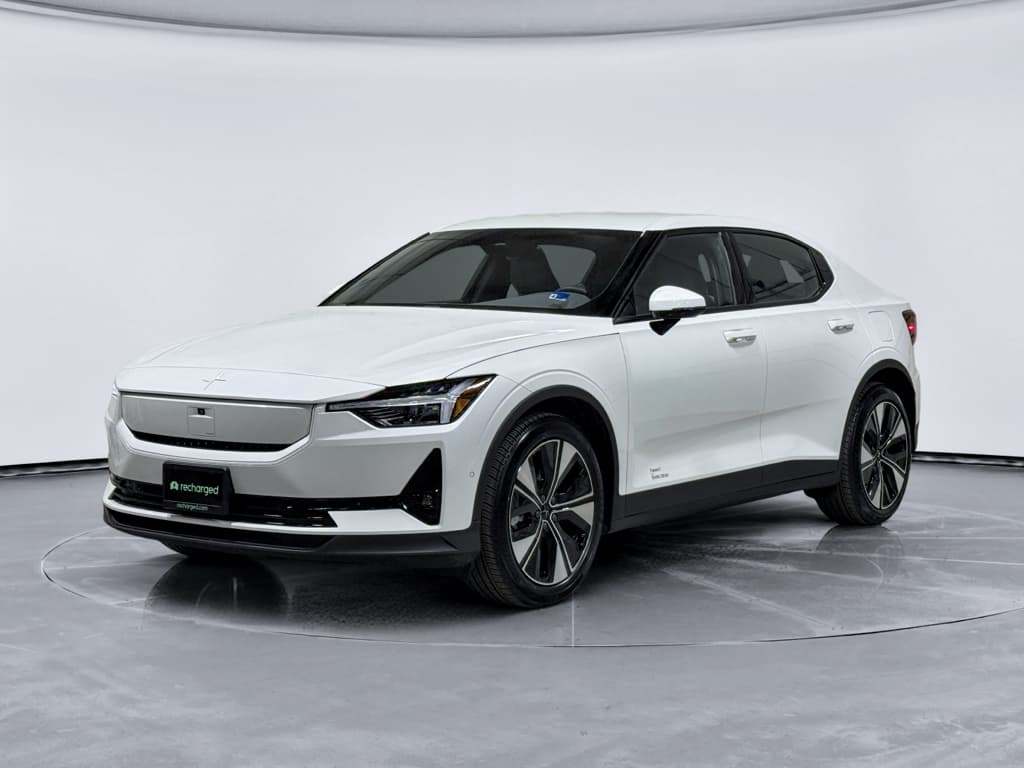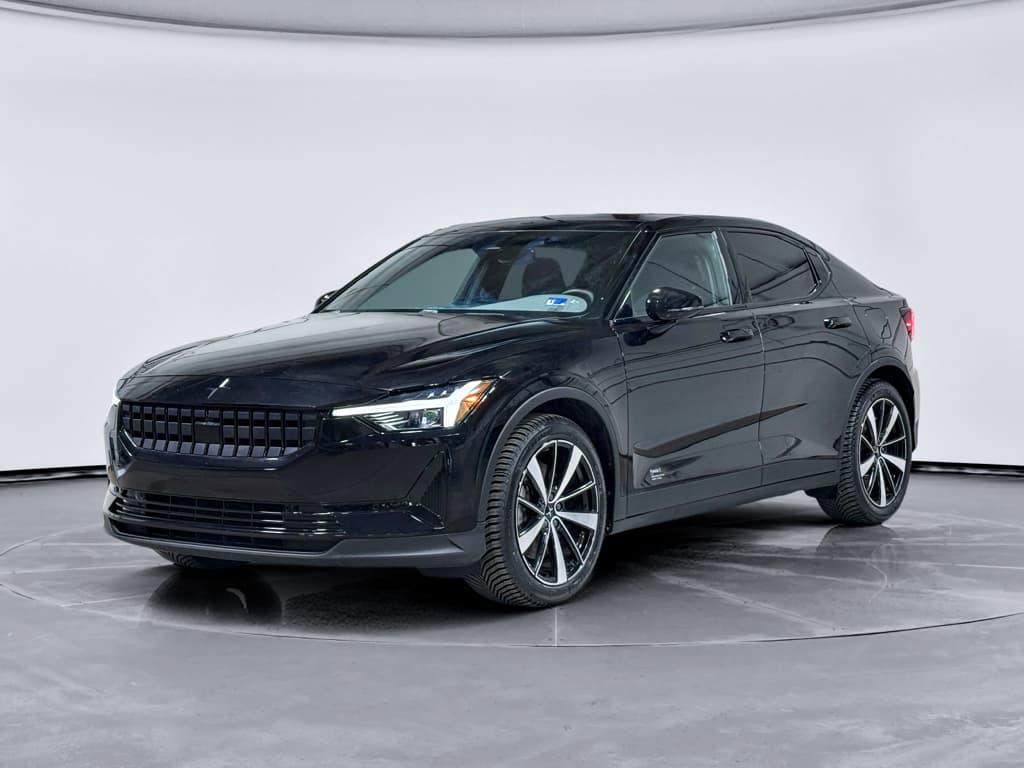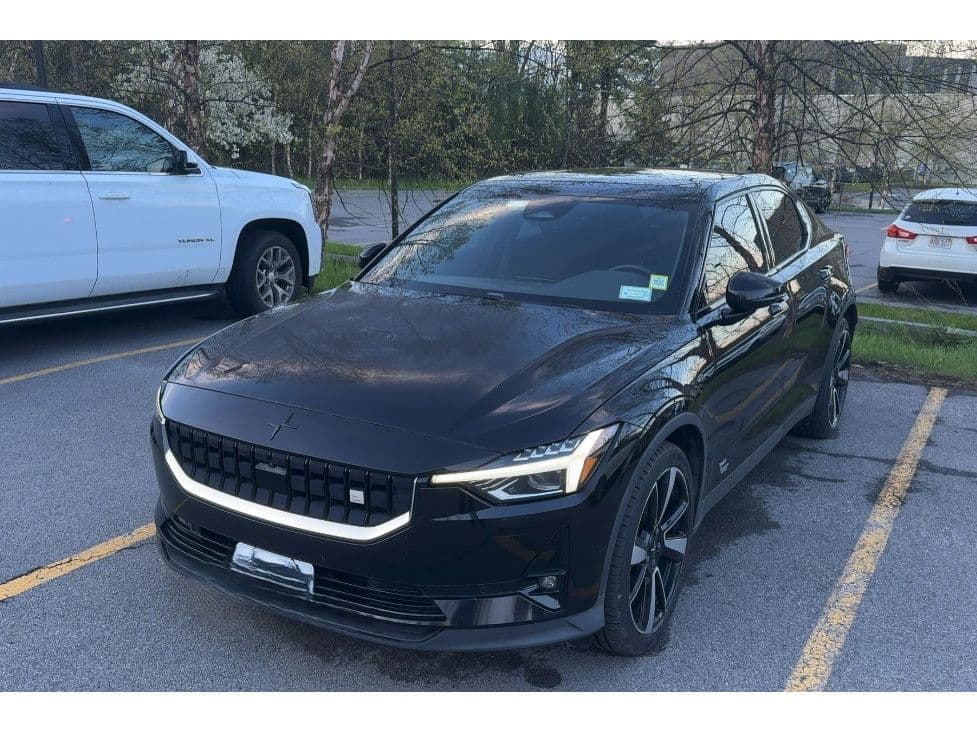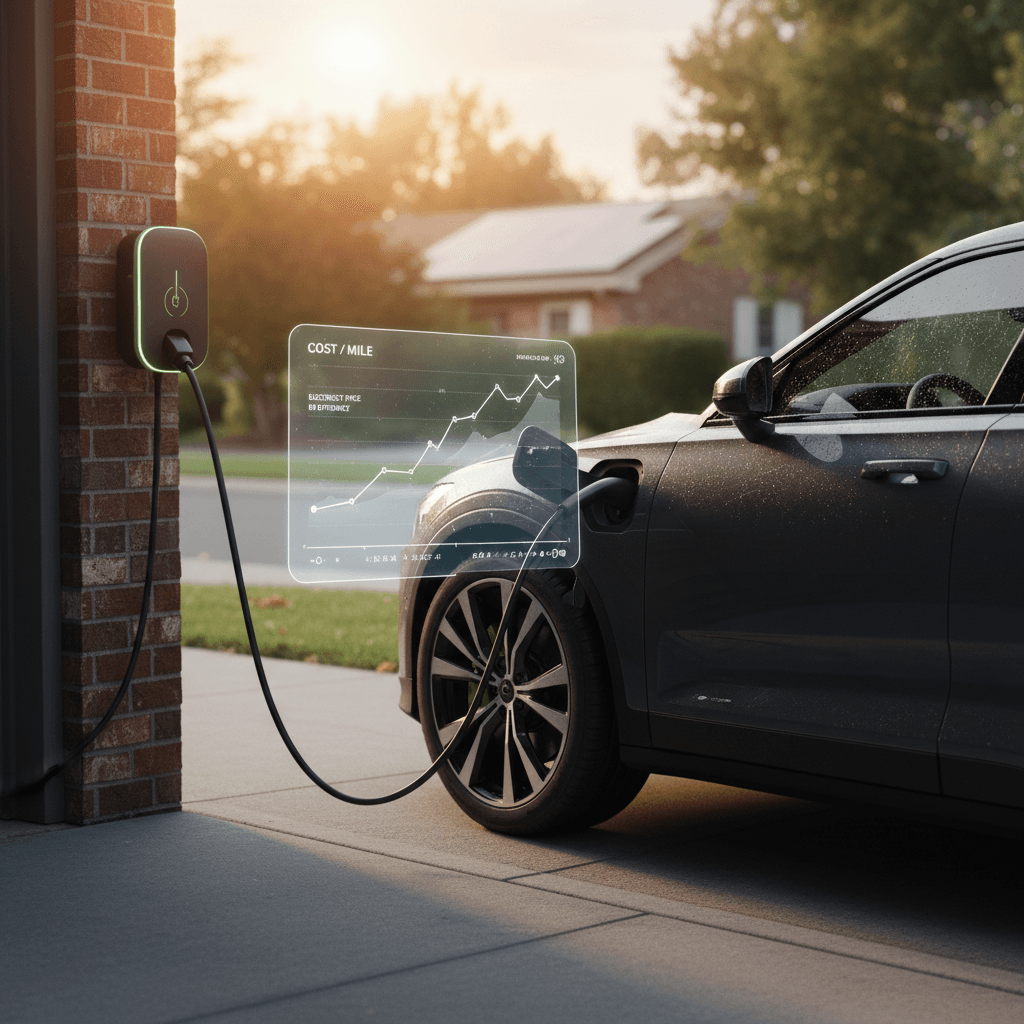
If you’re cross-shopping a Polestar 2 against a Tesla Model 3, an i4, or even a well‑equipped Audi A4, the question isn’t just “What’s the price?” It’s “What does this thing actually cost per mile to drive?” The good news: the Polestar 2 cost per mile to drive is low by gas‑car standards, usually in the 4–9 cents range, but it depends heavily on where and how you charge.
The short version
Why Polestar 2 cost per mile matters more than MPGe
MPGe and kWh/100 miles are fine for spec sheets, but they’re abstractions. Cost per mile is what hits your bank account. It ties together efficiency, electricity price, and your driving style into a single number you can compare directly with a gas car or another EV.
- It turns Polestar 2’s energy consumption into a simple dollars‑and‑cents metric.
- You can compare it directly with a 30 mpg gas sedan or 20 mpg SUV.
- It exposes how much expensive DC fast charging or high local electricity rates really hurt.
- It’s the missing piece in total cost of ownership when you’re considering a new or used Polestar 2.
Rule of thumb
Polestar 2 efficiency: kWh per 100 miles in the real world
Polestar quotes efficiency using the WLTP and EPA cycles, but owners live in the messy middle: cold mornings, 75‑mph interstates, Spotify at 11. So to talk honestly about the Polestar 2 cost per mile to drive, we need realistic consumption numbers, not brochure fantasy.
Typical Polestar 2 energy use in mixed driving
In our own and third‑party testing, a single‑motor Polestar 2 tends to land around 27–31 kWh/100 miles in mild weather. Dual‑motor cars, especially with the Performance Pack, are a bit hungrier, more like 31–36 kWh/100 miles unless you drive like someone who just discovered the left lane.
Winter is real
Electricity price assumptions for 2025–2026
Every cost‑per‑mile conversation lives or dies on your electricity rate. In the U.S., average residential power prices climbed sharply through 2024 and into 2025. Recent EIA data and industry analyses put the national residential average around 17¢ per kWh, with some states well under 13¢ and others north of 25¢.
Three simple price bands for Polestar math
Pick the one that feels closest to your actual bill
Lower‑cost power
~$0.13/kWh
- Hydro or coal‑heavy regions
- Some Midwest, Pacific Northwest
- Often with time‑of‑use discounts at night
Average U.S. home
~$0.17/kWh
- Near recent national residential average
- Good default if you don’t know your rate
High‑cost markets
~$0.25/kWh
- Parts of California, New England, islands
- Dense urban grids and high demand
Public DC fast charging lives on a different planet. Posted prices in 2025 commonly range from about $0.35–$0.45/kWh on big networks, with occasional outliers higher or lower. For our road‑trip math, we’ll use a middle‑of‑the‑road $0.40/kWh assumption.
Cost per mile when you mostly charge a Polestar 2 at home
Let’s run the numbers for a single‑motor Polestar 2 that averages 30 kWh/100 miles in normal driving. That’s 0.30 kWh per mile. Multiply by your electricity rate and you have cost per mile.
Polestar 2 cost per mile – mostly home charging
Single‑motor efficiency assumption: 30 kWh/100 mi (0.30 kWh/mi)
| Home electricity price | Cost per kWh | Energy used per mile | Cost per mile | Cost per 1,000 miles |
|---|---|---|---|---|
| Lower‑cost power | $0.13 | 0.30 kWh | $0.039 | $39 |
| Average U.S. home | $0.17 | 0.30 kWh | $0.051 | $51 |
| High‑cost market | $0.25 | 0.30 kWh | $0.075 | $75 |
Numbers round slightly for clarity; your exact cost will depend on your real‑world efficiency and local rates.
The headline number
Dual‑motor drivers should pad the numbers a hair. Assume 33–34 kWh/100 miles (0.33–0.34 kWh/mi). On that same 17¢/kWh power, cost per mile moves from about $0.051 to ~$0.056. Not exactly ruinous, but enough that lead‑foot habits show up on your utility bill.
Cost per mile on public fast charging and road trips
High‑speed DC charging adds two penalties: higher sticker price per kWh and slightly higher consumption because charging losses grow as power levels rise. To keep the math clean, we’ll assume your Polestar 2 effectively uses about 31 kWh/100 miles on a road trip, and you’re paying $0.40/kWh at the charger.
Polestar 2 cost per mile – mostly DC fast charging
Road‑trip assumption: 31 kWh/100 mi effective usage at $0.40/kWh
| Charger price | Effective kWh/100 mi | Cost per mile | Cost per 1,000 miles |
|---|---|---|---|
| $0.35/kWh | 31 kWh | $0.109 | $109 |
| $0.40/kWh | 31 kWh | $0.124 | $124 |
| $0.45/kWh | 31 kWh | $0.140 | $140 |
This is a typical “plug and go” scenario on a big charging network without special discounts.
The road‑trip tax
Three real-world Polestar 2 cost-per-mile scenarios
Now let’s blend these ingredients into scenarios that look like real life. We’ll assume 1,000 miles per month to keep the arithmetic legible, you can scale up or down easily.
Scenario 1–3: from home‑charging saint to DC‑fast sinner
1. Suburban commuter, mostly home charging
• 90% of energy from home at $0.17/kWh, 10% from DC at $0.40/kWh • Single‑motor Polestar 2 at 30 kWh/100 mi Home share: 0.9 × 0.30 kWh/mi × $0.17 ≈ <strong>$0.046/mi</strong> DC share: 0.1 × 0.31 kWh/mi × $0.40 ≈ <strong>$0.012/mi</strong> Blended cost: about <strong>$0.058 per mile</strong> ≈ $58 per 1,000 miles.
2. City dweller with limited home charging
• 50% home at $0.25/kWh, 50% DC at $0.40/kWh • Dual‑motor Polestar 2 at 34 kWh/100 mi in stop‑and‑go Home share: 0.5 × 0.34 × $0.25 ≈ <strong>$0.043/mi</strong> DC share: 0.5 × 0.35 × $0.40 ≈ <strong>$0.070/mi</strong> Blended cost: roughly <strong>$0.11 per mile</strong> ≈ $110 per 1,000 miles.
3. Occasional road‑tripper with off‑peak home rates
• 70% home at discounted $0.13/kWh (night TOU), 30% DC at $0.40/kWh • Single‑motor Polestar 2 at 29 kWh/100 mi overall Home share: 0.7 × 0.29 × $0.13 ≈ <strong>$0.026/mi</strong> DC share: 0.3 × 0.31 × $0.40 ≈ <strong>$0.037/mi</strong> Blended cost: around <strong>$0.063 per mile</strong> ≈ $63 per 1,000 miles.
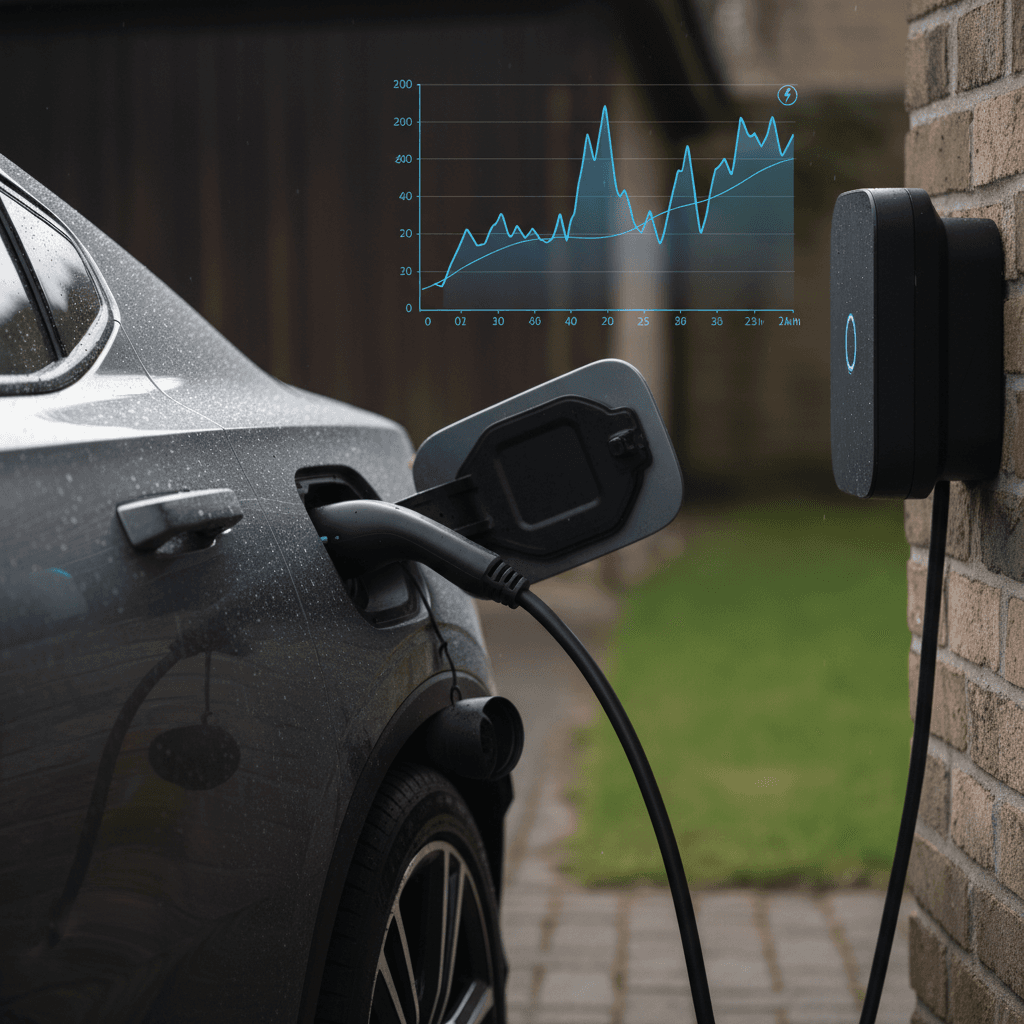
How to plug in your own numbers
How Polestar 2 cost per mile compares to gas and other EVs
Polestar 2 vs a 30 mpg gas sedan
Take a mainstream 30 mpg compact or midsize sedan. At $3.75 per gallon, your fuel cost is:
- $3.75 ÷ 30 mpg = $0.125 per mile
- That’s $125 per 1,000 miles
Even in a fairly expensive electricity market where your Polestar 2 lands around 7–8¢ per mile, you’re still coming out ahead. On cheaper or off‑peak power, you’re closer to half the fuel cost of a comparable gas car.
Polestar 2 vs other popular EVs
Efficiency‑wise, the Polestar 2 isn’t a hypermiling champion like a Model 3, but it’s in the same league as most premium compact EVs:
- Tesla Model 3 RWD: often ~25–27 kWh/100 mi
- Polestar 2 single‑motor: ~27–31 kWh/100 mi
- BMW i4 eDrive40: similar to Polestar 2 in many tests
On the same electricity, a Model 3 might be 1–1.5¢ per mile cheaper to run. That’s noticeable on paper but rarely a deal‑breaker next to things like styling, interior feel, and how the car fits your life.
Six factors that move your Polestar 2 cost per mile up or down
The knobs you can actually turn
You can’t control the weather, but you do control more than you think
When you charge
Time‑of‑use plans can cut home rates by 20–40% overnight. If you can schedule the Polestar 2 to charge while you sleep, your cost per mile drops without changing how you drive.
How fast you drive
Above about 65 mph, aero drag gets a vote. Sustained 75–80 mph highway runs can push your consumption up 15–25%, and your cost per mile with it.
Climate & HVAC use
Big swings in temperature hurt EV efficiency. Pre‑conditioning the battery and cabin while plugged in and using seat/steering‑wheel heaters instead of blasting the cabin heater can keep winter penalties in check.
Home vs public mix
Every kWh you can pull at home instead of a 40¢/kWh DC fast charger is money in your pocket. Even installing a Level 2 at home often pays for itself over a few years of ownership.
Battery health & tires
Healthy battery, proper tire pressures, and efficient all‑season tires help keep kWh/100 mi in its happy place. Aggressive all‑terrain tires or under‑inflation will quietly tax every mile.
Your local grid
California condo dweller paying 28¢/kWh? Your per‑mile costs will never look like a Washington homeowner at 11¢/kWh. That’s not the car’s fault; it’s the grid’s.
Don’t forget fixed costs
What cost per mile means if you’re buying a used Polestar 2
Shopping for a used Polestar 2 is where this math gets truly useful. Two seemingly identical cars, same color, similar miles, can have very different total cost of ownership once you factor in battery health, tire choice, and how the previous owner used the car.
Battery health and efficiency
A hungry, degraded pack pushes your kWh/100 mi up, which pushes cost per mile up. It’s subtle, maybe 1–2¢ a mile, but over 60,000 miles, that’s hundreds of dollars in extra electricity and a shorter usable range cushion.
Every used EV on Recharged comes with a Recharged Score battery health report, so you’re not guessing. You can see how that particular Polestar 2 has actually been driven and charged and what that means for future range and running costs.
Financing and monthly budget
When you spread the purchase price and financing over 5–7 years, the energy line item is relatively small. What matters is how predictable it is. Knowing that your Polestar 2 will likely live in the 4–8¢ per‑mile band lets you ballpark a monthly commuting budget instead of squinting at fluctuating gas prices.
If you’re trading out of a thirsty SUV, Recharged’s trade‑in and instant offer tools can show you how much fuel savings plus equity you can roll into a used Polestar 2 or another EV.
Where Recharged fits in
Ready to find your next EV?
Browse VehiclesFAQ: Polestar 2 cost per mile to drive
Frequently asked questions about Polestar 2 running costs
Bottom line: What you should budget to drive a Polestar 2
Strip away the marketing and the Polestar 2 is a well‑sorted, honestly efficient compact EV. In normal U.S. conditions, its cost per mile to drive typically falls between 4 and 8 cents when you lean on home charging, and maybe up to 10–12 cents if you live on public DC fast chargers. That’s meaningfully cheaper per mile than a comparable gas sedan and dramatically cheaper than a thirsty crossover or truck.
If you’re considering a used Polestar 2, anchoring on cost per mile is a smart way to keep the emotion of the test drive in check. Look at your local electricity price, think honestly about how much DC fast charging you’ll use, and scrutinize battery health. Recharged’s Recharged Score report, EV‑specialist support, trade‑in options, and nationwide delivery exist precisely to make that calculus simpler: you choose the car you love, and we help you understand what every mile will really cost.