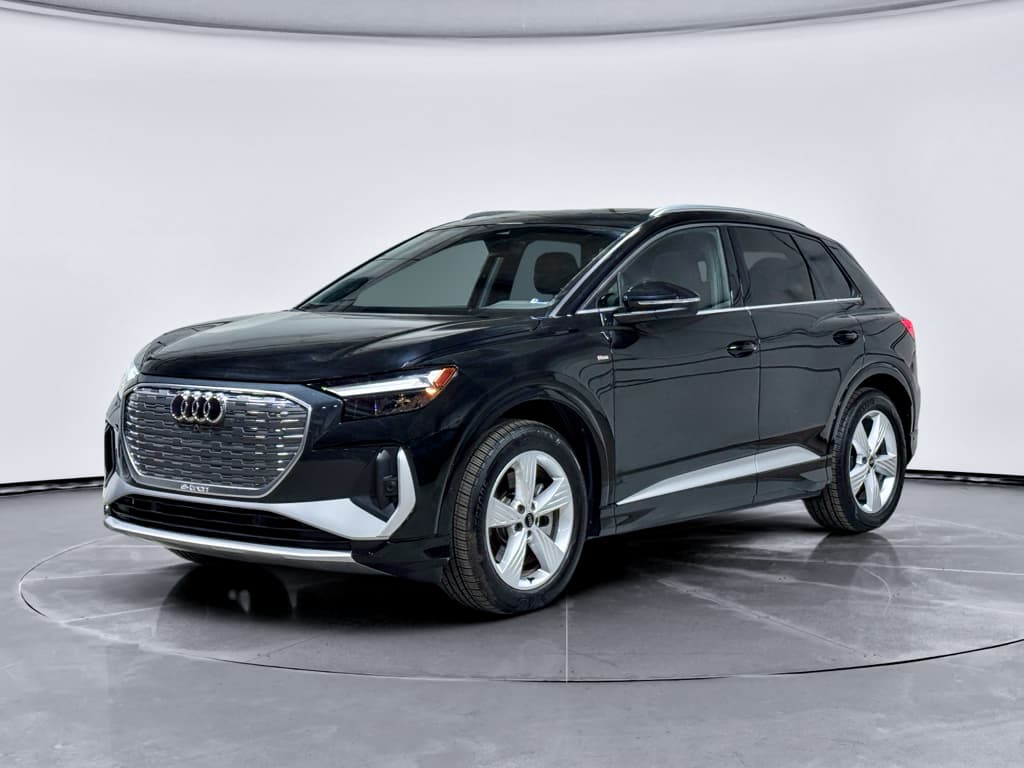
You don’t buy an Audi e-tron GT because it’s the longest‑range EV on Earth. You buy it because it looks like it escaped from a design museum and then accelerates like a railgun. Still, when you’re staring down 300 miles of interstate, real‑world highway range suddenly matters a lot more than the spec sheet. This guide unpacks what you can actually expect from the Audi e-tron GT and RS e-tron GT at true highway speeds, especially if you’re considering one used.
Key takeaway up front
Overview: Audi e-tron GT range at real highway speeds
Audi e-tron GT range by the numbers
Across model years, the e-tron GT line uses a large ~93–97 kWh lithium‑ion pack, dual motors, and aggressive aero. On paper, EPA range typically lives in the 240–300‑mile band depending on year, wheel size, and whether you’re talking standard e-tron GT or RS. On the highway at American speeds, you won’t always see those top‑line numbers, but the car is less thirsty than its weight and performance suggest, especially on 20‑inch wheels and in its tamer drive modes.
EPA vs real world: how far can you really go?
EPA and official figures
- Recent e-tron GT models are rated around 249 miles combined in U.S. EPA testing for both the standard car and RS trims.
- Some newer S/Performance variants in other markets stretch higher, flirting with 300 miles on the WLTP cycle, which is generally more optimistic than EPA.
- Official consumption hovers around 40 kWh/100 miles (about 2.5 mi/kWh) in EPA documents and spec sheets.
What owners actually see
- At a steady indicated 70 mph in mild weather, many owners and testers report 2.2–2.6 mi/kWh.
- That translates to roughly 220–260 real‑world highway miles when starting at 100% and arriving with a 10–15% buffer.
- On 21‑inch wheels or in cold weather, those numbers drift down; on 20s in eco‑minded driving, they drift up.
The EPA label is a useful ceiling, not a promise. On an EV as quick and heavy as the e-tron GT, wheel size, temperature, and your right foot can yank the real‑world number down surprisingly quickly. The good news is that the Audi typically does better at a locked‑in 70 mph than around‑town short hops, partly because the drivetrain can lean on coasting and gentle regen rather than constant stop‑start sprints.
70‑mph highway test data and what it means
If you strip away the marketing, the closest thing to a universal benchmark is the independent 70‑mph highway range test that outlets like Car and Driver and MotorTrend now run. These tests hold a true GPS‑verified 70 mph on a loop until the car runs down near empty, then back‑calculate usable range.
Summarized 70‑mph highway test results
Representative results from recent media tests of the Audi e-tron GT family at or near 70 mph on real roads, in good conditions.
| Model & trim | Wheels | EPA rated range | Observed 70‑mph range | Notes |
|---|---|---|---|---|
| RS e-tron GT Performance (recent test) | 21 in | ~278 mi | ~280–295 mi | Highway test slightly exceeded EPA rating in mild weather. |
| RS e-tron GT (earlier U.S. spec) | 20 in | 249 mi | ~250–270 mi | Generally matched or beat EPA when started at 100% SOC. |
| Standard e-tron GT | 20 in | 249 mi | ~240–260 mi | Less power than RS but similar aero and battery. |
Note: numbers are rounded and based on typical test conditions; your results will vary with weather, elevation, and wheel choice.
Pleasant surprise
For your purposes, assume this: on a warm day, flat terrain, 70 mph, and 20‑inch wheels, an e-tron GT that leaves at 100% can usually reach its next charge stop with around 230–260 miles driven and 10–15% left in the pack. Push faster, climb long grades, or drop temps toward freezing and you can easily carve 15–25% off that figure.
Factors that kill (or boost) e-tron GT highway range
Four things that move your highway range needle
Same car, very different outcomes depending on how and where you drive.
Temperature
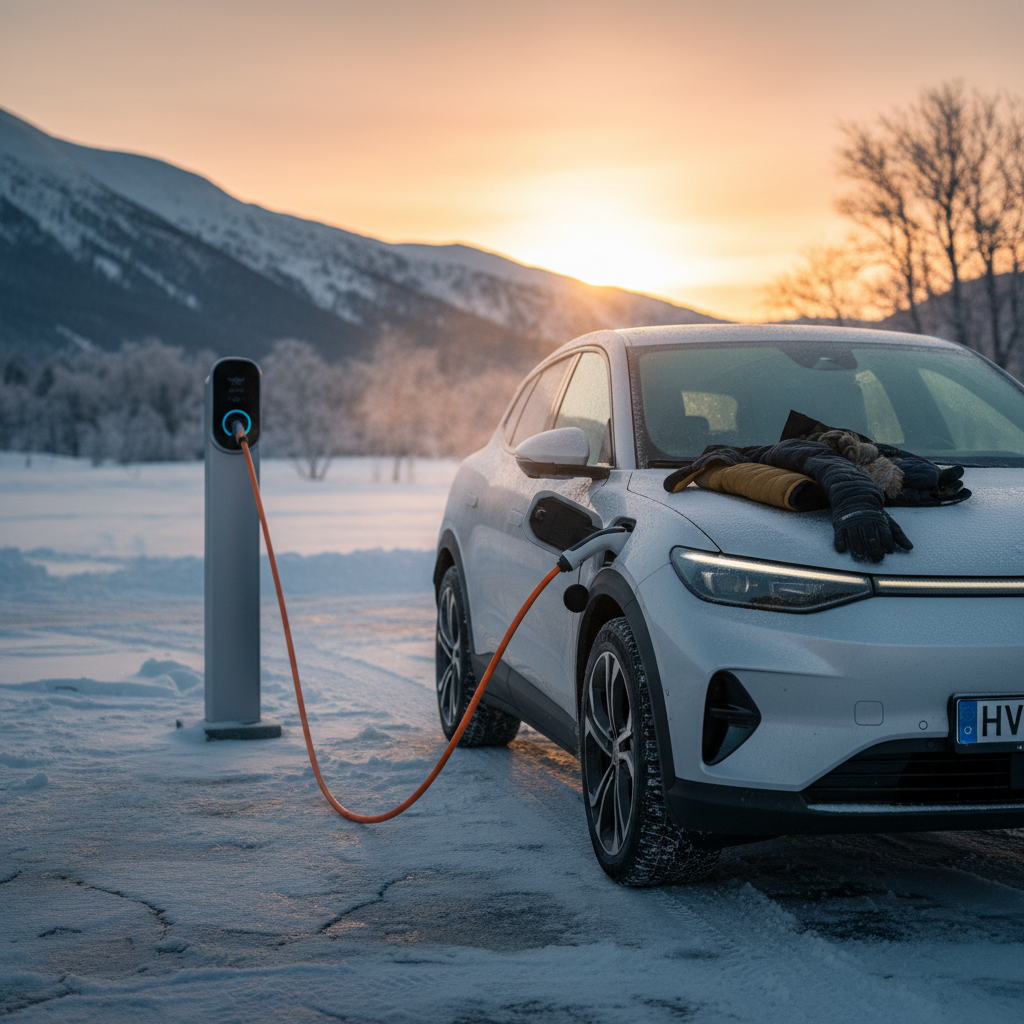
EV chemistry hates the cold. Below about 45°F (7°C), you’ll see:
- Higher consumption in the first 30–40 miles.
- Heavier use of battery heating and cabin HVAC.
- Typical winter highway range drops of 15–30%.
Speed & driving style
Aerodynamic drag climbs with the square of speed. Going from 70 to 80 mph can knock another 10–15% off your range.
- Use the efficiency‑oriented drive modes.
- Let the car coast instead of charging into traffic.
Wheel & tire choice
The e-tron GT looks tailored on 21s, but big wheels and sticky rubber cost miles.
- 20‑inch aero‑friendlier wheels can realistically save you 15–20 miles on a full charge at highway pace.
Elevation & wind
Climbing a long grade or driving into a headwind is like towing an invisible trailer.
- Expect noticeably lower range on routes with sustained climbs.
- A strong headwind can erase another 10–15%.
The 20% rule
Planning real road trips in an e-tron GT
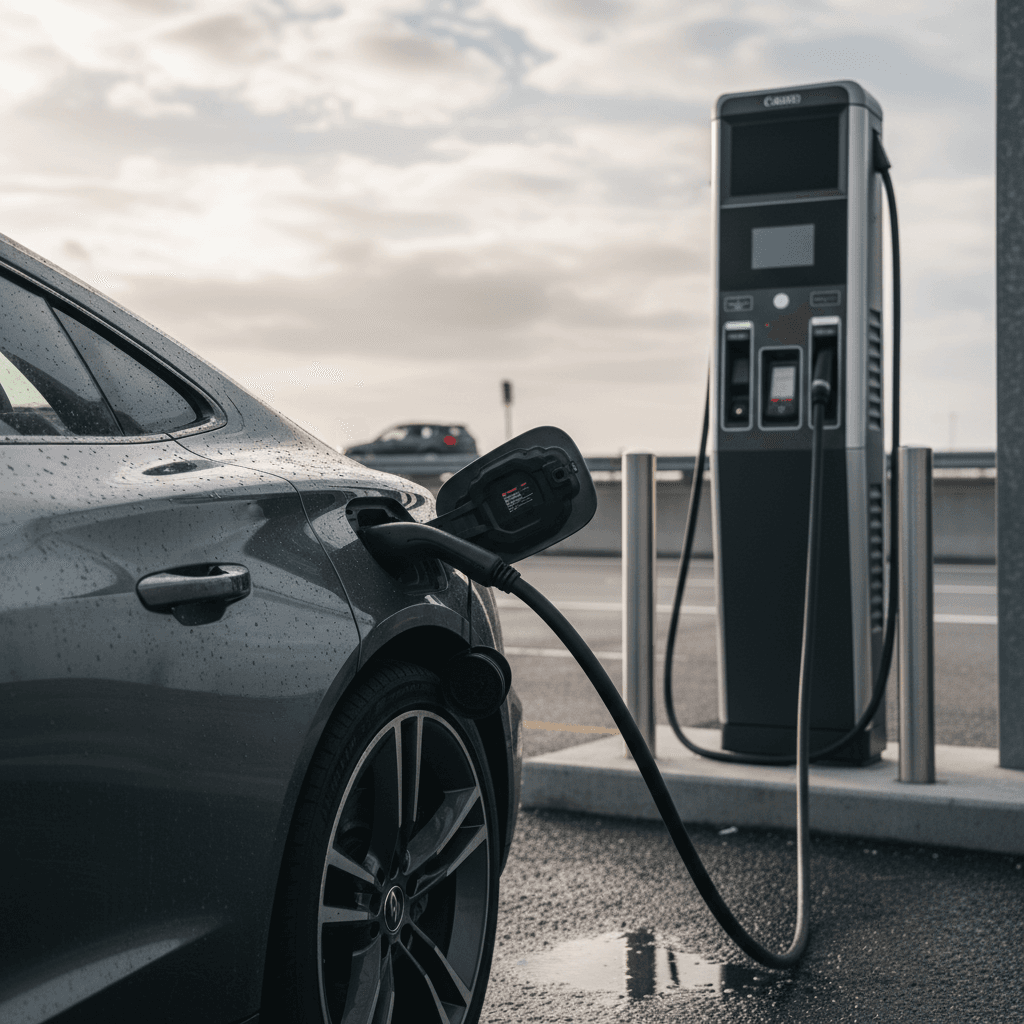
On a road trip, raw range is only half the story; the rest is how quickly the car rebounds when you do stop. Here the e-tron GT is on much firmer footing. With peak DC fast‑charging in the 270–320 kW neighborhood and a well‑tuned charging curve, it can rip from low state of charge to 80% in roughly the time it takes you to find decent coffee.
Sample highway legs in an e-tron GT
Approximate, real‑world‑friendly planning numbers for U.S. interstate driving in mild weather.
| Start SOC | Target SOC | Distance between stops | Time driving | Time charging (strong DC) |
|---|---|---|---|---|
| 90% → 15% | Single leg | ~220–230 mi | ~3–3.3 hours | , |
| 80% → 15% | Repeatable legs | ~190–200 mi | ~2.7–3.0 hours | 18–22 min (10–80%) |
| 70% → 20% | Shorter hops | ~150–160 mi | ~2–2.3 hours | 15–18 min (15–75%) |
These examples assume ~70 mph cruising, 20‑inch wheels, and arriving at the charger around 10–15% state of charge.
How to make it an easy grand tourer
Navigation‑aware route planning helps here. The native Audi nav can pre‑condition the battery when a DC fast charger is set as the destination, shaving minutes off each stop. Third‑party apps can sometimes find cheaper or less congested stations, but you’ll want to make sure the car still has time to warm the pack before you plug in.
Used e-tron GT: battery health, degradation, and range
If you’re shopping a used e-tron GT, the real question isn’t what the car did on a press‑fleet test day; it’s what it will do for you after a few years and tens of thousands of miles. The good news is that modern 800‑volt packs like Audi’s tend to age gracefully when treated decently. The bad news is that abuse, constant DC fast‑charging to 100%, or sitting full in hot climates, can quietly trim your long‑leg capability.
Battery health checks before you buy used
1. Look at real efficiency data
Ask the seller for recent photos of the trip computer showing average mi/kWh over at least 500–1,000 miles. Numbers materially below ~2.2 mi/kWh on mostly highway driving may hint at tired tires, alignment issues, or very aggressive usage.
2. Compare 100% charge to EPA figure
On a full charge, many e-tron GTs will estimate close to their original EPA rating in mild weather. A significantly lower estimate isn’t proof of degradation, but if you see, say, 190 miles where 249 was stock, you’ll want a deeper look.
3. Get a third‑party battery health report
Tools like Recharged’s <strong>Recharged Score battery health diagnostics</strong> can provide an objective snapshot of pack condition, usable capacity, and whether fast‑charging has been excessive.
4. Review charging history and use case
Frequent long‑distance DC fast‑charging, especially to 100%, is harder on packs than mostly Level 2 home charging. Ask how and where the previous owner charged, and whether the car lived in extreme heat.
5. Test a long highway leg yourself
If possible, do a 50–100 mile highway run starting from a known state of charge and note consumption and projected range. It’s the closest you’ll get to your own personal 70‑mph test before buying.
How Recharged can help
Charging speeds and how they impact travel time
Range is emotional; charging speed is practical. The e-tron GT’s pack supports very high DC rates, period‑correct figures were around 270 kW, with newer variants edging higher. In independent testing, it’s not unusual to see over 190 miles added in about 15 minutes under ideal conditions, with roughly 260 miles regained in half an hour from a low state of charge.
Charging the e-tron GT: what to expect
Home Level 2 vs DC fast charging for daily use and road trips.
Level 2 at home
- 11 kW onboard charger on recent models.
- Roughly 10–11 hours for 0–100% on a 240‑V, 48‑amp circuit.
- Think of it as ~25–30 miles of range added per hour overnight.
DC fast (public)
- Peak rates in the 270–320 kW range on capable stations.
- 10–80% in about 18–23 minutes when the pack is warm and the charger is healthy.
- Best strategy: arrive low (10–20%), leave around 70–80%.
What it means on trips
- Well‑planned stops add 180–230 miles in roughly 20 minutes.
- On a 700‑mile day, you’re likely looking at two substantive DC stops plus a shorter top‑off.
Range vs rivals: how the e-tron GT stacks up
On headline numbers, the e-tron GT sits in the solid‑but‑not‑spectacular middle of the luxury EV pack. A Lucid Air Touring will run circles around it on sheer EPA range; a Tesla Model S Long Range still gives you more highway cushion per stop. But compared with similarly indulgent, fast four‑doors, the Porsche Taycan, AMG EQE, BMW i5 M60, the Audi’s numbers are right in the hunt.
Highway‑range positioning vs other luxury EV sedans
Approximate EPA and real‑world highway ranges for a few key competitors.
| Model | Battery size (usable-ish) | EPA range (approx.) | Typical 70‑mph range | Character |
|---|---|---|---|---|
| Audi e-tron GT / RS | Mid‑90s kWh | ~249–300 mi | ~230–260 mi | Grand‑touring fastback, strong fast‑charging, dramatic styling. |
| Porsche Taycan 4S | Low‑90s kWh | ~235–270 mi | ~210–250 mi | Sharper handling, slightly lower efficiency in many tests. |
| Mercedes‑AMG EQE Sedan | Low‑90s kWh | ~230–260 mi | ~200–240 mi | Soft and plush, but heavier and less efficient at speed. |
| Tesla Model S LR | High‑90s kWh | ~390–405 mi | ~340–370 mi | Range king, but different brand/UX proposition entirely. |
Numbers rounded for clarity; concrete specs vary by wheel, trim, and year.
How to think about it
Highway range checklist for current and future owners
Quick wins to improve your Audi e-tron GT highway range
Set realistic trip legs
Plan around <strong>180–220‑mile</strong> DC‑to‑DC legs in mixed conditions instead of chasing the last 20 miles of theoretical range. This keeps buffers healthy and stress low.
Use the right drive mode
On long, steady drives, choose the efficiency‑oriented mode, dial back suspension to its lower settings, and avoid the constant temptation of boost launches.
Mind your wheels and tires
If you live on the interstate, consider 20‑inch wheels with more efficiency‑focused tires. They’re kinder to range, ride quality, and replacement costs.
Pre‑condition before fast‑charging
Use the built‑in navigation so the car can warm the pack before a DC stop. You’ll spend less time lingering at the charger and more time knocking out miles.
Watch speed creep
There’s a big difference between a true 70 mph and the 80‑plus that feels normal in empty traffic. Set adaptive cruise a little lower than you think; your range will thank you.
Keep software & tires fresh
Ensure your e-tron GT is on the latest software, and keep tires properly inflated and aligned. Small drags add up quickly at 70 mph.
FAQ: Audi e-tron GT real‑world range
Frequently asked questions about e-tron GT highway range
Bottom line: is the e-tron GT a good highway EV?
If your definition of a good highway EV is "the absolute longest range for the least money," the Audi e-tron GT is not your car. It’s too beautiful, too indulgent, and frankly too extravagant in its performance hardware to compete with the spreadsheet specials. But if you’re willing to live with real‑world 230–260‑mile highway legs, rewarded by brutally quick charging and a cabin that turns every rest stop into intermission at the opera, the e-tron GT is a deeply satisfying way to cover distance.
For used shoppers, the key is understanding the specific car’s battery health and efficiency history rather than obsessing over brochure numbers. That’s exactly why services like Recharged exist: to give you a transparent view of pack condition, fair pricing, and what kind of range you can realistically expect on day one and years down the line. Get those pieces right, and the e-tron GT stops being a range‑anxiety machine and becomes what it was always meant to be: a modern grand‑touring spaceship that just happens to run on electrons.