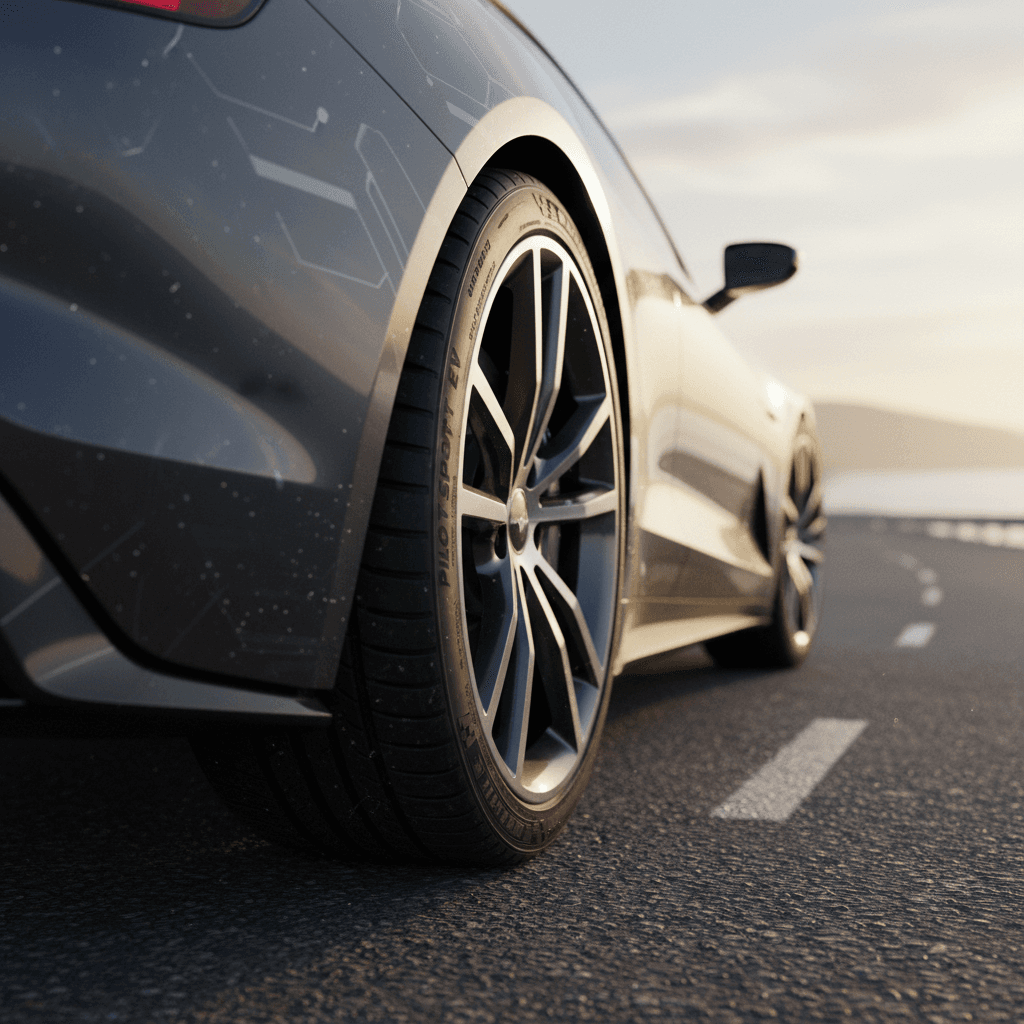
If you own a fast EV, you’ve probably run into the Michelin Pilot Sport EV while shopping for tires. On paper it sounds perfect: a summer performance tire optimized for electric vehicles, promising sharp handling with better efficiency and lower noise. In reality, it’s a more nuanced story, especially once you factor in range, wet grip, noise complaints, and the way heavy EVs chew through rubber.
Quick takeaway
What is the Michelin Pilot Sport EV?
EV-focused summer performance tire
The Pilot Sport EV is Michelin’s max‑performance summer tire designed specifically for electric vehicles. Think of it as a crossover between the classic Pilot Sport 4S and low‑rolling‑resistance EV tires: it aims to handle instant torque and battery weight without killing your range.
- Available mostly in 18–22 inch sizes for sporty EVs
- Asymmetric tread pattern, Y‑rated for high speed
- 3PMSF winter rating: not included – this is a pure summer tire
Key tech features
- EV-tailored casing to handle extra weight and torque from large battery packs.
- Lower rolling resistance than comparable performance tires to protect your range.
- Michelin Acoustic foam in many sizes, designed to cut cabin noise in quiet EVs.
- UTQG around 320 A A, reflecting a performance‑oriented compound with moderate life.
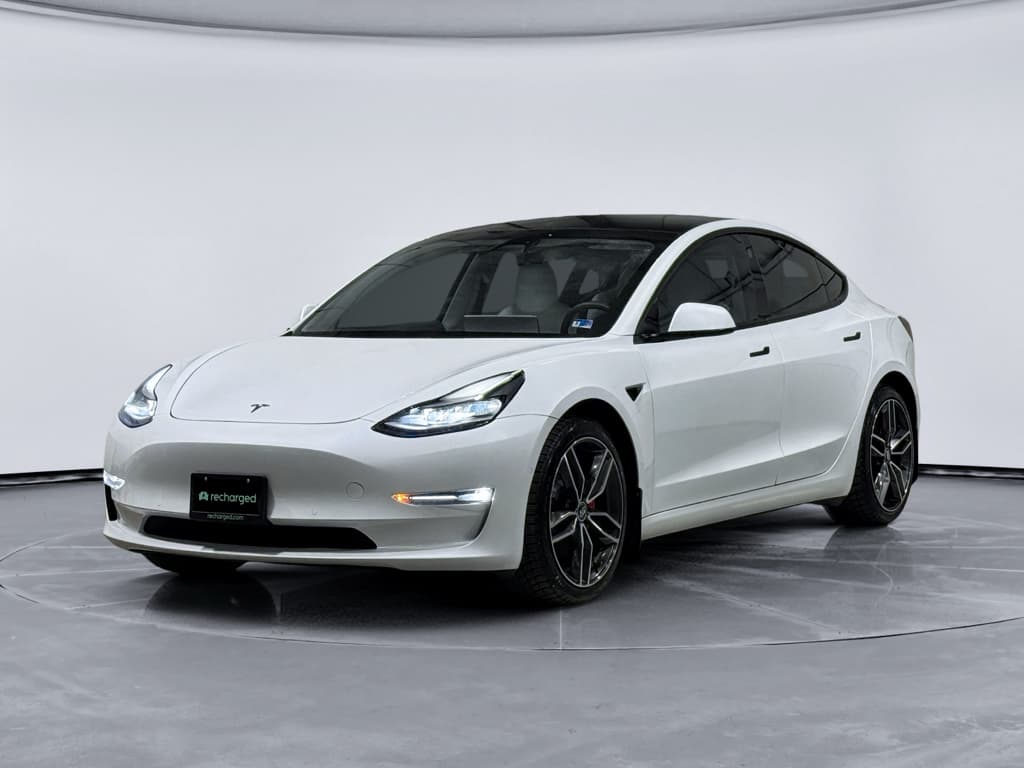
From the factory, you’ll see Pilot Sport EV on vehicles like the Tesla Model Y, XPeng G6 and other performance‑leaning EV crossovers.
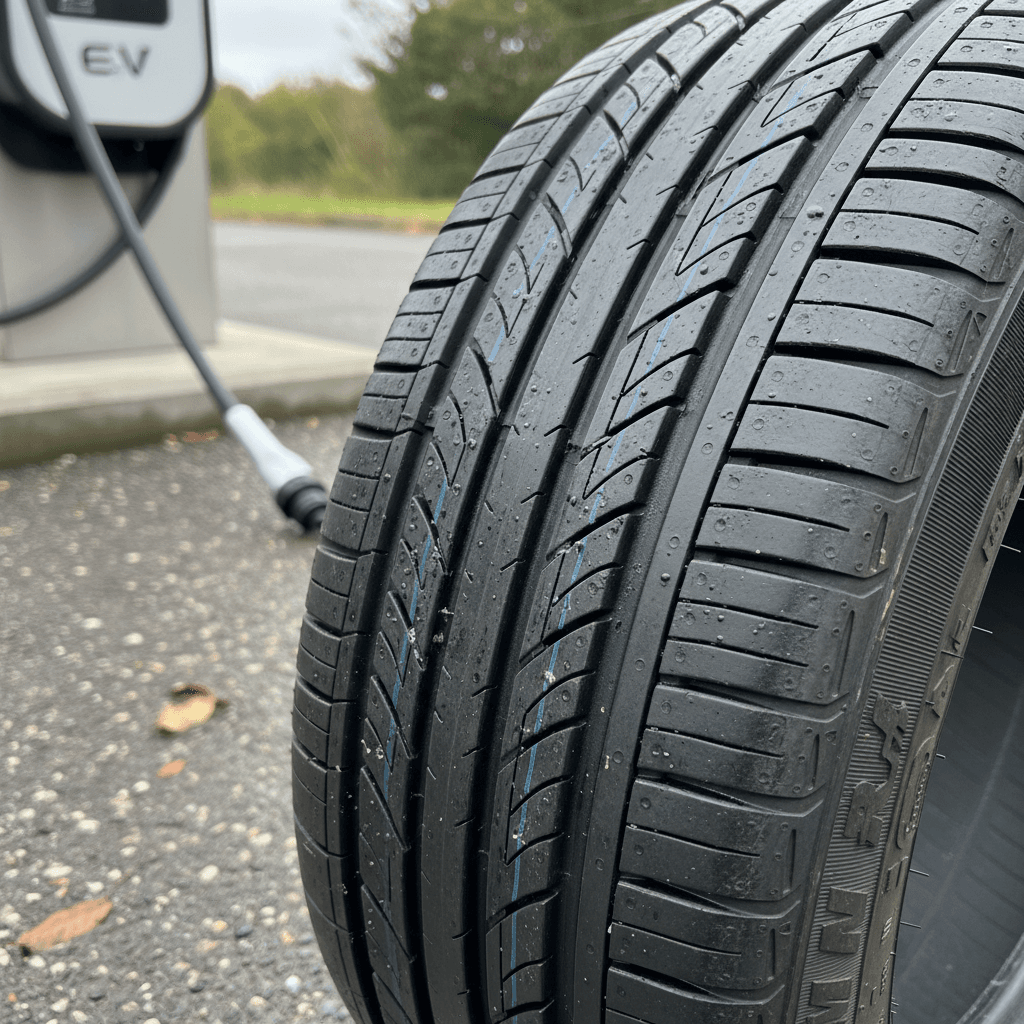
Pilot Sport EV vs regular performance tires
The natural comparison is Michelin’s own Pilot Sport 4S, the go‑to max‑performance summer tire on a lot of fast gas cars and plenty of EVs. Both are sticky summer tires, but they’re tuned for slightly different missions.
Pilot Sport EV vs Pilot Sport 4S at a glance
How the EV‑specific version compares to Michelin’s benchmark performance tire for everyday EV drivers.
| Attribute | Pilot Sport EV | Pilot Sport 4S |
|---|---|---|
| Target vehicle | Electric vehicles | Sports sedans & performance cars (ICE & EV) |
| Season | Max‑performance summer | Max‑performance summer |
| Rolling resistance | Lower (better range) | Higher (less efficient) |
| Dry grip | Strong, but a step down from 4S | Class‑leading for road use |
| Wet grip & aquaplaning | Noticeably weaker than top UUHP tires | Typically among the best in class |
| Noise tuning | Acoustic foam in many EV sizes | No foam; relies on rubber/tread design |
| Treadwear warranty (Michelin US) | ~20,000 miles | ~30,000 miles (15k on staggered fitments) |
| Best use case | Daily‑driven EVs where range & comfort matter | Drivers prioritizing ultimate grip and steering feel |
Numbers vary by size, but this table reflects general trends seen in independent testing.
Which Michelin should you pick?
How Pilot Sport EV affects efficiency and range
Efficiency characteristics of Pilot Sport EV
EV‑specific tires exist because rolling resistance matters. Every bit of drag shows up as watt‑hours per mile and ultimately how often you need to stop and charge. Independent comparisons show the Pilot Sport EV delivering meaningfully lower rolling resistance than a standard Pilot Sport 4S, which can translate to roughly 5–10% better efficiency in the real world.
- On a 275‑mile EPA‑rated EV, a 5–10% swing in consumption is worth roughly 10–25 miles of real‑world range.
- If you charge at home every night and rarely run the pack below 20–30%, you may barely notice the difference.
- If you road‑trip often or rely heavily on public fast charging, that extra safety margin between DC fast‑charge stops can feel significant.
Watch the efficiency vs grip trade‑off
Grip, handling, and braking performance
From behind the wheel, Pilot Sport EV behaves like what it is: a sporty summer tire tuned more for efficiency than for lap times. Steering response is quick and reasonably precise, but independent testing and owner feedback tell a consistent story about its limits, especially in the wet.
How Pilot Sport EV performed in a 2024 EV tire test
Summary of key results when the tire was included in a third‑party EV tire comparison in 235/55R19.
| Test category | Pilot Sport EV result | Relative performance |
|---|---|---|
| Dry braking | 7th | Respectable, but not standout among sporty EV tires |
| Dry handling | 6th | Solid overall balance, mid‑pack among competitors |
| Wet braking | 7th | Noticeably weaker than class leaders |
| Wet handling | 7th | Drivers reported lower confidence at the limit in the rain |
| Wet circle | 4th | Good mid‑corner wet grip once loaded up |
| Straight‑line aquaplaning | 8th | Struggled in deeper water compared with rivals |
| Curved aquaplaning | 8th | More prone to losing contact in standing water |
| External noise | 9th | Not the quietest externally, despite foam in many sizes |
Lower position numbers indicate better performance against peers in that particular test.
Take wet‑weather feedback seriously
Noise and comfort in quiet EV cabins
One of the big promises of EV‑specific tires is lower cabin noise. With no engine to mask road roar, tire design suddenly matters a lot more to perceived refinement. Michelin uses its Acoustic foam technology inside many Pilot Sport EV sizes to target that low‑frequency hum that can drone in a Tesla Model 3 or Hyundai Ioniq 5 at highway speeds.
Pilot Sport EV noise: the good and the bad
Why acoustic foam isn’t a simple win
Lower cabin hum (sometimes)
When the foam stays bonded, many drivers report a smoother, more muted cabin than on comparable non‑foam performance tires. It doesn’t magically make your EV silent, but it knocks down some of the boom you notice on concrete freeways.
Foam delamination complaints
A recurring owner complaint is that the foam insert can come loose over time, bunching up and causing vibration or a rhythmic thump at highway speeds. In some cases, drivers have had to replace otherwise usable tires just to get rid of the vibration.
Not everyone hears a difference
Plenty of owners who have removed the foam, or who run the same tire with and without acoustic tech, report minimal audible difference in real life. Car‑to‑car variation in insulation matters as much as the foam itself.
External vs internal noise
Longevity, warranties, and real-world wear
If you’re coming from a traditional gas car, the way EVs burn through performance tires can be a rude awakening. Instant torque plus 4,500–5,000 lb curb weights means tread life that often looks short on paper and even shorter in the real world.
Pilot Sport EV vs 4S: warranty and durability
How Michelin’s stated warranties line up with the reality of EV use.
| Metric | Pilot Sport EV | Pilot Sport 4S |
|---|---|---|
| Treadwear warranty (Michelin US) | ~20,000 miles | ~30,000 miles (15,000 miles on staggered fitments) |
| UTQG treadwear rating | 320 A A (typical) | Around 300 A A (size‑dependent) |
| Designed for EV torque? | Yes – reinforced casing & compound | Not specifically, but widely used on EVs |
| Real‑world reports | Mixed: some see 20–30k, others far less with aggressive driving | Similar: enthusiastic EV drivers often see closer to 15–25k |
Always read the fine print, staggered setups and non‑rotated tires usually get reduced coverage.
- Some owners report excellent wear, 30k+ miles on rear fitments in gentle use.
- Others complain about rapid wear or uneven shoulders within 10–15k miles on heavier EVs.
- Alignment, rotation frequency, and how often you launch your EV matter as much as the compound printed on the sidewall.
Don’t assume EV branding = longer life
When Pilot Sport EV makes sense, and when it doesn’t
Is Pilot Sport EV the right tire for you?
Match the tire to your EV and driving style, not the marketing copy.
Good fit
- You drive a performance‑leaning EV (Model 3/Model Y, Ioniq 5 N, EV6 GT, etc.).
- You want better range than you’d get on a pure max‑performance tire.
- You care about comfort and noise on the highway as much as grip.
- You live in a climate with long, warm summers and mild winters.
Probably not ideal
- You regularly drive in heavy rain or on poorly drained roads.
- You prioritize maximum wet grip and braking over a few percent of efficiency.
- You live where temperatures frequently drop below 40°F (4°C) and need true all‑season or winter tires.
- You track your EV or drive it like a sports car every weekend.
Simple rule of thumb
How to choose the right tires for your EV
EV tire buying checklist
1. Start with your use case
Be honest about how you drive. Are you mostly commuting, or do you hammer canyon roads and track days? Your answer matters more than the word “EV” on the sidewall.
2. Decide on summer vs all‑season vs winter
Pilot Sport EV is a <strong>summer‑only</strong> tire. If you see freezing temps or snow, you’ll need a true all‑season or a dedicated winter set on separate wheels.
3. Weigh range vs grip
If you’re range‑sensitive, long road trips, limited fast‑charging access, favor lower rolling resistance. If you care more about braking and cornering in all conditions, prioritize wet and dry performance scores instead.
4. Look up independent test data
Don’t rely on a single review or marketing blurb. Check multiple independent tests and owner feedback for wet braking, aquaplaning, noise, and wear.
5. Factor in noise and foam issues
Acoustic foam can help, but it can also create headaches if it comes loose. If vibration crops up mid‑life, the fix may be replacement, not just balancing.
6. Align and rotate religiously
Heavy EVs punish lazy maintenance. A good alignment and regular rotations (5–7k miles) can easily add thousands of miles to a set of performance tires.
FAQ: Pilot Sport EV tires on real EVs
Frequently asked questions about Pilot Sport EV
Where tires fit into buying a used EV
If you’re shopping used EVs, the tires bolted to the car tell you a surprising amount about how it’s been driven and what it will cost to live with. A used Model 3 Performance on nearly bald Pilot Sport EVs, for example, probably led a harder life than one on fresh, mid‑range touring tires. But that doesn’t mean you should avoid it, just budget realistically.
Reading the story your tires tell
- Uneven wear on Pilot Sport EVs can hint at alignment issues or aggressive driving.
- Mismatched brands front to rear suggest budget‑conscious ownership or emergency replacement.
- Recent performance tires can be a sign that the previous owner cared about how the car drove, not just the monthly payment.
How Recharged helps you evaluate it
Every car on Recharged comes with a Recharged Score Report that includes verified battery health plus a detailed inspection, including tires. Our specialists can walk you through what those Pilot Sport EVs, or any other tire, say about the car’s history and what you should budget for in the first year of ownership.
If you fall in love with a used EV that will clearly need rubber soon, you can factor that into the price, financing, and your first‑year cost of ownership instead of getting surprised later.
Tires are where your EV’s lofty spec sheet meets physics. Michelin’s Pilot Sport EV is an honest attempt to reconcile range, grip, and comfort for fast electric cars, and it hits that target for a certain kind of driver in a certain kind of climate. The key is to be clear about how you actually use your EV, how much wet‑weather confidence you demand, and how much you’re willing to pay, in money and in watt‑hours, for sharper steering or extra miles. Make those trade‑offs explicit, and picking the right tire becomes a lot simpler than the marketing suggests.