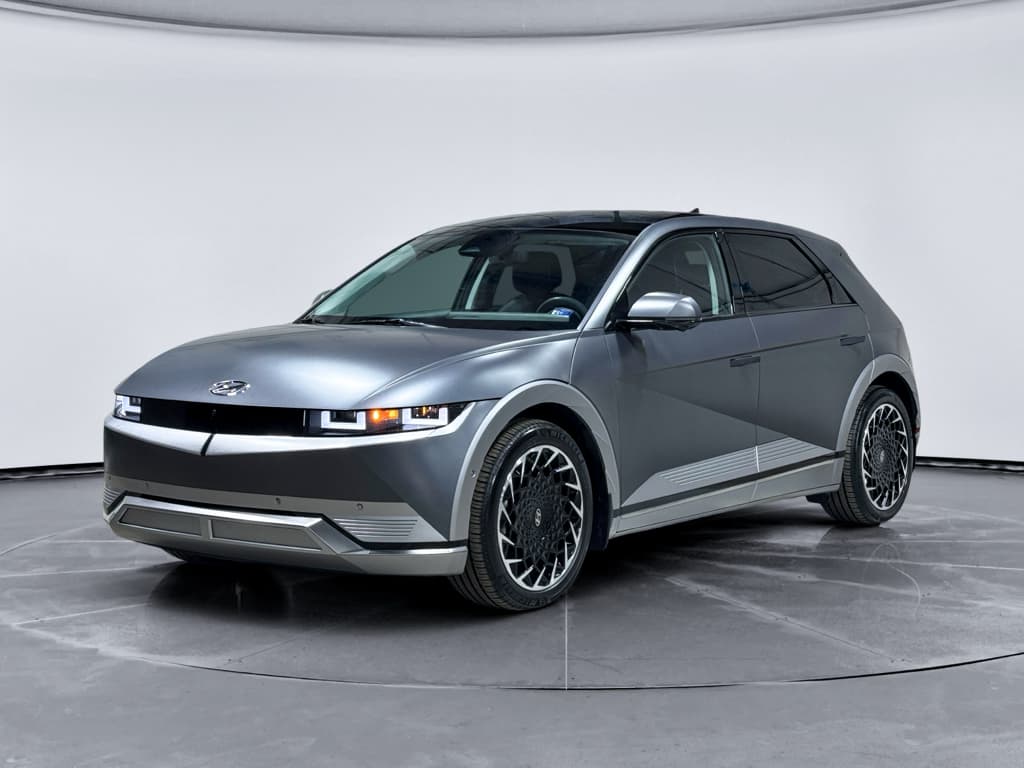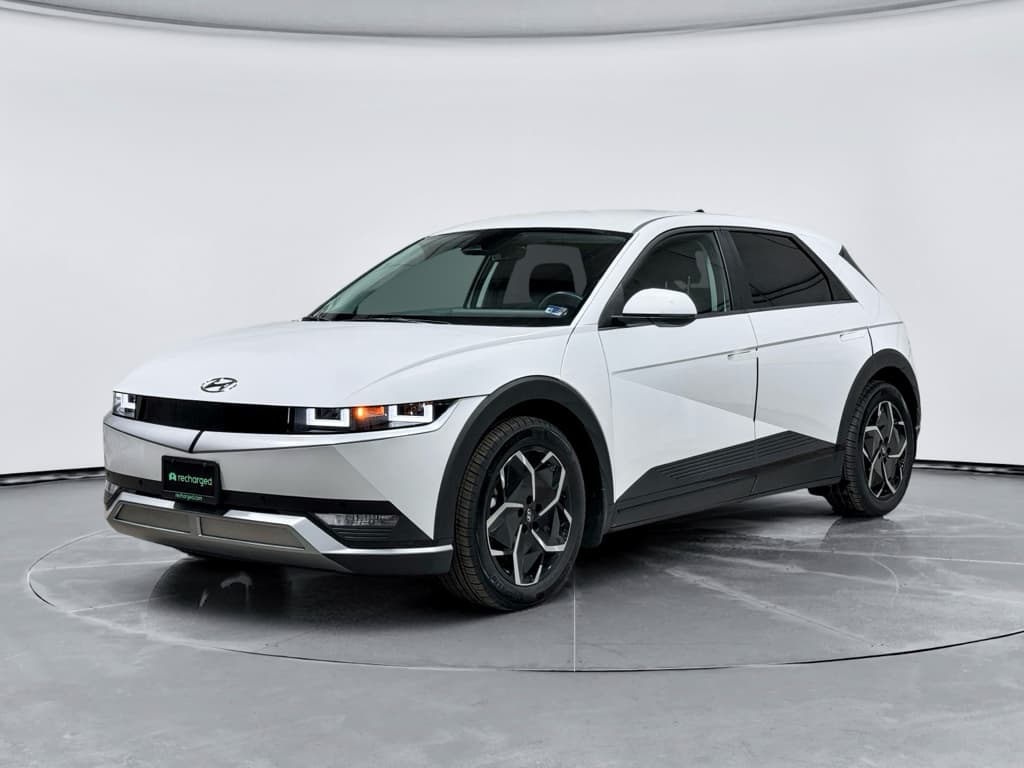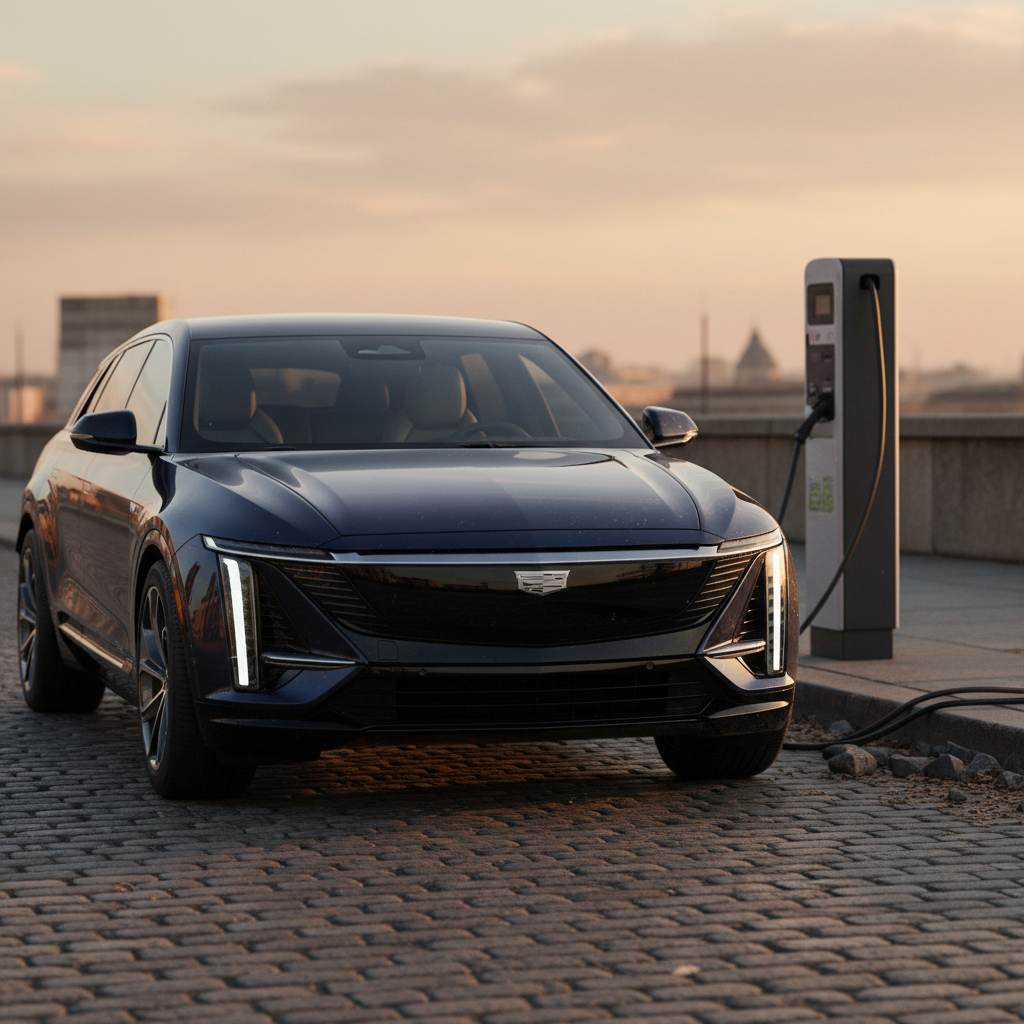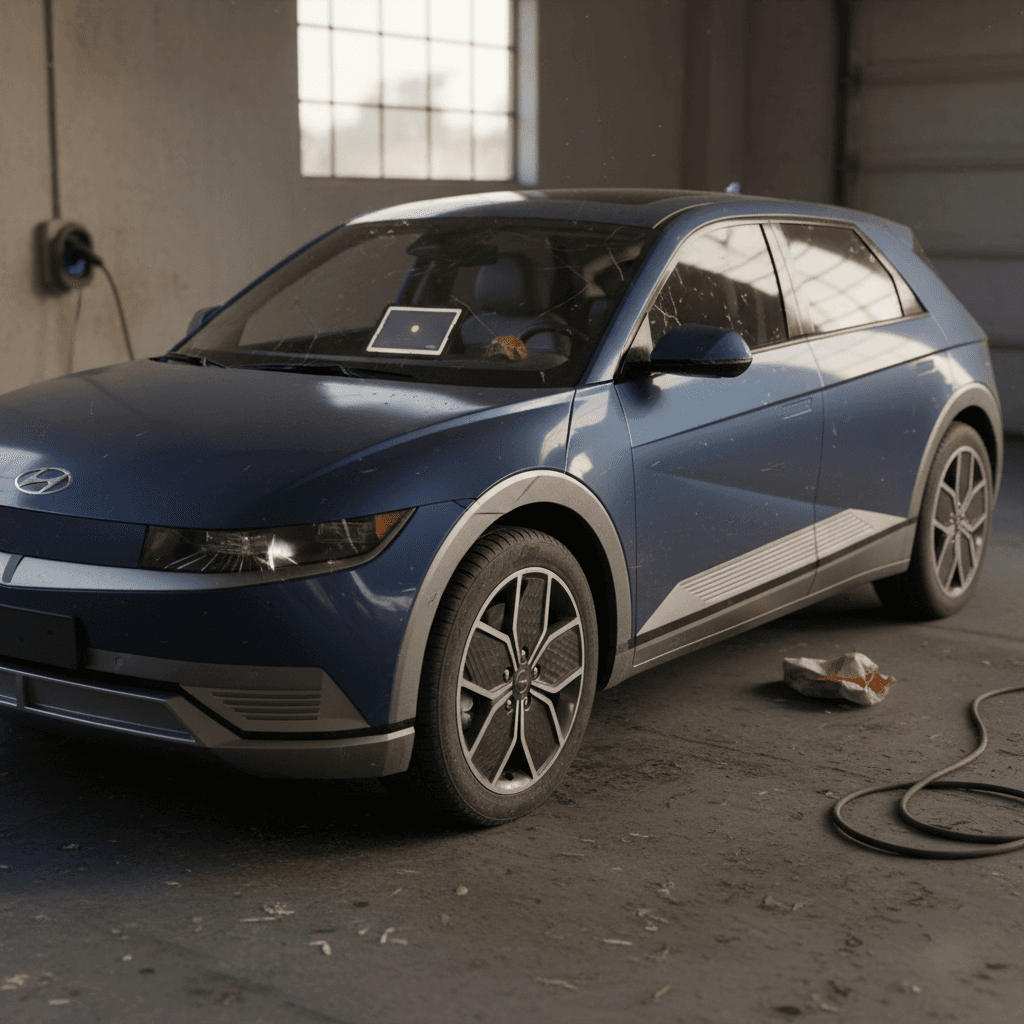
If you’re eyeing a 2023 Hyundai IONIQ 5, especially on the used market, you’ve probably heard about charging glitches, ICCU failures, and 12‑volt battery issues. The 2023 Hyundai IONIQ 5 is one of the most compelling EVs on the road, but owner data and recall activity show some specific 2023 Hyundai IONIQ 5 problems you should understand before you buy or if you already own one.
Quick Take
The Big Picture on 2023 IONIQ 5 Reliability
2023 IONIQ 5 Reliability Snapshot
On paper, the 2023 IONIQ 5 looks like a slam‑dunk: strong range, ultra‑fast DC charging, and a comfortable cabin. In practice, owner surveys and reliability ratings show that 2023 models have more issues than average for modern EVs, especially around the charging system and electrical accessories. That doesn’t mean every IONIQ 5 is a problem child, but it does mean you should be more careful with inspections, software update history, and recall completion, especially if you’re shopping used.
Charging and ICCU Problems on the 2023 IONIQ 5
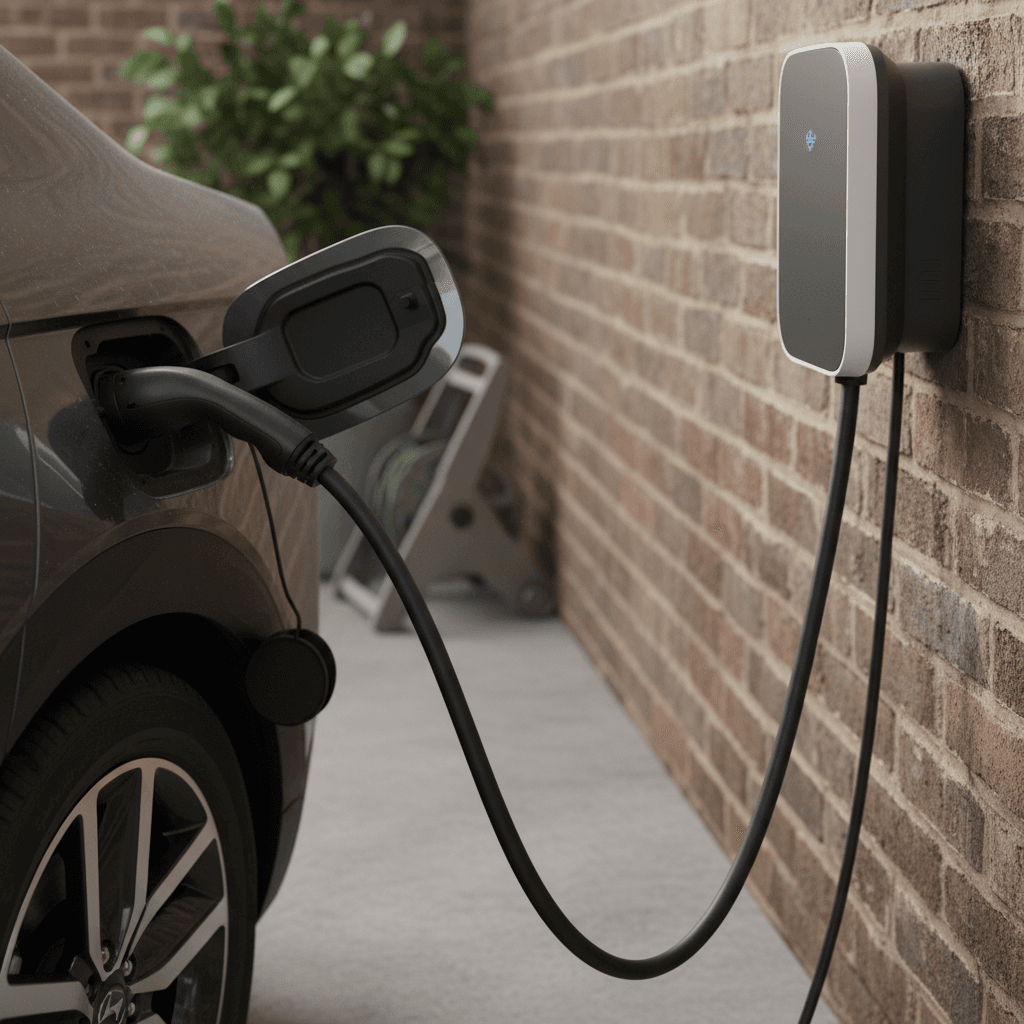
If there’s a single theme to 2023 IONIQ 5 complaints, it’s charging. Many owners report interrupted Level 2 home charging sessions, reduced charging speeds, or outright failures tied to the Integrated Charging Control Unit (ICCU) and related software. Some of these issues are now covered by recalls and service campaigns, but not every used car on the market has been updated yet.
Common 2023 IONIQ 5 Charging Symptoms
What owners most often describe when something’s wrong
Level 2 Sessions Stop Early
Home Level 2 charging starts normally, then stops after 5–30 minutes. Owners often see generic charging errors in the Bluelink app or on the charger itself.
Overheating & Throttling
Some cars throttle charging current way down once the system detects heat at the inlet or plug, dramatically lengthening charge times.
Won’t Charge / DC Limited
In more severe cases, the car refuses AC charging entirely, or DC fast charging is capped well below the advertised peak power until repairs are done.
ICCU & 12V: The Critical Link
Hyundai has issued recall and service actions on the ICCU for 2022–2024 IONIQ 5s to address situations where the module overheats, stops properly charging the 12V battery, or triggers warning lights and limp‑home behavior. The fix usually involves updated software and, if necessary, replacement of the ICCU and its high‑amp fuse. Owners who had the early software ‘band‑aid’ update for Level 2 charging interruptions sometimes report that the latest revisions improve behavior but don’t always fix underlying hardware faults, especially if the inlet or ICCU has been damaged by repeated overheating.
How to Quickly Screen for Charging Issues
12V Battery Failures and No-Start Situations
Modern EVs still rely on an old‑school 12‑volt battery to power computers, relays, and locking systems. On the 2023 IONIQ 5, ICCU faults and software bugs have been linked to premature 12V battery failures and sudden no‑start conditions, sometimes on relatively new cars with modest mileage.
- Vehicle won’t ‘wake up’ or go into Ready mode, even though the high‑voltage pack has charge.
- Door handles may not present or unlock electronically; keyless entry can act dead.
- Instrument cluster and screens remain dark or flicker, then go out.
- Multiple error messages or warning lights appear, followed by limp mode or shutdown.
Why 12V Problems Matter on an EV
Hyundai’s recall work on the ICCU is meant in part to protect the 12V system by preventing over‑current events and by ensuring the 12V stays properly charged. Some owners report that a new 12V battery plus the latest ICCU software ended their troubles; others needed the ICCU itself replaced to gain long‑term stability. If you’re buying used, you want to know which of those paths, if any, the car has already taken.
Drivetrain and Power Loss Issues
Most 2023 IONIQ 5s perform exactly as advertised, but a subset have faced loss‑of‑power incidents tied either to the high‑voltage system or mechanical components. Two areas stand out: the ICCU/12V behavior discussed above and a recall on the rear inner driveshaft for certain 2023 builds.
Powertrain & Power Loss Concerns
Issues that can affect the car’s ability to deliver power or stay in motion
| Issue | What Happens | Risk Level | Typical Fix |
|---|---|---|---|
| ICCU/12V failure | Car enters limp mode or loses drive power; numerous warning lights; may not restart. | High | ICCU inspection/replacement, fuse replacement, software update, new 12V battery if damaged. |
| Rear inner driveshaft recall | Driveshaft can be weakened by incorrect heat treatment, potentially breaking under load. | High | Dealers replace the affected rear inner driveshaft on applicable VINs. |
| Random power drop on DC fast charging | Charging curve flattens or drops well below expected peak, even at low state of charge. | Medium | Software updates, high‑voltage system diagnostics; ensure no active faults. |
Many of these are covered by recalls or warranty, but only if the work has actually been completed.
Always Run a VIN Recall Check
Noise, Leaks, and Build Quality Complaints
Beyond the headline‑grabbing electrical issues, many 2023 IONIQ 5 owners report more traditional nuisances: squeaks, rattles, wind noise, and minor leaks. These don’t usually strand you, but they do affect day‑to‑day satisfaction, especially on a car positioned as a near‑luxury EV.
Common Noise & Leak Complaints
- Squeaking or clunking from the rear hatch area that may require latch or striker adjustments.
- Wind noise from door seals or mirror areas at highway speed.
- Occasional reports of water intrusion around doors or liftgate seals in heavy rain or freezing conditions.
Interior & Trim Issues
- Creaks from the dash or center console over rough pavement.
- Misaligned trim pieces or buzzing from the rear seatbacks.
- Premature wear on soft‑touch surfaces or seat materials in high‑mileage rideshare or commuting duty.
None of these are unique to the IONIQ 5, but they’re worth checking on a test drive, especially on earlier 2023 builds.
How to Hunt for Noises on a Test Drive
Software and Tech Glitches Owners Report
Like most modern EVs, the 2023 IONIQ 5 leans heavily on software. That means over‑the‑air updates and dealer flashes can fix a lot, but it also means glitches are part of the story. Common complaints include intermittent infotainment reboots, laggy camera feeds in cold weather, occasional dropouts in driver‑assist functions, and warning messages tied to sensors obscured by snow or grime.
- Head‑up display or instrument cluster momentarily freezing or going blank, then coming back after a restart.
- Surround‑view or backup cameras going dark or heavily distorted until the car dries or temperatures rise.
- Lane‑keeping assist, adaptive cruise, or blind‑spot systems temporarily disabling themselves when cameras or radar are blocked.
- Bluelink app showing incorrect charging status or error messages when the car is actually charging normally.
Good News: Many Tech Issues Are Software-Driven
Key Recalls and Service Campaigns for the 2023 IONIQ 5
As of early 2026, several recalls and service campaigns touch the 2023 IONIQ 5. Not every vehicle is affected, but you should assume any serious used‑car evaluation includes a recall status check.
Major Recalls & Campaigns Affecting 2023 IONIQ 5
High‑level view of the most important actions to confirm on a used 2023 IONIQ 5
| Area | Typical Symptoms | What Hyundai Does | Why It Matters |
|---|---|---|---|
| ICCU / 12V charging | Charging interruptions, multiple warnings, dead 12V, possible loss of drive power. | Inspects and, if needed, replaces ICCU and high‑amp fuse; installs updated software. | Reduces risk of sudden power loss and chronic 12V failures. |
| Rear inner driveshaft | Clunking, vibration, or sudden loss of drive from rear axle (select VINs). | Replaces rear inner driveshaft assembly on affected vehicles. | Prevents axle breakage under load and loss of propulsion. |
| Instrument cluster / display (later model years) | Blank or frozen instrument display, missing warning icons (primarily 2025–2026). | Software update, sometimes over‑the‑air. | Important context if you’re cross‑shopping newer IONIQ 5s. |
Exact recall IDs and eligibility depend on build date, trim, and VIN, always verify directly with Hyundai or an official database.
How to Check Recall Status in Minutes
What to Check Before Buying a Used 2023 IONIQ 5
Given the mix of strengths and issues, a 2023 IONIQ 5 can be a fantastic used buy, if you vet it carefully. Here’s a focused checklist that goes beyond a quick walk‑around and test drive.
Used 2023 IONIQ 5 Pre-Purchase Checklist
1. Confirm ICCU & Driveshaft Recalls
Ask for service records that show ICCU inspections or replacement, 12V battery replacement (if applicable), and any drivetrain recall work. Cross‑check with an official VIN recall search.
2. Test Level 2 Charging for 20–30 Minutes
If possible, charge at 30–40 amps on a Level 2 station and watch the charging curve. Sudden stops, major throttling, or error messages are red flags that deserve dealer diagnostics before you buy.
3. Inspect 12V Battery Age & Health
Look at the date code on the 12V battery. A nearly new battery on a low‑mileage car can hint at prior issues. Consider having it load‑tested if you’re buying from a private seller.
4. Listen for Noises & Check Seals
During your test drive, listen for squeaks and rattles from the hatch or cabin. After a car wash or rainy day, look for moisture around door sills, hatch, and under floor mats.
5. Verify Software & Infotainment Behavior
Cycle through driver‑assist features, cameras, and infotainment with the car warmed up and again in colder conditions if possible. Ask the seller when the last software update was applied.
6. Get an EV-Specific Battery Health Report
Whenever you’re buying a used EV, an independent high‑voltage battery health check is essential. At Recharged, every EV comes with a <strong>Recharged Score</strong> that measures real battery capacity against original specs.
Leverage Third-Party EV Inspections
When to Walk Away vs. Negotiate on a Problem Car
Not every 2023 IONIQ 5 with a few issues is a lost cause. In fact, cars that already had major components like the ICCU or 12V battery replaced under warranty can be better bets than untouched examples. The key is separating solvable, documented problems from signs of a hard life or ongoing mystery faults.
Usually Safe to Negotiate
- All recalls complete, with paperwork, and no current warning lights.
- One‑time ICCU replacement with no repeat issues reported by the owner.
- Minor squeaks, rattles, or trim defects that don’t affect safety.
- Infotainment quirks that disappear after a software update.
These items can justify a lower price but don’t necessarily mean the car is a long‑term headache.
Consider Walking Away
- Repeated charging failures even after recent software updates.
- Multiple 12V battery replacements in a short time with no clear root cause.
- Active warning lights for the high‑voltage system, powertrain, or brakes.
- Seller can’t or won’t provide service records or recall documentation.
With plenty of IONIQ 5s on the used market, it’s rarely worth gambling on a car with unresolved electrical gremlins.
How Recharged Handles Known IONIQ 5 Issues
Ready to find your next EV?
Browse VehiclesFAQ: 2023 Hyundai IONIQ 5 Problems
Frequently Asked Questions About 2023 IONIQ 5 Problems
Bottom Line: Is the 2023 IONIQ 5 Worth It Used?
The 2023 Hyundai IONIQ 5 is one of the most interesting EVs you can buy right now, new or used. It’s quick, efficient, comfortable, and genuinely distinctive. But it also has a documented pattern of charging system, ICCU/12V, and build‑quality issues that you can’t ignore. If you’re willing to do the homework, verifying recalls, testing Level 2 charging, and getting a proper battery‑health check, a sorted 2023 IONIQ 5 can be a great value, especially as used EV prices soften.
If you’d rather not manage all of that on your own, a specialized used‑EV retailer like Recharged can absorb much of the risk. Every IONIQ 5 we offer comes with a Recharged Score battery report, verified service history, and expert guidance from first click through delivery. That way, you spend less time worrying about what might go wrong, and more time enjoying one of the most compelling electric crossovers on the road.