If you live in North Carolina and you’re thinking about an electric vehicle in 2026, you’ve probably heard a lot of conflicting claims about the North Carolina EV tax credit. Some dealers still talk about “$7,500 off,” friends remember old federal breaks, and news headlines mention programs ending or changing. Let’s reset the picture and look at what’s actually available now, what went away, and how you can still lower the cost of going electric.
Key 2026 takeaway
Overview: North Carolina EV tax credit in 2026
North Carolina EV incentives snapshot for 2026
The short version: North Carolina doesn’t currently give you a state income‑tax credit for buying an EV, and as of late 2025 the well‑known federal credits for new and used EV purchases ended for cars placed in service after September 30, 2025. That’s the bad news.
- a federal tax credit for installing home EV charging equipment (through June 30, 2026),
- North Carolina–administered home energy rebate programs that can indirectly help EV households by reducing energy use elsewhere, and
- selected utility and program incentives for EV charging, solar, and battery storage.
What happened to the federal EV tax credit?
For years, “the EV tax credit” meant the federal Clean Vehicle Credit of up to $7,500 for qualifying new EVs, plus up to $4,000 for certain used EVs. Under changes enacted in 2025, those credits were terminated for vehicles acquired and placed in service after September 30, 2025. In other words, if you didn’t get your qualifying EV into service by that date, you can’t claim that credit for a 2026 purchase.
Before October 1, 2025
- Up to $7,500 federal credit for qualifying new EVs.
- Up to $4,000 credit for eligible used EVs (price and income limits applied).
- Dealers could often apply the credit as cash off at the point of sale.
After September 30, 2025
- No federal purchase credit for new or used EVs acquired and placed in service on or after October 1, 2025.
- Existing rules still apply only to vehicles that met the in‑service deadline.
- The separate EV charger/infrastructure credit continues briefly into 2026.
Watch the in‑service date
Does North Carolina have its own EV tax credit?
Some states, like Colorado and New Jersey, offer generous state‑level rebates or tax credits on top of any federal incentives. North Carolina is not one of those states in 2026. Recent summaries of state EV policies list North Carolina’s EV purchase tax credit at $0, and the state has focused more on registration fees and infrastructure planning than on direct EV purchase subsidies.
How North Carolina compares on EV purchase incentives
Why you hear so many different numbers thrown around
No NC purchase credit
Higher EV fees instead
Focus on infrastructure
Don’t confuse incentives
2026 incentives you can still use in North Carolina
Even without a North Carolina EV tax credit, you still have levers to pull in 2026, especially if you’re willing to think beyond just the vehicle purchase price. Here are the major buckets to look at.
Key 2026 EV‑related incentives for North Carolina residents
These programs aren’t a simple “$7,500 off your car,” but combined they can make EV ownership significantly more affordable.
| Incentive type | Who runs it | What it covers in 2026 | Key deadline/limits |
|---|---|---|---|
| Federal EV charger tax credit (Section 30C) | Federal (IRS) | 30% of the cost of qualifying home EV charging equipment and installation, up to a cap; enhanced benefits if you’re in an eligible low‑income or non‑urban area. | Expires for property placed in service after June 30, 2026. |
| Energy Saver North Carolina rebates (HOMES & HEAR) | NC DEQ with federal funding | Rebates for home energy efficiency upgrades and electrification (heat pumps, insulation, panels, and more). Doesn’t buy you an EV, but frees up budget and can prepare your home for charging. | Phased roll‑out by county; Phase 6 runs through December 2025, with later phases extending into 2026–2027 depending on funding. |
| Utility EV charging and energy programs | Duke Energy and other utilities | Bill credits or incentives tied to managed EV charging, demand‑response, or solar‑plus‑storage programs that can pair well with EV ownership. | Programs can have enrollment caps and may change year to year; check current offerings. |
| Local or employer incentives | Cities, workplaces, universities | Free or discounted workplace/public charging, preferred parking, or small rebates tied to specific initiatives. | Highly local; no single statewide rule, ask HR or your local sustainability office. |
Always confirm details with the IRS, the North Carolina Department of Environmental Quality (NC DEQ), and your utility before you commit.
Use the charger credit while it lasts
1. Federal EV charger tax credit in 2026
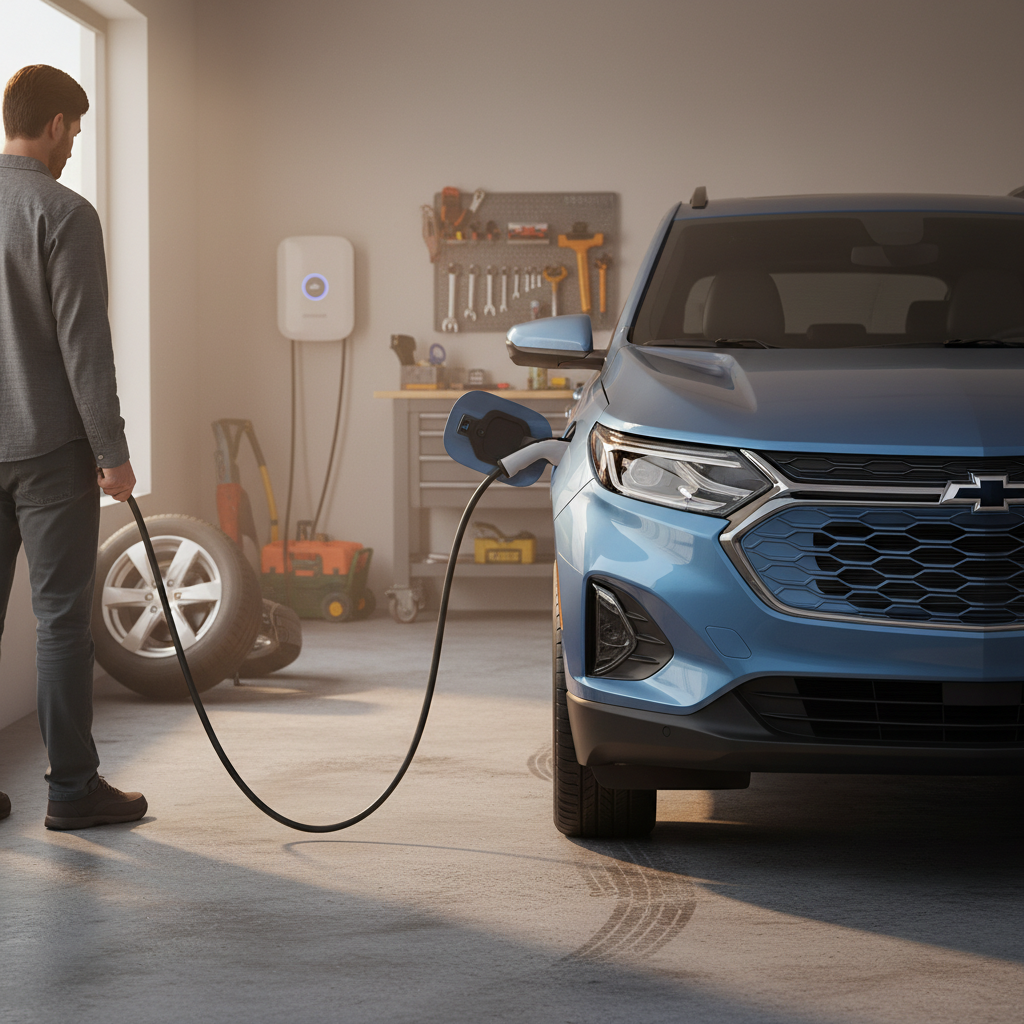
The federal Alternative Fuel Vehicle Refueling Property Credit, commonly called the EV charger tax credit, survived the 2025 changes, but only for a limited time. In 2026, most individual taxpayers can still claim a credit of up to 30% of the cost of qualifying home EV charging equipment, subject to dollar caps and new rules that focus on certain geographic areas and income levels. That credit is scheduled to expire for property placed in service after June 30, 2026.
- Covers qualifying hardware and, in many cases, associated installation costs (wiring, panel work, etc.).
- Designed for chargers installed at your primary residence; commercial rules differ.
- Works best when you coordinate timing so the charger is fully installed and operational before June 30, 2026.
- You’ll need receipts and documentation showing costs and when the charger was placed in service.
2. Energy Saver North Carolina home rebates
North Carolina is rolling out Energy Saver North Carolina rebates funded by federal HOMES and HEAR programs. These are aimed at whole‑home energy efficiency and electrification, not cars. But for many households, they can indirectly support EV ownership by reducing your overall energy bill and helping you upgrade the backbone of your electrical system.
How home rebates can help EV owners
Even if they don’t mention EVs by name
Lower monthly utility bills
Upgrade electrical capacity
3. Utility and program incentives
Duke Energy and other North Carolina utilities have experimented with multiple EV‑related offerings, charger prep credits, managed‑charging tariffs, and solar‑plus‑storage incentives. The details evolve, but the theme is consistent: utilities want EV drivers to charge off‑peak and, in some programs, let them tap your battery or home storage a limited number of times per year to avoid building new plants.
Why utility programs matter
North Carolina costs to know: EV fees and charges
Incentives are only half the story. To make a smart decision in 2026, you also need to understand what North Carolina will charge you for owning an EV.
Typical ongoing costs for NC EV owners
Key state‑level and usage‑based costs you should factor into your budget.
| Cost type | Who charges it | What it is | Why it exists |
|---|---|---|---|
| EV registration surcharge | State of North Carolina | An extra annual registration fee for plug‑in EVs (recently around $214.50) on top of regular plate and tag fees. | Designed to replace some of the gas tax EVs don’t pay at the pump. |
| Charging costs at home | Your utility | The per‑kWh rate you pay to charge at home; often cheapest when charging off‑peak if time‑of‑use rates are available. | Reflects wholesale power costs and grid demand; EV‑specific rates are emerging in some territories. |
| Public DC fast charging prices | Charging networks | Per‑kWh or per‑minute pricing at highway fast‑charging stations. Higher than home charging but still often cheaper than gasoline. | Covers equipment, maintenance, demand charges, and profit for the station operator. |
Exact numbers can change with legislation or inflation adjustments; check the NC DMV and your utility for current figures before you buy.
Don’t ignore EV registration fees
Strategy: New vs. used EV in 2026
In the heyday of the federal Clean Vehicle Credit, new EVs often looked more attractive than used because tax credits narrowed the price gap. With those credits gone for 2026 purchases, the calculus in North Carolina shifts. Used EVs, especially 2‑ to 5‑year‑old models, now deserve a hard look.
When a new EV can still make sense
- You drive high annual miles and value the latest range and fast‑charging speeds.
- You can pair the EV with home solar or storage and specific utility programs.
- You’re less sensitive to rapid first‑owner depreciation.
Why used EVs look stronger now
- Initial depreciation is already baked into the price, so you’re not counting on a tax credit to make the math work.
- Many 3–5‑year‑old EVs still have very usable range for daily NC driving.
- With tools like the Recharged Score battery health report, you can verify pack condition before you commit.
Make battery health your #1 used‑EV question
Step-by-step: How to claim available credits and rebates
Your 2026 EV incentives checklist in North Carolina
1. Confirm you aren’t relying on a dead federal vehicle credit
If a dealer or ad is still talking about a <strong>$7,500 federal EV credit</strong>, ask pointed questions. For a car placed in service in 2026, that credit is gone under current law. Get any incentive claims in writing and review them with a tax professional if you’re unsure.
2. Decide whether to install a Level 2 home charger in 2026
If home charging is feasible, talk with a licensed electrician early. Ask them to quote hardware plus installation and to schedule work so your charger is <strong>fully installed before June 30, 2026</strong>, in time to qualify for the remaining federal charger credit.
3. Check if you live in an eligible area for the charger credit
Because the latest rules steer extra benefits toward <strong>low‑income and non‑urban census tracts</strong>, your address matters. Use online mapping tools or ask your tax preparer to confirm your eligibility before assuming you’ll get the full 30%.
4. Explore Energy Saver North Carolina rebates
Visit NC DEQ’s <strong>Energy Saver North Carolina</strong> resources and look up which phase your county is in. Plan home upgrades, like insulation or panel work, that support EV charging while qualifying for rebates.
5. Call your utility about EV and home energy programs
Ask about <strong>time‑of‑use rates, managed EV charging programs, or solar‑plus‑storage incentives</strong> that apply in your specific service territory. Some have enrollment caps, so it pays to get on the list early.
6. Keep meticulous records
Save <strong>invoices, permits, proof of payment, and completion dates</strong> for any charger installation or home upgrade. You’ll need them both for your tax return and for any state‑administered rebate paperwork.
How Recharged helps NC drivers in a post‑credit world
In a world without a big federal EV purchase credit, the job of the shopper changes. Instead of waiting for a government incentive to make a shaky deal look good, you want to start with a fairly priced vehicle with a healthy battery, then layer on the remaining credits, rebates, and utility programs where they make sense.
Ways Recharged can simplify EV ownership in North Carolina
From the first search to your first charge at home
Transparent used EV inventory
Financing & trade‑in support
Charger planning & delivery help
Ready to find your next EV?
Browse Vehicles
Frequently asked questions: North Carolina EV tax credit 2026
North Carolina EV tax credit 2026 FAQ
Bottom line for North Carolina EV shoppers in 2026
The days of casually assuming you’ll knock $7,500 off any EV with a federal tax credit are over, especially in North Carolina, which doesn’t layer on its own state EV tax credit in 2026. But that doesn’t mean EV ownership stopped making financial sense. It just means the math changed.
If you’re serious about going electric this year, focus on finding the right vehicle at the right price, often a well‑vetted used EV, then build a plan around home charging, the expiring federal charger credit, Energy Saver North Carolina rebates, and any utility programs available in your area. Taken together, those levers can deliver years of lower fuel and maintenance costs, even without a headline‑grabbing purchase credit.
Recharged was built for exactly this environment: a marketplace where clarity, battery transparency, and fair pricing matter more than ever. When you’re ready, you can browse used EVs with verified battery health, explore financing and trade‑in options, and have your next car delivered to your driveway in North Carolina, with an ownership plan that makes sense in a post‑credit world.