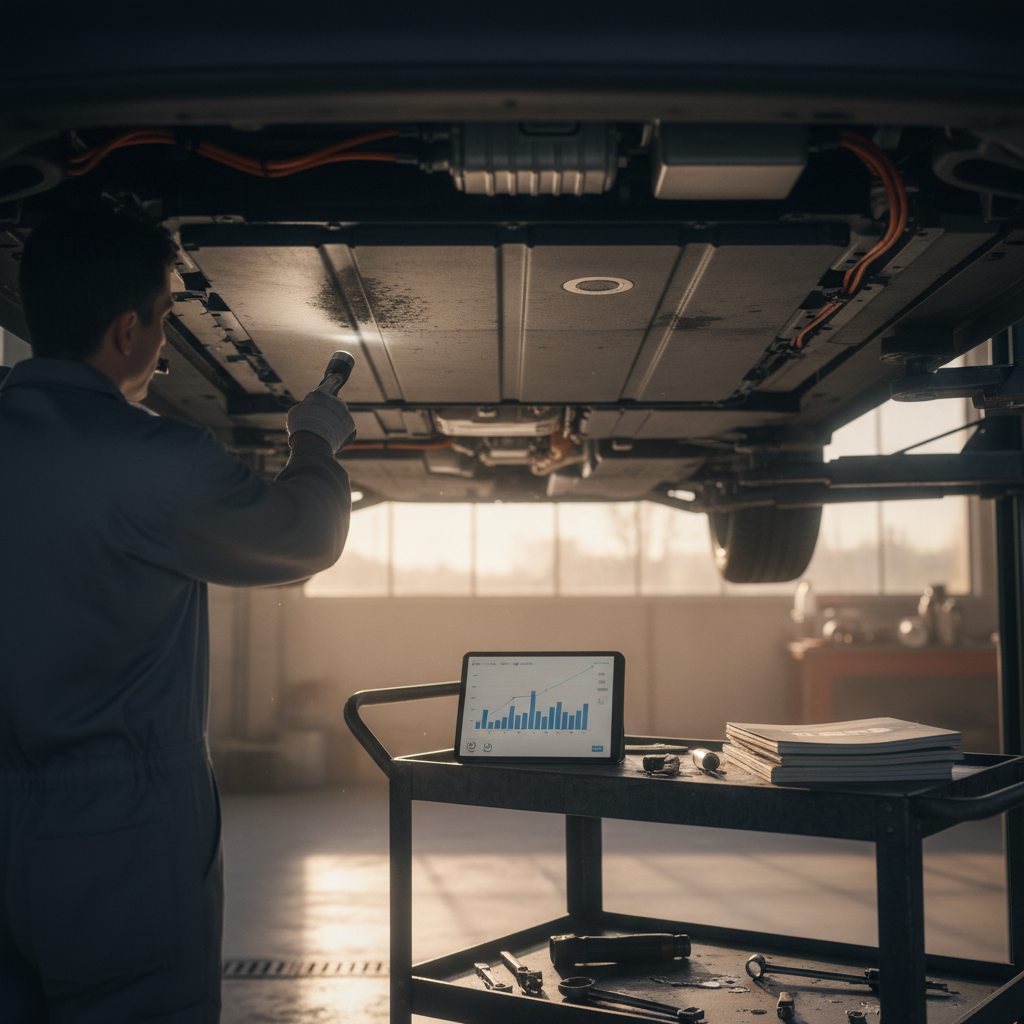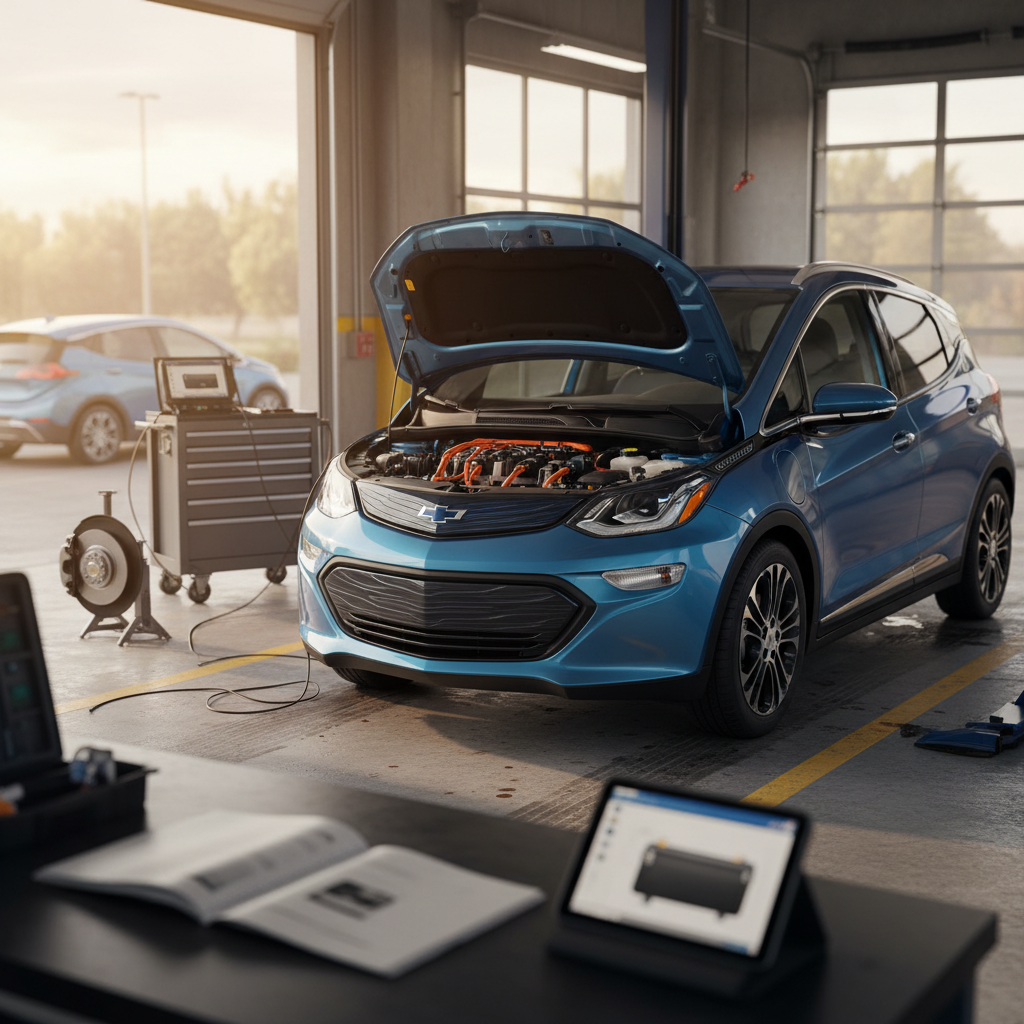
If you’re cross-shopping the Kia Niro EV against a gas crossover, the big question is simple: **what does Kia Niro EV maintenance cost** in the real world? The short answer: it’s generally lower than a comparable gas SUV, but you’ll still see real bills for tires, brake fluid, coolant and inspections over time.
Key takeaway
Kia Niro EV maintenance cost at a glance
Kia Niro EV maintenance by the numbers (estimates)
Exact numbers will vary with **mileage, climate, tire choice, and how often you use DC fast charging**, but those ballparks capture what most Niro EV drivers will actually see over a normal ownership window.
How much does Kia Niro EV maintenance cost per year?
To anchor the discussion, it helps to combine model‑specific data with broader EV ownership research and then translate it into an annual number for a typical U.S. driver.
1. What third‑party data suggests
Five‑year cost‑to‑own tools from major valuation sites show **roughly $4,500–$5,000 in maintenance** over the first five years for a new small EV like the Kia Niro EV. That lines up with broader EV research that puts routine maintenance around **3–6 cents per mile** once you strip out engine work.
At 12,000–15,000 miles per year, that usually lands between **$600 and $900 per year** in scheduled maintenance and wear items.
2. A realistic working estimate
For budgeting purposes, most owners can safely plan on:
- $600–$800/year if you keep things basic, rotate tires at a tire shop, and DIY the cabin air filter.
- $800–$1,000+/year if you drive more than 15,000 miles, choose premium tires, or have the dealer handle everything.
That range includes tire rotations, cabin air filters, periodic brake fluid and coolant service, plus the odd alignment or wiper replacement.
How to sanity‑check these numbers
Kia Niro EV maintenance schedule and what’s included
Kia doesn’t ask for much on the Niro EV compared with the hybrid or gas Niro. There’s no oil to change and no spark plugs to replace, but there *is* a clear service cadence you’ll want to follow to protect the warranty and keep the car feeling fresh.
Typical Kia Niro EV maintenance schedule (U.S. market)
Representative service intervals based on dealer maintenance schedules and owner’s‑manual style guidance. Always verify against your specific model year and manual.
| Mileage / Time | Key Service Items | Notes |
|---|---|---|
| Every 7,500–8,000 miles or 12 months | Tire rotation; multi‑point inspection; inspect brake fluid; initial cabin air filter check | This is your core recurring visit. Some owners handle tire rotations at independent shops instead of the dealer. |
| Every 15,000–16,000 miles or ~24 months | Tire rotation; replace cabin air (climate control) filter | Easy DIY job if you’re comfortable with glovebox trim. |
| Every 24,000 miles or 24 months | Inspect drive shafts and boots; confirm reduction gear and cooling system have no leaks | Typically inspection only; parts replacement is uncommon this early. |
| Every 32,000 miles or 48 months | Inspect reduction gear fluid | Only replaced sooner under severe‑use conditions. |
| Every 48,000 miles or about 4 years | Replace brake fluid | Important on EVs because the fluid can absorb moisture over time even if pads last longer. |
| 120,000 miles or 10 years | Replace battery coolant | Major but infrequent service; usually the most expensive single maintenance item outside of tires. |
| 144,000 miles and then every 24,000 miles or 2 years after initial coolant change | Replace coolant again | Long‑term ownership item; many first owners won’t see this step. |
Core Kia Niro EV maintenance items center on tires, inspections, brake fluid, and coolant.
Check your specific manual
Common Kia Niro EV wear items (and what they cost)
Where do Niro EV owners actually spend money? The pattern looks familiar across most small EVs: **tires first, then fluids and filters, with brakes arriving later than you might be used to from gas cars.**
Typical Kia Niro EV wear items and price ranges
Ballpark U.S. pricing at non‑luxury shops and dealers; local rates will vary.
Tires
When: Often 25,000–40,000 miles on OEM tires, depending on driving style.
What you’ll pay: Roughly $700–$1,200 for a full set of quality all‑season tires mounted and balanced on a Niro EV.
EVs are heavier and have strong instant torque, so they can be a bit harder on tires than comparable gas SUVs.
Cabin air filter
When: About every 15,000–24,000 miles or every 2 years.
What you’ll pay: Dealer pricing often lands around $60–$120 installed; DIY with an aftermarket filter can be **$15–$40**.
Swapping the filter is typically a 5–10 minute glovebox job.
Brake fluid
When: Around 48,000 miles or 4 years.
What you’ll pay: Commonly $120–$200 at a Kia dealer or independent EV‑savvy shop.
Even though regenerative braking reduces pad wear, the fluid still ages and needs refreshing.
Brake pads & rotors
When: Many EV drivers see well over 60,000–80,000 miles on original pads.
What you’ll pay: A front or rear brake job usually costs **$300–$600 per axle**, depending on parts and shop rates.
Thanks to regen, brake work is less frequent than on a gas equivalent.
Coolant service
When: Around 120,000 miles or 10 years for the high‑voltage battery and related systems.
What you’ll pay: Expect roughly $400–$800 for a full coolant service, depending on labor time and coolant volume.
12‑volt battery
When: Typically 4–6 years, similar to a gas car.
What you’ll pay: Around $150–$300 installed.
If you’re buying used, check whether the 12‑volt has already been replaced.
Kia Niro EV maintenance cost vs a comparable gas SUV
So how does the **Kia Niro EV maintenance cost** picture stack up against a conventional compact SUV or crossover? When you back out oil changes, spark plugs, exhaust work and transmission services, the Niro EV gains a clear advantage over time.
Where the Niro EV is cheaper
- No engine oil or filters: That wipes out 2–3 oil changes a year, plus occasional engine air filters.
- Less frequent brake jobs: Regenerative braking handles most deceleration, so pads and rotors can last far longer than on a gas Niro or similar SUV.
- Fewer moving parts: No timing belt, exhaust system, fuel injectors, or transmission with dozens of wear‑prone components.
Over a five‑year window, that’s typically worth **several hundred to a couple thousand dollars** in avoided service compared with a gas crossover.
Where costs look similar
- Tires: You’ll still buy tires, and the EV’s weight/torque can offset some of the savings from smoother driving.
- Suspension & alignment: Potholes don’t care what’s under the hood. Budget for occasional alignments or suspension work, same as any small SUV.
- Fluids & filters: Brake fluid, coolant and cabin filters show up on both gas and electric maintenance menus, just on slightly different timetables.
Big picture
Maintenance tips if you’re buying a used Kia Niro EV
On the used side of the market, the Niro EV is popular with shoppers who want **mainstream comfort plus EV savings** without paying new‑car money. Maintenance history becomes a big part of that equation.
Used Kia Niro EV maintenance checks
1. Confirm the basic service cadence
Ask for records showing **tire rotations around every 7,500–8,000 miles** and cabin air filter replacements every 15,000–24,000 miles. Gaps here aren’t a deal‑breaker but can hint at overall care.
2. Look for brake fluid service around 4 years
For earlier model years, check whether **brake fluid was replaced around 48,000 miles or year 4**. If not, plan to do it soon after purchase.
3. Ask about the 12‑volt battery
A weak 12‑volt can cause odd warning lights even when the high‑voltage pack is healthy. On a 4–6‑year‑old Niro EV, verify whether the **12‑volt battery has already been replaced**.
4. Check tires for remaining life
Uneven tire wear can indicate alignment issues or hard driving. Factor **near‑term tire replacement (often $700–$1,200)** into your total cost if tread is low.
5. Verify coolant service timing
Most Niro EVs on today’s used market won’t be at the **120,000‑mile coolant interval** yet, but high‑milers might be getting close. Know whether you’ll be on the hook soon.
6. Review recall and warranty work
Confirm that any applicable Kia recalls and service campaigns have been completed and that the **battery and drivetrain warranty** status is clearly documented.
How Recharged can help on the used side
How to keep Kia Niro EV maintenance costs low
You can’t avoid every bill, but you can absolutely influence what you spend over time. Here’s how Niro EV owners typically keep maintenance costs in the “pleasant surprise” zone.
Practical ways to reduce Niro EV maintenance cost
Most of these tips apply whether you own new or used.
Use independent shops for basics
You don’t have to visit the Kia dealer for every visit, especially once you’re out of warranty. **Tire rotations, alignments, and cabin air filters** can easily be handled by independent tire shops or general repair facilities at lower hourly rates.
Follow, don’t over‑follow, the schedule
Stick to Kia’s official intervals, but be cautious about add‑ons. Decline **engine‑style services you don’t need** (like fuel system cleaners) and ask the advisor to show you where each recommendation appears in the EV maintenance schedule.
Drive smoothly and watch tire pressures
Heavy acceleration and under‑inflated tires both chew through rubber. Using **eco modes**, gentle launches, and monthly tire‑pressure checks can easily buy you another year or more from a set of tires.
Favor home charging when possible
Routine **Level 2 home charging** is generally easier on the battery pack than constant high‑power DC fast charging. That’s more about preserving long‑term range and avoiding out‑of‑warranty surprises than routine maintenance, but it all ties into your cost of ownership.
Bundle work when it’s time anyway
Warranty, recalls, and what Kia actually covers
Warranty coverage is a big part of the **Kia Niro EV maintenance cost** story, especially on newer models. The major systems that could generate four‑figure repair bills, the high‑voltage battery and electric drive components, carry longer coverage than wear‑and‑tear items.
- Most Niro EVs include a **battery warranty of 8–10 years and around 100,000 miles** (consult your specific model year for exact terms).
- Electric motor and related high‑voltage components are typically covered under a longer powertrain warranty than general bumper‑to‑bumper coverage.
- Wear items such as brake pads, tires, wipers, cabin filters and 12‑volt batteries are considered **owner maintenance** and not covered long‑term.
- Service campaigns and recalls, such as those related to wiring harnesses or control modules, are completed **at no charge** to the owner at Kia dealers.
Don’t skip documentation
Kia Niro EV maintenance cost: FAQ
Frequently asked questions about Kia Niro EV maintenance costs
Bottom line: Is Kia Niro EV maintenance expensive?
If you’re trying to forecast **Kia Niro EV maintenance cost** before signing a purchase or lease, the answer is reassuring. For most U.S. drivers, the Niro EV is **cheaper to maintain than a comparable gas crossover**, with predictable service intervals and very few surprises in the first 5–8 years. Your biggest checks are likely to be for tires and, later on, a brake fluid and coolant service, nothing like the complexity and expense of a modern turbocharged gas engine.
If you’re shopping used, that’s where Recharged can help most. Every EV on our marketplace comes with a **Recharged Score battery‑health report, verified history, and transparent pricing**, so you can see not just what the Kia Niro EV will cost you today, but what it’s likely to cost to maintain over the years you own it.