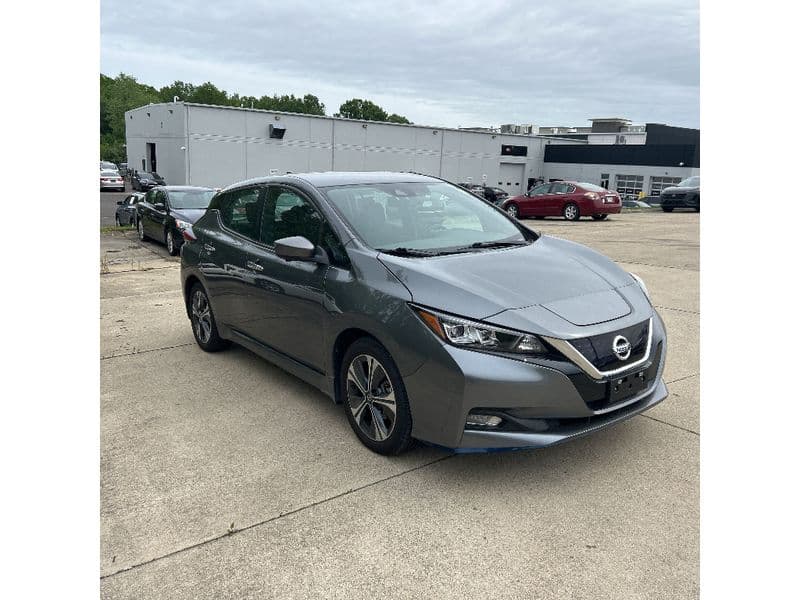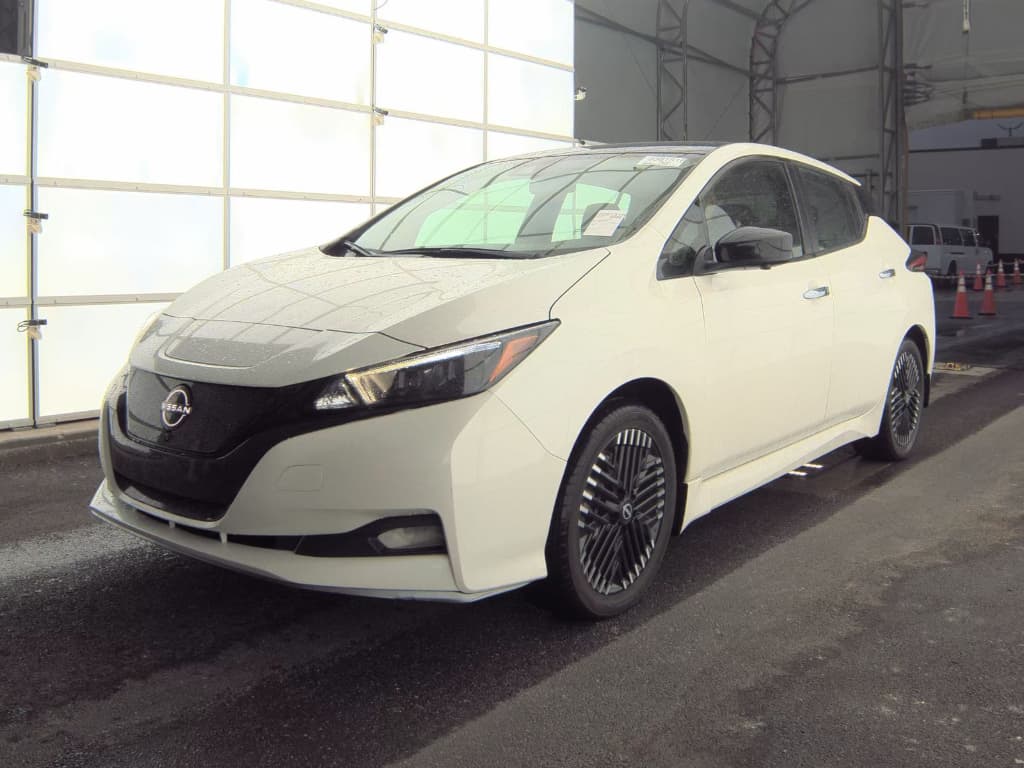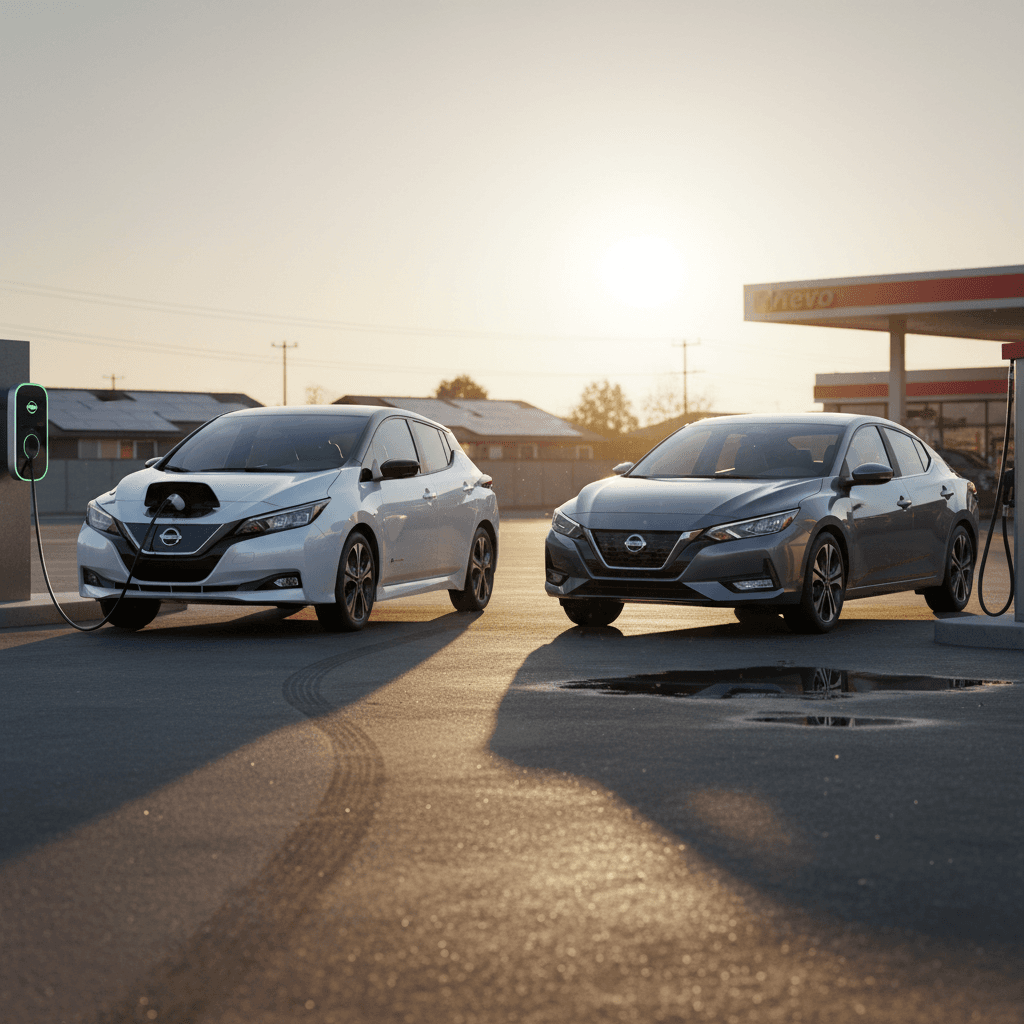
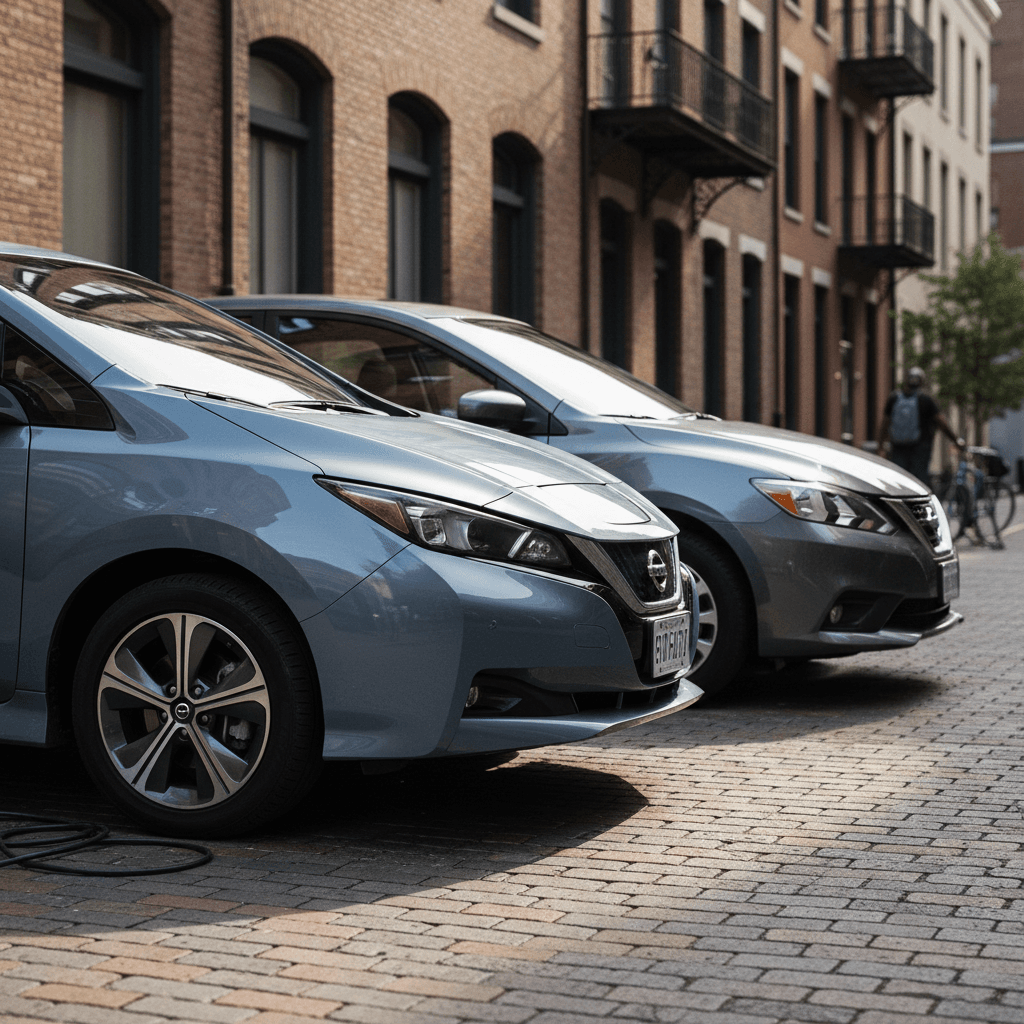
You’re comparing a Nissan Leaf to a Nissan Sentra for your next car and wondering which one you should actually buy. On paper they’re similar-size compact Nissans, but under the skin they couldn’t be more different: one’s an all‑electric hatchback, the other a gas-powered sedan. The right choice comes down to how you drive, where you live, and how long you plan to keep the car, especially if you’re shopping used.
Leaf vs. Sentra in one sentence
Nissan Leaf vs. Nissan Sentra: Quick Overview
High-level comparison: used Nissan Leaf vs. Nissan Sentra
Typical specs and ownership traits for recent-model used Leafs and Sentras in the U.S. market.
| Typical Used Nissan Leaf (2018–2024) | Typical Used Nissan Sentra (2019–2024) | |
|---|---|---|
| Powertrain | Full battery-electric, FWD | 2.0L 4‑cyl gas, CVT, FWD |
| Fuel/energy | Electricity only | Regular unleaded gas |
| Realistic range/MPG | ~140–215 miles per charge, 3.0–4.0 mi/kWh | 33 mpg combined (roughly) |
| Best use case | Daily commuting, city/suburb errands | Mixed city/highway, long‑distance flexibility |
| Refueling | Home charging + public charging | Gas stations everywhere |
| Maintenance | Very low (no oil, fewer wear items) | Typical compact sedan maintenance |
| Noise/ride | Very quiet, smooth | More engine/CVT noise, still comfortable |
| Purchase price (used) | Often similar to or cheaper than comparable gas compacts | Wide supply, generally affordable, strong mainstream choice |
Exact numbers vary by model year and trim; this table captures the most common setups shoppers cross‑shop in 2024–2026.
How to think about this comparison
Pricing, Incentives & Used Market Reality
New pricing moves every model year, but for most shoppers this is really a used-car decision. Both the Leaf and the Sentra depreciate faster than some rivals, which can be good news for you as a used buyer.
How Leaf and Sentra typically price out
Assuming clean-title, average-mileage cars in good condition from recent model years.
Used Nissan Leaf pricing
- Older Leafs (2015–2018) often sell for compact‑car money, sometimes less than similar Sentras.
- Newer 40 kWh and 60+ kWh Leafs (2019–2024) are usually priced like well‑equipped compact sedans.
- Some markets still offer EV purchase or utility incentives that effectively lower your cost further.
Used Nissan Sentra pricing
- Late‑model Sentras are plentiful in the used market, with prices spanning basic S trims to well‑equipped SRs.
- Depreciation is steeper than on a Civic or Corolla, so you can often get a newer model year for the same money.
- No fuel‑type incentives, but insurance and registration are straightforward and familiar.
Where Recharged fits in
Fuel vs. Electricity: What You’ll Really Spend
Energy cost is where an electric Leaf can quietly out‑perform a Sentra month after month, especially if you can plug in at home at a reasonable electricity rate.
Typical energy costs for Leaf vs. Sentra (U.S. averages)
These are ballpark numbers, but the pattern is clear: electricity is usually cheaper per mile than gasoline. That edge shrinks if you rely heavily on pricey DC fast charging, but grows if your local utility offers off‑peak EV rates.
When the Sentra may cost less to run
Range vs. MPG: How Far Can You Go?
Nissan Leaf range in the real world
Most recent‑generation Leafs in the used market fall into two buckets:
- 40 kWh Leafs (many 2018–2024 cars): EPA around 149 miles, with many owners seeing 120–150 miles depending on weather and speed.
- 60–62 kWh Leafs ("Plus" models): EPA around 215–225 miles when new, with typical real‑world range often near 180–210 miles in mixed driving.
Battery age and climate matter. A well‑kept Leaf in a mild climate can still be a very usable commuter even years into its life.
Nissan Sentra fuel economy and range
Recent Sentras with the 2.0‑liter engine and CVT commonly deliver around 33 mpg combined in EPA ratings.
- With a roughly 12‑gallon tank, that’s about 350–400 miles per fill‑up.
- Refueling takes a few minutes almost anywhere in the country.
If you frequently drive several hundred miles in a day or don’t want to think about charging stops, the Sentra still has the edge in sheer go‑anywhere convenience.
Daily Livability, Space & Comfort
Both cars are compact, but they serve space differently. The Leaf is a tall hatchback, while the Sentra is a lower, more traditional sedan. That shapes how they fit your life.
Practical differences you’ll notice day to day
Hatchback flexibility vs. sedan familiarity.
Living with a Leaf
- Hatchback design makes it easy to load bikes, strollers, or bulky boxes.
- Upright seating and big windows give a "small crossover" feel and great visibility.
- Rear seats fold, making the Leaf feel more useful than its footprint suggests.
- Cabin noise is extremely low around town because there’s no engine.
Living with a Sentra
- Traditional sedan trunk keeps cargo out of sight and often feels more secure in urban parking.
- Recent Sentras have comfortable front seats and competitive rear legroom for the class.
- Lower ride height can feel more "normal" if you’re coming from another compact sedan.
- On the highway, engine and CVT noise are noticeable but not out of line with the class.
Think about your cargo, not just passengers
Performance, Driving Feel & Noise
Neither the Leaf nor the Sentra is a performance car, but they feel very different behind the wheel.
How the Leaf drives
- Instant torque from the electric motor makes the Leaf feel punchy off the line around town.
- It’s smooth and quiet, no gear changes, no idle vibration.
- Many Leafs offer strong regenerative braking or "one‑pedal" driving, which some drivers grow to love.
- On the highway, power is adequate, but a Leaf isn’t built for sustained high‑speed blasts or mountains with a full load.
How the Sentra drives
- The 2.0‑liter 4‑cyl/CVT combo is tuned more for economy than excitement.
- Acceleration is acceptable but not brisk; the CVT can drone under hard throttle.
- Steering and ride are comfortable and predictable, just what you expect from a mainstream compact sedan.
- Because you can refuel quickly, the Sentra stays in its comfort zone on long freeway days where a Leaf would need careful planning.
Who will like the Leaf’s driving experience
Reliability, Battery Health & Maintenance
This is where a lot of shoppers hesitate on the Leaf: they’re comfortable judging a used gas car like a Sentra, but aren’t sure how to think about high‑voltage batteries and EV reliability.
Long-term ownership: Leaf vs. Sentra
Engines wear out differently than batteries.
Nissan Leaf reliability & battery health
- Electric drivetrains are mechanically simple: no oil changes, timing belts, or exhaust systems.
- The big question is battery health. Capacity gradually drops over time, especially in very hot climates.
- Later Leafs (40 kWh and up) carry extended battery warranties from new, but used cars may be near the end of that window.
- Real‑world data show many Leafs still delivering useful commuting range after years, but older/high‑mileage cars deserve a careful battery check.
Nissan Sentra reliability & maintenance
- Recent Sentras have average reliability and typical compact‑car maintenance needs.
- You’ll budget for oil changes, transmission fluid, filters, spark plugs, and more moving parts overall.
- The upside is familiarity, any independent shop can work on a Sentra, and parts are widely available.
- No large, expensive battery pack to worry about, but long‑term CVT durability is something many buyers keep an eye on.
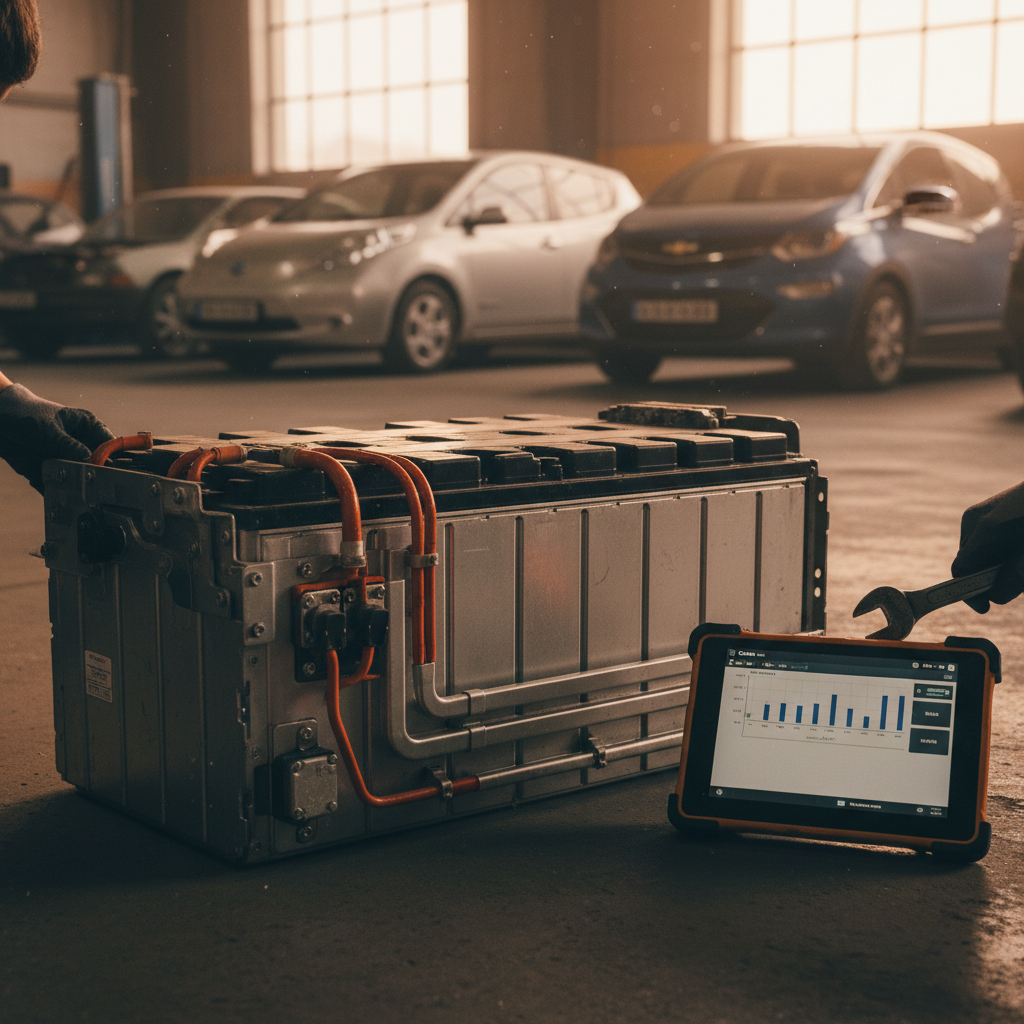
Don’t buy a Leaf without checking the battery
On maintenance costs alone, the Leaf usually wins. Fewer fluids, no exhaust or complex automatic transmission, and reduced brake wear thanks to regenerative braking all work in your favor. The trade‑off is that you must go in with eyes open about battery health and remaining warranty coverage.
Charging an EV vs. Filling Up with Gas
Living happily with a Leaf depends heavily on your charging situation. With a Sentra, you already know the routine: stop at any gas station, swipe a card, and go.
What charging a Leaf really looks like
1. Home charging setup
The ideal Leaf owner has access to at least a standard 120‑volt outlet (Level 1) where they park, and preferably a 240‑volt Level 2 charger. Level 2 typically refills a Leaf overnight from low state of charge.
2. Time vs. convenience
Charging at home happens while you sleep or work. You don’t stand next to the car, but you do need to plan around the fact that adding 150+ miles of range takes hours, not minutes.
3. Public charging network
If you road‑trip in a Leaf, you’ll lean on public DC fast chargers. Coverage is good in some corridors and patchier in others, and charging speeds vary by station and temperature.
4. Apartment and street parking realities
If you live in an apartment without dedicated parking, or rely on street parking, making a Leaf work can be challenging unless your building or workplace offers charging.
5. Sentra’s refueling advantage
With the Sentra, your experience never really changes: a few minutes at any gas station gets you another 350–400 miles, with no apps, charging curves, or plug standards to think about.
If you can’t charge at home, think hard
Nissan Leaf vs Nissan Sentra: Which Should You Buy?
You should lean toward a Nissan Leaf if…
- You can reliably charge at home (driveway or garage) or at work.
- You mostly drive local trips and commutes under 70–80 miles a day.
- You value low running costs and like the idea of skipping gas stations.
- Quiet, smooth driving matters more to you than highway range.
- You’re open to planning ahead a bit more for the occasional long trip.
In that world, a healthy‑battery Leaf can be the cheapest and nicest‑to‑drive commuter you’ve ever owned.
You should lean toward a Nissan Sentra if…
- You can’t install home charging or park near an outlet.
- You often drive long distances or spontaneous road trips.
- You want simple, familiar ownership with any mechanic able to help.
- You live in an area with limited public charging.
- You’re not ready to think about battery health or plug standards.
In those scenarios, the Sentra’s ability to go anywhere on short notice without planning is worth more than the Leaf’s fuel savings.
How Recharged can help you decide
Ready to find your next EV?
Browse Vehicles5-Step Checklist to Decide Between Leaf and Sentra
Walk through these questions before you buy
1. Map your daily and weekly mileage
Track a typical week. If your longest regular day is under 80–100 miles, a healthy‑battery Leaf can handle it easily. If you regularly exceed that or take frequent long highway drives, keep the Sentra in contention.
2. Be honest about your charging options
Do you have a garage, driveway, or assigned spot with access to power? Can your landlord or HOA approve a charger? If the honest answer is "no idea" or "probably not," a gas car may be the more practical near‑term choice.
3. Run the fuel vs. electricity math
Compare what you spend on gas now to a Leaf’s likely electricity costs in your area. If you drive a lot of miles and can charge at home, the Leaf’s lower running costs can outweigh its shorter range over time.
4. Consider how long you’ll keep the car
If you plan to own the car for many years, battery health on a Leaf and long‑term CVT durability on a Sentra both matter. Ask for maintenance records on any Sentra, and get a battery health report on any Leaf you seriously consider.
5. Test-drive both back to back
The driving experiences are so different that a short back‑to‑back drive can clarify things immediately. Some shoppers step out of a Leaf and decide they never want to deal with gas again; others realize they value highway range more than they expected.
FAQ: Nissan Leaf vs. Nissan Sentra
Frequently Asked Questions
In the end, the Nissan Leaf and Nissan Sentra answer two different questions. If your main goal is to slash running costs and enjoy quiet, modern commuting, and you can plug in at home, a healthy‑battery Leaf is often the smarter, more enjoyable buy. If you need a car that can go anywhere, anytime, with zero charging homework, the Sentra remains a solid, no‑drama compact sedan. Take an honest look at your driving pattern, line that up with what each car is built to do best, and you’ll know which one you should buy. And if you decide to explore a used Leaf, Recharged can help you do it with transparent battery data, fair pricing, and EV‑savvy guidance from start to finish.