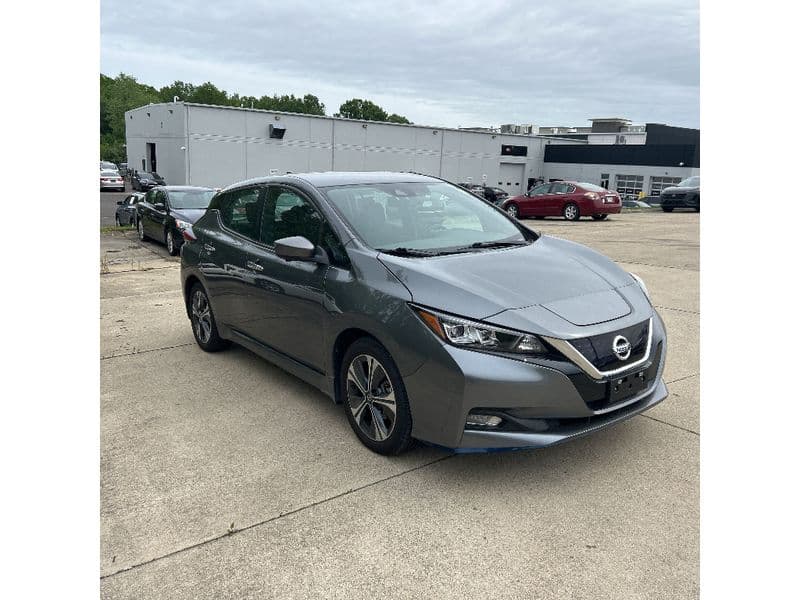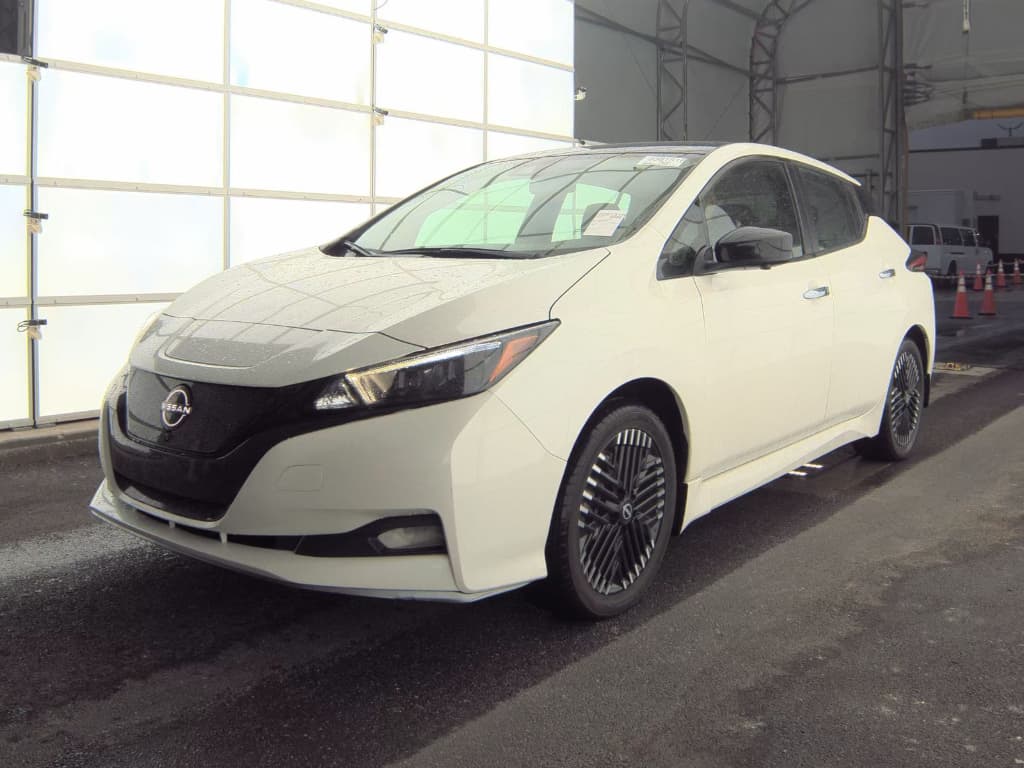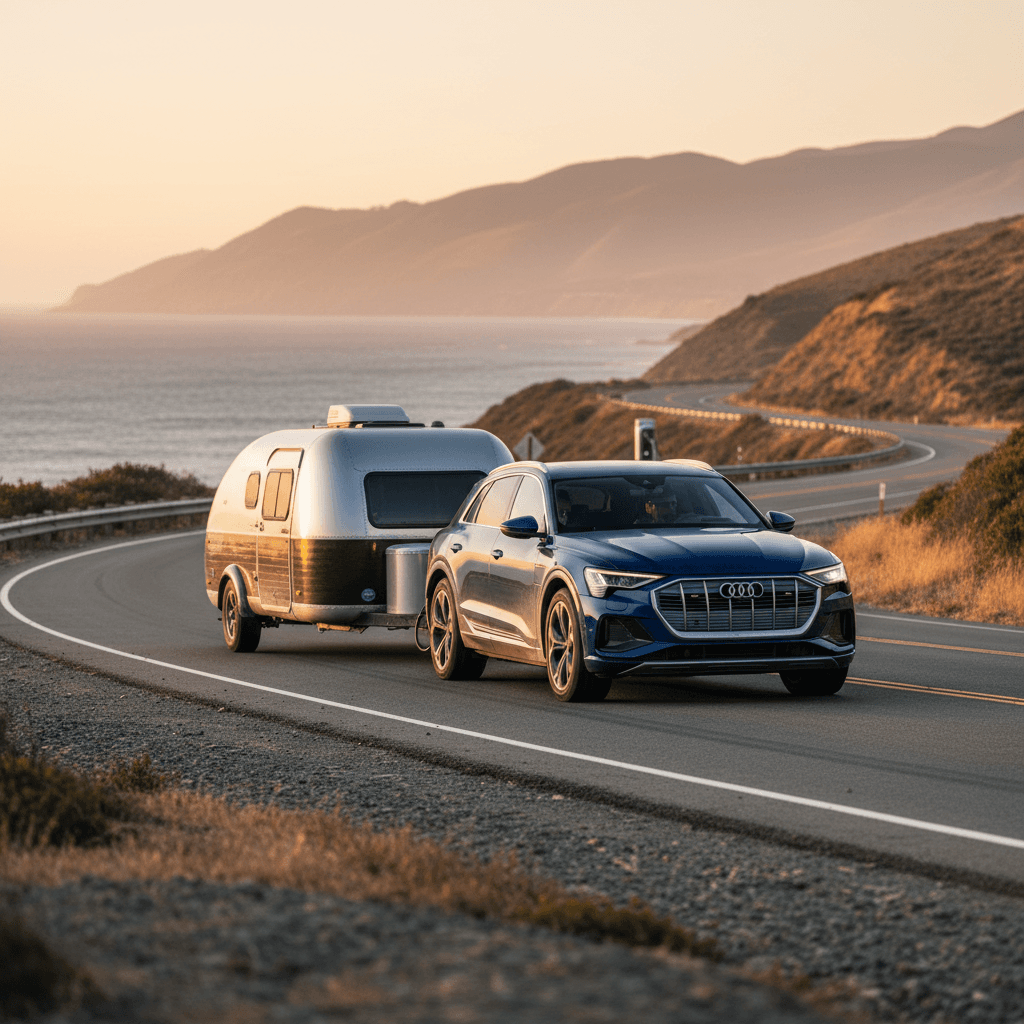
If you’re looking at a Nissan Leaf and wondering about towing capacity and range, you’re asking the right questions. The Leaf was never designed as a hardcore tow vehicle, but later models can handle modest loads, and battery size has an enormous impact on how far you can go, especially once you hitch up a trailer or bike rack.
Key takeaway
Overview: Leaf towing capacity and range at a glance
Nissan Leaf towing & range snapshot
Across its first two U.S. generations (2011–2024), the Leaf came with 24, 30, 40, and 62 kWh battery packs and EPA ranges from about 73 miles to 226 miles on a full charge. The upcoming 2026 Leaf crossover grows that to over 250 miles, but most used Leafs on the market today are the 40 or 62 kWh hatchbacks.
Towing isn’t officially supported on most U.S.-spec Leafs, yet European documentation for later models shows braked trailer ratings around 975 kg (≈2,150 lbs) and unbraked around 750 kg (≈1,650 lbs) for certain trims. In practice, owners who tow small trailers or cargo with a Leaf see 30–60% range reductions, sometimes more in bad weather or at high speeds.
Can a Nissan Leaf actually tow a trailer?
Mechanically, the Leaf’s electric motor delivers plenty of low-speed torque, and its curb weight and wheelbase are similar to many compact crossovers that do tow. The real constraint isn’t the drivetrain, it’s thermal management, braking, and battery range.
What Nissan says
In the U.S. owner’s manuals for most first- and second-generation Leafs, Nissan generally states that the vehicle is not approved for towing. That’s largely a liability and warranty stance rather than a comment on what the car is physically capable of.
In some European documentation for later Leafs, you’ll find explicit tow ratings with modest limits, focused on light utility or small camping trailers.
What owners actually do
Plenty of Leaf owners install aftermarket hitches to carry:
- Bike racks
- Cargo platforms
- Very small utility trailers
Used carefully, a Leaf can tow, but you’re operating in a gray area from a warranty perspective in North America, and you must treat range estimates as optimistic at best when hitched up.
Warranty reality check
Official vs. unofficial Leaf towing ratings
For shoppers, the confusion comes from the gap between regional tow ratings and what dealers actually tell you. Here’s how to think about it:
How to interpret Leaf tow ratings
What brochures, manuals, and reality each say
1. Owner’s manual first
Always start with the manual that matches your VIN and market. If it says zero towing, assume that’s the official stance, even if the same model in Europe has a rating.
2. Engineering vs. liability
Automakers often rate cars differently by region based on legal standards and use cases, not large mechanical differences. That’s why some Leafs can be rated to tow in one market and not another.
3. Use conservative limits
If you choose to tow with a Leaf that isn’t officially rated in your market, stay well below 1,000–1,500 lbs gross trailer weight, prioritize strong trailer brakes, and keep speeds down.
Practical rule of thumb
Nissan Leaf range by battery size and generation
Before you talk about towing, you have to know what your Leaf can do solo. Battery size and age matter more on a Leaf than on almost any other EV because there’s no liquid thermal management on 2011–2024 cars, and degradation can be significant in hot climates.
Nissan Leaf EPA range and typical real-world range
Approximate ranges for major Leaf battery versions in mild weather, unladen.
| Battery / Trim | Model years (US) | EPA rated range (mi) | Typical real-world mild-weather range (mi) |
|---|---|---|---|
| 24 kWh | 2011–2015 | 73–84 | 55–75 |
| 30 kWh | 2016–2017 | 107 | 80–100 |
| 40 kWh (Leaf) | 2018–2024 | 149–151 | 120–140 |
| 60–62 kWh (Leaf Plus / SV+ / SL+) | 2019–2024 | 212–226 | 180–210 |
Real-world numbers are averages from owner data and independent testing, expect lower range at 70+ mph or in extreme temperatures.
On the used market, the sweet spot for most buyers is the 40 kWh or 60–62 kWh Leaf. They offer enough solo range to make modest towing and highway trips viable, provided you’re realistic about speed and charging.
Degradation matters more than brochure range
How towing affects Nissan Leaf range in the real world
EVs lose range under load for the same reasons gas cars do, more weight and more aerodynamic drag, but you feel it far more acutely because the Leaf starts with a relatively small battery. There are three big culprits:
- Weight: Every extra pound the motor has to move ups energy consumption, especially on hills and during stop‑and‑go driving.
- Drag: A tall trailer or cargo box can be like driving into a constant headwind; the effect grows exponentially with speed.
- Heat: Climbing grades or fast‑charging repeatedly while towing generates heat in the battery pack. On a passively cooled Leaf, that can trigger slower fast‑charge speeds ("rapidgate") and further cut usable range.
Light aero load (bike rack, cargo tray)
- Speed 45–60 mph: 10–25% range loss is common.
- Speed 65–70 mph: 20–35% loss, depending on crosswinds and elevation.
Think of this as a mild penalty that you can manage with slower speeds and efficient packing.
Small trailer or teardrop
- Speed 45–55 mph: 25–40% range loss is a reasonable expectation.
- Speed 65–70 mph: 40–60% or more, especially with a boxy trailer.
At this point, the Leaf becomes a short-hop tow vehicle, not a long‑distance cruiser.
Watch pack temps when fast‑charging
Common towing scenarios and ballpark range estimates
Exact numbers will always depend on terrain, weather, pack health, and how fast you drive, but you can use these rough planning figures as a starting point. These examples assume a healthy battery in mild weather and mostly flat terrain.
Approximate Leaf towing range by scenario
Very rough planning numbers, always leave a big buffer and verify in your own conditions.
| Leaf version | Trailer/load scenario | Typical highway speed | Realistic range while towing |
|---|---|---|---|
| 40 kWh Leaf (149 mi EPA) | Two bikes on rear hitch rack, light cargo | 65 mph | 80–100 miles |
| 40 kWh Leaf | Low‑profile 500–800 lb teardrop trailer | 55 mph | 60–80 miles |
| 40 kWh Leaf | Boxy 1,200–1,500 lb utility trailer | 55 mph | 45–60 miles |
| 60–62 kWh Leaf Plus (215–226 mi EPA) | Two bikes + gear | 65 mph | 130–160 miles |
| 60–62 kWh Leaf Plus | Aerodynamic 1,000–1,500 lb teardrop | 60 mph | 100–130 miles |
| 60–62 kWh Leaf Plus | Boxy small camper ~1,800 lb | 55 mph | 75–100 miles |
Based on typical owner reports and physics. If there’s any doubt, assume the lower end of the range or less.
Plan using energy use, not just miles
Safety limits: What you should and shouldn’t tow with a Leaf
Beyond range and manufacturer guidance, you have basic physics and safety to contend with. A compact front‑drive hatch with a short overhang will never behave like a dedicated tow rig, no matter how stout the motor feels off the line.
Safe-ish vs. sketchy towing with a Leaf
1. Respect hitch and tongue weight limits
Most aftermarket hitches for the Leaf are Class I or II and are rated for <strong>200–300 lbs tongue weight</strong>. Overloading the hitch can damage the structure and make the car unstable.
2. Make sure the trailer has brakes
Anything over a few hundred pounds total weight should <strong>have its own brakes</strong>, wired correctly with an electric brake controller. The Leaf’s friction brakes were not designed to repeatedly stop a 3,000+ lb combined rig on long grades.
3. Keep speeds conservative
Above about <strong>60 mph</strong>, both aero drag and trailer sway increase rapidly. Slowing to 55 mph doesn’t just save range, it gives you more time to react if the trailer starts to wag.
4. Avoid big, tall campers
Full-height travel trailers or boxy enclosed cargo trailers are simply <strong>too much sail area</strong> for a Leaf. Even if you can get them moving, crosswinds and passing semis can make the setup dangerous.
5. Load the car and trailer correctly
Aim for <strong>10–15% of trailer weight on the tongue</strong>, keep heavy items low and centered over the trailer axle, and avoid stuffing the Leaf’s hatch with loose, heavy items that can become projectiles.
6. Check local laws and insurance
Some jurisdictions and insurers may frown on towing with a car that the manufacturer says should not tow. Know <strong>what your policy covers</strong> before you hook up.
Comfort zone for most Leaf owners
Buying a used Leaf for light towing or road trips
If towing or heavy highway use is even a “maybe” for you, treat battery health as non‑negotiable. Two Leafs with the same odometer reading can have radically different real‑world range, especially the older 24 and 30 kWh cars.
1. Prioritize newer, larger packs
- For towing, focus on 2018+ 40 kWh or 2019+ 60–62 kWh Leafs.
- The early 24 and 30 kWh packs just don’t leave enough range margin once you add a trailer.
A healthy 40 kWh car is the realistic minimum if you want any buffer on hot days or hills.
2. Don’t guess on battery health
Bars on the dashboard are a blunt tool. A serious buyer should base decisions on measured usable kWh, not just what the original window sticker said.
Every EV Recharged sells comes with a Recharged Score battery health report that shows verified capacity, estimated remaining range, and how that compares to similar cars. That’s especially useful if you’re planning to tow or road‑trip a Leaf, because your margin for error is small.
How Recharged simplifies used Leaf shopping
Charging and trip planning when towing with a Leaf
Once you start towing, treating the Leaf like a “charge once, forget it” commuter is a good way to end up on a flatbed. You’ll need to think more like a long‑haul EV driver, just on a shorter leash.
Smart charging habits when towing with a Leaf
How to stay ahead of the curve (and the battery gauge)
Plan for shorter legs
If you normally plan 80–100 mile hops between chargers in a 40 kWh Leaf, cut that to 40–60 miles when towing until you’ve tested your specific setup.
Favor Level 2 when possible
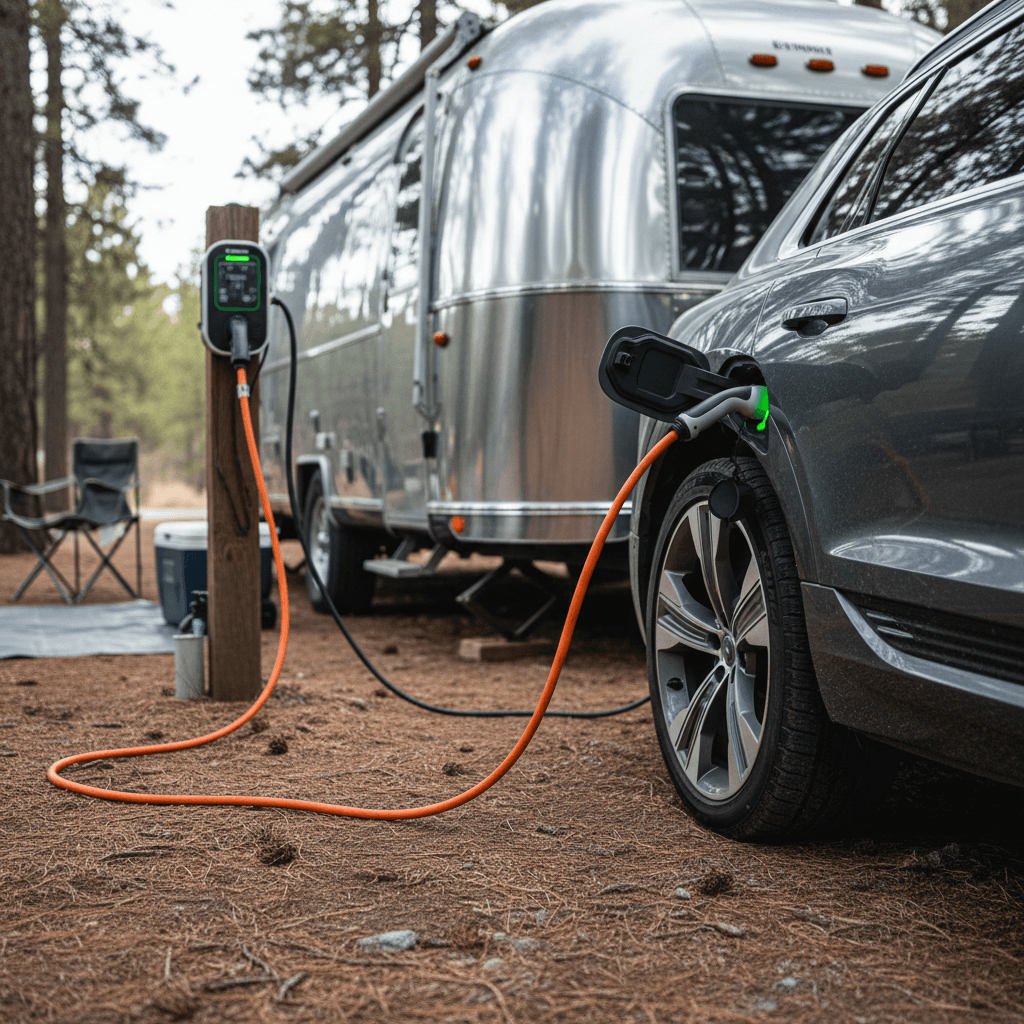
Fast‑charging back‑to‑back heats the Leaf’s pack, especially when loaded. If you’re at a campground or stay overnight, use Level 2 AC charging to arrive with a cooler battery the next morning.
Build in time buffers
Add at least 15–30 minutes to whatever your nav app suggests for charging stops when towing. You may need longer sessions if charge power tapers due to heat.
- Use apps that show elevation and weather along your route; climbing into a headwind with a trailer can double your expected energy use.
- On unfamiliar routes, arrive at chargers with 20–30% charge remaining rather than running it down to 5–10%.
- If your hitch mount or trailer blocks the charge port door, think through how you’ll line up at chargers before you leave.
CHAdeMO network considerations
FAQ: Nissan Leaf towing capacity and range
Frequently asked questions about Leaf towing & range
Bottom line: Is the Nissan Leaf good for towing?
Think of the Nissan Leaf as a short‑range, light‑duty tow partner. It’s brilliant for hauling bikes, small utility trailers, or a compact teardrop to a nearby campsite, especially in 40 kWh and Leaf Plus trims with healthy batteries, but it’s not a substitute for a dedicated tow‑rated SUV or truck, and its official stance in North America is often “no towing.”
If towing is only an occasional part of your life, a well‑chosen used Leaf can still make a lot of sense, especially when you know exactly how much real‑world range you’re buying. That’s where tools like the Recharged Score battery health report, expert EV guidance, and transparent pricing give you a major advantage over guessing from a dash gauge and a brochure. Start by deciding what you truly need to tow, how far you actually drive, and then look for a Leaf whose battery and range give you enough room for those plans, without living on the edge of the gauge.