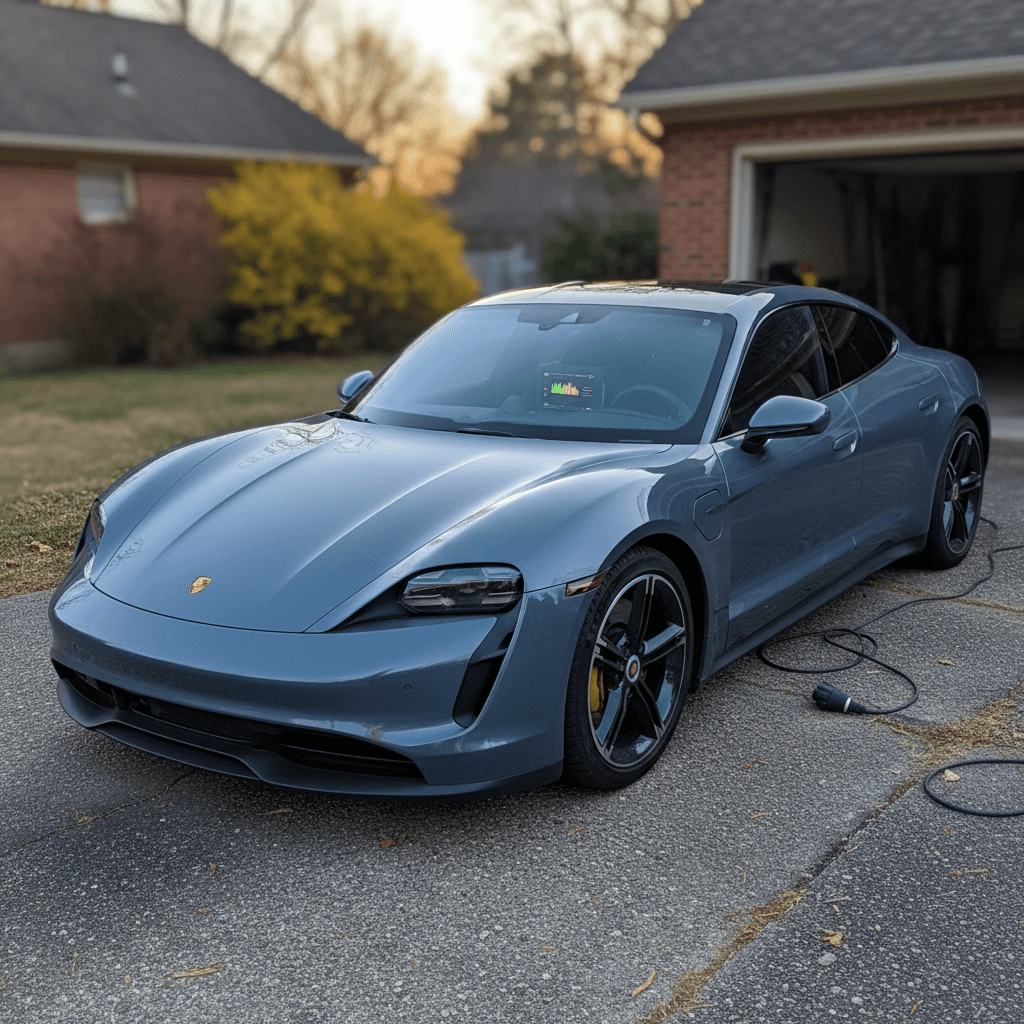
If you’re eyeing a used 2021 Porsche Taycan, you’re probably wondering whether the first generation of Porsche’s flagship EV is as dependable as it is fast. The answer is nuanced: the 2021 Taycan can be a thrilling and rewarding daily driver, but reliability varies widely from car to car and depends heavily on software updates, recall history, and how the previous owner used and maintained it.
Quick takeaway
2021 Taycan reliability at a glance
2021 Porsche Taycan reliability snapshot
Why the spread is so wide
How reliable is the 2021 Porsche Taycan?
On paper, the 2021 Porsche Taycan reliability story looks decent. Owner-review aggregators like Kelley Blue Book show an overall rating around 4.1/5, with quality and reliability among the highest‑rated attributes and 85% of owners saying they would recommend the car. At the same time, NHTSA complaint data and enthusiast forums highlight recurring issues with the car’s complex electrical architecture, charging electronics, and software.
Where the Taycan looks strong
- Solid core hardware: Motors, gearbox, and main battery pack generally hold up well when not affected by rare defects.
- Over-the-air updates: Many early software glitches were mitigated by Porsche software campaigns and dealer updates.
- Prestige service network: Porsche dealers tend to be responsive and familiar with common Taycan issues by now.
Where reliability gets shaky
- Electrical gremlins: Random warning messages, camera and sensor faults, and black infotainment screens are not unusual.
- Charging & 12V issues: Some owners report cars that won’t start or charge due to onboard charger faults or 12V battery failures.
- Down time: When something complex fails, parts and diagnostics can keep cars in the shop for weeks.
How to interpret the mixed data
Common 2021 Taycan problems and complaints
Patterns from owner forums, NHTSA complaints, and lemon-law firms show a fairly consistent set of problem areas on 2020–2022 Taycans, including the 2021 model year. You won’t see every issue on every car, but these are the themes you should be screening for when you look at a used example.
Most commonly reported 2021 Taycan issues
These don’t automatically make a car a bad buy, but they do deserve a closer look.
Electrical system errors
Owners sometimes report sudden “electrical system error” messages, loss of propulsion, or the car refusing to shift into drive or reverse.
In some cases this ties back to power electronics, the 12V battery, or software; in rare cases, vehicles have lost power at highway speeds before receiving software updates or component replacements.
Charging & onboard charger faults
Some 2021 Taycans experience failed AC charging sessions, error messages at home chargers, or yellow battery icons that clear only after a restart.
Often DC fast charging (CCS) still works, pointing to issues with the AC onboard charger or charge‑port hardware rather than the main pack.
12V battery failures
Multiple owners report 12V battery failures leaving the car completely inoperable, even if the high‑voltage battery is well charged.
Symptoms include doors that won’t unlock electrically, windows stuck open, and a car that cannot be put into gear until the 12V system is repaired.
Infotainment & camera glitches
Frozen or black main screens, non‑functional cameras, and intermittent backup sensors are recurring complaints.
These issues are usually software‑related and may be resolved with updates, but in some cases require hardware replacement under warranty.
Suspension & brake quirks
Separate from a formal suspension recall, some owners mention air suspension noise or failures and high‑pitched brake sounds that require dealer attention.
At least one owner report describes a brake system issue leading to a loss of pedal assist, though that appears to be rare.
HV battery & thermal system problems
Isolated cases of high‑voltage battery pack failures and cooling system issues have led to main-pack replacements and long repair times.
These are not common, but when they occur they’re expensive and highlight why robust battery‑health diagnostics and warranty coverage matter for used buyers.
Critical safety symptoms to take seriously
Recalls and software updates to know about
Like many first‑generation EVs, the Taycan has seen a steady stream of recalls and service campaigns, many of which affect the 2021 model year. These campaigns are not necessarily deal‑breakers, in fact, cars that have had all updates completed can be better bets than cars that missed them, but you should verify status before you buy.
Key recall themes affecting 2021 Taycans
Exact campaigns vary by VIN. Always run a VIN check and ask a Porsche dealer for a printout of open and completed campaigns.
| Recall theme | Typical model years | What’s affected | Why it matters |
|---|---|---|---|
| Sudden loss of power / inverter & electrical updates | 2020–2021 | Power electronics & software | Addresses rare but serious cases where the car could lose propulsion or become undriveable until restarted. |
| Air suspension strut retaining ring | 2021 | Front suspension struts | Loose retaining ring can cause air loss or strut separation, impacting handling and safety. |
| Seat belt warning chime logic | 2020–2023 | Instrument cluster software | Improper seat belt warning function required software changes to meet crash‑protection rules. |
| HV heater, brake hose, and charger cord campaigns | 2020–2022 | HV heater unit, brake hoses, OEM charge cord | Can affect cabin comfort, brake reliability, or home charging safety if not addressed. |
| Various software updates (ADAS, infotainment, charging) | 2020–2022 | Multiple control modules | Smooth out charging behavior, driver‑assist features, and infotainment stability over time. |
A well‑maintained 2021 Taycan should show all relevant recalls as completed.
How to verify recall and update status
Battery health, charging reliability, and warranty
With any used EV, long‑term value is tied heavily to battery health and charging behavior. The Taycan is no different, but Porsche has engineered robust thermal management and offers strong high‑voltage battery coverage that can make a 2021 car less risky than it might look at first glance.
- HV battery warranty: Porsche’s high‑voltage battery coverage is typically 8 years or 100,000 miles from in‑service date, with a guarantee that capacity won’t drop below roughly 70% in that period (exact terms vary by market and model year).
- Capacity retention in the real world: Owners of early Taycans commonly report modest degradation rather than catastrophic loss, single‑digit to low‑teens percent capacity loss over the first 3–5 years is typical when charged reasonably and not fast‑charged constantly.
- Onboard charger & charge‑port issues: Far more common than true pack degradation are failures of the onboard AC charger, charge‑port actuators, or electronics, which can prevent Level 2 charging while leaving DC fast charging intact.
- 12V system dependency: Like other modern EVs, the Taycan relies on a small 12V battery to boot the vehicle, run control units, and manage locks/windows. If this fails, the car can be completely bricked even if the main battery is full.
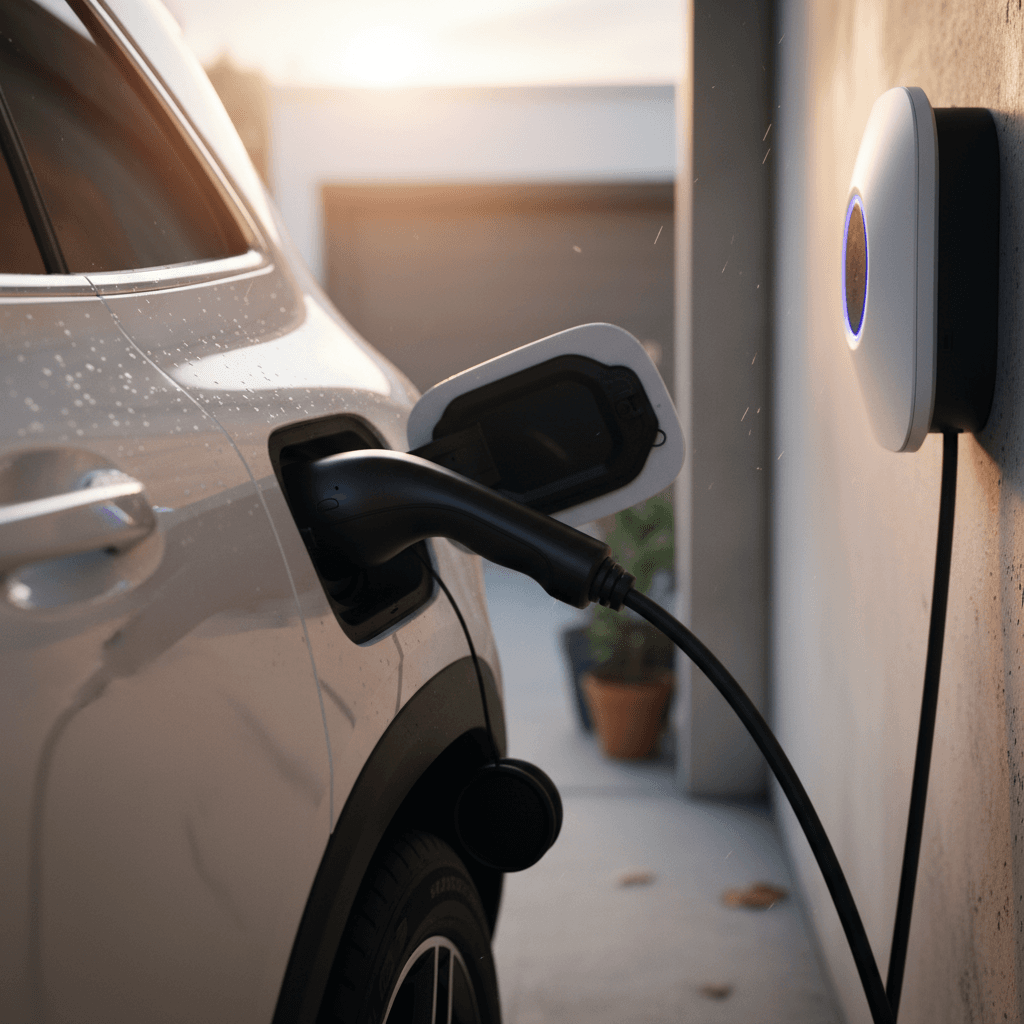
How Recharged helps de‑risk battery questions
Maintenance costs and real-world ownership experience
Porsche positions the Taycan as a low‑maintenance EV, and in routine use that tends to be true. There’s no engine oil to change, and the official service interval is roughly every 2 years or 20,000 miles. But when things do go wrong, they can be expensive, and downtime matters just as much as the bill.
What owners report living with a 2021 Taycan
Anecdotes aren’t data, but they help you understand the range of experiences.
“Zero regrets” experiences
Plenty of 2020–2021 owners report virtually trouble‑free ownership apart from recalls and normal wear. One CPO Taycan owner with about a year of use noted essentially zero maintenance costs beyond cosmetic work, and said they’d “110% buy again.”
Another 2021 RWD owner reports four years of use with only routine services and a heater recall.
High‑maintenance experiences
On the other end of the spectrum, some owners describe cars that spend months in the shop for repeated electrical errors, camera and sensor failures, window and latch problems, or even high‑voltage component replacements.
One CPO buyer mentioned their 2021 Taycan was in the shop roughly one‑third of the time before Porsche agreed to buy it back due to repeated warranty issues.
Maintenance cost reality check
What to check when shopping a used 2021 Taycan
If you treat the 2021 Taycan like a normal used sedan, you’ll miss the EV‑specific and software‑driven issues that separate a great car from a future headache. Here’s a focused checklist to use when you’re comparing cars or scheduling a pre‑purchase inspection.
Used 2021 Taycan reliability checklist
1. Confirm in-service date & warranty timeline
Ask for the original in‑service date to understand how much of the 4‑year/50,000‑mile bumper‑to‑bumper and 8‑year/100,000‑mile battery warranty remains. If the basic warranty is nearly over, consider the value of a CPO warranty or service protection plan.
2. Run a full recall & campaign history
Have a Porsche dealer print all <strong>completed and open recalls and service campaigns</strong>. Prioritize cars that show the major electrical, power‑loss, suspension, and heater/charger campaigns as completed, and no repeat visits for the same concern.
3. Get objective battery-health data
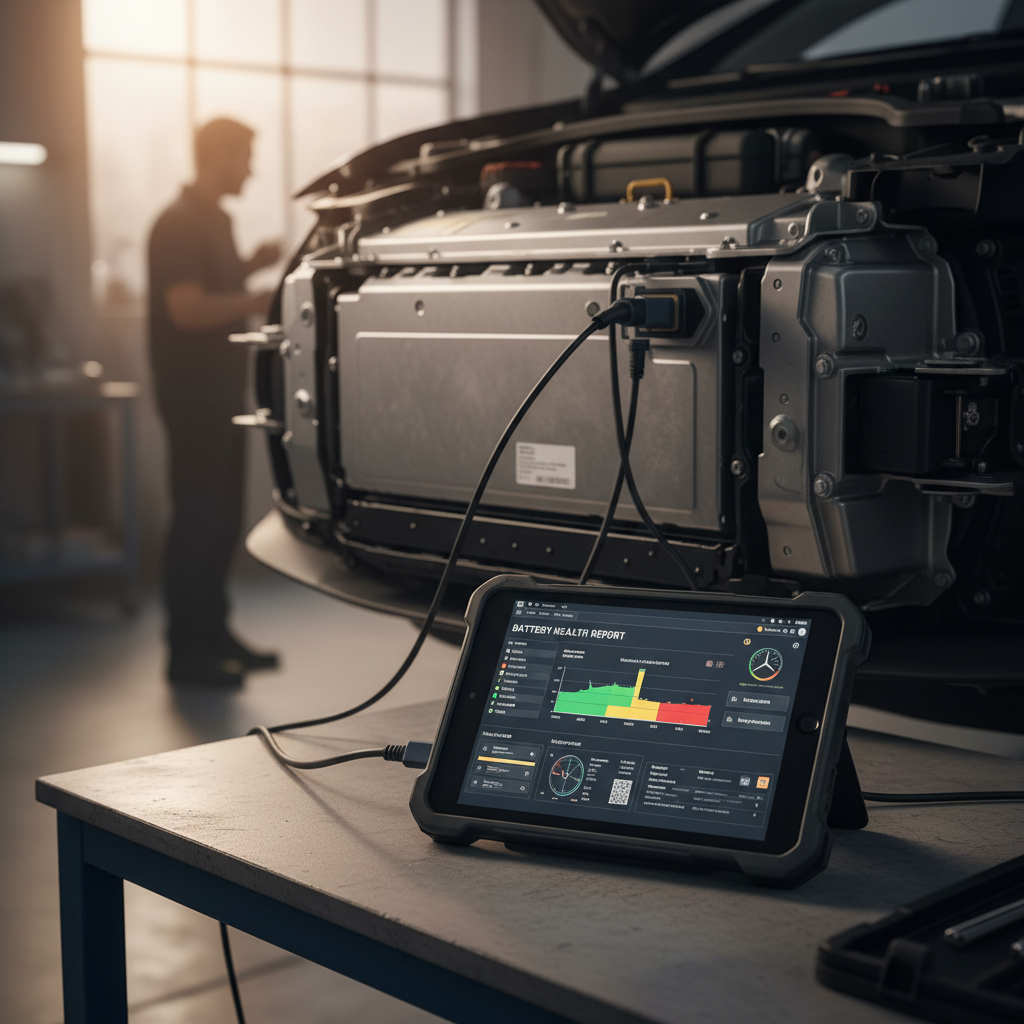
Don’t rely on the range estimate alone. Use a professional battery diagnostic, like the <strong>Recharged Score</strong>, to measure capacity and look for unusual cell imbalances or thermal‑management anomalies that could hint at future problems.
4. Test AC and DC charging thoroughly
At minimum, perform a full Level 2 charging session and a DC fast‑charge test. Watch for “electrical error” messages, ports that refuse to open, or sessions that drop out unexpectedly. Listen for abnormal cooling‑fan or contactor noises during charging.
5. Stress-test the electronics
Cycle the infotainment, cameras, parking sensors, lane‑change assist, and all windows, locks, and trunk latches several times. Look for laggy startup, black screens, warning messages, or non‑functioning cameras, especially after the car has been sitting overnight.
6. Inspect suspension, brakes, and tires
On a test drive, pay attention to ride quality, clunks, and air‑suspension behavior. Check for uneven tire wear and listen for high‑pitched brake noises that persist after a few stops; these can indicate issues with the regen/friction brake blend or hardware that may need attention.
Why shop a Taycan through Recharged
Ready to find your next EV?
Browse VehiclesShould you buy a used 2021 Porsche Taycan?
Good candidate for the right buyer
- You want a luxury EV with true sports-car dynamics and don’t mind a bit more complexity than a mainstream EV.
- You prioritize warranty coverage and documented service history and are willing to walk away from sketchy cars.
- You have strong local Porsche dealer support or are buying from an EV‑focused retailer that stands behind the car.
Maybe look elsewhere if…
- You want an EV that behaves like a low‑drama home appliance above all else.
- You plan to keep the car long past the factory warranty without a backup service plan.
- Long repair times or multiple dealer visits would be a major disruption to your life.
In other words, the 2021 Porsche Taycan isn’t unreliable so much as it is highly sensitive to software, service quality, and how carefully you choose your specific car. Get the right example, with a clean history, up‑to‑date campaigns, strong battery health, and meaningful warranty coverage, and you’re looking at one of the most satisfying performance EVs on the used market. Cut corners on due diligence, and you risk inheriting someone else’s experiment. If you’d like help finding a 2021 Taycan that passes a rigorous EV‑specific inspection, Recharged is built for exactly that kind of search.