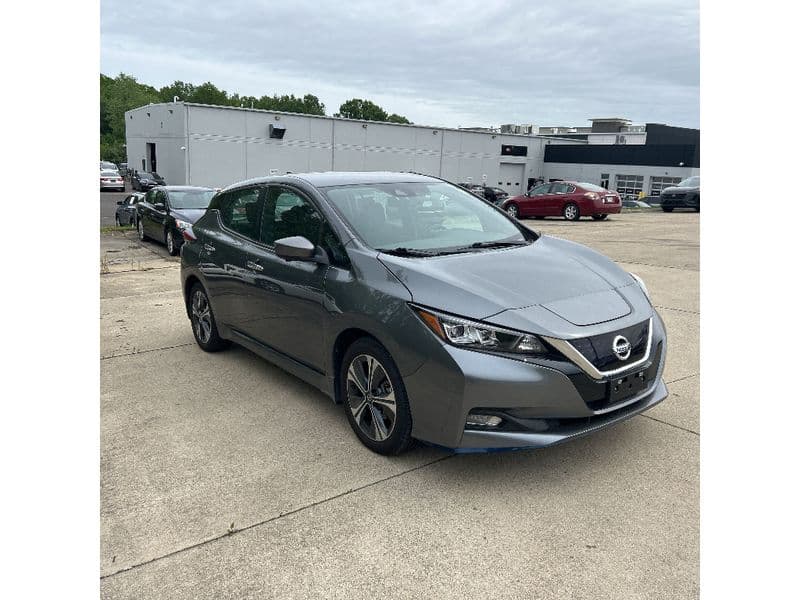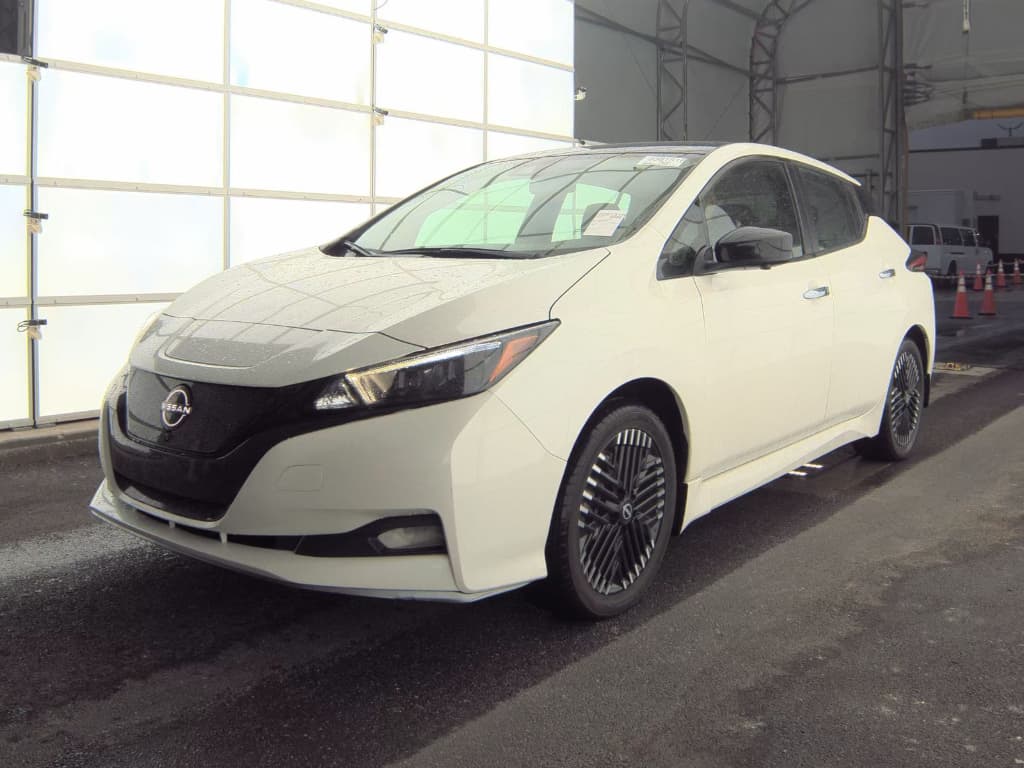
If you’re looking up a Nissan Leaf recalls list, you’re probably either shopping for a used Leaf or wondering whether it’s still safe to keep DC fast‑charging the one in your driveway. That’s smart. Recalls are part of modern car ownership, but when they involve a high‑voltage battery pack, you want to understand exactly what’s going on before you sign anything, or plug in at a quick charger.
A quick note before we dig in
Why a Nissan Leaf recalls list matters for owners and used buyers
Recalls sound scary, but they’re also a sign that the manufacturer and safety regulators are paying attention. With the Leaf, there are two big reasons to care about the recall history: high‑voltage battery safety and long‑term reliability on older cars you might be buying used.
- Battery recalls can change how, and whether, you should use DC fast charging, which affects road‑trip practicality and battery longevity.
- Software updates can change how the car manages temperature, power output, and charging behavior.
- Fixing non‑battery recalls (like braking or airbag issues) is just as important for your safety, and it’s always free at a Nissan dealer.
- A clean recall history, and proof that recall work was completed, can boost confidence and value when you buy or sell a used Leaf.
Owner vs. car: recalls follow the VIN, not the driver
Quick reference: Nissan Leaf recalls list by model year
The Leaf has been on sale in the U.S. since the 2011 model year, and different generations have been subject to different recall campaigns. Below is a simplified Nissan Leaf recalls list by model year, oriented toward the issues that matter most if you’re buying used today. Exact applicability depends on build date, options, and plant, so always confirm with a VIN lookup.
High‑impact Nissan Leaf recalls by model year (U.S.)
This is a shopper‑friendly overview of notable recalls, especially those related to charging and safety. Not every vehicle in each model year is affected.
| Model years | Generation / notes | Notable recalls | What to ask about when buying used |
|---|---|---|---|
| 2011–2012 | First‑gen Leaf, early U.S. cars | Early campaigns in some markets for airbag wiring, brake issues, and software updates (varies by VIN). | Ask for dealer service records showing all recall and software updates completed; pay close attention to brake feel on a test drive. |
| 2013–2016 | Facelifted first‑gen, U.S. production ramps up | Scattered campaigns on electronic systems, backup camera compliance, and other non‑battery items depending on VIN. | Confirm recall completion and check that all driver‑assist and camera features work as intended. |
| 2017–2018 | Run‑out of first‑gen, then launch of second‑gen (2018) | May have minor component recalls and software updates; specifics vary. | Verify with a VIN lookup, and confirm any infotainment or driver‑assist updates have been applied. |
| 2019–2020 | Second‑gen Leaf, 40 kWh and 62 kWh packs | Key recall: Level 3 quick‑charging (CHAdeMO DC fast charge) battery fire‑risk recall on Leafs with DC fast‑charge capability. | If the car has a CHAdeMO port, ask for documentation that the battery software recall has been completed and how it affected fast‑charging behavior. |
| 2021–2022 | Second‑gen Leaf, later years | Additional expansion of the Level 3 quick‑charging battery fire‑risk recall on certain cars with DC fast‑charge ports. | Confirm whether the VIN is part of the expanded recall and whether Nissan’s software remedy has been installed. |
| 2023–2025 | Late‑run Leaf, lower volume | May still be affected by the Level 3 charging recall if equipped with DC fast‑charge and built within the affected battery batch window. | Treat any CHAdeMO‑equipped Leaf as a candidate for recall review; confirm status and ask the seller how they’ve been charging the car. |
Always verify recall status for a specific Leaf by running the VIN through NHTSA or Nissan’s official recall lookup tools.
Don’t assume a “clean” Carfax means no recalls
Spotlight: the battery fire–risk fast‑charging recalls
The headline news in any Nissan Leaf recalls list today is the battery fire–risk recall tied to DC fast charging. This is the one you’ve probably heard about, owners being told not to use quick chargers until a fix is in place.
What’s going on with the Leaf battery recall?
In simple terms, certain Leafs built at Nissan’s Smyrna, Tennessee plant can develop excessive lithium deposits in some battery cells during repeated DC fast charging. That increases electrical resistance in the cell, which can lead to rapid temperature rise during a quick‑charge session. In the worst case, that heat can trigger a thermal event, a battery fire.
- The affected vehicles are 2019–2022 Leafs equipped with a Level 3 quick‑charge (CHAdeMO) port, built within specific production windows.
- Owners have been advised not to use DC fast charging until a software remedy is applied.
- Nissan’s remedy is a battery management software update designed to better monitor and control cell behavior during fast charging.
- There may be no obvious early warning, no dashboard light, before an affected pack overheats during DC fast charging.
If you own an affected Leaf today
Other common Nissan Leaf recall campaigns
The battery recall gets the headlines, but it’s not the only thing on the Nissan Leaf recalls list. Over more than a decade on sale, the Leaf has seen a handful of more routine recalls, the kind that affect many gas cars, too.
Non‑battery recall themes you may see on a Leaf
Most are straightforward fixes, but they still matter for safety and comfort.
Brake and stability control software
On some Leafs, software controlling brake feel and stability control has been updated via recall.
On a test drive, make sure brake response feels consistent and confidence‑inspiring.
Airbag and seat sensor issues
Like many modern cars, the Leaf has seen campaigns around airbag wiring or occupant sensors in specific years.
Confirm the airbag warning light comes on briefly at start‑up, then turns off.
Backup camera and display compliance
Some years were recalled for backup camera display behavior not meeting federal visibility rules.
When you shift to reverse, the camera should come on promptly and stay on until you shift out.
The upside of recall work
How to check if a specific Nissan Leaf has open recalls
Whether you already own a Leaf or you’re about to buy a used one, you should assume nothing and run the VIN. It takes two minutes and can save you from inheriting someone else’s unfinished safety work.
Step‑by‑step: check a Leaf’s recall status by VIN
1. Find the full 17‑digit VIN
You’ll see it on the driver’s side of the windshield, on the driver’s doorjamb sticker, and on the vehicle’s title or registration. For a used Leaf listing, ask the seller to provide it up front.
2. Use the NHTSA recall lookup
Go to the National Highway Traffic Safety Administration’s recall lookup page and enter the VIN. This will show any <strong>unrepaired safety recalls</strong> for that exact vehicle.
3. Cross‑check with Nissan’s site
Nissan also offers its own recall lookup on its owner or support page. Enter the VIN there as well; occasionally, you’ll see brand‑specific campaigns that don’t appear on third‑party tools yet.
4. Read the campaign descriptions
Don’t just look for the word “closed.” Read the summary so you understand whether it’s a <strong>battery‑related recall</strong>, a brake issue, or something cosmetic.
5. Call a Nissan dealer service department
Give them the VIN and ask whether all recall work is complete. Ask when the last recall was performed and request a copy of the repair order for your records.
6. Build it into your buying decision
If recalls are open, factor in the time and inconvenience of scheduling repairs. If the seller isn’t willing to have the recall work done before you buy, that’s a red flag.
Pro move for used shoppers
Used buyers’ checklist: recalls, battery health, and more
A Nissan Leaf with completed recalls can be an excellent used‑EV value. But recalls are only one piece of the puzzle. Battery health, previous charging habits, and basic maintenance matter just as much.
Battery health and charging history
- Check remaining capacity using the Leaf’s on‑screen battery health gauge or a third‑party scan tool.
- Ask how often the car was DC fast‑charged versus Level 2 home charging.
- In hot climates, heavy fast‑charging and frequent 100% charges can accelerate degradation.
- If the car is in the fast‑charging recall group, confirm the software remedy is complete and ask how the owner’s charging behavior changed.
Maintenance and wear items
- Review records for cabin filter, brake fluid, and tire rotations, EVs still need basic maintenance.
- Make sure brake pads are wearing evenly and there are no odd noises from the driveline.
- Test all safety systems: ABS, stability control, airbags (warning lights), and backup camera.
- Confirm that any prior recall work didn’t introduce new quirks, take a thorough test drive.
Watch the climate connection
How recalls affect resale value and ownership costs
A long Nissan Leaf recalls list doesn’t automatically make the car a bad bet. What matters is how those recalls were handled. A Leaf with every recall closed and documentation to prove it is often a safer, smarter purchase than a similar car whose owner ignored the mail.
Recalls, value, and what they mean for your wallet
Handled correctly, a recall is more about time than money.
Impact on used value
Open safety recalls tend to drag down value because they signal uncertainty and hassle. Once repairs are done, and documented, most shoppers and lenders treat the car like any other used Leaf.
Impact on ownership experience
The real cost is your time. Battery‑related recalls may mean weeks of avoiding fast chargers, then a dealer visit. Factor that into your decision, especially if you depend on quick charging for long commutes or road trips.
Battery recall vs. general degradation
How Recharged handles recalls and battery health on used Leafs
If you’d rather not play detective on a used EV, this is where a specialist marketplace like Recharged can make life easier. Because we focus on used electric vehicles, including the Nissan Leaf, we treat recalls and battery health as first‑class citizens, not fine print.
- Every Leaf listed on Recharged comes with a Recharged Score Report that includes verified battery‑health diagnostics, not just odometer mileage.
- Our team checks VINs against current recall data and works with sellers to ensure open safety recalls are disclosed and can be scheduled with a Nissan dealer.
- If a car is in the DC fast‑charging battery recall group, we note it and help you understand what the remedy means for your real‑world charging habits.
- You can handle everything digitally, search, financing, trade‑in, and paperwork, and have the car delivered nationwide, or visit our Experience Center in Richmond, VA if you’d rather talk it through in person.
Why this matters if you’re Leaf‑curious
Nissan Leaf recalls FAQ
Frequently asked questions about the Nissan Leaf recalls list
Bottom line on the Nissan Leaf recalls list
The Nissan Leaf has been on U.S. roads long enough to accumulate its share of recall campaigns, and the DC fast‑charging fire‑risk recall is understandably front of mind. But a long Nissan Leaf recalls list isn’t a reason to write the car off. It’s a reminder to slow down, run the VIN, and separate cars that have been properly updated from those still waiting for their turn in the service bay.
If you’re shopping used, focus on three things: completed recall work, honest battery‑health data, and clear service history. Do that, and a recalled‑and‑repaired Leaf can be a quietly brilliant daily driver, cheap to run, easy to park, and perfect for your commute. And if you’d rather have a guide in your corner, Recharged is built to make that process transparent, from recall status to battery state of health, all the way through financing and delivery.