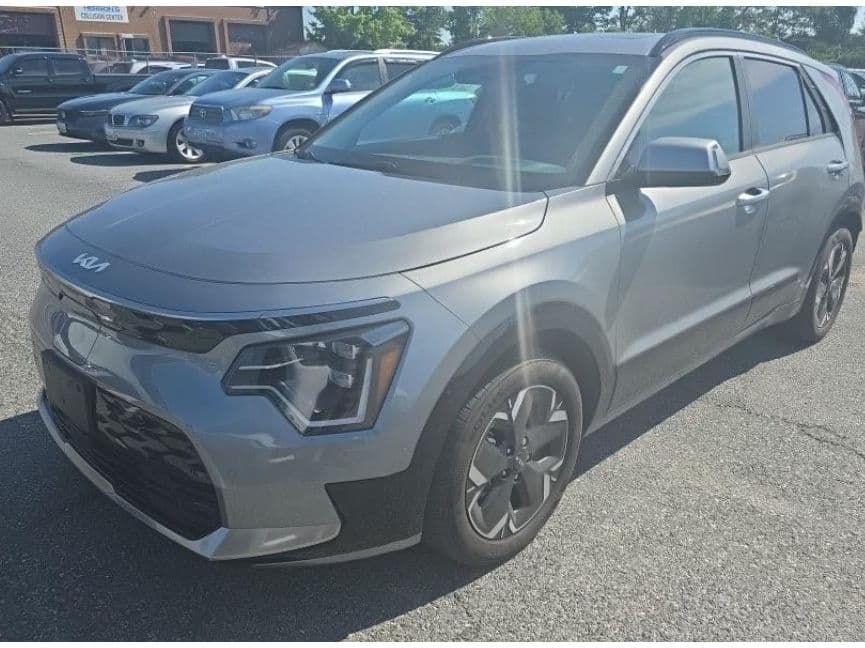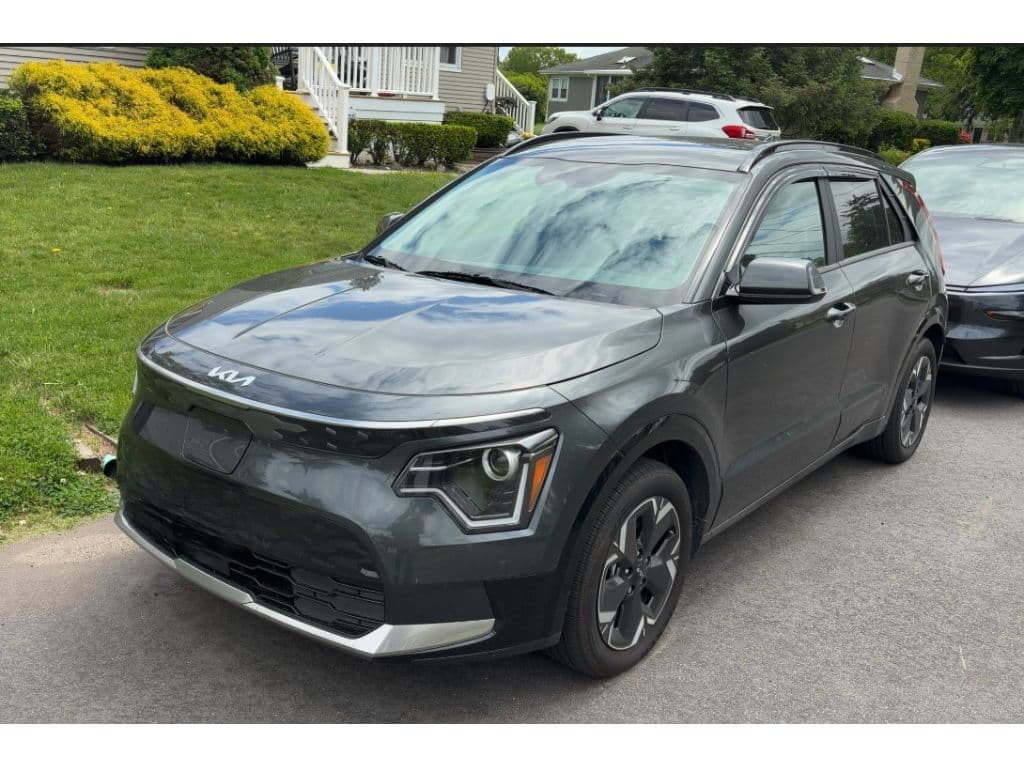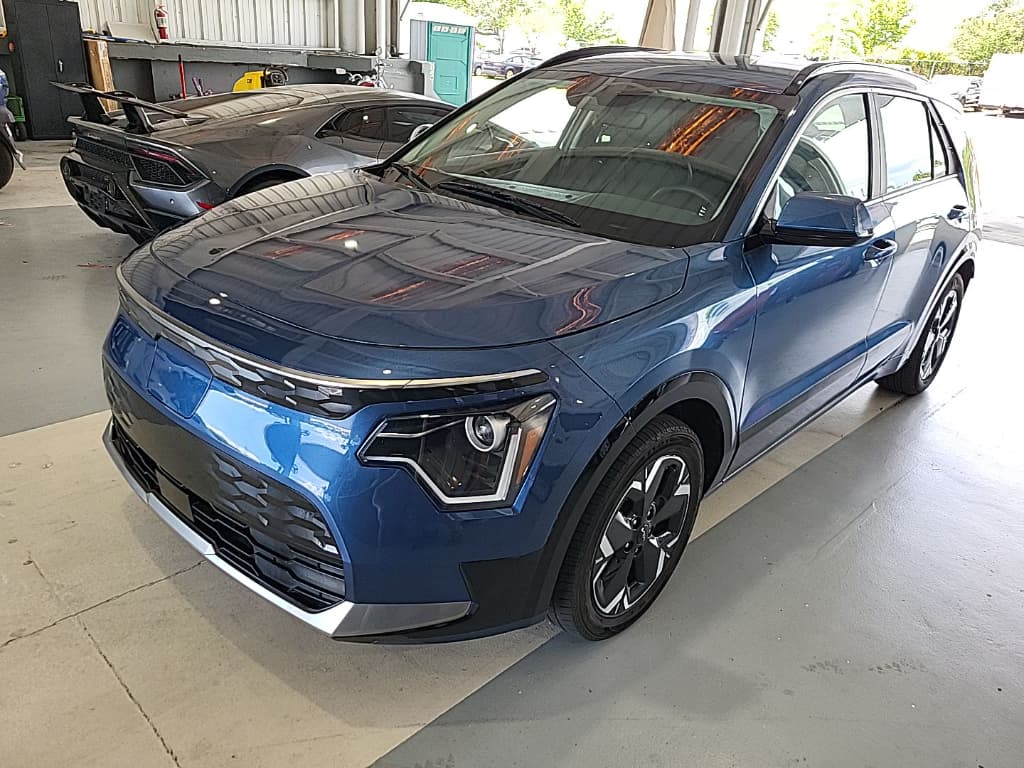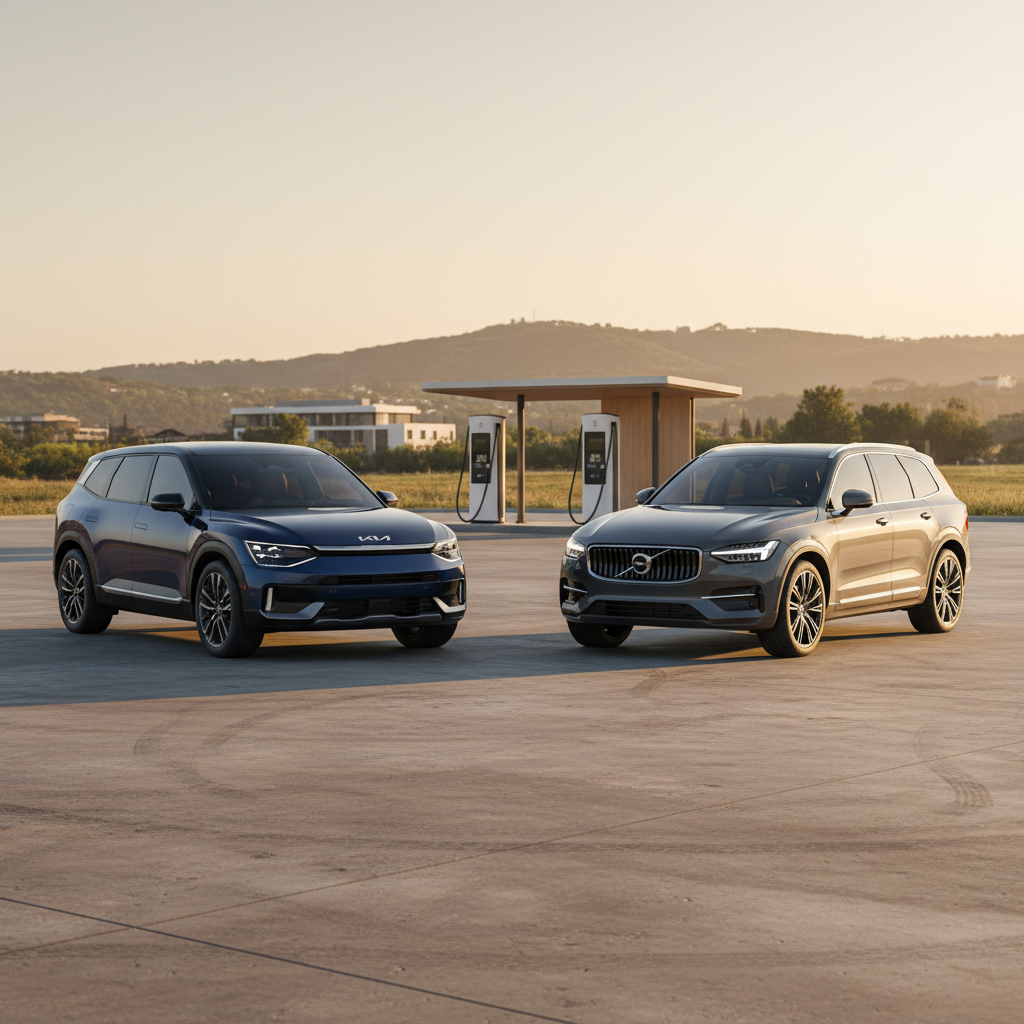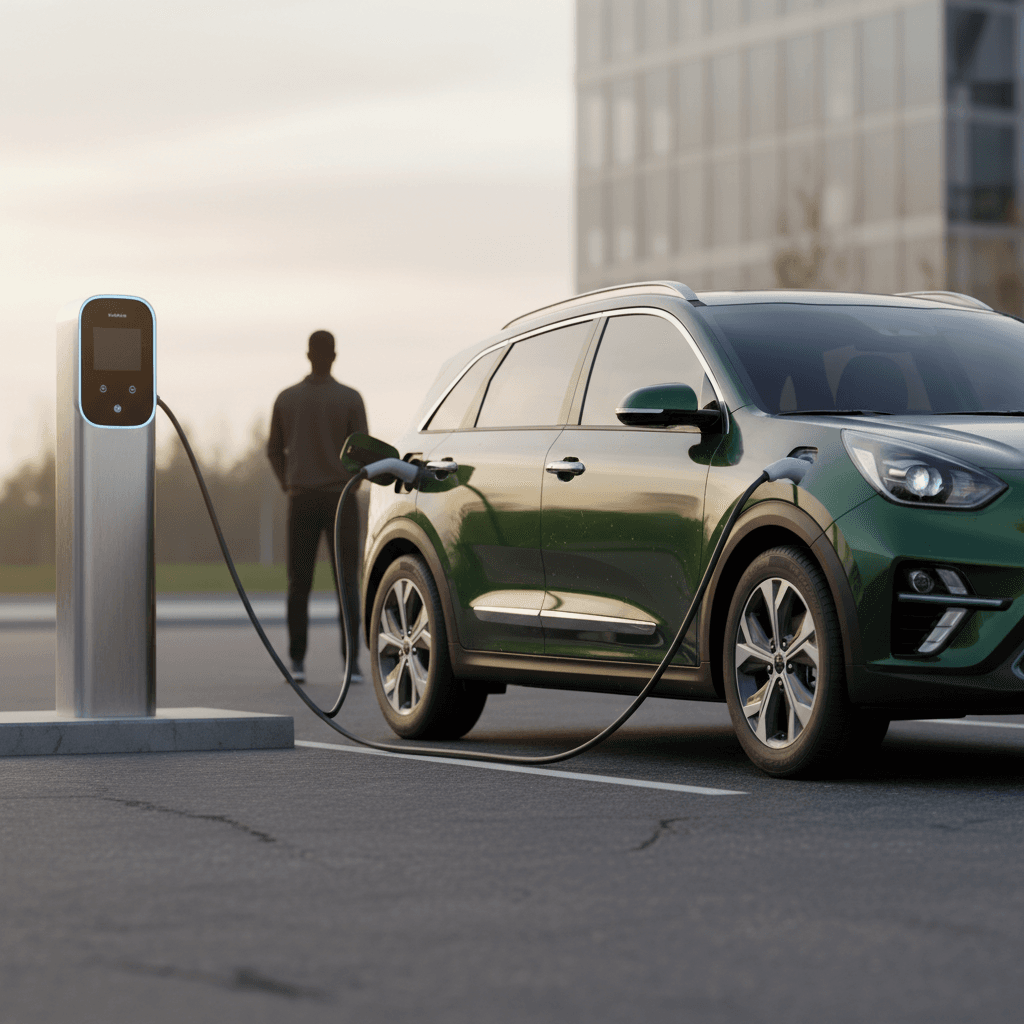
If you’re considering a Kia Niro EV, or just took delivery of one, understanding its charging speed is the difference between relaxed ownership and range anxiety. This Kia Niro EV charging speed guide breaks down how fast it charges at home (Level 1 and Level 2), what to expect on DC fast chargers, and how those numbers translate into real-world time at the plug.
At-a-glance charging summary
Kia Niro EV charging basics in 30 seconds
Kia Niro EV charging fast facts
The Niro EV uses the CCS1 connector for DC fast charging in North America and a J1772 plug for AC charging. All current U.S. models share the same 64.8 kWh battery and 201 hp motor, so charging specs are essentially the same whether you’re in a Wind or Wave trim, or looking at a used 2023–2025 model.
Think in % and miles, not just minutes
Battery size and charging hardware on the Kia Niro EV
Kia kept things simple with the latest-generation Niro EV: one battery size and one motor across trims. That makes charging-performance expectations straightforward, which is good news for both new and used shoppers.
Kia Niro EV battery and charging hardware
Key specs that determine how quickly your Niro EV can add energy on different types of chargers.
| Model years (U.S.) | Battery size (gross/usable) | Onboard AC charger | DC fast-charge connector | Claimed DC 10–80% time |
|---|---|---|---|---|
| 2023–2025 Niro EV (Wind/Wave) | ~64.8 kWh | Up to 11 kW AC | CCS1 (Combo) | “Under 45 minutes” on Level 3 |
| 2019–2022 e-Niro / Niro EV* | ~64 kWh | 7.2–11 kW depending on spec | CCS1 (Combo) | Similar 10–80% window (slightly slower in some trims) |
| 2026 Niro EV (early info) | 64.8 kWh | 11 kW AC | CCS1 (Combo) | Broadly similar to 2023–2025 figures |
Battery capacity and charging hardware are identical across recent Niro EV trims, so charging speed differences mostly come from the charger and conditions, not the car.
Watch for earlier e-Niro specs
On paper, the Niro EV’s DC numbers don’t match the headline-grabbing speeds of Hyundai’s E-GMP models like the Ioniq 5 and Kia EV6. Those 800-volt cars can charge much faster. The Niro EV rides on a 400-volt architecture with a peak of around 80–85 kW, which is solid for a compact crossover but emphasizes planning and realistic expectations rather than bragging rights.
Home charging speeds: Level 1 vs. Level 2 for the Niro EV
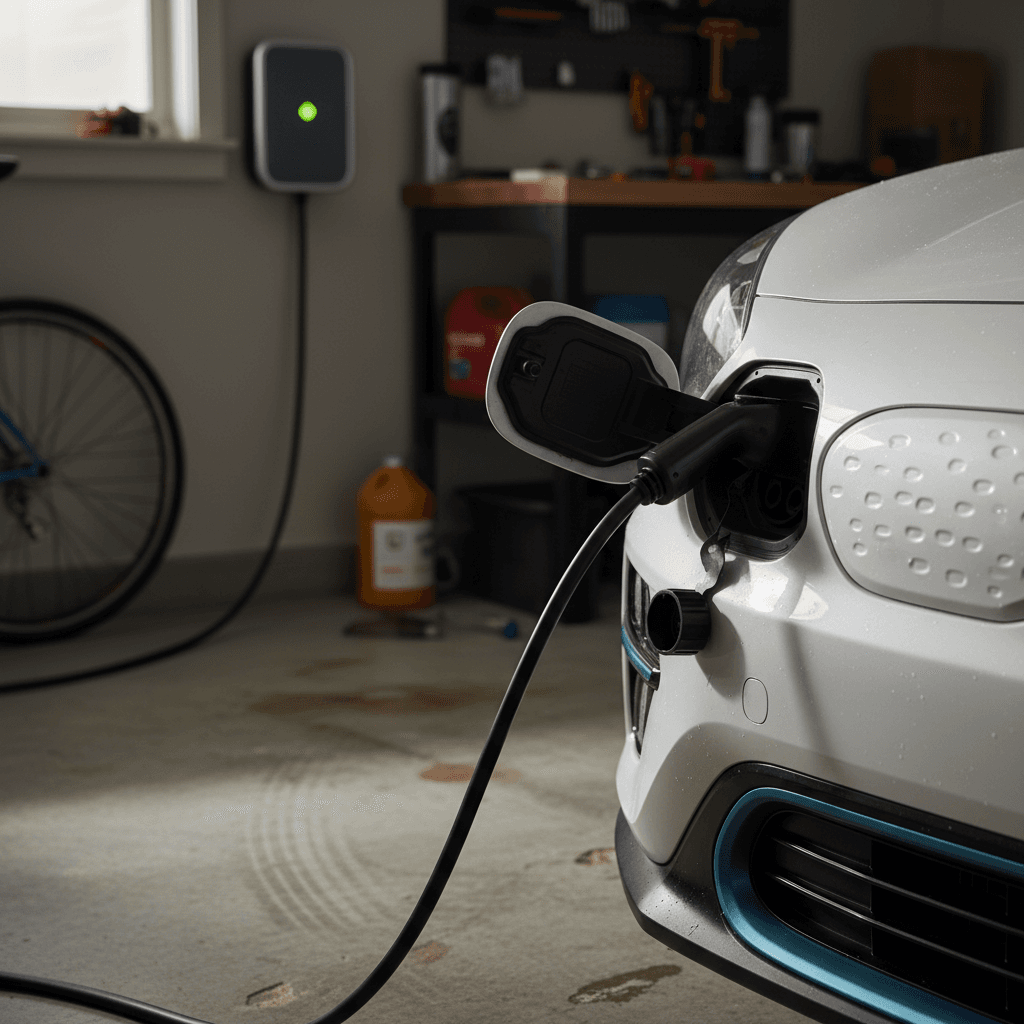
Most of your Kia Niro EV charging will happen at home. Here’s how long it actually takes to refill 64.8 kWh from a typical U.S. outlet versus a dedicated Level 2 charger, and which setup makes sense depending on how you drive.
Home charging options for your Kia Niro EV
How long it takes to add a full charge from low state of charge, assuming the battery is warm and the outlet or circuit is dedicated.
Level 1 (120V wall outlet)
Power: ~1.3–1.4 kW with the included portable EVSE on a standard 15A circuit.
- ~3–4 miles of range per hour
- 0–100%: roughly 40–50 hours
- Good for light daily driving and short commutes
Level 2 (240V, ~7 kW)
Power: 32A on a 240V circuit (about 7.2 kW).
- ~25–30 miles of range per hour
- 0–100%: about 9–10 hours
- 20–80%: ~5–6 hours
Level 2 (240V, 11 kW capable)
Power: Up to 48A on 240V if your wiring and EVSE support it (11 kW).
- ~35–40 miles of range per hour
- 0–100%: about 6–7 hours
- 20–80%: roughly 4–5 hours
Pick a home charger around 40A
If you’re driving fewer than 40–50 miles per day, even a modest Level 2 setup that refills 25–30 miles of range per hour will easily keep up overnight. Level 1 trickle charging can work for apartment dwellers or very low-mile commuters, but you’re looking at days, not hours, to go from low state of charge to full on a standard outlet.
Have an electrician check your panel
Kia Niro EV DC fast charging speed and curve
The headline figure most shoppers care about is DC fast charging: how long you’ll be parked at a public fast charger on a road trip. Kia says the Niro EV can charge from 10 to 80% in under 45 minutes on a Level 3 DC fast charger, and independent charging-curve tests line up with that claim when conditions are right.
Typical DC fast charging profile
- Peak power: Around 80–85 kW, usually between 10–30% state of charge (SoC).
- Mid-pack: Power tapers gradually into the 60–50 kW range by roughly 50–70% SoC.
- High SoC: Approaching 80–90%, power often falls into the 30–40 kW range or lower.
- Beyond 90%: Charging slows sharply; going from 90–100% can take as long as 10–80%.
What that means in minutes
- 10–60%: Usually the quickest portion, roughly 25–30 minutes under good conditions.
- 10–80%: About 40–45 minutes is realistic on a healthy 100–150 kW charger.
- 20–80%: Often 30–35 minutes if you arrive warm and not too low.
- 80–100%: Can add another 30+ minutes. Avoid unless you truly need the extra range.
Why your Niro EV might not hit 80 kW
Real-world charging time examples for common scenarios
Specs are useful, but what you really care about is how long it takes to add usable range in everyday situations. Here are rough, real-world Niro EV charging time examples that many owners will recognize. Think of these as planning tools, not hard promises, conditions matter.
Practical Kia Niro EV charging time scenarios
Approximate charging times for common use cases. Assumes a warm battery for DC fast and typical residential voltages for home charging.
| Scenario | Charger type | Start → End | Approx. time | Why it matters |
|---|---|---|---|---|
| Weeknight top-up after commuting | Level 2 (240V, ~7 kW) | 40% → 80% | ~3 hours | Plug in after dinner, full by bedtime. |
| Big recharge after a weekend trip | Level 2 (240V, up to 11 kW) | 15% → 100% | ~6–7 hours | Park in the evening, wake up with a full pack. |
| Apartment trickle charge | Level 1 (120V wall) | 40% → 80% | ~16–20 hours | Works if you drive very little; not ideal for heavy use. |
| Highway fast charge stop | DC fast (100–150 kW station) | 15% → 80% | ~35–45 minutes | Enough time for a bathroom break, coffee, and a short walk. |
| Push for extra range | DC fast (100–150 kW) | 80% → 100% | +25–35 minutes | Only do this when you truly need the extra miles. |
If you regularly drive 40–60 miles per day, a basic 32–40A Level 2 charger usually keeps your Niro EV topped off overnight with room to spare.
Plan around 10–80% for road trips
6 factors that slow Kia Niro EV charging
If your Niro EV isn’t charging as quickly as the brochure suggests, you’re not alone. DC fast charging in particular depends on a long list of variables. Here are six common culprits that cut your charging speed, plus what you can do about them.
Common reasons your Niro EV charges slowly
1. Cold battery
Lithium-ion packs don’t like cold. In winter, your Niro EV may pull far less than its 80 kW potential until the pack warms up. Preconditioning the battery by driving for 20–30 minutes before a fast-charge stop, or using built-in battery conditioning features where available, helps a lot.
2. High state of charge when you plug in
Arriving at a DC fast charger at 60–70% and trying to go to 100% will always be slower than going from 10–80%. The closer you are to full, the more the car tapers current to protect the battery.
3. Shared or underpowered DC stations
Many public fast chargers share power between stalls or are limited to 50 kW. Even if the cabinet is labeled 350 kW, your Niro EV may see far less if someone is plugged into the next stall or the site is throttled.
4. Weak or long home circuits
A Level 2 charger on an undersized or long run of wire can suffer voltage drop, which reduces effective charging power. An electrician can confirm that your circuit, breaker, and wiring are sized correctly for continuous EV charging.
5. Battery management limits
Kia’s battery management system is conservative by design to protect longevity. That means more aggressive tapering at high state of charge compared with some faster-charging competitors, especially beyond 80%.
6. Software settings and charge limits
If you’ve set an 80 or 90% charge limit for daily use, and you should, for battery health, the car will slow down early as it approaches that target. Double-check your AC and DC charge-limit settings before assuming the charger is at fault.
Slow isn’t always bad
How to plan road trips around Niro EV charging speeds
The Niro EV’s DC fast speeds won’t set records, but with smart planning it’s a perfectly capable road-trip machine. You just need to think a bit differently than you would in a gas car, or in a 350 kW-capable EV6.
Road-trip strategies for the Kia Niro EV
Use these tactics to minimize downtime and avoid unpleasant surprises.
Target 10–20% arrival
Try to arrive at fast chargers around 10–20% state of charge. That keeps the pack in its fastest-charging window and gives you enough buffer for detours.
Plan next stop at 70–80%
Unplug around 70–80% unless the next charger is far away. The last 20% takes disproportionally longer and usually isn’t worth it.
Use multiple apps
Combine apps like Electrify America, ChargePoint, PlugShare, and your navigation to confirm station status. Reviews from other Niro EV owners can give realistic expectations for each site.
Take advantage of Kia charging perks
Recent Niro EVs in the U.S. have qualified for promotional DC fast charging offers with Electrify America through Kia’s programs, which can significantly cut early ownership costs. If you’re buying a used Niro EV, ask the seller whether there’s any remaining promotional free charging tied to the car or original owner account.
How Recharged can help on trip planning
If you’re shopping a used Niro EV on Recharged, your listing includes a Recharged Score Report with verified battery health. A healthier pack means more real-world range and better charging performance, which directly affects how often, and how long, you’ll be stopping on road trips.
Our EV specialists can also walk you through typical road-trip strategies for the specific Niro EV you’re considering.
Charging-speed tips for used Kia Niro EV buyers
Charging speed is one of the biggest real-world differences between a Niro EV that still feels fresh and one that’s been abused. When you’re evaluating a used example, you want to understand both the hardware it has and how the battery has been treated.
Used Niro EV charging-speed checklist
1. Confirm onboard-charger rating
If you’re looking at earlier e-Niro models or non-U.S. imports, confirm whether the car has a 7.2 kW or 11 kW onboard AC charger. This number determines how much power the car can accept from a Level 2 station.
2. Review DC fast charging history
Ask the seller how often they used DC fast charging versus home Level 2. Occasional fast charging is fine, but heavy, daily DC use combined with frequent 100% charges can accelerate battery wear.
3. Look for recent software updates
Kia periodically adjusts charging behavior and reliability through software updates. Confirm that the car’s charging system and telematics software are up to date, which can improve station compatibility and charging curves.
4. Test a real DC fast session if possible
If you can, meet near a DC fast charger and run a 20–60% test. Note peak kW, average power, and how long it takes. Compare that with expectations to spot major issues.
5. Get independent battery health data
A health report or scan tool that shows remaining capacity gives you a much clearer picture of how the pack, and therefore charging performance, will hold up over time. Vehicles sold through <strong>Recharged</strong> include a <strong>Recharged Score Report</strong> with this data baked in.
Why battery health matters to charging speed
Kia Niro EV charging speed FAQ
Frequently asked questions about Kia Niro EV charging speeds
Key takeaways: Getting the most from your Niro EV
The Kia Niro EV won’t win any DC fast-charging drag races, but its 64.8 kWh battery, 11 kW onboard charger, and ~80–85 kW peak DC capability add up to a very livable ownership experience when you understand how the charging curve works. Build a solid Level 2 setup at home, plan road trips around the 10–80% sweet spot, and keep an eye on battery health if you’re shopping used.
If you’re in the market for a used Kia Niro EV, Recharged can help you cut through the guesswork. Every vehicle on our platform comes with a Recharged Score Report that includes verified battery health, transparent pricing, and EV-specialist guidance from test drive to delivery. That way, the charging speeds you read on paper line up more closely with what you experience in the real world.