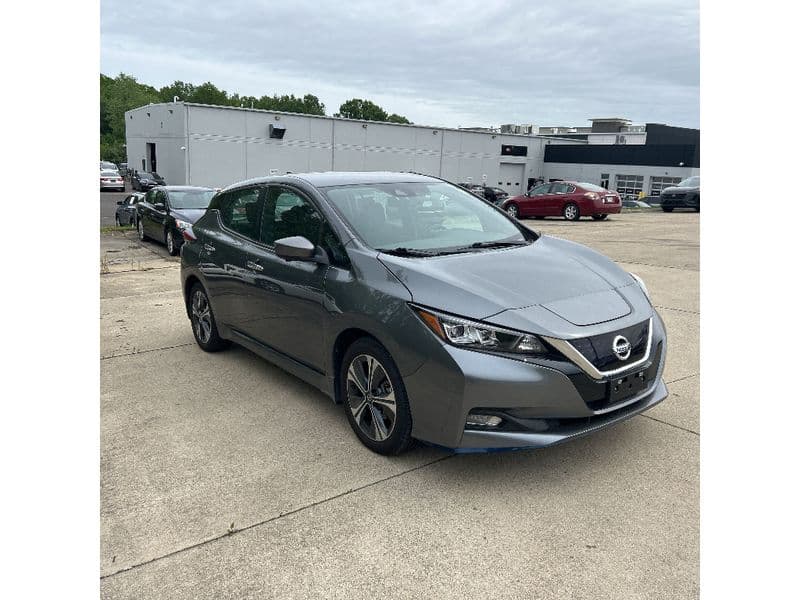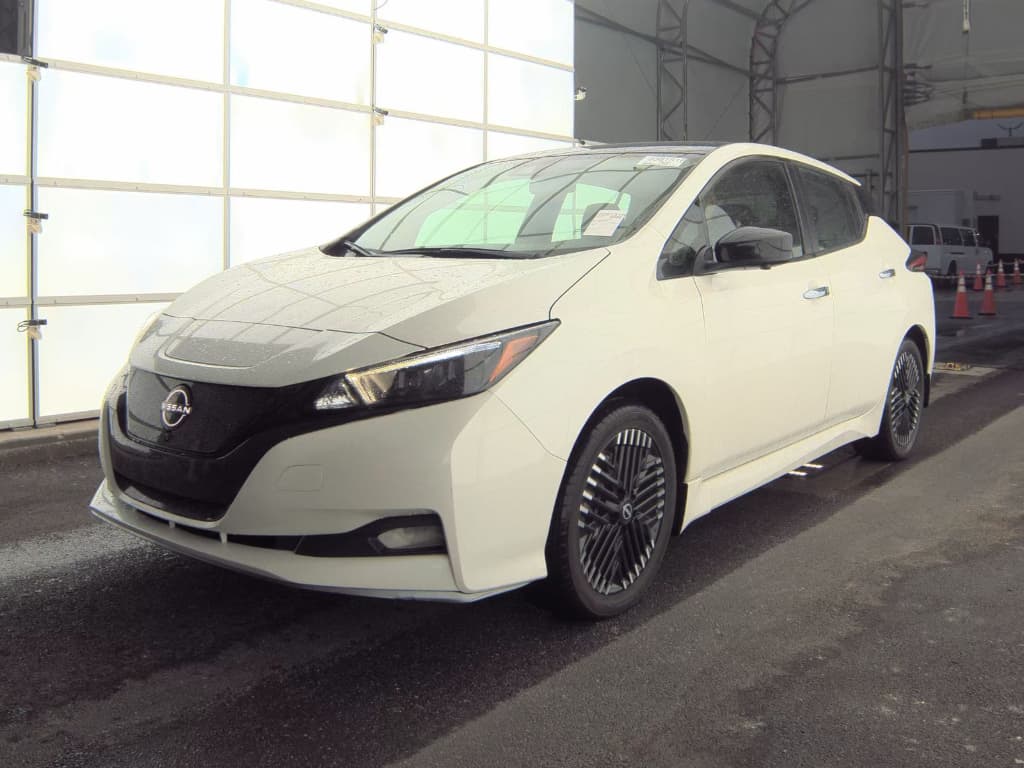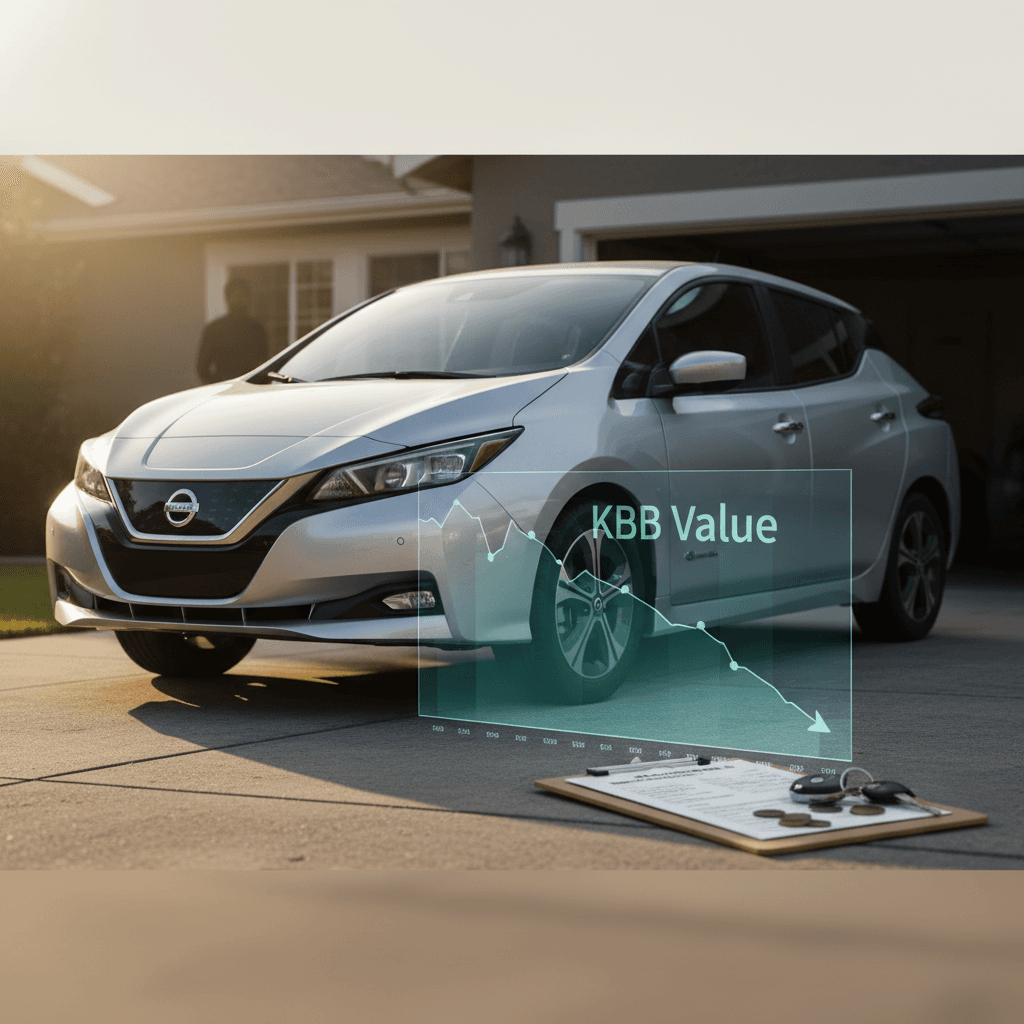
If you own a Nissan Leaf, you’ve probably plugged your VIN into Kelley Blue Book at least once and wondered whether that Nissan Leaf KBB value is realistic. Between steep EV depreciation, fast-changing incentives, and concerns about battery health, figuring out what your Leaf is actually worth in 2026 isn’t as simple as looking at one number on a screen.
Quick Take
How KBB Calculates Nissan Leaf Value
Kelley Blue Book (KBB) builds its Nissan Leaf values from a massive dataset: auction results, dealer transaction prices, asking prices, and historical trends. For a given Leaf, it looks at:
- Model year and trim (S, SV, SL, SV Plus, etc.)
- Original MSRP and options (e.g., ProPILOT Assist, larger battery pack)
- Mileage and condition rating (excellent, very good, good, fair)
- ZIP code and local market demand for EVs
- Whether it’s a private-party sale, trade-in, or dealer retail price
When you check KBB, you’ll usually see three main values for your Leaf:
The Three KBB Numbers You’ll See for a Nissan Leaf
Each tells you something different about what your car is worth.
Trade‑In Value
Private Party Value
Dealer Retail / Fair Purchase Price
Tip: Match the Scenario
Typical Nissan Leaf KBB Values by Model Year
Exact KBB values change week to week, but current data gives us a good sense of how different Nissan Leaf model years are valued in early 2026. Later‑model Leafs with more range and active safety tech understandably sit at the top of the curve, while early cars with short range and older batteries are at the bottom.
Illustrative 2026 KBB-Style Value Ranges for Nissan Leaf (U.S.)
These ranges reflect typical national dealer retail or private‑party pricing for well‑maintained, average‑mileage Leafs. Always check KBB for live numbers on your specific car.
| Model Years | Typical Battery Size | Typical KBB / Market Range* | Key Notes |
|---|---|---|---|
| 2024–2025 | 40–62 kWh | $13,000–$22,000 | Recent cars with relatively strong value retention; still under factory warranty. |
| 2021–2023 | 40–62 kWh | $10,000–$18,000 | Modern tech and range, but hit by recent EV price drops. |
| 2018–2020 (2nd gen) | 40–62 kWh | $7,000–$13,000 | Big step up in range vs. 2011–2017; sweet spot for budget shoppers. |
| 2014–2017 (late 1st gen) | 24–30 kWh | $4,000–$8,000 | Shorter range; values depend heavily on battery health and climate history. |
| 2011–2013 (early 1st gen) | 24 kWh | $2,500–$5,000 | Very low KBB values due to age, range, and early‑generation batteries. |
Use this table as a directional guide, not a quote. Condition, mileage, and battery health can move your value significantly.
Important Disclaimer
Why the Nissan Leaf Depreciates So Quickly
If you feel like your Leaf lost half its value overnight, you’re not imagining it. Multiple studies show that used EVs, and the Leaf in particular, have taken some of the biggest percentage hits in the used market over the last few years. In several analyses, the Leaf shows depreciation of around 20–30% in a single year and well over 50% within the first two years for newer models.
1. Shorter Range vs. New EVs
The Leaf’s range numbers that looked acceptable in 2018 now look modest. A 149‑mile Leaf S or even a 215‑mile Leaf Plus sits next to 275–320‑mile competitors on dealer lots. That gap makes buyers demand discounts, which drags down KBB values.
2. Rapid EV Price Cuts & Incentive Changes
New EV prices and incentives have been a moving target. When new Leafs or rival EVs get price cuts, used Leafs must follow. KBB’s algorithms react to those drops, which is part of why you can see year‑over‑year value declines north of 20%.
3. Battery Degradation Concerns
Shoppers know that battery replacement is expensive, and the Leaf’s passive air‑cooling system has a reputation for faster degradation in hot climates. Even if your pack is healthy, fear of the unknown pushes KBB and market values down.
4. Fast Tech Obsolescence
Every few years brings better DC fast‑charging, driver‑assist tech, and infotainment. That’s great for new‑car buyers, but older Leafs with CHAdeMO ports and dated features bear the brunt in the used‑car price guides.
The Flip Side
Factors That Move Your Leaf KBB Value Up or Down
KBB’s valuation engine weighs many of the same variables an experienced used‑car manager looks at. The difference with a Leaf is how heavily some of these factors hit the final number.
Big Value Drivers for Nissan Leaf KBB Values
What helps, and what hurts, your number the most.
Mileage
Battery Health
Climate & Region
Trim & Options
Accident History
Charging & Use Profile
Watch Out for Generic Condition Ratings
KBB vs. Real-World Market Prices for the Leaf
In a stable market, KBB tracks real‑world values fairly closely. The trouble is, the used EV market hasn’t been stable. Studies of used EVs over the past couple of years show average price drops of roughly 20–25%, with the Nissan Leaf among the steepest decliners. That means your local market can drift above or below KBB’s curve in a hurry.
Nissan Leaf Value Snapshot in the Current Market
On top of that, individual listings can be thousands below guidebook values, especially if a seller is in a hurry or the car has a weak battery. Conversely, a well‑optioned Leaf Plus with a documented healthy pack can sell above KBB in EV‑friendly regions.
Use More Than One Benchmark
How Battery Health Impacts Your Nissan Leaf Value
For gasoline cars, condition is mostly about miles, maintenance, and cosmetic issues. For a Nissan Leaf, the battery pack is the car. Two Leafs of the same year and mileage can differ by thousands of dollars in real‑world value depending on how much energy the pack can still store.
The Leaf uses an air‑cooled battery, and earlier packs especially are sensitive to heat, frequent fast charging, and high states of charge. That’s why savvy buyers now ask for State of Health (SOH) data, not just odometer readings.
How Battery Health Shows Up in Your Leaf’s Value
1. Real‑World Range Shrinkage
If your 151‑mile Leaf behaves like a 105‑mile car in daily use, buyers notice, and they’ll negotiate hard, regardless of what KBB says.
2. Warranty Status
A pack still under Nissan’s capacity warranty is less risky and can support values near the top of KBB’s range. Out‑of‑warranty packs push values toward the bottom.
3. Documented SOH Readings
Providing a recent, third‑party battery health report can boost buyer confidence and help justify a higher price within the KBB band.
4. Charging History
A Leaf that mostly lived on gentle Level 2 charging tends to show better SOH than one that lived on repeated DC fast‑charge sessions, especially in hot climates.
Where Recharged Fits In
Ready to find your next EV?
Browse VehiclesBoosting Your Nissan Leaf Value Before You Sell
You can’t turn a 2015 Leaf into a 2024 model, but you can position your car at the top of its KBB range instead of the bottom. Focus on the things shoppers and algorithms both notice.
Checklist: Simple Moves to Improve Your Leaf’s Value
1. Get a Battery Health Report
Use a reputable diagnostic (or a marketplace like Recharged) to document SOH. A clean report is one of the strongest value boosters for a used Leaf.
2. Fix Obvious “No‑Go” Issues
Warning lights, bald tires, cracked glass, and mushy brakes push your car into the lower KBB buckets. Address inexpensive fixes before getting offers.
3. Clean, Detail, and De‑Smell
A professional interior detail, odor removal, and a simple paint correction can easily move a car from “fair” to “good” or “very good” in a dealer’s eyes.
4. Gather Records & Charger Info
Service records, charging habits, home charger receipts, and any remaining warranties all provide confidence, and support a stronger price.
5. Price Within a Realistic Band
Use KBB, other guides, and live listings. Price slightly above the middle of the reasonable range, then be ready to negotiate based on battery health.
Consider Selling Into EV‑Friendly Markets
Using KBB Value When You Sell or Trade Your Leaf
Think of the Nissan Leaf KBB value as the opening chapter of a negotiation, not the ending. How you use that number depends on how you plan to exit your Leaf.
If You’re Trading In
- Look up KBB trade‑in value for your exact Leaf (trim, miles, ZIP, options).
- Get at least one instant online offer from a third‑party buyer or marketplace.
- Bring both to the dealer and be prepared to walk if their offer is far below that range without a clear explanation tied to battery condition or accident history.
If You’re Selling Privately or to a Marketplace
- Start with KBB’s private‑party range and compare to live listings.
- Use your battery report and maintenance records to justify a price near the top of that band.
- Consider time vs. money: an instant offer or consignment service, like those at Recharged, can be worth a slightly lower price if you want a quick, low‑stress sale.
“On an EV like the Leaf, the price guide gets you into the right neighborhood, but battery health tells you which side of the street you’re actually on.”
Recharged can give you an instant offer on your Leaf, help you consign it to reach more EV shoppers, or take it as a trade‑in toward another used EV. Because we specialize in electric vehicles and measure battery health directly, our pricing reflects things that KBB’s generic model can’t see.
FAQ: Nissan Leaf KBB Value
Common Questions About Nissan Leaf KBB Values
Bottom Line on Nissan Leaf KBB Values
Kelley Blue Book gives you a useful, widely accepted baseline for what your Nissan Leaf is worth, but it was never designed to tell the whole story on a high‑depreciation EV. In 2026, battery health, local demand, and fast‑moving price trends all play a bigger role than any single guidebook number can capture.
If you’re buying, big KBB depreciation means the Leaf can be a bargain commuter, provided you confirm the pack is healthy. If you’re selling, your goal is to prove why your specific car deserves to live near the top of the KBB range, not the bottom. That’s where objective battery diagnostics and EV‑specialist marketplaces like Recharged make all the difference, turning a generic Leaf KBB value into a data‑driven, defensible asking price.