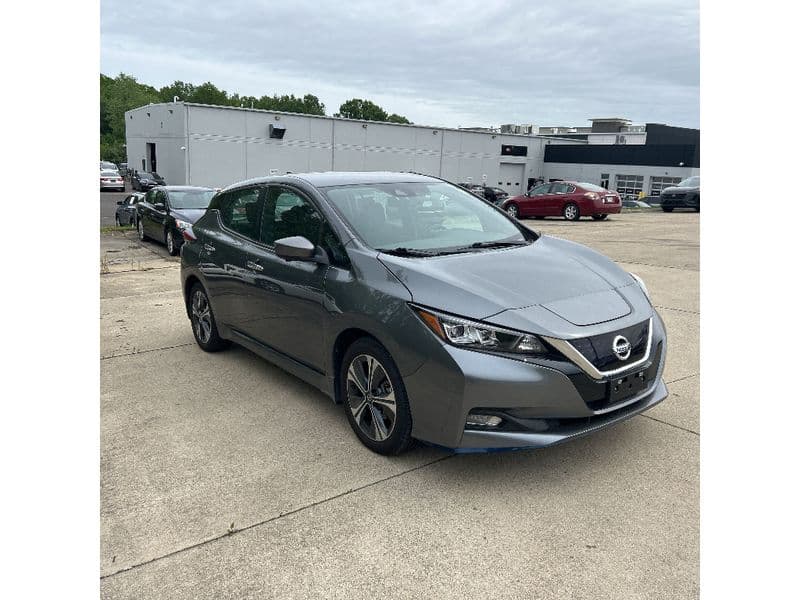
You buy a Nissan Leaf to escape gas bills, not to swap them for a nasty surprise from your insurer. If you’re wondering what the **Nissan Leaf insurance cost per month** actually looks like in 2026, and how to keep it under control, this guide breaks it down in plain English, with real numbers and practical tactics.
A quick word on insurance math
Nissan Leaf insurance cost per month: quick overview
Typical 2026 Nissan Leaf insurance figures (U.S.)
If you only need one number to budget, a realistic **starting point for Nissan Leaf insurance cost per month in 2026 is about $175 for full coverage for a typical U.S. driver with a clean record. With minimum state coverage on an older Leaf, you might land closer to $100 a month or even less in low-cost states.
So how much is Nissan Leaf insurance per month?
Recent analyses of Nissan Leaf insurance place the **average full‑coverage premium** around $2,000–$2,400 per year, which works out to roughly **$165–$200 per month**. Some data sets peg it right at about $2,100 per year, or **$175 monthly**, for a mainstream driver profile (40‑ish, clean record, average credit, standard limits).
Sample Nissan Leaf insurance costs per month (2026)
These are illustrative ranges based on recent market data for U.S. drivers; your actual quotes will depend on state, insurer, and personal profile.
| Driver profile & Leaf | Coverage type | Estimated monthly cost | What’s going on |
|---|---|---|---|
| 2019 Leaf SV, 40-year-old driver, Ohio suburb | Full coverage | $135–$175 | Moderate-cost state, mature driver, solid credit, safe ZIP. |
| 2024 Leaf SV Plus, 30-year-old driver, Los Angeles | Full coverage | $220–$320 | High-cost state, higher repair costs, dense traffic, newer EV. |
| 2015 Leaf S, 50-year-old driver, Texas exurb | Liability + comp only | $80–$120 | Older, lower value Leaf with reduced physical-damage coverage. |
| 2022 Leaf SL Plus, 22-year-old driver, Florida | Full coverage | $260–$400 | Young driver surcharge plus weather and fraud-heavy market. |
| 2013 Leaf S, 45-year-old driver, Illinois | State minimum liability | $55–$90 | Cheapest lawful option but with very limited protection. |
Examples assume around 10,000–12,000 miles per year and no recent at‑fault accidents.
Don’t anchor on your neighbor’s number
Why estimates for Leaf insurance vary so much
If you search around, you’ll see wildly different “average” Nissan Leaf insurance costs, $170 a month here, $253 there, $185 somewhere else. They can all be true, because each uses a different test driver, model year, coverage level, and state mix.
- Some studies look only at **full coverage**; others mix in state-minimum liability policies that are dramatically cheaper.
- Driver age can swing rates by hundreds of dollars a month, teen drivers are effectively a different species in insurer math.
- Certain providers look at just one or two high-cost states, which drags the national “average” up.
- Some use a brand‑new Leaf; others model a mid‑cycle 4–6‑year‑old car, which has already shed a lot of value.
That’s why it’s more honest to talk about **ranges** than a single magic number. For a 2018–2024 Leaf, most mainstream U.S. drivers will see **full‑coverage quotes somewhere between $140 and $260 per month**, with outliers above and below.
11 factors that shape your Nissan Leaf insurance rate
Insurers don’t care that much about your taste in quirky hatchbacks. They care about **how likely they are to pay out, and how much** if something goes sideways. Here’s how that plays out with the Leaf.
What actually moves your Leaf premium
Some of these you can control, some you can’t, but you should at least know the levers.
1. State & ZIP code
Insurance for the same Nissan Leaf can be under $120 a month in a low-cost Midwestern state and double that in South Florida or Southern California. Claims frequency, medical costs, storm risk, and legal climate all feed the algorithm.
2. Age & driving experience
A 45-year-old Leaf owner with a long, clean history will almost always beat a 22-year-old on price, sometimes by a factor of two, no matter how careful that younger driver actually is.
3. Tickets and accidents
Speeding tickets, at-fault crashes, and DUIs can linger for 3–5 years in the pricing model. EV or not, those marks can add $50–$150 a month to your premium.
4. Model year & trim
Newer Leafs, especially well-optioned Plus trims, cost more to repair or replace after a collision. That pushes collision and comprehensive premiums up compared with a 2013 or 2015 Leaf.
5. Repair & battery costs
EVs tend to be more expensive to fix, and a damaged battery pack can tip a Leaf into total-loss territory. Insurers bake that into the rate even if your personal odds of a major crash are low.
6. Coverage limits & deductibles
Higher liability limits and low deductibles (say, $500 instead of $1,500) mean the insurer is on the hook for more of every claim. That’s good for your protection, but you pay for the privilege monthly.
7. Finance or lease requirements
If you lease or finance your Leaf, the lender usually requires full coverage and specific deductibles. You might want bare-bones liability, but the bank wants its asset protected.
8. Credit-based insurance score
In most states, your credit profile quietly nudges your rate up or down. Strong credit can shave a significant amount off your monthly bill for the same Leaf and coverage.
9. Where the car sleeps
Garaged in a quiet suburb? Good news. Street-parked in a dense urban core with high theft and vandalism? Expect to pay more, especially for comprehensive coverage.
10. Annual mileage
The less you drive, the fewer opportunities to crash. Some carriers will meaningfully discount low-mileage Leafs, and many have telematics programs to prove you’re not racking up risky miles.
11. Other drivers on the policy
Add a teen or high‑risk driver to your household, and your Leaf’s rate can spike even if they rarely drive it. Insurers price for exposure, not promise.
Pro move: get “what‑if” quotes before you buy
Nissan Leaf insurance vs other EVs and gas cars
Zoom out from the Leaf and you’ll see a few big trends. **EV insurance in general runs hotter** than coverage for similar gas cars. Industry reports for 2025–2026 put average EV insurance costs north of $300 a month in the U.S., versus mid‑$200s for gas vehicles. The Leaf, mercifully, tends to sit below the pricier EV herd but above garden‑variety compacts.
Leaf vs other EVs
- Compared with premium EVs, Tesla Model S/X, high‑end crossovers, the Leaf is usually cheaper to insure. Lower sticker price, modest performance, and a simpler feature set all help.
- Against mass‑market EVs (Chevy Bolt, Hyundai Kona Electric, Kia Niro EV), the Leaf is often in the same ballpark, sometimes a tad cheaper because it’s been around longer and parts are more familiar.
- The Leaf’s relatively small battery and moderate power output also work in its favor; insurers worry less about 0–60 rockets.
Leaf vs gas compacts
- Compared with a Civic or Corolla, the Leaf’s **insurance is often 15–30% higher**, even when purchase prices are similar.
- The culprit isn’t crash rate, Leaf drivers skew cautious, it’s repair economics: specialized shops, pricier components, and that big battery.
- That said, when you factor in fuel and maintenance, total monthly running cost still favors the Leaf for many drivers.

Insuring a used Nissan Leaf: what’s different?
If you’re shopping the used market, which is Recharged’s home turf, the good news is that **used Nissan Leafs are usually cheaper to insure than new ones**. But because older Leafs depreciate fast, insurers are also quicker to total them after a serious hit, and that affects how you should think about coverage.
Insurance quirks specific to used Leafs
Why a 2015 Leaf doesn’t behave like a 2024 Leaf on your insurance bill.
Lower actual cash value
A 2013–2016 Leaf might be worth a fraction of its original MSRP. That means collision and comprehensive coverage cost less, but the car is also easier for the insurer to write off after a moderate crash.
Battery health questions
Insurers don’t yet price your exact State of Health percentage, but they do see older EVs as a bit more fragile. Rapid‑charging history and prior damage can influence adjusters when something happens.
Coverage decisions change
On a high‑mileage Leaf that you could replace for cash, dropping collision (and maybe comprehensive) can make sense. On a newer used Leaf that’s still financed, full coverage is usually non‑negotiable.
How Recharged helps with used Leaf risk
9 ways to lower your Nissan Leaf insurance bill
You can’t move your birthday or teleport your ZIP code, but you do have levers. Think of this as a playbook to bring that **Nissan Leaf insurance cost per month** down without leaving yourself financially naked.
Practical Leaf insurance savings checklist
1. Right-size your coverage, don’t just slash it
Start by checking your liability limits. State minimums are often dangerously low; instead of cutting liability, look at whether you still need collision on an older, paid‑off Leaf.
2. Adjust deductibles thoughtfully
If you can comfortably handle a $1,000 or $1,500 deductible, bumping it up from $500 can noticeably cut your monthly premium, especially on newer Leafs with higher repair costs.
3. Bundle home, renters, or condo policies
Most carriers discount when you combine auto and property policies. The savings can be big enough that your Leaf feels like it got a quiet, permanent coupon applied.
4. Use telematics or “safe driver” programs
Usage‑based insurance apps monitor your driving. If you’re the sort of Leaf driver who hypermiles and avoids rush‑hour chaos, the data can finally work in your favor.
5. Ask about EV and safety discounts
Some insurers now offer small perks for electric cars, advanced driver‑assist features, or owning vehicles with strong crash‑test records. The Leaf often qualifies; you just have to ask.
6. Shop around every 12 months
Insurer appetites for EVs shift quickly. The company that loved Leafs in 2023 might not in 2026. Get fresh quotes at each renewal, especially if your rate jumps unexpectedly.
7. Clean up small coverage add‑ons
Rental coverage, roadside assistance, and glass riders can be useful, but they’re not always priced fairly. Compare the cost against standalone services you might already have through your credit card or automaker.
8. Keep your mileage honest, and maybe lower
If your Leaf is a commuter tool, not a road‑trip warrior, make sure your declared annual miles reflect reality. Some carriers offer a clear discount below certain mileage tiers.
9. Mind your credit health
It’s not glamorous, but improved credit can lower your insurance costs over time in most states. Paying down revolving balances and avoiding late payments helps twice: on loans and on premiums.
What not to do to save a buck
Folding insurance into total cost of Leaf ownership
Insurance is just one line in the spreadsheet, but it’s the most opaque. To decide whether a Leaf, especially a used one, fits your budget, you need to zoom out and compare **fuel, maintenance, and depreciation** alongside premiums.
Typical monthly Leaf ownership stack
- Insurance: $150–$200 for full coverage is a realistic planning range for many U.S. drivers.
- Electricity: At average residential rates, many Leaf owners land around $30–$60 a month in charging for 800–1,000 miles of driving.
- Maintenance: No oil changes, fewer moving parts. Budget $20–$40 per month over time for tires, brake fluid, cabin filters, and incidentals.
- Depreciation/loan payment: This is the wild card. A gently used Leaf often has a **much lower payment** than a new EV, which helps offset insurance.
Where Recharged fits in
When you buy a used Leaf through Recharged, you get a detailed Recharged Score Report that covers battery health and fair market value. That clarity makes it easier to:
- Decide whether full coverage still makes sense for the car’s value.
- Compare quotes apples-to-apples across insurers.
- Avoid over‑insuring a Leaf that has already taken its big depreciation hit.
If you’re trading in a gas car for a Leaf, Recharged can also give you an instant offer for your old vehicle and help with financing, so you see the whole monthly picture, payment, fuel, and insurance, before you sign.
FAQs about Nissan Leaf insurance cost per month
Common questions about Nissan Leaf insurance
Bottom line: what you should actually budget
If you strip away the marketing gloss, a fair expectation for **Nissan Leaf insurance cost per month in 2026** is roughly **$150–$220 for full coverage** for most mainstream U.S. drivers, with a sensible planning anchor around $175 a month. Liability‑only on older, paid‑off Leafs can drop well below that, but at the cost of protection.
The Leaf’s insurance story is the classic EV story in miniature: slightly higher premiums, offset by cheaper fuel and simpler maintenance, especially if you buy used. Where you really win is by being deliberate, right‑sizing coverage, shopping quotes, and choosing the right car upfront. If you’re considering a used Leaf, Recharged can help you find one with verified battery health, transparent pricing, and expert guidance so your total monthly cost of ownership, insurance included, actually matches your expectations.