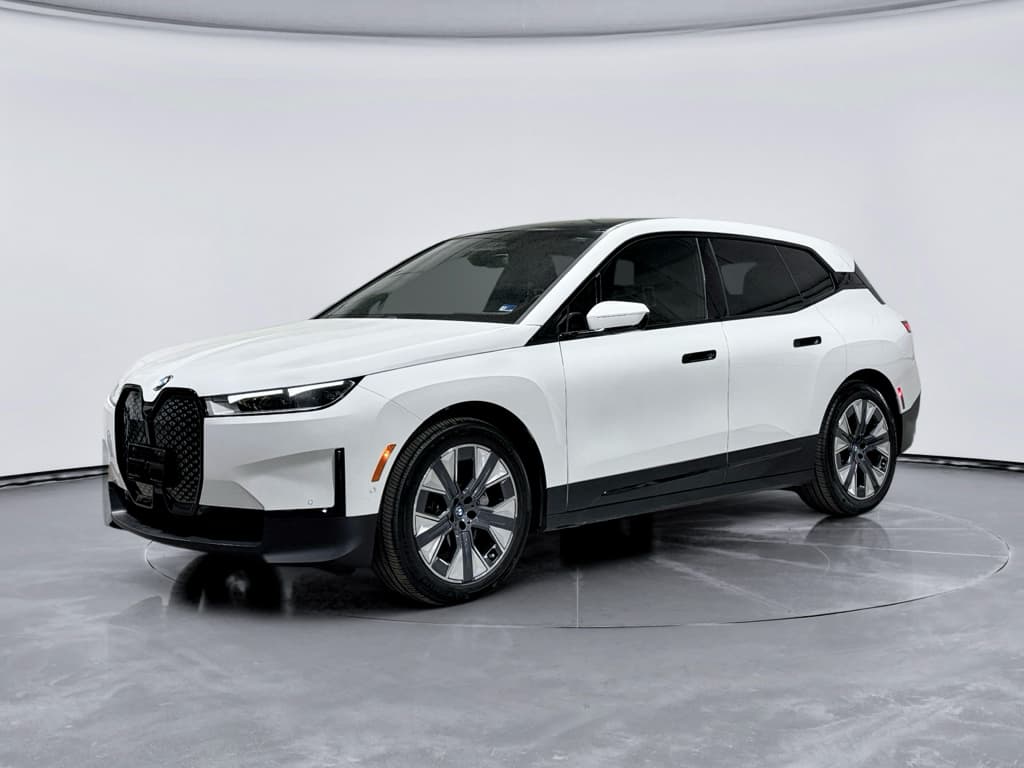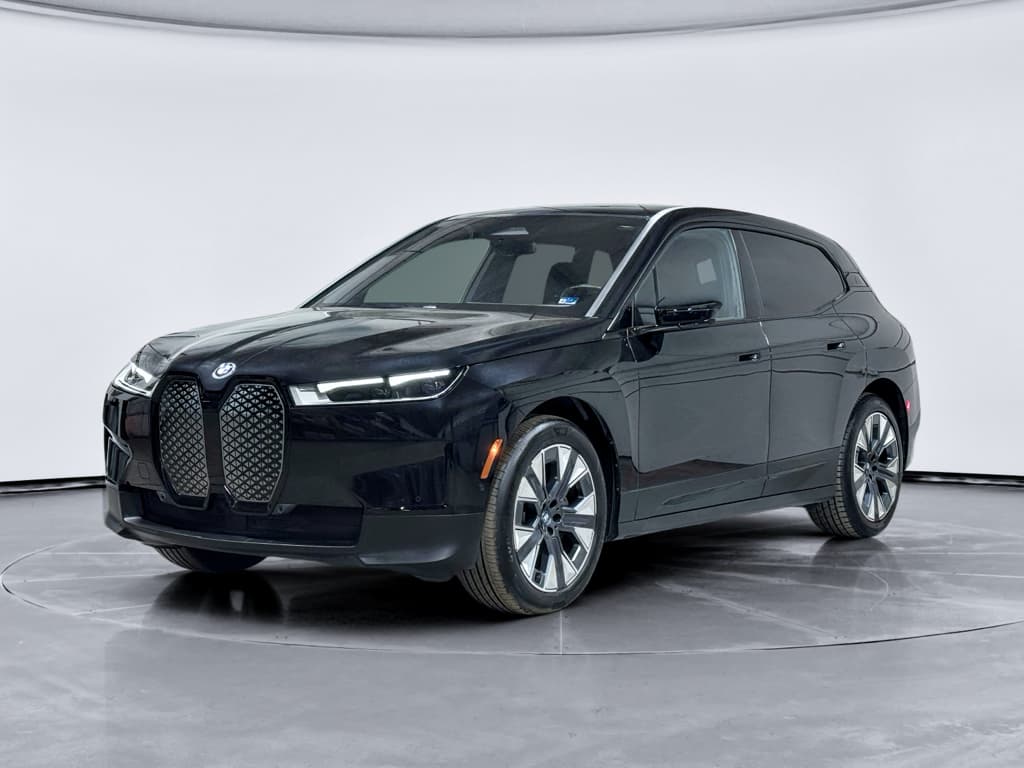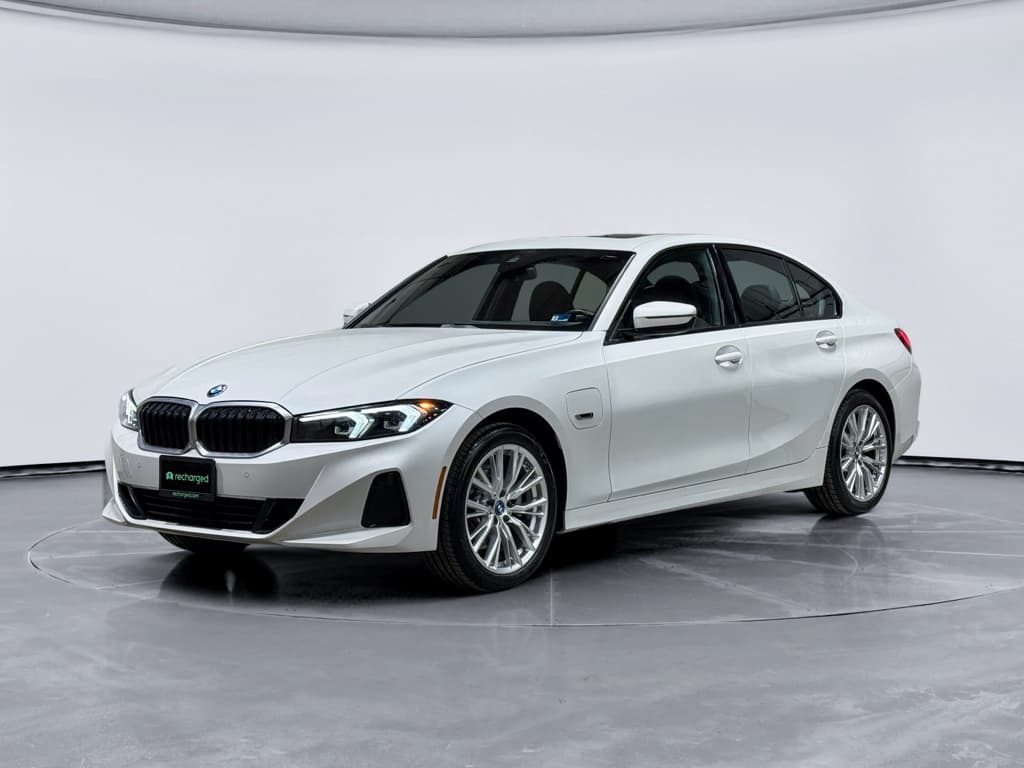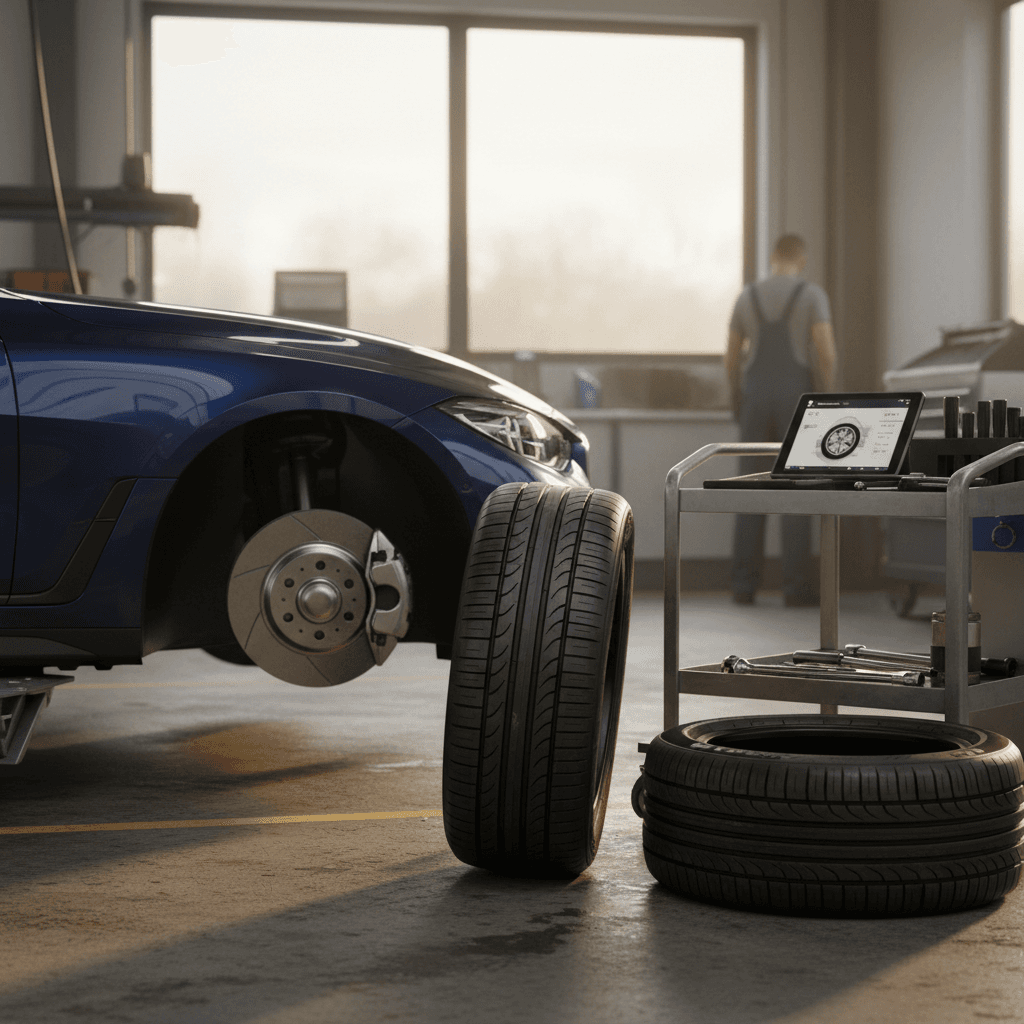
Tires are quietly one of the biggest running costs on any EV, and the BMW i4 tire replacement cost can surprise new owners. You’ve got heavy curb weight, strong torque, and (on many trims) sticky performance tires wrapped around 19" or 20" wheels, all of which chew through rubber faster than a typical gas 3 Series. The good news: if you understand your i4’s wheel setup and shop smart, you can control costs without giving up safety, range, or driving fun.
Why i4 tires cost more than “normal” tires
BMW i4 tire replacement cost: quick overview
Typical BMW i4 tire replacement costs (U.S.)
For most BMW i4 drivers in the U.S., a full four‑tire replacement, including mounting, balancing, and basic fees, lands between $800 and $1,200 at a reputable shop. High‑performance 20" tires or OE‑spec run‑flats can push the bill closer to $1,400–$1,600. If you’re willing to step down to a more comfort‑oriented, non‑run‑flat tire in 18"–19" sizes, you can usually keep a full set under about $900 with careful shopping.
Don’t build your budget around “$150 per tire” quotes
BMW i4 tire sizes, wheel options, and why they matter
The BMW i4 (G26) is sold with several wheel and tire combinations depending on trim (eDrive35, eDrive40, xDrive40, M50), market, and option packages. Broadly, you’ll see 18", 19", or 20" wheels, sometimes with staggered fitment, wider tires in the rear than in the front, on sport packages and the M50. Those details matter because tire size, width, and run‑flat construction all drive cost.
Common BMW i4 wheel & tire setups (U.S. & EU examples)
Representative factory‑style sizes you’re likely to see on an i4. Always confirm your exact size from the sidewall or driver’s door jamb label before ordering tires.
| Trim / package | Wheel diameter | Typical fitment | Example size (front) | Example size (rear) | Notes |
|---|---|---|---|---|---|
| eDrive35 / eDrive40 base | 18" | Square (same all around) | 245/45R18 | 245/45R18 | Often all‑season, sometimes run‑flat |
| eDrive40 / xDrive40 M Sport | 19" | Square or mild stagger | 245/40R19 | 245/40R19 or 255/40R19 | Sportier summer or all‑season tires |
| i4 M50 19" | 19" | Staggered on many builds | 245/40R19 | 255/40R19 | Performance non‑run‑flat is increasingly common |
| i4 M50 20" High Performance | 20" | Staggered | 245/35R20 | 255/35R20 or 265/35R20 | Max performance summer, highest cost and wear |
Sizes shown are examples only; check your car’s sticker and sidewall to verify.
Quick way to identify your tires
Average BMW i4 tire replacement cost by setup
Exact pricing fluctuates with brand, region, and discounts, but we can outline realistic U.S. retail ranges for the most common BMW i4 setups. These ballparks include mainstream brands (Michelin, Pirelli, Continental, Bridgestone, etc.) and assume you’re not buying the absolute cheapest or most exotic options.
Approximate BMW i4 tire replacement costs by size & type
Typical price ranges for a full set of four tires before tax, plus rough installed totals once you add mounting, balancing, and common shop fees.
| Setup | Tire type & brand tier | Tire price per tire | Set of 4 (tires only) | Installed total (typical) |
|---|---|---|---|---|
| 18" all‑season (eDrive35/40) | Mid‑tier all‑season, non‑run‑flat | $170–$230 | $680–$920 | $800–$1,050 |
| 18" all‑season (run‑flat) | Premium run‑flat all‑season | $230–$300 | $920–$1,200 | $1,050–$1,350 |
| 19" sport/all‑season | Mid‑ to high‑tier, many EV‑specific | $220–$320 | $880–$1,280 | $1,000–$1,500 |
| 19" performance (M Sport/M50) | Max‑performance or EV performance tire | $260–$360 | $1,040–$1,440 | $1,150–$1,650 |
| 20" performance (M50 High Performance) | Ultra‑high‑performance summer, often staggered | $280–$400+ | $1,120–$1,600+ | $1,250–$1,800+ |
All numbers are estimates for the U.S. market in 2025–2026 and will vary by location.
What “installed total” usually includes
Why online prices look cheaper
When you search BMW i4 tire sizes on large online retailers, it’s common to see attractive per‑tire prices. Remember those numbers usually exclude mounting, balancing, and alignment. By the time you ship to a local installer and pay service fees, the gap with a good brick‑and‑mortar shop often narrows.
Used EV perspective from Recharged
At Recharged, we see a wide range of tire conditions on used BMW i4s. A car that needs four tires today can effectively add $800–$1,500 to your real purchase cost. That’s why every vehicle we list includes a Recharged Score Report with tread depth and tire condition, so you’re not blindsided by a big tire bill right after delivery.
Dealership vs tire shop vs online: where to buy i4 tires
You can replace BMW i4 tires at a BMW dealer, an independent tire shop, warehouse clubs, or by buying online and shipping to an installer. Each path has trade‑offs in price, convenience, and expertise.
Pros and cons of common BMW i4 tire sources
Price is only part of the equation, think about EV experience, availability, and warranty support too.
BMW dealership
- Best for OEM‑spec tires and matching original equipment exactly.
- Technicians know BMW TPMS and alignment specs cold.
- Often the highest prices; 15–30% more than independent shops is common.
Great if you’re under warranty or want exact factory tires, less ideal if you’re cost‑sensitive.
Independent tire shop / warehouse club
- Often the best balance of price and service.
- Can recommend EV‑appropriate tires in your size.
- More flexible about mixing brands or moving away from run‑flats.
Ask how many EVs they see and whether they understand i4 lift points and battery clearance.
Online retailers
- Huge selection, easy price comparison.
- Frequently run rebates and promotions.
- Requires shipping to an installer and coordinating appointments.
Good if you know exactly what you want and have a trusted installer lined up.
Ask this before you book an appointment
Run-flat vs regular tires on the BMW i4
Some BMW i4s ship on run‑flat tires (especially earlier U.S. builds and some 18"–19" setups), while newer performance‑oriented trims increasingly use non‑run‑flat performance tires. Switching away from run‑flats is one of the biggest levers you have on both cost and comfort, but it comes with trade‑offs.
- Run‑flat tires typically cost about $50–$100 more per tire than a comparable conventional tire.
- Run‑flats let you drive at reduced speed to a safe location after a puncture, instead of pulling over immediately.
- Non‑run‑flat tires usually ride more comfortably, generate less impact harshness on potholes, and provide more brand/model choices.
- If you ditch run‑flats, you’re relying on tire sealant, roadside assistance, or a compact spare kit rather than driving on a flat.
Don’t mix run‑flat and non‑run‑flat tires
How long BMW i4 tires last and what wears them out
Tire replacement cost only tells half the story; tread life determines your real cost per mile. BMW i4 owners commonly see 20,000–35,000 miles from their first set of tires, but the spread is huge depending on wheel size, driving style, and alignment.
What shortens BMW i4 tire life?
Think in terms of physics: weight, torque, and road surface all matter.
Performance driving & torque
The i4’s instant torque and heavy curb weight are hard on rear tires, especially on M50 and xDrive cars. Frequent hard launches, aggressive cornering, and high‑speed driving all accelerate wear, often cutting life on soft summer tires below 20,000 miles.
Wheel size, tire type & roads
Larger 20" wheels with low‑profile performance tires wear faster and are more vulnerable to pothole damage. Commuting on smooth highways in mild climates favors longer life; rough urban streets and big temperature swings do the opposite.
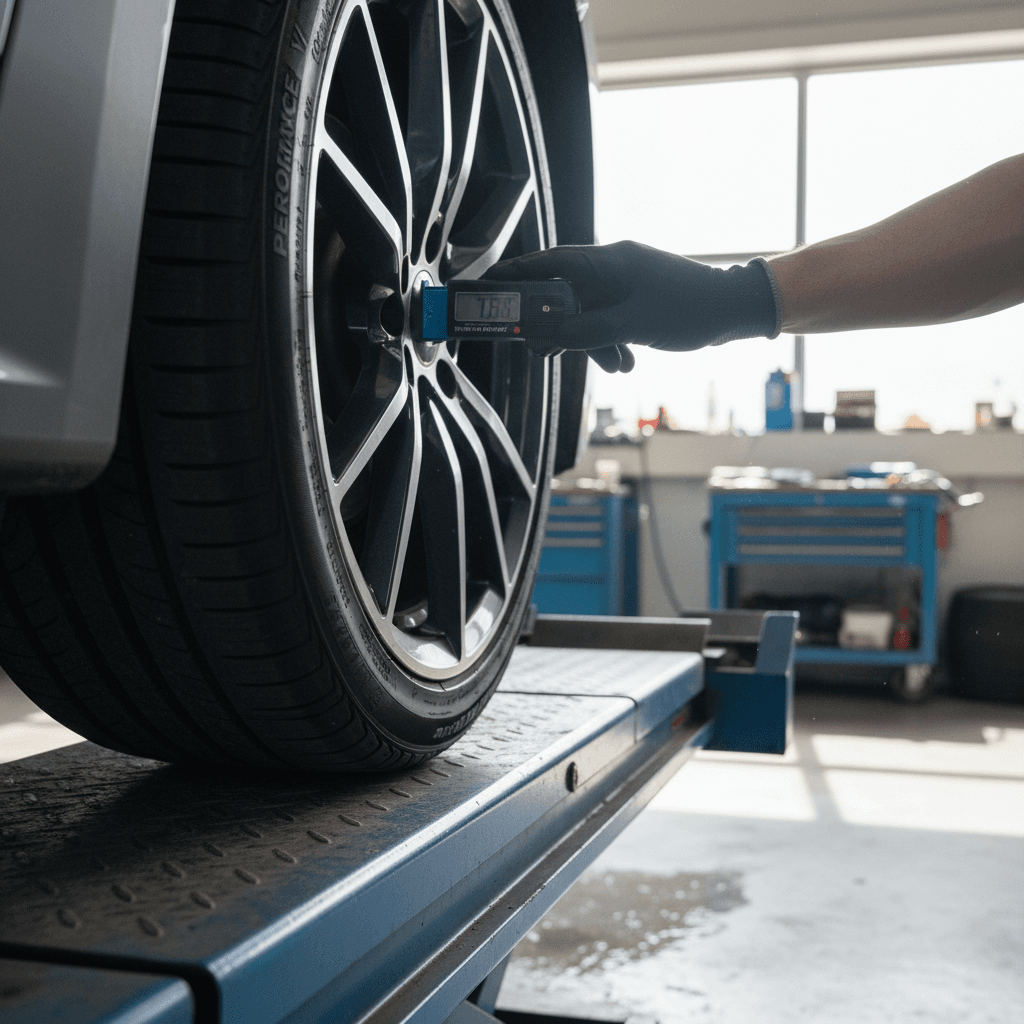
Check tread depth, not just mileage
How to save money on BMW i4 tires without sacrificing safety
You’re not going to turn BMW i4 tires into a cheap wear item, but you can avoid overpaying or under‑buying. Think in terms of cost per mile and risk management rather than chasing the lowest invoice.
Smart BMW i4 tire savings strategies
1. Consider downsizing from 20" to 19" or 18"
If your i4 M50 or xDrive40 runs 20" wheels, a dedicated 18" or 19" wheel‑and‑tire set for daily driving can dramatically cut replacement cost and improve comfort. Many owners keep the 20s for summer or aesthetic use and daily‑drive smaller wheels.
2. Look for EV‑friendly touring tires
Not every EV needs max‑performance summer rubber. High‑quality all‑season or grand‑touring tires with good rolling resistance and wet performance can last longer and cost less than ultra‑aggressive summer compounds.
3. Stack rebates and credit card offers
Major brands and tire centers frequently run rebates ($50–$120) on four‑tire purchases, and some cards add statement credits. Timing your purchase around promotions can shave a meaningful chunk off the bill.
4. Get an alignment with every new set
It feels like an extra cost, but a proper four‑wheel alignment prevents uneven wear that can destroy a new set in 10,000–15,000 miles. Over the life of the car, that easily pays for itself.
5. Rotate when your setup allows
Square setups (same size all around) can be rotated front to rear to spread wear. Staggered setups can’t be rotated in the same way, which makes choosing a square fitment more attractive if long tread life is a priority.
6. Buy a used EV with fresh tires
If you’re still shopping for an i4, factor tires into the deal. At Recharged, we call out tire condition in the Recharged Score so you can compare cars where the seller has already eaten that $1,000+ expense.
When paying more actually saves you money
Range, noise, and comfort: how tire choices change your i4
On an EV like the i4, tires are part of the drivetrain. Swap compounds or sizes and you can feel the difference in range, road noise, and ride quality immediately. That’s a feature, not a bug, if you understand the trade‑offs.
Range and efficiency
- Wider, stickier tires (often on 20" wheels) add grip but increase rolling resistance, typically trimming a few percent off real‑world range.
- EV‑specific low‑rolling‑resistance tires can preserve more of the i4’s rated range, especially in highway commuting.
- Larger‑diameter wheels also tend to be heavier, which can marginally increase consumption in stop‑and‑go driving.
Noise and comfort
- Thin sidewalls on 20" tires transmit more bumps into the cabin and can make expansion joints feel sharp.
- Many owners report 18"–19" tires with taller sidewalls as a sweet spot between precision and comfort.
- Some EV‑branded tires include foam liners or special tread patterns to cut road noise, which can be worth a modest price premium.
If your i4 suddenly feels louder after new tires
BMW i4 tire maintenance checklist
A bit of discipline on tire maintenance stretches every dollar you spend on rubber, and keeps the i4’s strong acceleration safely under control.
Simple routine to maximize BMW i4 tire life
1. Check pressures monthly
Use the pressure values on the driver’s door jamb (they differ for 18", 19", and 20" setups). Under‑inflation kills range and causes premature shoulder wear; over‑inflation reduces grip and ride quality.
2. Inspect tread and sidewalls
Look for uneven wear, bubbles, cuts, or cords showing. Catching an alignment issue or damaged sidewall early can save you from replacing a full set prematurely.
3. Rotate when possible
If your i4 is on a square setup, rotate tires every 6,000–8,000 miles. Fronts and rears see different loads; rotation evens that out. Staggered setups can only be swapped side‑to‑side in some cases, ask your shop.
4. Avoid full‑throttle launches on cold tires
Cold, stiff rubber plus big torque is a recipe for wheelspin and accelerated tread wear. Give the tires a few miles to warm up before you explore full power.
5. Re‑check alignment after pothole hits
If you slam a pothole or curb, pay attention to any new pull, vibration, or steering wheel off‑center. A quick alignment check now is cheaper than scrubbing off expensive rubber over the next 5,000 miles.
BMW i4 tire replacement FAQ
Frequently asked questions about BMW i4 tire costs
Bottom line: budgeting for BMW i4 tire costs
When you look at the full picture, BMW i4 tire replacement cost is less of a mystery and more of a planning exercise. Big wheels, sticky rubber, and EV weight mean you should treat tires as a predictable, recurring line item: figure on roughly $800–$1,500 every 20,000–35,000 miles depending on your setup and driving style. The decisions you make, wheel size, run‑flat vs conventional, tire category, where you buy, and how you maintain them, have a bigger impact on long‑term cost than any single invoice.
If you already own an i4, use the ranges here to sanity‑check quotes, ask better questions at the tire counter, and pick a tire that fits how you really drive. If you’re shopping for a used BMW i4, bake tires into your total cost of ownership. Recharged’s Recharged Score Report and EV‑specialist support team can help you compare vehicles, understand upcoming tire and maintenance costs, and even arrange financing and nationwide delivery so your next i4, and its tires, fit both your budget and your expectations.