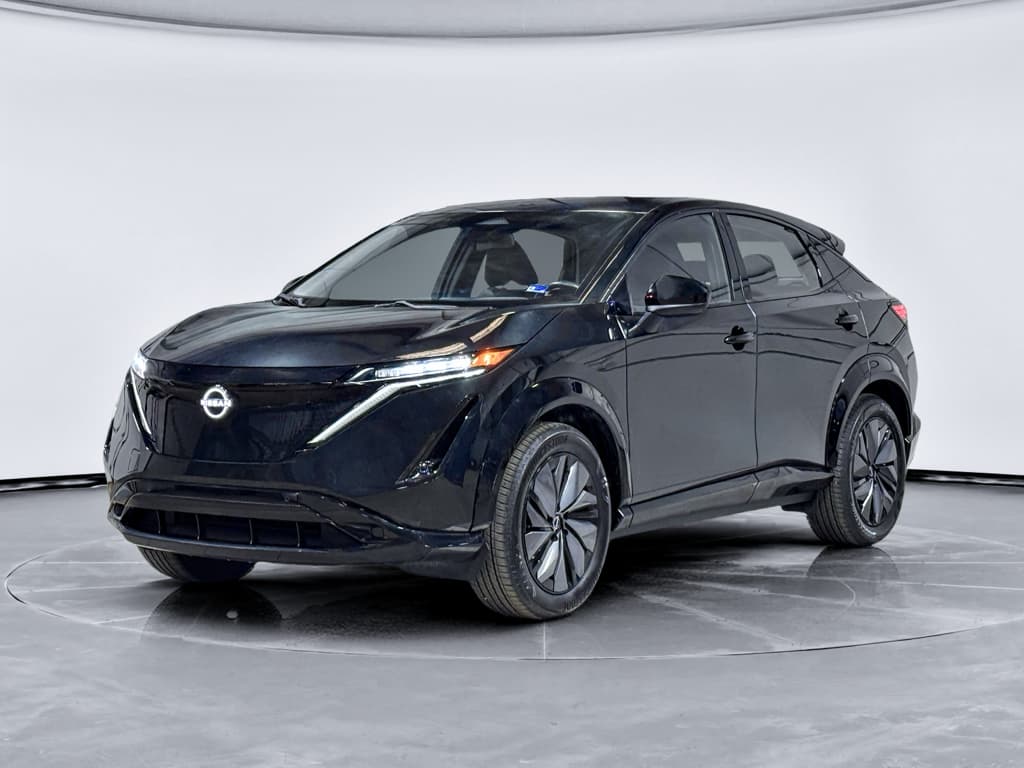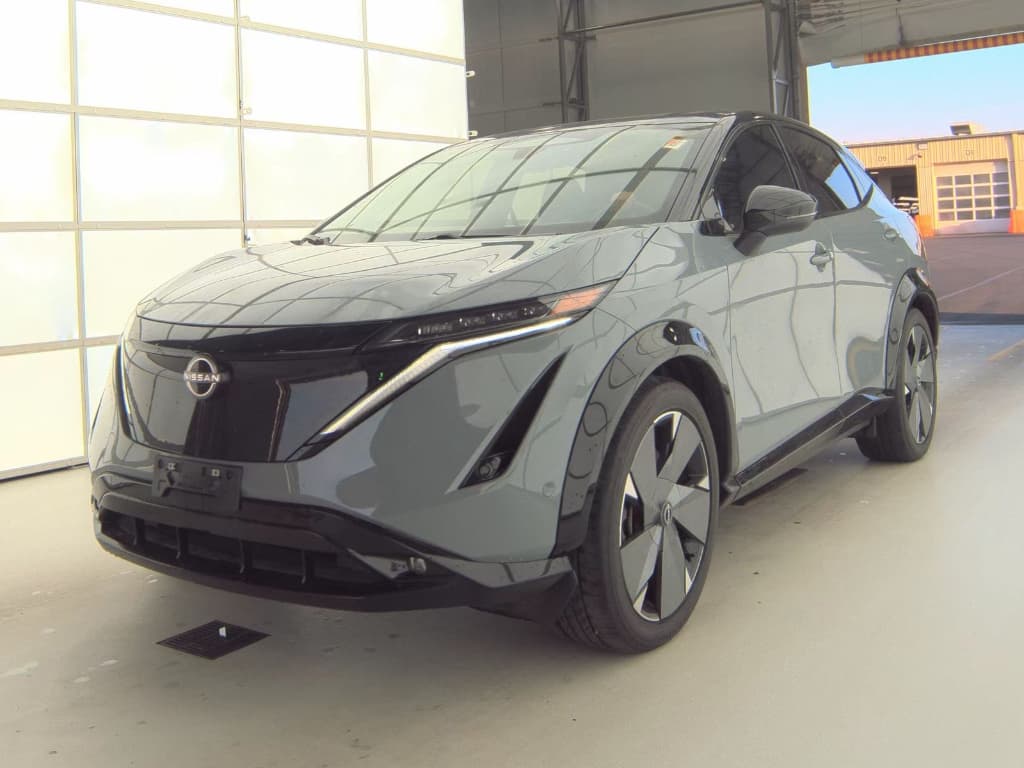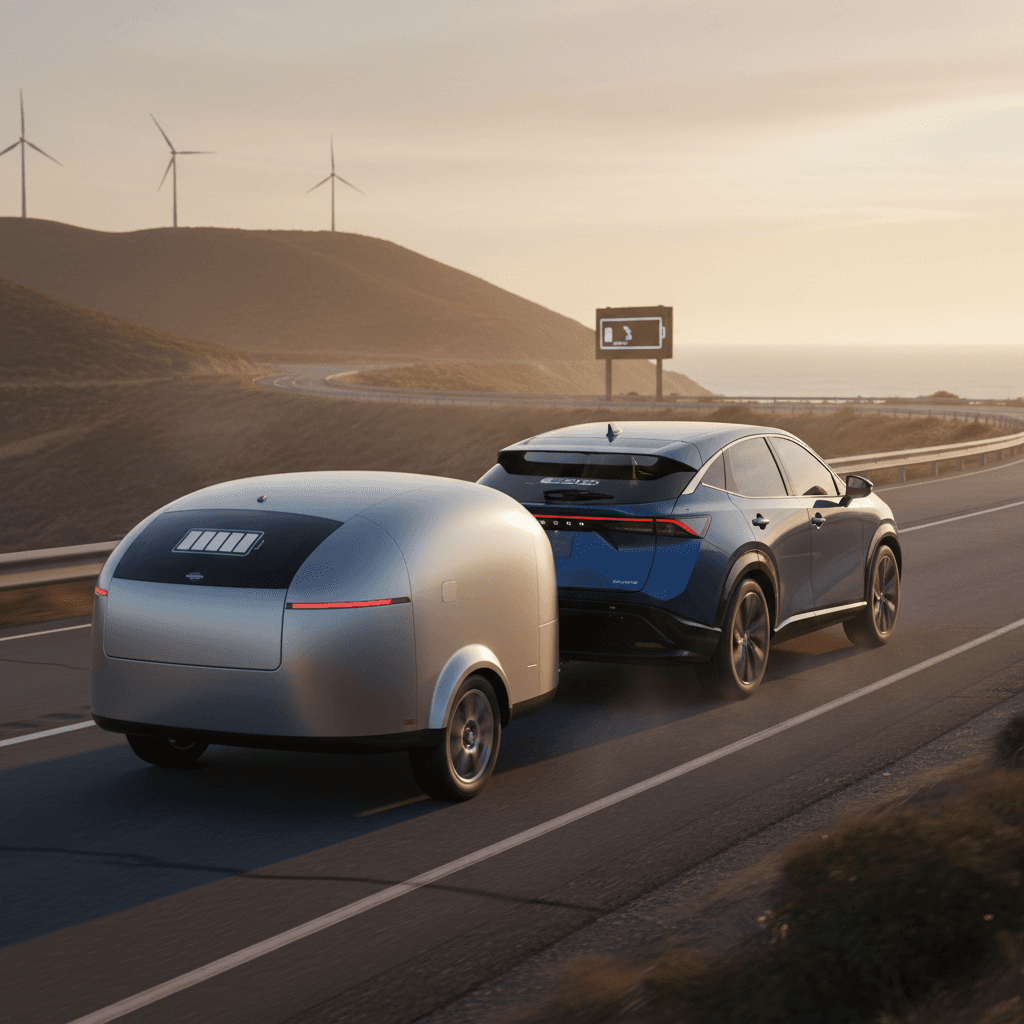
If you’re eyeing a Nissan Ariya and wondering whether it can tow a camper, utility trailer, or pair of jet skis, you’re not alone. The good news: the Ariya was engineered for light-duty towing, not “no towing” like some early EVs. The catch is that towing has a big impact on range loss, and the numbers vary a lot by trim, battery, and how you drive.
Quick answer
Can the Nissan Ariya tow at all?
Unlike many compact EVs that officially prohibit towing, the Nissan Ariya is tow-rated from the factory in most recent model years when properly equipped with a hitch. That means Nissan has validated the structure, cooling, and driveline for light trailers within specific limits. However, the exact tow rating and whether a factory hitch is offered can vary by model year, market, and trim, so you always want to confirm the numbers for the specific Ariya you’re considering.
- The Ariya is designed for light recreational towing (small campers, utility trailers, bikes, small boats).
- Heavier loads like large travel trailers or car haulers are beyond its intended capabilities.
- You must use a properly installed, vehicle-rated hitch and follow Nissan’s weight limits and tongue-weight guidance.
Always check your specific vehicle
Nissan Ariya towing capacity by trim and battery
Official tow ratings for the Ariya vary slightly by model year and region, but the pattern is consistent: front-wheel-drive (FWD) models are aimed at lighter trailers, while dual-motor e-4ORCE AWD versions are designed to handle somewhat heavier loads when properly equipped. The battery pack (standard vs long-range) doesn’t usually change the tow rating, but it absolutely affects how far you can go between charges.
Approximate Nissan Ariya towing capacity ranges
Always verify tow ratings for your specific VIN and market. These ranges summarize how recent Ariya models are typically configured for towing.
| Configuration | Drivetrain | Typical tow rating (lbs) | Best use cases |
|---|---|---|---|
| Standard-battery FWD (Engage-type trims) | FWD | ~1,500 | Small utility trailer, bikes, light cargo |
| Long-range FWD (Venture+/Evolve+-type) | FWD | ~1,500 | Small teardrop camper, light cargo trailers |
| Standard-battery e-4ORCE | AWD | ~2,000 | Utility trailer with heavier cargo, small boat |
| Long-range e-4ORCE (Evolve+/Platinum+-type) | AWD | ~2,000–2,700 | Heavier small campers, pop-up trailers within rating |
If in doubt, assume the lower number and build in a margin for safety.
Why some specs look different online
Key towing numbers to keep in mind
How towing affects Nissan Ariya range
With any EV, towing is less about whether the powertrain can move the weight and more about how much extra energy it takes to push that bigger, boxier shape through the air. The Nissan Ariya has plenty of torque for light trailers, but when you hook up even a modest camper, you’re adding both weight and, more importantly, aerodynamic drag.
- At city speeds, extra weight matters more; range might drop 20–35%.
- At highway speeds (65–75 mph), drag dominates; range drops of 40–55% are common with tall campers.
- Low, narrow utility or cargo trailers usually cost you less range than a boxy RV of the same weight.
- Headwinds, hills, cold temperatures, and oversized roof boxes can compound losses further.
Think “brick through the air”
Real-world Ariya range loss examples when towing
Because the Ariya is still relatively new, we don’t have the same mountain of tow data that exists for long-running EVs like the Tesla Model Y. But based on Ariya highway range tests, owner reports with bikes and small trailers, and towing results from similar-size EV crossovers, we can lay out practical ballpark numbers so you can plan trips without getting stranded.
Sample towing scenarios for Nissan Ariya
These are illustrative, not promises, always plan conservatively.
1. Small utility trailer
Load: 4x8 utility trailer with yard equipment, ~800–1,000 lbs total.
- Trim: Long-range FWD (~289–304 mi EPA when empty).
- Speed: 60 mph, mostly flat.
- Likely range: ~170–200 miles on a full charge.
That’s about 30–40% range loss versus driving solo.
2. Lightweight teardrop camper
Load: Small teardrop or micro-camper, ~1,400–1,800 lbs.
- Trim: Long-range FWD or AWD.
- Speed: 60–65 mph mixed terrain.
- Likely range: ~140–170 miles per charge.
Plan for roughly 40–50% less range than your EPA rating.
3. Boxy camper in the mountains
Load: Tall, boxy camper near max tow rating.
- Trim: e-4ORCE AWD, long-range battery.
- Speed: 65–70 mph, hilly route.
- Likely range: ~100–130 miles between charges.
In worst cases with bad weather or headwinds, expect up to ~55% loss.
Never plan to “run it to 0%” while towing
Best Nissan Ariya trims if you plan to tow
If towing is part of your life, whether that’s a small camper a few times a year or a utility trailer for home projects, picking the right Ariya trim matters. The battery size and drivetrain are far more important than leather seats or a panoramic roof when there’s a trailer involved.
Ariya trims ranked for light towing
From most to least towing-friendly for most owners.
1. Long-range FWD (Venture+ / Evolve+ type)
If you want the most range while towing, a long-range FWD Ariya is hard to beat:
- Largest battery (upper-80s/low-90s kWh usable).
- EPA range up to the high 200s/low 300s miles when empty.
- Less drivetrain loss than AWD at highway speeds.
For a small camper or utility trailer within the tow rating, this is the sweet spot for maximum miles per charge.
2. Long-range e-4ORCE AWD (Evolve+ / Platinum+ type)
If your towing includes steep grades, boat ramps, or winter roads, the dual-motor e-4ORCE Ariya adds traction and control:
- Similar battery size to long-range FWD trims.
- Typically slightly lower EPA range when empty.
- Extra traction and stability with a loaded hitch.
Great choice if you prioritize confidence on slippery or hilly roads over maximum range.
3. Standard-battery e-4ORCE or FWD (Engage-type)
The smaller-pack Ariyas can tow within their rating, but the usable range while towing shrinks quickly:
- Lower EPA range to start with.
- Same aerodynamic penalty as larger-battery trims.
- Best reserved for short, known routes with plenty of charging.
They’re fine for runs to the hardware store, but not ideal as road-trip tow vehicles.
4. What about wheel size and options?
Bigger wheels and stickier tires tend to sap range, especially at highway speeds. If towing range matters more than looks, consider:
- Sticking with 19-inch wheels when possible.
- Avoiding heavy roof accessories that add drag.
- Keeping tire pressures at the recommended spec.
How Recharged can help
Ready to find your next EV?
Browse VehiclesTow hitches, trailer brakes, and weight basics
Once you know your Ariya’s tow rating, the next step is making sure the hardware and weights are dialed in. This is the unglamorous part of towing, but it’s what keeps you, and your battery, out of trouble.
Ariya towing setup checklist
1. Confirm your official tow rating
Look up towing specs in the owner’s manual for your exact model year and trim. Never exceed the lowest-rated component among <strong>vehicle, hitch, and trailer</strong>.
2. Use a properly rated hitch
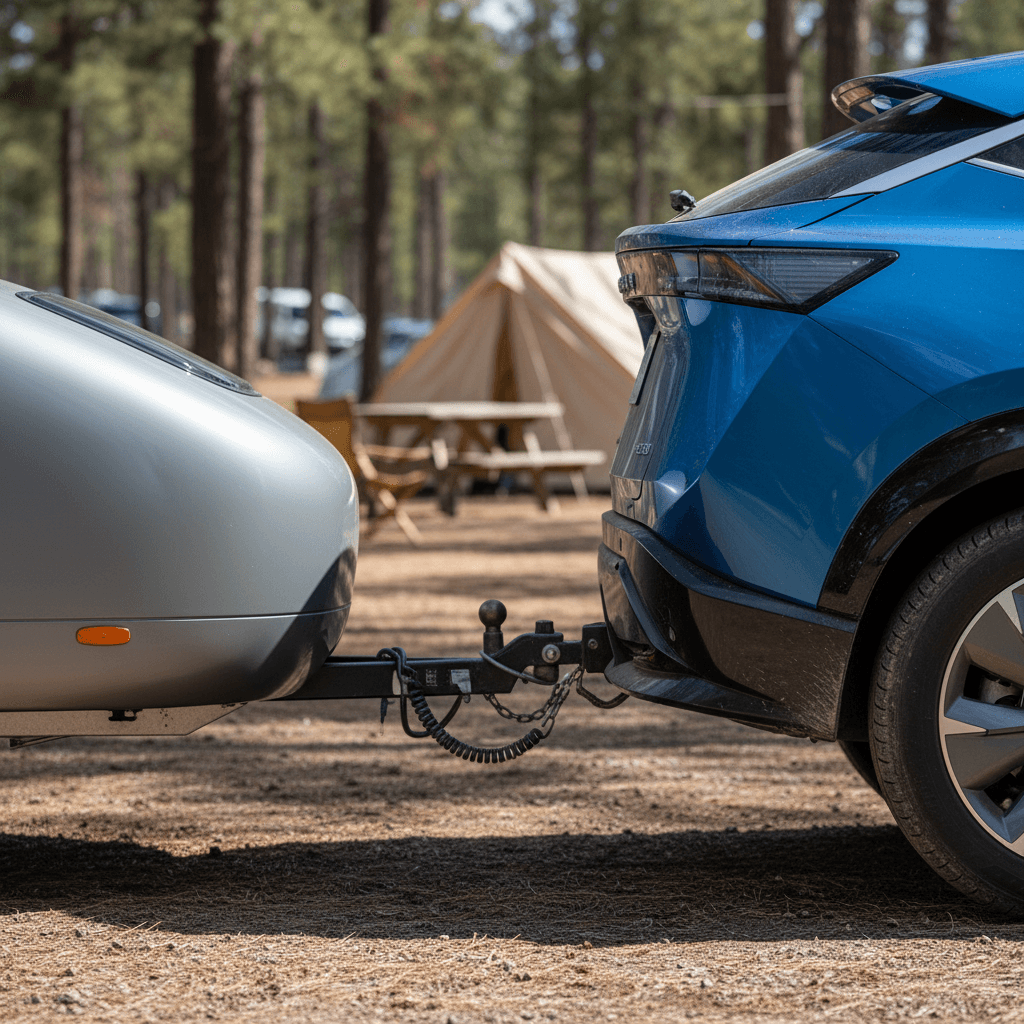
Have a <strong>Class II or better</strong> hitch rated above your expected trailer weight installed by a qualified shop. EVs put unusual loads on the structure and cooling system; shortcuts here are risky.
3. Know your tongue weight
Aim for tongue weight of about <strong>10–15% of total trailer weight</strong>, within the Ariya’s and hitch’s specified tongue-weight limit. Too little and the trailer can sway; too much and the rear suspension squats and handling suffers.
4. Trailer brakes where required
Many states require <strong>electric trailer brakes</strong> above a certain trailer weight (often around 1,500–3,000 lbs). Even where it’s not required, brakes are a good idea to reduce stress on your Ariya’s friction brakes and regenerative system.
5. Weigh the combo
Use a public truck scale at least once with your typical load. Compare actual weights against the Ariya’s <strong>Gross Vehicle Weight Rating (GVWR)</strong>, gross combined ratings (if listed), and hitch ratings.
6. Balance and secure the load
Keep heavy items low and centered over the trailer axle. Properly secure everything to avoid weight shifts that can cause sway, which is much more noticeable in a quiet EV.
Watch your rear overhang and clearance
Driving and charging strategies when towing
Towing turns your Ariya into a very different road-trip machine. The same battery that easily covers 260–300 miles on a solo highway drive can feel tight when a trailer is eating half your range. Smart driving and charging strategy can make the difference between a relaxed weekend away and a white‑knuckle hypermiling experiment.
Driving tips to reduce range loss
- Slow down: Dropping from 75 mph to 60–65 mph can save you dozens of miles of range when towing.
- Use eco or normal mode: You rarely need full power with a light trailer; gentler throttle maps smooth energy use.
- Plan for wind and hills: Headwinds and long grades are range killers. Add extra buffer on exposed or mountainous routes.
- Precondition in cold weather: Heating the cabin while plugged in helps preserve battery energy for the road.
Charging and route planning tips
- Plan shorter hops: Instead of 200–230‑mile stints, think in terms of 100–150 miles between fast chargers.
- Favor pull‑through or end spots: Some DC fast chargers are easier to use without unhooking the trailer.
- Charge 10–70% when possible: The fast part of the charge curve matters more when you’re stopping more often.
- Have a backup plan: Identify an extra charger or two along your route in case one is down or busy.
Use real-world range, not EPA numbers, when towing
Used Nissan Ariya shopping tips for towing
If you’re shopping the used market, the Ariya can be a compelling alternative to a used gas SUV for light-duty towing, especially if most of your trips start and end at home where you can charge overnight. But not every used Ariya on a lot will be equally suited to pulling a trailer.
What to look for in a used Ariya tow vehicle
Focus on the stuff that matters once there’s a trailer on the hitch.
Battery health and size
For towing, usable battery capacity is everything. A healthy long-range pack gives you more cushion for hills, headwinds, and cold snaps.
With Recharged, every used Ariya includes a Recharged Score battery health report, so you can see how much range you’re really working with before you ever hook up a trailer.
Existing hitch and wiring quality
Some used Ariyas will already have a hitch installed. Inspect or have a shop verify:
- Brand and weight rating of the hitch.
- Condition of welds and mounting points.
- Trailer wiring quality and weatherproofing.
Service history and use case
Ariyas used mainly for commuting will typically have less wear on brakes, tires, and suspension than vehicles that towed heavily. If the seller regularly hauled near the max rating, factor that into your evaluation of brake and tire life.
If you’re not sure which Ariya trim matches your towing plans, Recharged’s EV specialists can walk you through range expectations, trim differences, and financing or trade‑in options, all in a fully digital buying flow or at our Experience Center in Richmond, VA.
FAQ: Nissan Ariya towing capacity and range loss
Frequently asked questions about Nissan Ariya towing
The Nissan Ariya isn’t a replacement for a full-size pickup or three-row tow rig, but for light trailers, small campers, and weekend toys, it can be a surprisingly capable, and very quiet, partner when you understand its limits. Focus on the right trim and battery, keep loads well within the tow rating, and plan your routes around realistic towing range instead of optimistic EPA numbers. If you’re considering a used Ariya for towing, Recharged can help you match your trailer and travel plans to the right car, with battery health and range transparency baked in from the start.