When you shop a Lucid Air, the price tag only tells part of the story. The **true cost of ownership over 5 years**, depreciation, electricity, maintenance, insurance, taxes, and finance charges, determines whether this ultra‑efficient luxury EV actually fits your budget. This guide walks through those numbers in plain English and shows how choosing a **used Lucid Air** can dramatically change the equation.
What this guide is (and isn’t)
Why Lucid Air 5‑year ownership costs matter
The Lucid Air is one of the most efficient and technically advanced EVs on the road, with real‑world efficiencies around **4–5 miles per kWh** in many trims. That efficiency can make your **fuel cost per mile lower than almost any gas car** in its class. But the Lucid is also a six‑figure luxury sedan in many configurations, and that means **depreciation, insurance, and taxes** loom large over a 5‑year horizon.
- Shoppers cross‑shopping Lucid Air against S‑Class, EQS, Taycan or Model S who want to understand "/all‑in" 5‑year cost, not just MSRP.
- Current Lucid owners deciding whether to keep the car past the warranty period.
- EV intenders who have heard horror stories about luxury EV depreciation and want to separate signal from noise.
- Buyers considering a **used Lucid Air** and wondering if the savings are worth it.
Quick orientation
Lucid Air basics that shape 5‑year costs
Before you dig into ownership costs, it helps to know the key specs that actually drive dollars and cents. Across trims (Pure, Touring, Grand Touring), the Lucid Air combines **large battery packs**, class‑leading **efficiency**, and **long range**, all of which influence depreciation, charging costs, and long‑term usability.
Key Lucid Air traits that show up in your budget
Big batteries, high efficiency, and luxury‑car running costs
Battery & range
Most Lucid Air trims use large packs in the ~84–118 kWh range with **360–500+ miles** of EPA range depending on wheel size and configuration. That gives you comfortable long‑trip capability, but the big pack also affects replacement cost risk outside warranty.
Efficiency
Independent testing and early owners routinely see **4–5 mi/kWh** in real‑world mixed driving, which is outstanding for a full‑size luxury sedan. That’s what drives your fuel cost advantage over gas competitors.
Warranty & support
Lucid offers **8‑year/100,000+ mile battery and drive unit warranties** on most configurations. Over a 5‑year period you’re largely operating inside that coverage, which has major implications for repair‑cost risk.
5‑year Lucid Air cost summary: new vs used
Let’s start with a high‑level snapshot. These are **illustrative, U.S.‑average** 5‑year numbers for a mid‑spec Lucid Air (think Touring‑level) driven 60,000 miles. The new‑car example assumes a roughly **$90,000** purchase price; the used example assumes a **3‑year‑old car at $55,000**.
Sample 5‑year Lucid Air ownership cost (60,000 miles)
Approximate, U.S.‑average estimates for a mid‑trim Lucid Air. Actual numbers will vary by trim, incentives, state taxes, insurance profile and whether you buy new or used.
| Cost component | New Lucid Air (est.) | 3‑year‑old used Lucid Air (est.) |
|---|---|---|
| Purchase price (before tax) | $90,000 | $55,000 |
| Estimated value after 5 more years | $36,000 | $25,000 |
| 5‑year depreciation | $54,000 | $30,000 |
| Electricity (home‑heavy mix) | $3,600–$4,000 | $3,600–$4,000 |
| Maintenance & repairs | $2,000–$3,000 | $3,000–$4,500 |
| Insurance (5 years) | $12,500–$15,000 | $11,000–$13,000 |
| Registration, taxes, fees* | $5,000–$7,000 | $3,000–$4,500 |
| Total 5‑year out‑of‑pocket | ≈ $77k–$83k | ≈ $53k–$61k |
| Cost per mile (60,000 miles) | ≈ $1.28–$1.38/mile | ≈ $0.88–$1.02/mile |
Depreciation dominates when buying new; a used Lucid Air can cut 5‑year cost dramatically.
Assumptions you should sanity‑check
Depreciation: the single biggest Lucid Air cost
With any luxury EV, **depreciation is the elephant in the room**. The Lucid Air is no exception. Early cars saw steep resale drops as Lucid cut new‑car prices, launched new trims, and the broader EV market softened. That’s painful if you bought at launch, but a real opportunity if you’re considering a used car today.
Buying new: you’re underwriting early‑stage volatility
A new Lucid Air around $90,000 that’s worth roughly $36,000 five years later has burned **$54,000 in depreciation**, over 70 cents of every mile you drive. That’s comparable to or steeper than S‑Class and Taycan ownership in recent years.
Because Lucid is still a young brand, **resale values are less predictable** than long‑established German luxury marques. If Lucid discounts new cars again or introduces a major refresh, used values can shift quickly.
Buying used: someone else already paid for the drop
By contrast, a 3‑year‑old Lucid Air that you buy for around $55,000 and sell for $25,000 after five more years racks up **about $30,000 in depreciation**. That’s still serious money, but roughly **$24,000 less** than in the new‑car case.
Because the biggest drop happens in the first 2–3 years, a well‑vetted used Lucid Air often delivers **far better cost per mile** for the same tech, comfort, and performance.
Why battery health matters for depreciation
Electricity costs: what you’ll really pay for charging
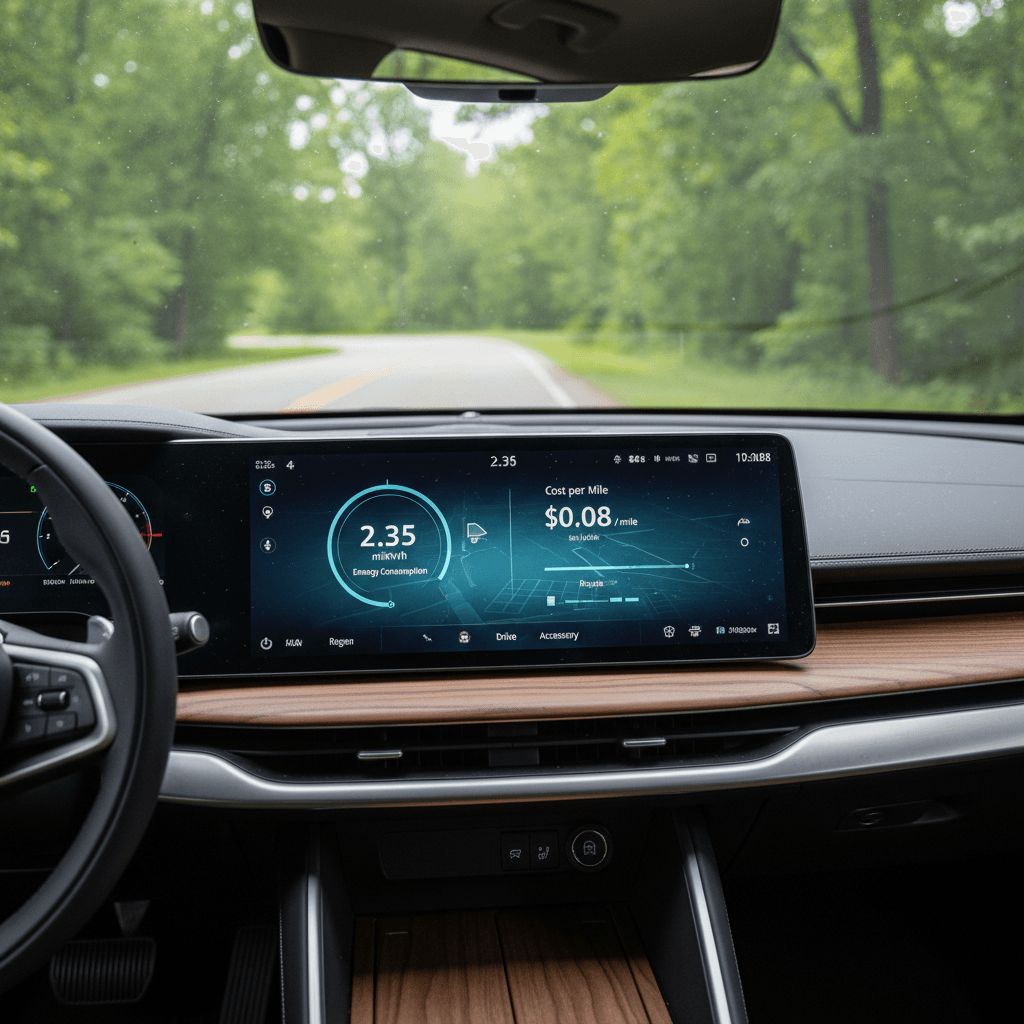
Lucid’s efficiency is where the Air quietly claws back money. With many owners reporting ~**4–5 mi/kWh** in mixed driving, your energy use is roughly **200–250 Wh per mile**, which is exceptional for a large luxury sedan. To translate that into dollars, you only need two numbers: your **efficiency** and your **electricity price**.
5‑year charging cost for a Lucid Air (12,000 miles/year)
Home vs public charging mix matters more than you think
Checklist: keeping Lucid Air charging costs low
1. Maximize home charging
Install a reliable Level 2 charger where possible and set the Lucid to charge overnight. Time‑of‑use (TOU) plans in many states dramatically lower your **off‑peak** kWh price.
2. Avoid expensive DC fast charging for daily use
Use fast charging for road trips, not commutes. High rates plus higher battery stress are a double hit to your 5‑year cost picture.
3. Track real‑world efficiency
Use the Lucid’s trip computer to monitor **mi/kWh**. If you’re consistently below ~3 mi/kWh in normal conditions, something about your driving pattern or tires may be costing you money.
4. Use preconditioning smartly
Preheat or precool while plugged in. Comfort still matters, but letting the car do that work on grid power is cheaper than using battery energy after you leave.
Maintenance, service, and repairs over 5 years
EVs eliminate oil changes and a lot of traditional wear items, but a Lucid Air is still a **complex luxury car**. Over 5 years, your costs will come from **routine service, tires, potential software or hardware fixes**, and any out‑of‑warranty surprises.
Where Lucid Air maintenance dollars go
The car skips oil changes, not the realities of luxury ownership
Routine inspections & fluid service
Lucid recommends **annual or mileage‑based service** that typically includes inspections, cabin filter, brake fluid checks, and software updates. Early owners report **mid‑hundreds of dollars** per visit, which is reasonable for a luxury marque but still real money over 5 years.
Tires, brakes & suspension
High‑performance, low‑rolling‑resistance tires on a heavy, powerful EV wear faster than economy‑car rubber. Budget for at least **one full set of tires** in 60,000 miles, possibly more if you drive hard.
Out‑of‑warranty fixes
Any complex EV can have issues, door hardware, electronics, infotainment, or charge‑port components. Inside the basic and battery warranties, you’re largely protected, but years 6–8 can carry more risk if you keep the car long‑term.
Typical 5‑year maintenance budget
Insurance, taxes, and fees for a Lucid Air
Insurance is one of the most under‑appreciated costs of running a Lucid Air. You’re insuring an expensive, aluminum‑intensive, technology‑heavy luxury EV with pricey parts and relatively few certified body shops. That tends to drive premiums well above mainstream sedans and even some Teslas.
Insurance: high but highly variable
Real‑world owner reports and rate surveys suggest **$2,500–$3,000 per year** is a reasonable expectation for full‑coverage Lucid Air insurance for many U.S. drivers, with dense urban or high‑risk areas going higher and clean‑record suburban owners sometimes undercutting that.
Over 5 years, that’s **$12,500–$15,000** in premiums, comparable to other six‑figure luxury sedans.
- Higher trims and options raise premiums.
- Bundling home + auto, higher deductibles, and telematics programs can trim costs.
- A used Air with a lower declared value can sometimes be cheaper to insure.
Taxes, registration, and fees
State and local policies vary wildly. Expect initial **sales tax and fees** on a new Lucid Air to run into the **thousands of dollars**, especially in high‑tax states. In some regions you’ll also pay **EV registration surcharges** meant to replace gas‑tax revenue.
Over 5 years, most owners will spend roughly:
- New Air: around **$5,000–$7,000** in taxes, registration and assorted fees.
- Used Air: closer to **$3,000–$4,500**, because you start from a much lower transaction price.
Don’t forget state‑level EV fees
How a used Lucid Air changes the 5‑year math
From a pure economics perspective, the Lucid Air is a textbook case where **buying used can be far smarter than buying new**, as long as you understand battery health and warranty status. Because early depreciation has already happened, a solid used Air can deliver supercar‑level tech for midsize‑luxury money.
New vs used Lucid Air: 5‑year cost at a glance
Checklist: evaluating a used Lucid Air’s 5‑year cost risk
1. Confirm battery warranty coverage
Check the in‑service date and mileage to see how much **battery and drive‑unit warranty** is left. A car with at least 3–4 years of coverage remaining offers a much safer 5‑year outlook.
2. Get objective battery‑health data
Range estimates on the dash can be misleading. Look for a **third‑party or dealer‑grade battery diagnostic**, like the Recharged Score battery health report included with every EV on <strong>Recharged</strong>.
3. Review charging history
Frequent high‑power DC fast charging isn’t automatically a dealbreaker, but a car that lived on fast chargers is more likely to show **accelerated battery wear**. Aim for cars with mostly home or workplace AC charging.
4. Inspect software and feature set
Lucid ships frequent over‑the‑air updates and rolling hardware changes. Verify that key features (ADAS, infotainment, app connectivity) are up to date, and factor in potential subscription costs if Lucid expands paid services.
5. Compare real financing offers
Sometimes the new‑car side has subsidized APR deals that partially offset higher depreciation. Get real quotes for **used‑EV financing** as well, Recharged can help you compare options without impacting your credit.
Range, efficiency, and how your driving impacts costs
One of the Lucid Air’s calling cards is its **very high efficiency at real‑world highway speeds**. But your actual cost per mile still depends on where and how you drive. Temperature, speed, wheel choice, and cargo all nudge efficiency up or down.
What a ‘good’ Lucid efficiency number looks like
In normal conditions on 19‑inch wheels, many owners report **4.0–4.5 mi/kWh** in mixed driving, and higher in ideal conditions. That’s a good benchmark.
- 3.5–4.0 mi/kWh: perfectly acceptable in colder climates or higher speeds.
- Under 3 mi/kWh: worth investigating tires, driving style, or heavy roof/cargo loads.
The Lucid’s huge battery gives you range headroom, but consistently low efficiency means you’re paying more than you should for every mile.
How efficiency feeds into total cost of ownership
Over 60,000 miles, the difference between 3.0 and 4.5 mi/kWh is huge:
- At **3.0 mi/kWh**, you’ll use about **20,000 kWh**.
- At **4.5 mi/kWh**, you’ll use about **13,300 kWh**.
At $0.18/kWh, that’s roughly **$1,200–$1,300 in extra electricity** over 5 years just from inefficient driving or poor setup. That’s why tire choice, speed, and climate‑control habits quietly matter in your budget.
A simple rule of thumb
Ways to reduce Lucid Air ownership costs (and where Recharged fits)
Owning a Lucid Air doesn’t have to mean writing a blank check. The biggest wins come from **entering at the right price point**, **managing energy costs**, and **avoiding avoidable surprises**. This is also where a specialized used‑EV retailer like Recharged can tilt the odds in your favor.
Four high‑impact levers to lower 5‑year Lucid Air costs
Most of your savings will come from decisions you make before you sign the paperwork
1. Let someone else pay the steepest depreciation
Start your search with **2–4‑year‑old Lucid Airs** that still have ample warranty remaining. You keep the performance and tech but skip the first‑owner depreciation cliff that distorts new‑car 5‑year cost calculations.
2. Demand transparent battery health
Battery condition is the biggest wild card in any used EV. Recharged addresses this with a **Recharged Score battery health diagnostic** on every vehicle, so you’re not guessing about range or longevity.
3. Optimize financing and trade‑in
Interest rates, down payment, and trade‑in value all shape your real 5‑year cost. Recharged offers **financing, instant offers, and consignment options** so you can roll your existing car’s equity into a Lucid Air on terms that match your budget.
4. Shop nationally, not just locally
Lucid Air inventory is still thin in many local markets. Recharged’s **nationwide delivery and digital retail experience** let you chase the right car at the right price, then have it delivered, rather than settling for whatever happens to be nearby.
How Recharged simplifies Lucid Air ownership
Ready to find your next EV?
Browse VehiclesFrequently asked questions about 5‑year Lucid Air costs
Lucid Air 5‑year cost of ownership: FAQ
Bottom line: Is a Lucid Air worth it over 5 years?
Over a 5‑year horizon, the Lucid Air can either be a **spectacular value** or a **very expensive experiment**, depending on how you buy it. As a new car, depreciation dominates your total cost of ownership; as a carefully chosen used car with verified battery health, the Air’s efficiency, long range, and low routine maintenance can deliver a compelling cost‑per‑mile story for a six‑figure‑caliber luxury EV.
If you’re serious about the Lucid Air, treat this guide as a framework: plug in your own electricity rates, insurance quotes, tax situation, and realistic resale expectations. Then consider whether a **used, battery‑verified Lucid Air from a specialist like Recharged** might be the smarter way to get the experience you want at a 5‑year price that makes sense.