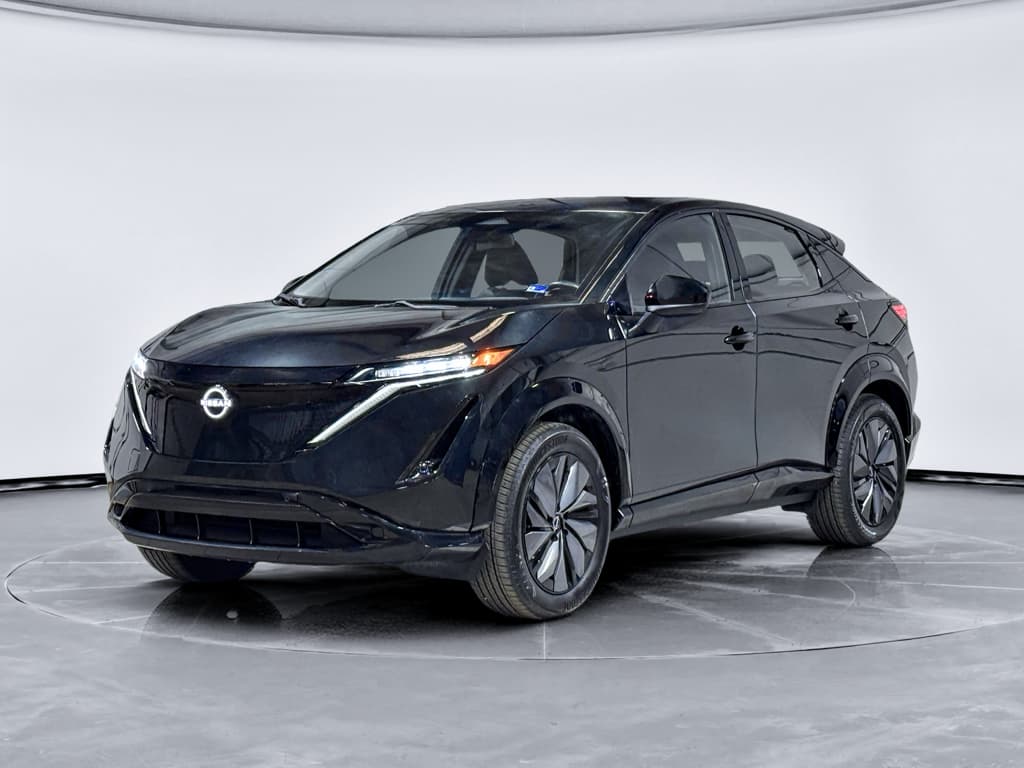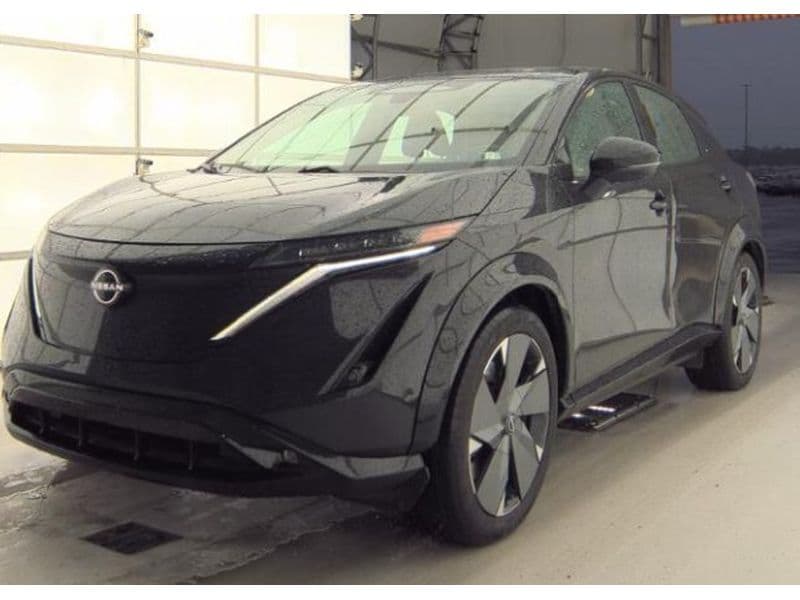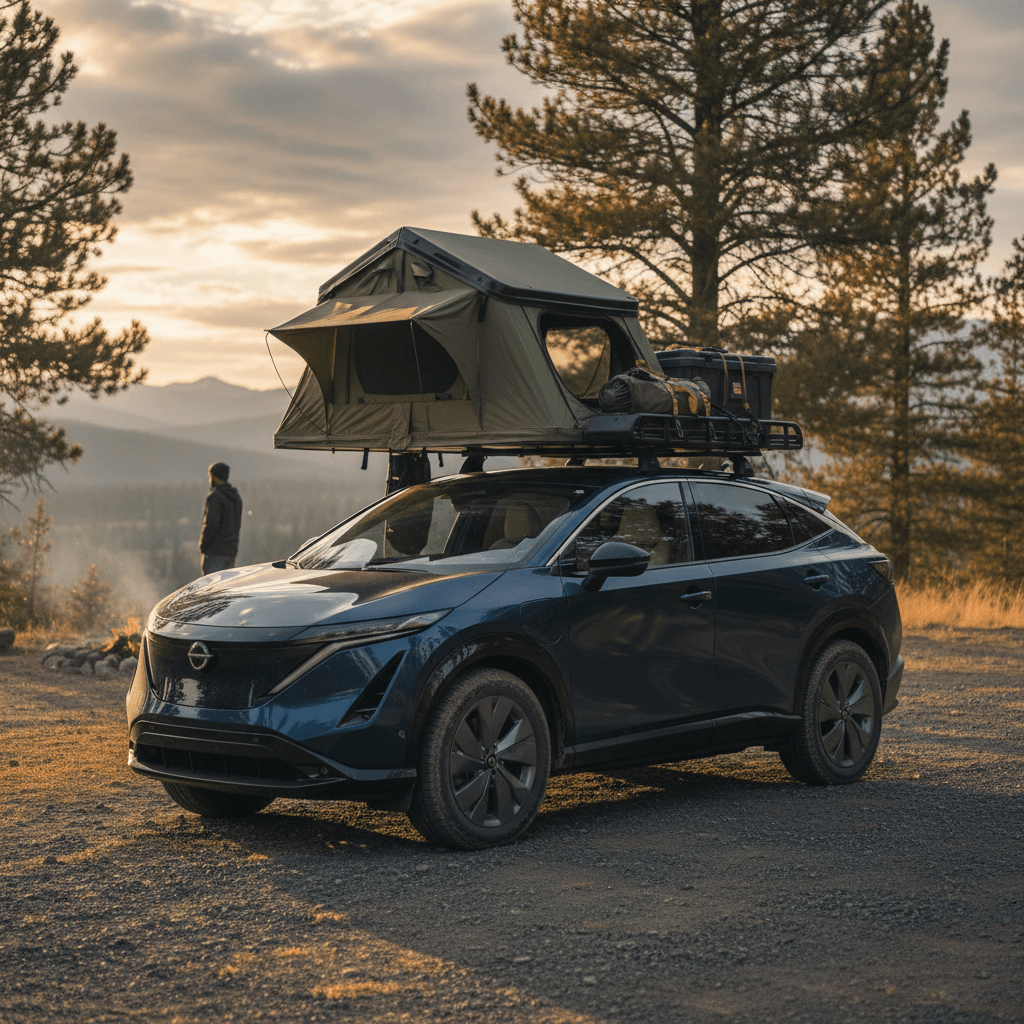
If you’re planning road trips, bikes, skis, or even a roof‑top tent, you need to know the **Nissan Ariya roof rack weight limit** before you start bolting on gear. Exceeding that limit doesn’t just risk the rack, it affects handling, range, and potentially your warranty.
Key spec in plain English
Quick answer: Nissan Ariya roof rack weight limit
Ariya roof load numbers at a glance
Across regional brochures and spec sheets, the **maximum roof load for the Nissan Ariya is consistently listed at 75 kg (about 165 lbs)**. In the U.S. owner’s manual, Nissan states that the **roof side rails have a service load capacity of 163 lb (74 kg)**, and you must also respect the cross‑bar manufacturer’s rating. In practice, you should treat **74–75 kg / 163–165 lbs as the Ariya’s dynamic roof rack weight limit** while driving.
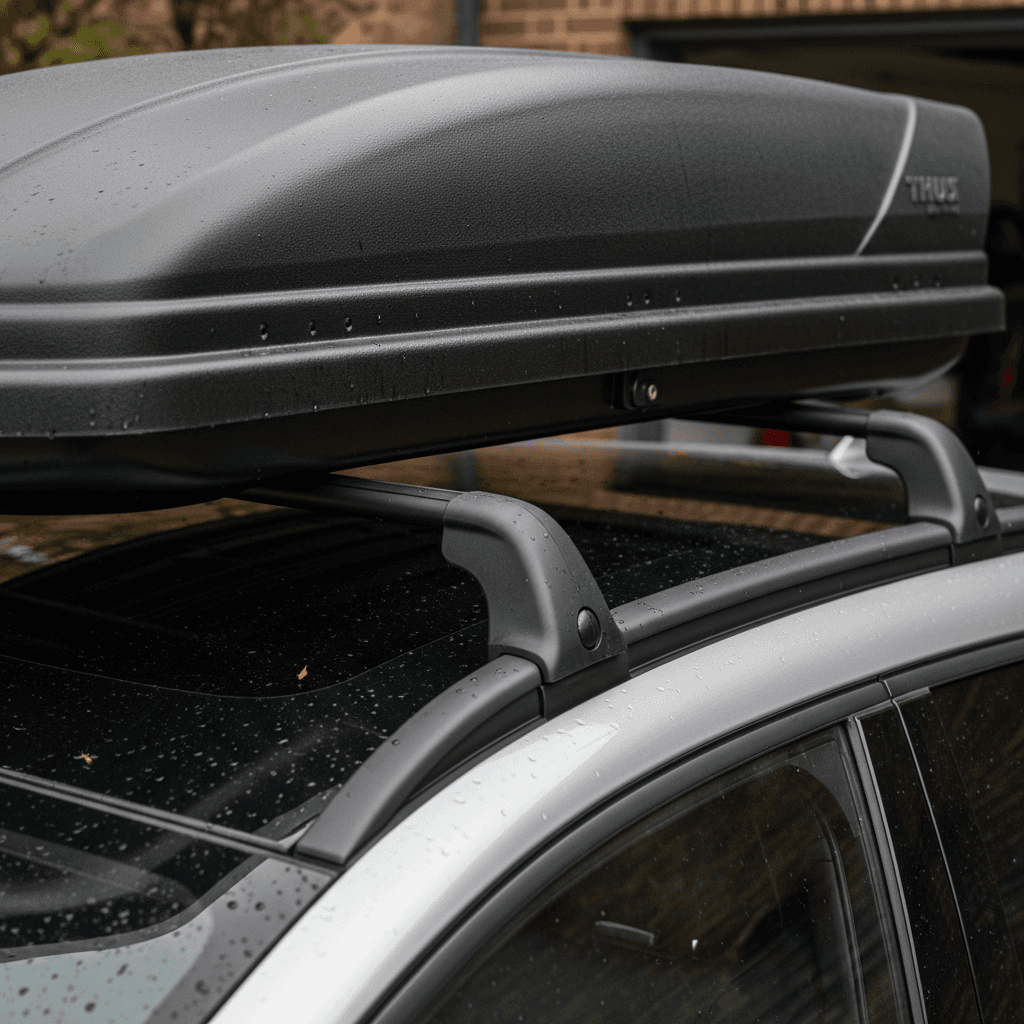
Always use cross bars
Where the Nissan Ariya roof load numbers come from
You’ll see slightly different wording depending on whether you look at a **U.S. owner’s manual**, a **European spec sheet**, or an **accessory catalog**, but they’re all pointing to the same ballpark roof rack weight limit.
How different sources describe Ariya roof load
The terminology changes, but the usable roof rack weight limit stays in the same range.
| Source | Term used | Value | What it really means |
|---|---|---|---|
| Owner’s manual (US, 2023–2025) | Service load capacity for roof side rails | 163 lb (74 kg) | Maximum **dynamic load** on the factory roof rails. Cross bars required. |
| European / global specs for Ariya | Max roof load / Max roof cargo | 75 kg | Maximum allowed roof cargo while driving, including racks and attachments. |
| Aftermarket rack fit guides (e.g., Thule) | Maximum load | Typically 60–75 kg | Limit for that specific rack system on the Ariya roof. |
| Brochures / national spec sheets | Roof load (rails) | Approx. 75 kg | Marketing spec that aligns with the engineering limit. |
When in doubt, follow the **lowest** applicable number below and your specific cross‑bar kit’s rating.
When you combine these sources, the picture is straightforward: **the Ariya’s roof was engineered for roughly 74–75 kg of dynamic load**. That figure assumes correctly installed cross bars and an otherwise unmodified roof structure.
Check your specific trim
Dynamic vs. static load: why it matters
Dynamic load (what Nissan publishes)
When Nissan says the Ariya’s roof rails are rated for 163 lb (74 kg) or that the max roof cargo is 75 kg, they’re talking about dynamic load, the force on the roof while you’re driving.
- Includes cross bars + carriers + cargo.
- Assumes bumps, cornering, emergency maneuvers.
- Directly tied to handling and rollover safety.
Static load (parked, for RTTs)
Static load is what the roof can support when the vehicle is not moving. For roof‑top tents (RTTs) it usually includes people and bedding.
- Manufacturers rarely publish an official static number.
- In practice, static capacity is much higher than 75 kg.
- But your limiting factor becomes the roof rack system and ladder support, not just the car.
If you’re just mounting a cargo box or bike rack, you primarily care about the **dynamic roof rack weight limit**, stay at or below that **74–75 kg** number and within your cross‑bar rating. For a roof‑top tent, the tent brand will typically publish both a **dynamic rating (when driving)** and a much higher **static rating (when you’re sleeping in it)**. You must respect **all three**: the Ariya roof spec, the rack spec, and the tent spec.
Don’t count on “hidden” static capacity
Real‑world setups: cargo boxes, bikes and RTTs
What common roof setups look like on an Ariya
Approximate weights to help you stay under the 74–75 kg dynamic limit.
1. Cargo box for road trips
Typical numbers:
- Cross bars: ~12–18 kg (26–40 lb)
- Medium roof box: ~14–20 kg (30–44 lb)
- Luggage inside: 20–30 kg (44–66 lb)
Result: ~46–68 kg total. That fits comfortably under the Ariya’s 75 kg roof load if you pack reasonably light.
2. Two bikes on the roof
Typical numbers:
- Cross bars: ~12–18 kg
- Two upright bike carriers: ~8–12 kg total
- Two bikes: ~24–32 kg total
Result: ~44–62 kg. Still under the 75 kg ceiling, but aerodynamic drag and wind noise will increase.
3. Compact roof‑top tent
Typical numbers:
- Cross bars: ~12–18 kg
- Small hardshell RTT: ~50–65 kg
Result: ~62–83 kg. That means many RTTs will exceed the Ariya’s dynamic roof spec on paper. You need an especially light tent and high‑rated bars to stay legal and safe.
Use manufacturer weights, not guesses
How to calculate your safe roof load
Step‑by‑step: Don’t exceed your Ariya’s roof rack limit
1. Confirm your Ariya’s roof load spec
Open your owner’s manual to the **roof rack** or **roof rail** section. For most 2023–2025 Ariya models you’ll see around <strong>163 lb (74 kg)</strong> or **75 kg** as the max roof load.
2. Note your cross‑bar system rating
Every OEM or aftermarket rack (Thule, Yakima, etc.) has its own maximum load rating on the Ariya. If your bars are rated at 60 kg, but the roof says 75 kg, your real limit is **60 kg**.
3. Add up all components
Calculate: <strong>bars + attachments + cargo</strong>. Be honest: include mounting hardware, full water bottles, loaded bike bags, and anything permanently stored in a roof box.
4. Compare to the lowest rating
Take your calculated total and compare it to (1) Nissan’s roof spec and (2) the rack’s spec. You must stay at or below **the lower of the two**. Aim for a margin of at least 10–15% below the limit where possible.
5. Check GVWR and payload
Your Ariya’s **Gross Vehicle Weight Rating (GVWR)** and **payload** are listed on the driver’s door jamb. Roof cargo counts against payload along with passengers and luggage. Don’t load the cabin to the max and then max out the roof too.
6. Re‑check after changes
If you change boxes, add a third bike, or swap to a heavier tent, run the math again. Treat your roof load like you’d treat tire pressure, something you verify regularly, not once.
A simple rule of thumb
Handling, range and noise when your Ariya is loaded
Staying under the **Nissan Ariya roof rack weight limit** is step one. Understanding how that weight changes the way the car drives is step two, especially on longer trips.
- **Higher center of gravity** – A loaded roof box or tent raises the vehicle’s center of gravity. Expect more body roll and longer braking distances in emergency maneuvers.
- **Crosswinds matter more** – Tall loads capture wind. In gusty conditions you may feel the Ariya wander more and need small steering corrections.
- **Range hit from aero drag** – A big roof box or bikes on upright racks can noticeably increase energy use at highway speeds. It’s not unusual to see a **10–20% hit in range** on some EVs with big rooftop setups.
- **More wind noise** – Even a clean aero box will add some roof noise above 50–60 mph. Poorly mounted bars or accessories can whistle at lower speeds.
Driving tips with a loaded roof
Warranty and safety considerations
Nissan’s language around the Ariya roof rails is careful for a reason. If an overloaded rack fails or contributes to a crash, you’re potentially outside the designed envelope of the vehicle, and that can complicate warranty and insurance claims.
What Nissan expects from Ariya roof rack owners
These points might not be exciting, but they’re what keep you covered.
Follow manual limits
Nissan’s documentation calls out that:
- You must use cross bars on the roof rails.
- You must not exceed the stated roof service load.
- You must also stay within GVWR and axle weight limits.
Ignoring these can give Nissan grounds to push back on related warranty repairs.
Secure and distribute cargo
The owner’s manual also stresses:
- Evenly distribute weight across the cross bars.
- Secure everything with straps or nets.
- Drive more carefully when loaded near capacity.
This isn’t just legalese, unsecured cargo can become a projectile in a crash.
When you’re clearly over the line
Roof rack weight tips for used Nissan Ariya buyers
If you’re shopping the used market, especially if a previous owner already fitted racks, boxes, or a tent, roof load history should be on your checklist. That’s where a specialized EV marketplace like Recharged can make life easier.
Used Ariya checklist: roof rack and load history
Inspect rails, mounts and paint
Look for cracks in the roof rails, bent mounting points, stress marks around the feet of the cross bars, and paint wear or rust. These can be clues that someone overloaded the roof or ran an RTT beyond spec.
Ask what lived on the roof
Previous owners may have run a big box, multiple bikes, or a tent. That’s not inherently bad, but if they casually mention hauling “four downhill bikes and a huge cargo box,” dig deeper into how they secured and supported that weight.
Confirm accessories match the car
Make sure any included roof rack system is designed for the Ariya, not a retrofit from another model. Mismatched feet or clamps can concentrate load where the body structure isn’t reinforced.
Check for water leaks and wind noise
On the test drive, listen for wind whistle near the windshield/header area and inspect for any signs of past water intrusion. Over‑tightened or poorly fitted racks can deform trim and seals.
Use the Recharged Score as context
With a used Ariya from <strong>Recharged</strong>, you get a <strong>Recharged Score Report</strong> that verifies battery health and usage patterns. Combine that with a quick roof inspection and you’ll know whether the car has lived an easy commuter life or been a fully loaded adventure rig.
How Recharged fits in
FAQ: Nissan Ariya roof rack weight limit
Frequently asked questions about the Ariya’s roof rack
Bottom line on the Ariya roof rack weight limit
For everyday use, the Nissan Ariya gives you a respectable **74–75 kg of roof rack capacity**, enough for a cargo box and luggage or a couple of bikes on quality cross bars. The key is to treat that number as a hard ceiling, not a suggestion. Weigh your components, respect the lowest rating between the car and the rack, and adjust your driving when the roof is loaded.
If you’re considering a used Ariya and planning to outfit it for road trips, factor roof usage into your shopping process. Through Recharged, you can compare used Ariya listings, review each car’s Recharged Score battery report, and work with EV specialists who understand how accessories like racks, boxes, and tents interact with real‑world range and ownership costs.