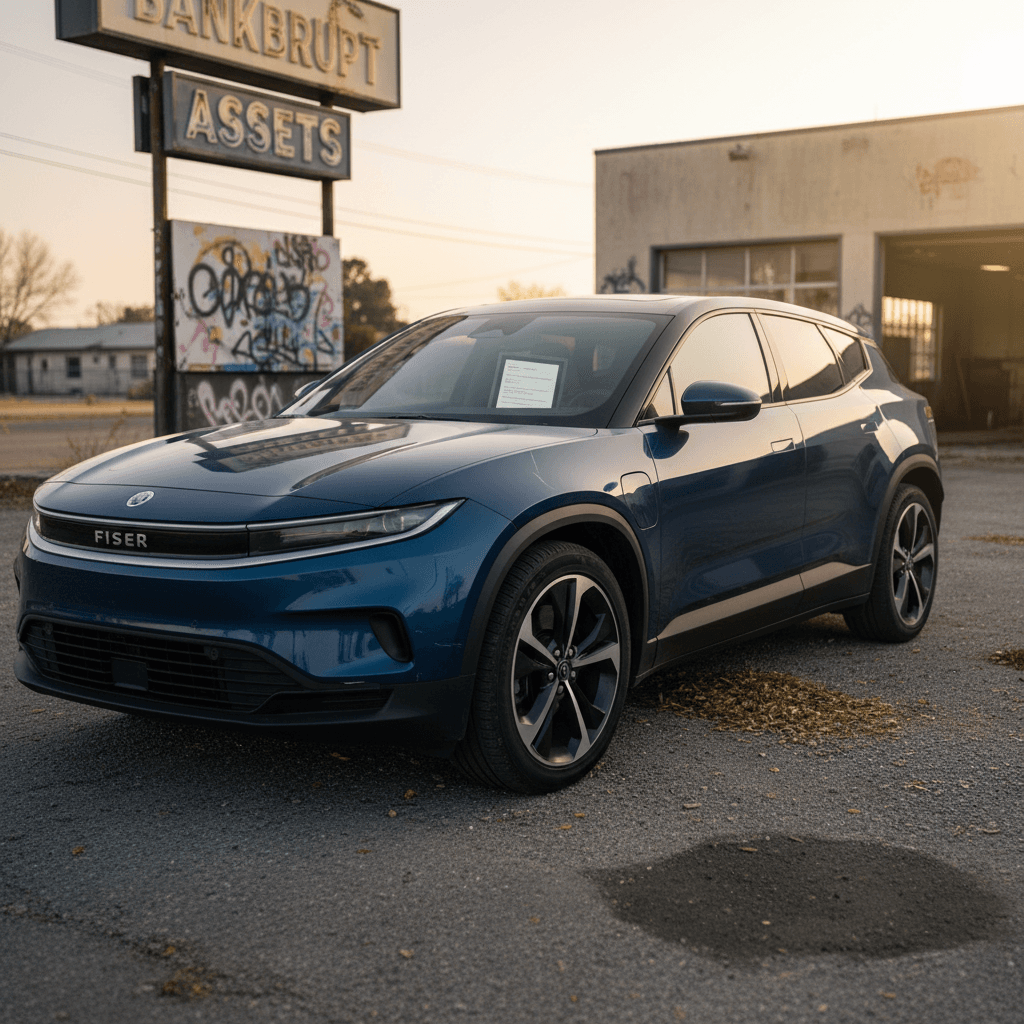
If you’re eyeing a bargain‑priced used Fisker Ocean, you’re not alone. Fisker’s 2024 bankruptcy and fire‑sale pricing sent shock waves through the market and left thousands of Oceans in limbo. That turmoil created tempting deals, but also a unique set of risks you don’t face with most other used EVs.
Context: What Happened to Fisker?
Why Buying a Used Fisker Ocean Is Different Now
Buying any used EV takes homework. Buying a used Fisker Ocean after the company’s collapse is more like buying an orphaned luxury brand: you’re getting advanced hardware and design with far less support structure behind it. That changes how you should think about value, reliability, and long‑term ownership.
- There’s no traditional factory network standing behind the vehicle.
- Software and connectivity depend on third parties and volunteer groups, not Fisker.
- Resale values are uncertain and may continue to slide.
- Some safety and quality issues are still being sorted out post‑recall.
High Risk, High Discount
The Big-Picture Risks of a Used Fisker Ocean
Key Risk Areas for Used Fisker Ocean Buyers
Four Core Risk Categories You Need to Understand
Most problems with a used Fisker Ocean fall into these buckets
1. Reliability & Safety History
Loss‑of‑power events, braking behavior complaints, and door‑latch concerns have all triggered investigations and recalls. You’re stepping into a vehicle with a documented early‑life problem record.
2. Software & Connectivity
The Ocean is highly software‑dependent. Glitches with the digital cluster, infotainment, and over‑the‑air updates can range from annoying to safety‑critical, and official support is limited post‑bankruptcy.
3. Service & Parts
With Fisker’s dealer and service network mostly gone, you may struggle to find technicians familiar with the platform and reliable sources for body, suspension, and electronic parts.
4. Depreciation & Resale
The big discount today is the flip side of uncertain resale tomorrow. It’s hard to know what your Ocean will be worth in 3–5 years, or how easy it will be to sell.
Known Problems, Recalls, and Real‑World Issues
Before you consider any used Fisker Ocean, you need a sober view of its track record. Early owners reported a mix of minor glitches and serious issues, some of which led to official recalls and government investigations.
Commonly Reported Fisker Ocean Issues
Not exhaustive, but a snapshot of problem areas you should investigate on any used Ocean you’re considering.
| Issue Type | Examples Reported | Why It Matters to You |
|---|---|---|
| Power & Drivability | Sudden loss of power or reduced power requiring restart | Can create hazardous situations in traffic; may signal unresolved software or hardware faults. |
| Braking Behavior | Inconsistent or overly strong regenerative braking feel | May affect confidence and stopping predictability, especially for new EV drivers. |
| Doors & Latches | Doors that fail to open from inside or outside | Serious safety concern in an emergency; subject of federal investigation. |
| Instrument Cluster & Icons | Non‑compliant or confusing cluster telltales | Was part of a compliance recall; unclear displays can mask warnings. |
| Software Glitches | Frozen screens, reboot loops, non‑responsive driver aids | Can disable key comfort or safety features and signal deeper instability. |
Always verify that any open recalls have been addressed and that the seller can document software updates.
Non‑Negotiable: Test Every Safety‑Critical Function
Software, Connectivity, and the “Right to Repair” Factor
The Fisker Ocean isn’t just an electric SUV, it’s a rolling computer that depends heavily on software updates and cloud connectivity. Once Fisker went under, owners suddenly had to worry about what would happen if those servers went dark or if bugs were never officially fixed.
Why Software Is a Special Risk
- Over‑the‑air updates were supposed to fix many early problems. With Fisker gone, future updates are uncertain.
- Some issues, like loss‑of‑power incidents, were tied directly to control software.
- Features such as navigation, remote climate, and app access rely on cloud services that may be interrupted or repriced.
Owner Communities & Workarounds
- Independent groups of Ocean owners have been reverse‑engineering software, sourcing parts, and even building third‑party apps to keep critical functions alive.
- These grassroots efforts are impressive, but they’re not a substitute for a funded engineering team, official recalls, and long‑term support.
- You may be relying on volunteer energy for solutions to complex issues.
Ask About Owner Community Involvement
Warranty, Service, and Parts Availability After Bankruptcy
With a conventional used EV, you can lean on the manufacturer’s remaining warranty, dealer network, and parts pipeline. With a used Fisker Ocean, those safety nets are thin or nonexistent, depending on when and where you’re buying.
What Support Can You Realistically Expect?
Think of the Ocean as a high‑tech car with patchwork backup
Factory Warranty
Bankruptcy often leaves warranties effectively unenforceable in practice even if they exist on paper. Don’t buy an Ocean assuming warranty coverage will pay for major issues.
Service Network
Dedicated Fisker service centers are scarce. You’ll likely depend on independent EV shops willing to learn the platform, or travel significant distances for specialized work.
Parts Supply
Basic consumables (tires, brakes, fluids) aren’t a concern. Unique body panels, electronics, and proprietary components could be slow, expensive, or difficult to source long‑term.
Plan for Out‑of‑Pocket Repairs
How Much Should a Used Fisker Ocean Cost Now?
The Ocean’s pricing story is extreme. New examples once carried MSRPs roughly in the $40,000–$60,000 range. After bankruptcy and bulk liquidation to fleet buyers at around $14,000 per vehicle, used values cratered. Today, you’ll see some retail listings below $20,000, with highly optioned or very low‑mileage units somewhat higher.
- There is no stable, predictable depreciation curve for the Ocean.
- Two otherwise similar vehicles can be priced thousands apart based purely on seller optimism or desperation.
- Financing may be harder to secure or come with stricter terms given the brand’s status.
- Insurance companies may use conservative valuations when settling claims, given rapid depreciation.
Rule of Thumb on Pricing Risk
Who Should, and Shouldn’t, Consider a Used Ocean
You Might Be a Good Fit If…
- You’re a hands‑on tinkerer comfortable with forums, community tools, and non‑dealer repairs.
- You already own a second, more reliable vehicle and can tolerate downtime.
- You’re buying at a steep discount and see the Ocean as a “high‑risk, high‑reward” experiment.
- You live near an independent EV shop willing to learn the platform.
You Probably Should Look Elsewhere If…
- This will be your only family vehicle or main daily driver.
- You’re a first‑time EV buyer who wants a simple, set‑and‑forget experience.
- Unexpected repair bills would seriously strain your budget.
- You value easy dealer access, predictable resale, and a long factory warranty.
Consider Mainstream Used EV Alternatives
Step‑by‑Step Checklist Before You Buy a Used Fisker Ocean
Essential Pre‑Purchase Checklist for a Used Fisker Ocean
1. Confirm Recall & Software Update Status
Ask for written proof of all completed recalls and the current software version. If the seller can’t clearly explain what’s been done and when, assume it hasn’t, and factor that risk into your decision.
2. Get a Deep Mechanical & Electrical Inspection
Schedule an inspection with an EV‑savvy shop, not a generic quick‑lube. You want them to check high‑voltage components, brakes, suspension, steering, and for any signs of water intrusion or accident damage.
3. Evaluate Battery Health Objectively
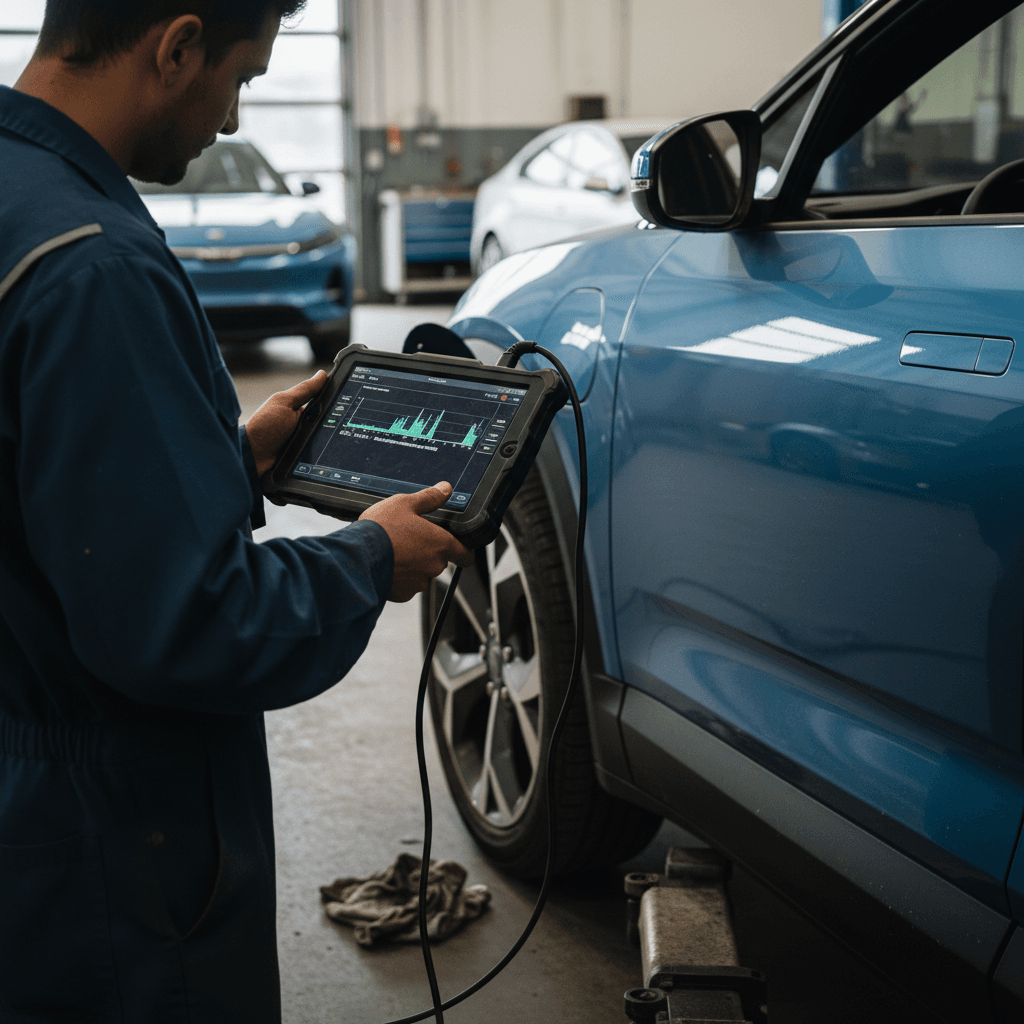
Battery replacement on any EV is expensive. Have the pack tested professionally or buy through a marketplace like Recharged that provides a <strong>verified battery health report</strong> rather than relying on a simple range estimate on the dash.
4. Stress‑Test Safety‑Critical Systems
On your test drive, repeatedly test door latches, window switches, the backup camera, brake feel, and power delivery. Try stop‑and‑go traffic, highway merging, and tight parking to expose any intermittent issues.
5. Verify Connectivity & App Functionality
Confirm what remote features still work, how they’re provided (official app vs. third‑party), and whether there are any subscription fees. Try locking/unlocking, pre‑conditioning, and live status while you’re with the seller.
6. Get All Keys, Cables, and Documentation
Make sure you’re receiving all key fobs, charging cables or adapters, and any service records or warranty paperwork. In a higher‑risk situation like this, documentation becomes even more valuable.
7. Run the Numbers with a “Repair Fund”
Set aside a realistic contingency fund for unexpected fixes. If you can’t reserve several thousand dollars for surprises, a used Ocean is probably not the right match.
How Recharged Helps You Navigate High‑Risk Used EVs
If you like the idea of a value‑priced EV but not the idea of rolling the dice blindly, you don’t have to go it alone. At Recharged, every vehicle we list, whether it’s a popular mainstream model or a more unusual choice, comes with data and support designed to de‑risk your decision.
What You Get with a Used EV from Recharged
Clarity and safeguards that typical private‑party Ocean sales won’t offer
Recharged Score Battery Health Diagnostics
We provide a Recharged Score Report with verified battery health and detailed pack data, so you’re not guessing about the most expensive component in the car.
Fair Market Pricing & Financing
Our pricing is benchmarked against the broader used EV market, not just a few distressed Ocean listings, and we offer financing options so you can spread risk sensibly.
Transparent Vehicle History
We dig into title status, accident history, prior usage, and any available service records so you can see issues that might never appear in a quick classified ad.
EV‑Specialist Guidance from Start to Finish
Our EV experts can help you compare the Ocean to more mainstream used EVs, weigh risk versus reward, and decide if a specific vehicle truly fits your needs and comfort level.
Even if you ultimately decide a used Fisker Ocean isn’t right for you, the same disciplined approach, battery health verification, transparent pricing, and expert review, will serve you well across the used EV landscape.
FAQ: Buying a Used Fisker Ocean
Frequently Asked Questions About Used Fisker Ocean Risks
Bottom Line: Is a Used Fisker Ocean Worth the Risk?
A used Fisker Ocean can be a fascinating bargain, or a frustrating money pit. The brand’s bankruptcy, history of recalls, and patchwork software support make this one of the highest‑risk used EVs on the market. For most everyday drivers who need predictable transportation and straightforward support, that risk isn’t justified, especially when solid alternatives from established brands are readily available.
If you’re an experienced EV owner or a tinkerer with a backup car, the right Ocean at the right price might still make sense. Just treat every listing with healthy skepticism, insist on independent inspection and documented updates, and budget for the possibility that some problems may never have a factory‑backed fix. And whether you land on an Ocean or a different used EV altogether, using tools like a Recharged Score battery health report, expert guidance, and transparent pricing will tilt the odds back in your favor.