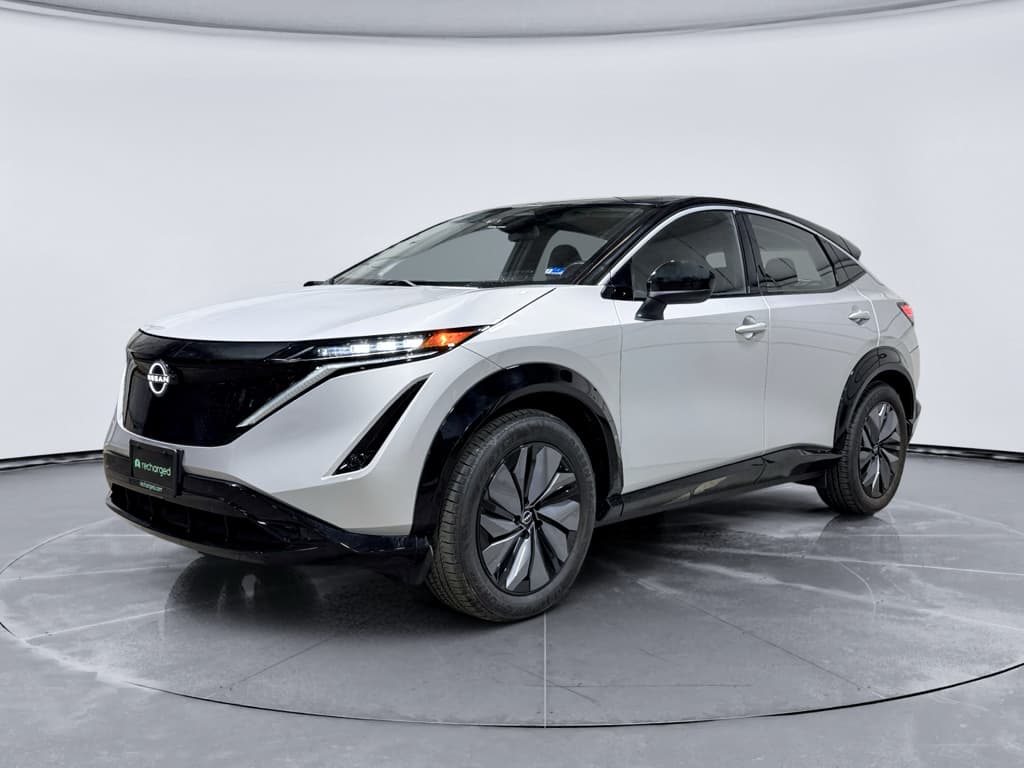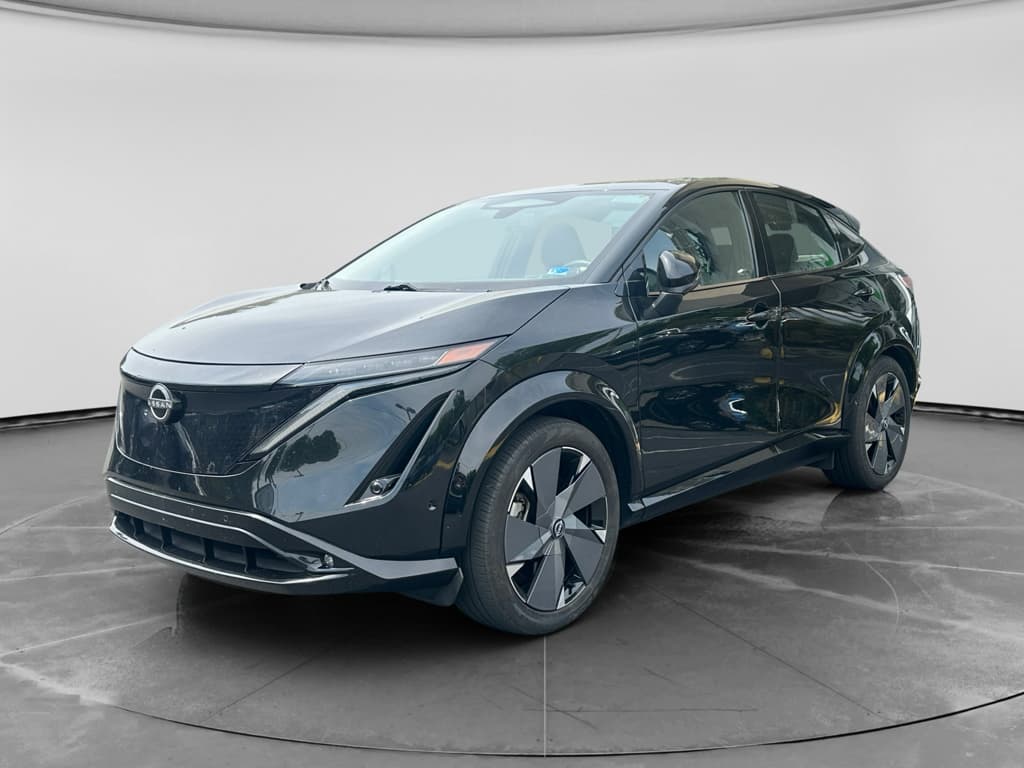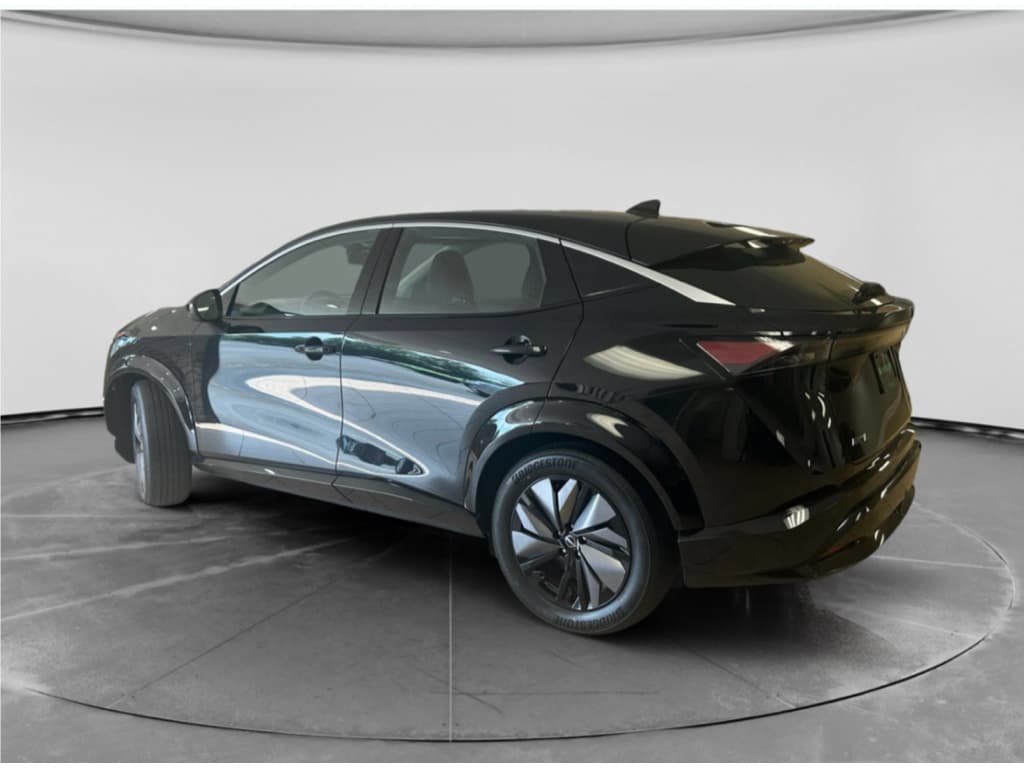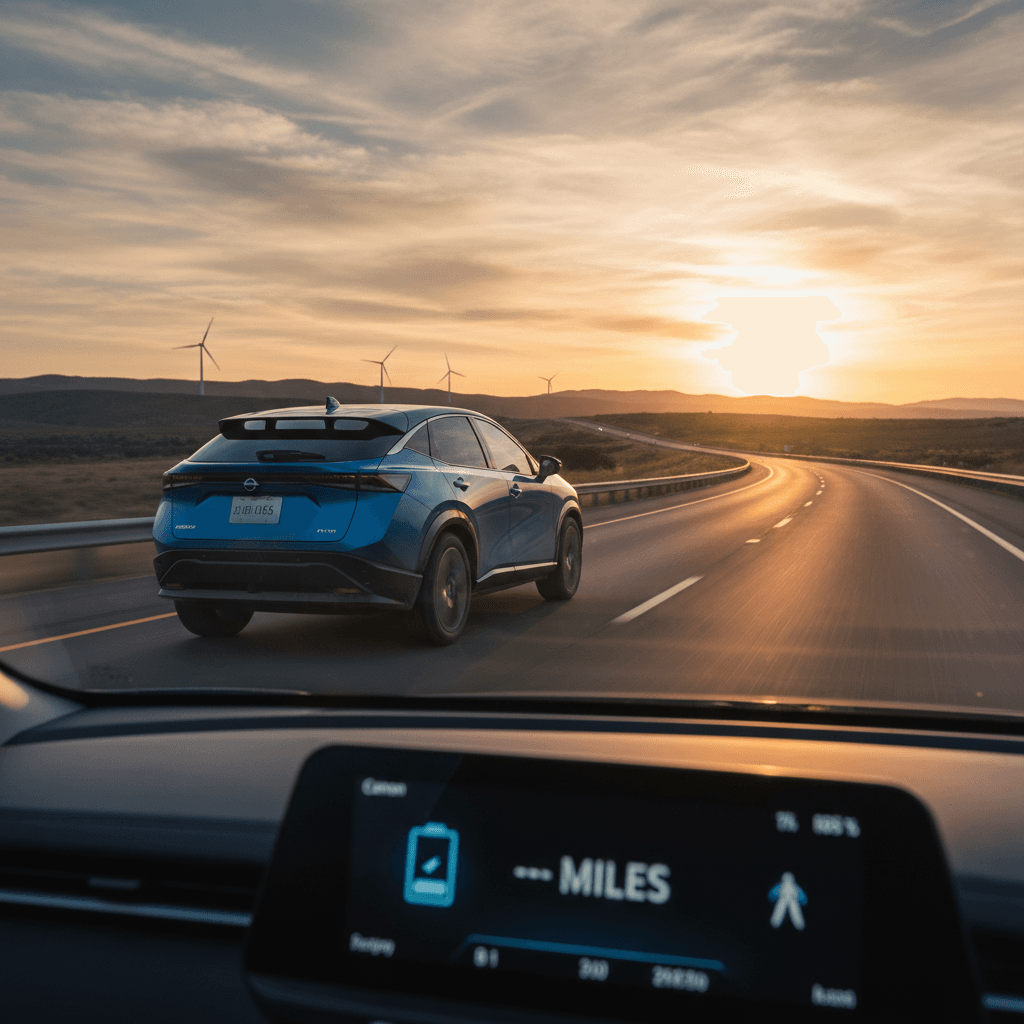
You don’t buy a Nissan Ariya for the spec-sheet fantasy; you buy it for the miles it will quietly dispatch on real American highways. And out there, cruise control at 70–75 mph, climate control doing its thing, the Ariya’s real‑world highway range is very different from the EPA sticker dream.
Highway vs EPA: different games entirely
Why real-world highway range matters more than EPA numbers
Nissan will tell you the Ariya can go “up to 304 miles” on a charge. That’s technically true, for the right trim, in mild weather, at mixed speeds. On a real highway, you’re dealing with aerodynamic drag, battery temperature, and a not‑so‑light SUV pushing a lot of air. The Ariya’s comfort and refinement are good, but efficiency isn’t class‑leading, so you need realistic expectations if you’re planning road trips or a long commute.
Most drivers want to know one thing: “If I set the cruise at 70–75 mph, how far can I actually go before I’m sweating the next charger?” That’s the question we’ll answer here, using independent testing, owner data, and the hard physics of moving a 4,600‑lb crossover through the atmosphere.
Nissan Ariya highway range snapshot (warm weather, 70–75 mph)
Ariya batteries, trims, and official EPA range
Before we talk about real‑world numbers, you need a map of the Ariya lineup. In the U.S., the Ariya comes with two battery packs and either front‑wheel drive (single motor) or e‑4ORCE all‑wheel drive (dual motor). Official range figures vary quite a bit by trim.
Nissan Ariya EPA combined range by trim (recent model years)
Approximate EPA combined ratings for major Ariya trims in the U.S. market. Exact numbers vary slightly by model year and wheel choice, but the pattern is consistent.
| Trim & drivetrain | Battery | EPA combined range (mi) | What that usually means on highway |
|---|---|---|---|
| ENGAGE FWD | 63 kWh | 216 | Roughly 170–190 miles at 70–75 mph in mild weather |
| ENGAGE e‑4ORCE AWD | 63 kWh | ~205 | Often 155–180 highway miles in good conditions |
| VENTURE+ FWD | 87 kWh | 304 | Best‑case; ~240–260 miles on highway |
| EVOLVE+ / EMPOWER+ FWD | 87 kWh | 289 | ~230–250 highway miles in practice |
| EVOLVE+ / ENGAGE+ e‑4ORCE AWD | 87 kWh | ~272 | ~215–240 miles at 70–75 mph |
| PLATINUM+ e‑4ORCE AWD | 87 kWh | 267 (20" wheels slightly lower) | ~210–235 miles in real highway use |
EPA numbers are optimistic for pure highway driving, especially at 70–75 mph.
Don’t plan road trips off the biggest number on the sticker
Real-world highway range by trim and battery
Independent testing and owner data paint a consistent picture: the Ariya is comfortable and quiet, but a bit thirsty at high speed. Think solid middle of the class, not hyper‑efficient champ.
Real-world highway range by Ariya configuration
Assuming 70–75 mph, relatively flat terrain, mild temps (60–75°F), light to moderate load, and driving down to about 5–10% state of charge.
63 kWh FWD (ENGAGE)
Real‑world highway range: roughly 170–200 miles.
- EPA: 216 miles combined.
- Expect closer to the low 170s if you’re at 75 mph with AC.
- Comfortable for shorter road trips with a healthy charging network.
63 kWh e‑4ORCE AWD
Real‑world highway range: roughly 155–185 miles.
- Extra motor and weight cost you efficiency.
- AWD traction is great in bad weather, but highway range shrinks.
- On cold days at 70–75 mph, it’s easy to see 140–160 miles.
87 kWh FWD (VENTURE+, EVOLVE+, EMPOWER+)
Real‑world highway range: generally 230–260 miles.
- EPA: up to 304 miles for Venture+.
- Consumer‑style 70‑mph tests have seen mid‑250s out of dual‑motor cars; the big‑battery FWD can do a bit better.
- This is the Ariya’s sweet spot for long highway runs.
87 kWh e‑4ORCE AWD (EVOLVE+, ENGAGE+, PLATINUM+)
Real‑world highway range: roughly 210–245 miles.
- Officially in the mid‑260s to low‑270s EPA.
- Independent tests have returned around 250–265 miles at highway speeds on some dual‑motor trims, which is decent but not class‑leading.
- Heavy winter use can push that down well under 200 miles.
What owners report
Owner anecdotes line up with the math:
- Large‑battery FWD drivers often see 240–280 miles in mild mixed driving, and around 230–250 miles if most of that is highway.
- Small‑battery AWD owners in cold climates routinely see 150–170 miles at winter highway speeds, which is entirely normal for the pack size.
How speed, weather, and driving style hit your range
Range talk without context is bar stool mythology. The Ariya, like every EV, responds dramatically to changes in speed, temperature, and climate use. Understanding those levers lets you decide whether that 230‑mile highway leg is sane or hubris.
1. Speed: the invisible range tax
Above about 50 mph, aerodynamic drag starts taking a larger slice of the pie. By 70–75 mph, you’re spending much of your energy simply punching a crossover‑sized hole in the air.
- Jumping from 65 to 75 mph can easily cost you 10–15% of range.
- An Ariya that might do 240 miles at 65 mph may only manage ~210 at 75 mph in the same conditions.
- If you’re range‑pinched, dropping to the right lane at 65 mph is the simplest magic trick you have.
2. Temperature & HVAC: winter is the real villain
The Ariya has liquid‑cooled batteries and a heat pump in many trims, which helps. But cold chemistry is grumpy chemistry.
- Below freezing, expect 20–30% range loss at highway speeds.
- Short hops in brutal cold with a warm cabin can look worse, because you pay the heating penalty repeatedly.
- Preconditioning while plugged in and using seat/steering‑wheel heaters instead of baking the whole cabin can claw back meaningful miles.
Cold-weather Ariya hack
3. Driving style and load: how much it really matters
Avoid constant heavy acceleration
The Ariya’s torque is addictive, but repeated full‑throttle squirts onto the interstate are range poison. Smooth, anticipatory driving can easily be worth an extra 10–15 miles on a charge.
Watch your tires and wheels
Big 20‑inch wheels look sharp on Platinum+, but they add weight and often run less efficient rubber. Higher rolling resistance can nibble several percent off your highway range.
Mind the roof box and bikes
A cargo box or bikes on the roof are aerodynamic war crimes at 75 mph. If you must carry them, expect double‑digit percentage range losses, just like in any EV or ICE SUV.
Don’t obsess over every vampire watt
Yes, climate control and accessories cost energy, but at highway speed, aero drag dominates. Focus on speed, route planning, and charge stops first; cabin comfort is worth a few miles of sacrifice.
Planning real highway trips in a Nissan Ariya
The Ariya isn’t the efficiency hero that a Hyundai Ioniq 5 or Tesla Model Y can be, but it is entirely capable of cross‑country service, if you plan around its honest capabilities rather than its marketing brochure.
Comfortable non‑stop legs by Ariya configuration (mild weather)
Assumptions: 70–75 mph, starting near 100% and arriving with a conservative 10% buffer.
| Configuration | Battery | Comfortable leg (mi) | Stretch leg if needed (mi) |
|---|---|---|---|
| 63 kWh FWD | 63 kWh | 140–160 | Up to ~180 with slower speeds and mild temps |
| 63 kWh AWD | 63 kWh | 130–150 | Up to ~170 if you baby it |
| 87 kWh FWD | 87 kWh | 190–220 | Up to ~240 in ideal conditions |
| 87 kWh AWD | 87 kWh | 180–210 | Up to ~230 if you’re diligent about speed |
These are mileages you can plan around without white‑knuckle range anxiety, given reasonable weather and terrain.
Where the Ariya shines on trips
Highway trip setup checklist for Ariya owners
1. Start from a high state of charge
On road trips, it’s worth leaving with 90–100% so you can use the best part of the battery window. In daily life, lingering between 20–80% is kinder to longevity, but don’t be afraid to use the top end for travel.
2. Build in realistic charge stops
Use an app that lets you filter for CCS fast chargers along your route, then assume you’ll get 70–80% of your EPA range at highway speeds. Plan around chargers 150–200 miles apart, depending on your trim.
3. Aim for the fast‑charging sweet spot
The Ariya peaks around 130 kW on DC fast chargers, then tapers. You’ll charge quickest between ~10–60%. On long days, it’s often faster to make more, shorter stops than single 10–90% marathons.
4. Watch elevation and weather
Climbing long grades at 75 mph in winter is the EV equivalent of towing a boat uphill. Factor in extra buffer, especially in mountainous regions or storms.
5. Keep an eye on mi/kWh, not just miles remaining
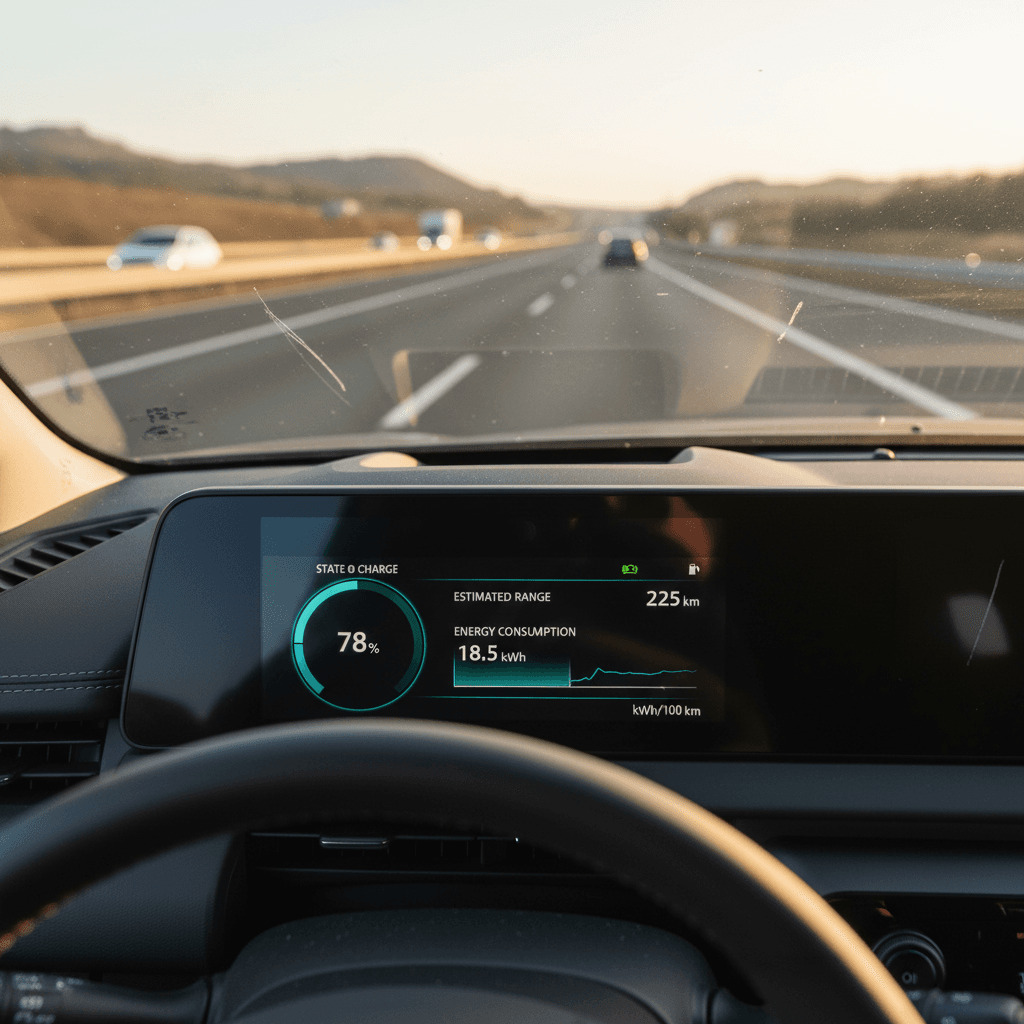
The live efficiency readout tells you how the car is actually performing in the moment. If mi/kWh drops, adjust your speed before the range estimator starts screaming.
Buying a used Ariya: range and battery checks
On the used market, the Ariya is appealing precisely because most examples haven’t been road‑warrior cars. They were bought as stylish commuter crossovers, not Uber‑spec mile‑eaters. That’s good news for battery life, but you still want to be methodical, especially if you care about highway range.
Range questions to ask when shopping used
Whether you’re browsing classifieds or looking at a certified used Ariya, these are the conversations to have.
How was the car used?
Ariyas that lived their lives as 20‑mile suburban shuttles will have different wear patterns than cars doing constant 200‑mile interstate hops.
- Ask about typical daily mileage and highway vs city split.
- Light commuter duty is usually gentle on the pack.
What does real‑world range look like now?
A quick owner reality check can be illuminating:
- “At 70 mph in mild weather, how many miles do you get from 100% down to 10%?”
- Compare that to the estimates earlier in this guide for the same trim.
How often was it DC fast‑charged?
Modern packs tolerate fast charging well, but half its life spent at high‑rate stations is different than mostly Level 2 at home.
Onboard logs and connected‑services histories can sometimes hint at patterns.
Does the efficiency make sense?
On a test drive, reset the trip computer and do a 15–20 mile loop with some highway at 65–70 mph.
- In mild weather, a healthy Ariya should land around 2.5–3.0 mi/kWh depending on battery and drivetrain.
- Numbers far below that in good conditions may hint at tire, alignment, or driving‑style issues.
How Recharged helps with used Ariya range
Nissan Ariya real-world highway range FAQ
Frequently asked questions about Ariya highway range
Bottom line: Is the Ariya a good highway EV?
If you think of the Nissan Ariya as an all‑electric Murano, plush, quiet, and not particularly obsessed with the gym, you’re in the right headspace. On the highway, its real‑world range is honest but not headline‑grabbing. The 87 kWh versions, especially with front‑wheel drive, are perfectly at home knocking out 200‑mile stints; the 63 kWh trims are happier as daily commuters that can take the occasional road trip with thoughtful planning.
The key is to ignore the bravado of the biggest EPA numbers and instead work from realistic 70–75 mph expectations: 190–220 miles per leg for big‑battery Ariyas, less for the small pack and AWD, with a bigger haircut in winter. Plan around that, and the Ariya rewards you with a relaxed cabin, straightforward charging, and none of the stress theater that used to define early‑EV road trips.
If you’re considering a used Nissan Ariya, that’s where Recharged earns its keep. Our Recharged Score Report gives you independent insight into battery health and expected range, and our EV specialists can help you decide whether a particular Ariya, battery, drivetrain, and all, is a fit for your actual highway life, not just your driveway daydream.