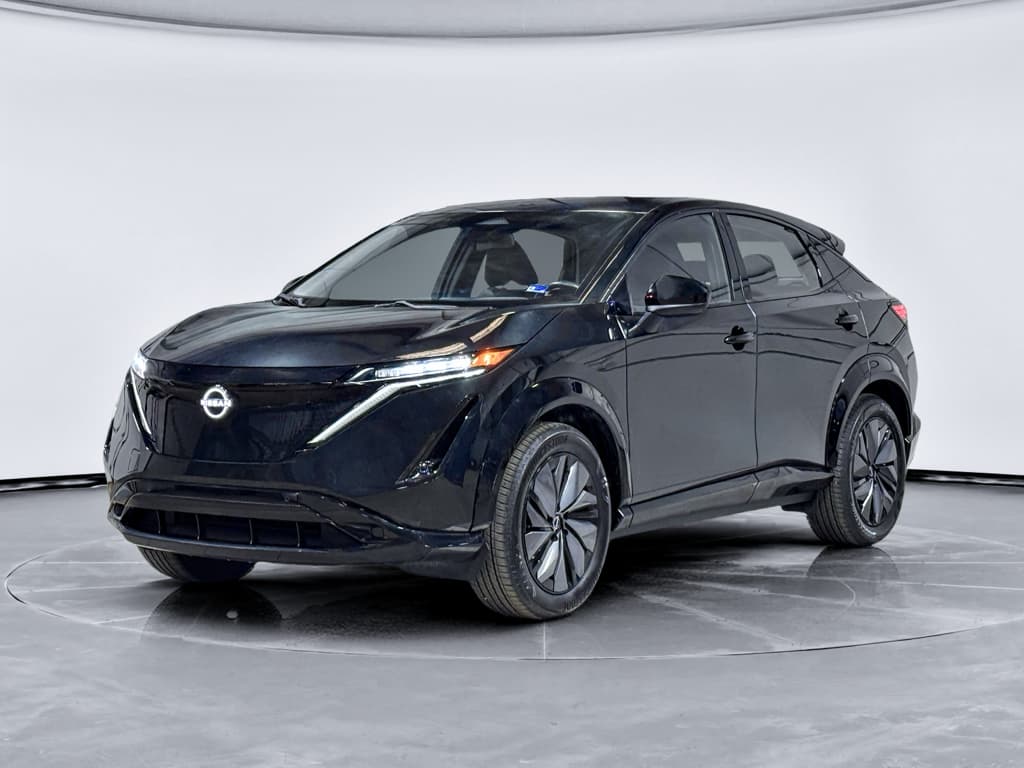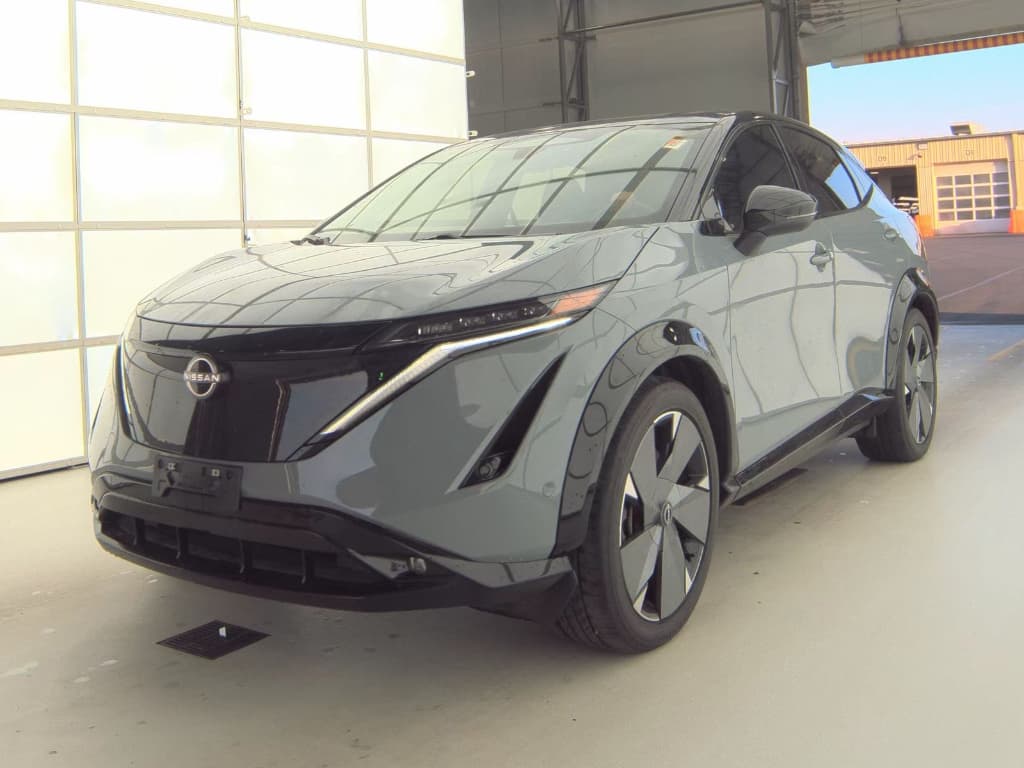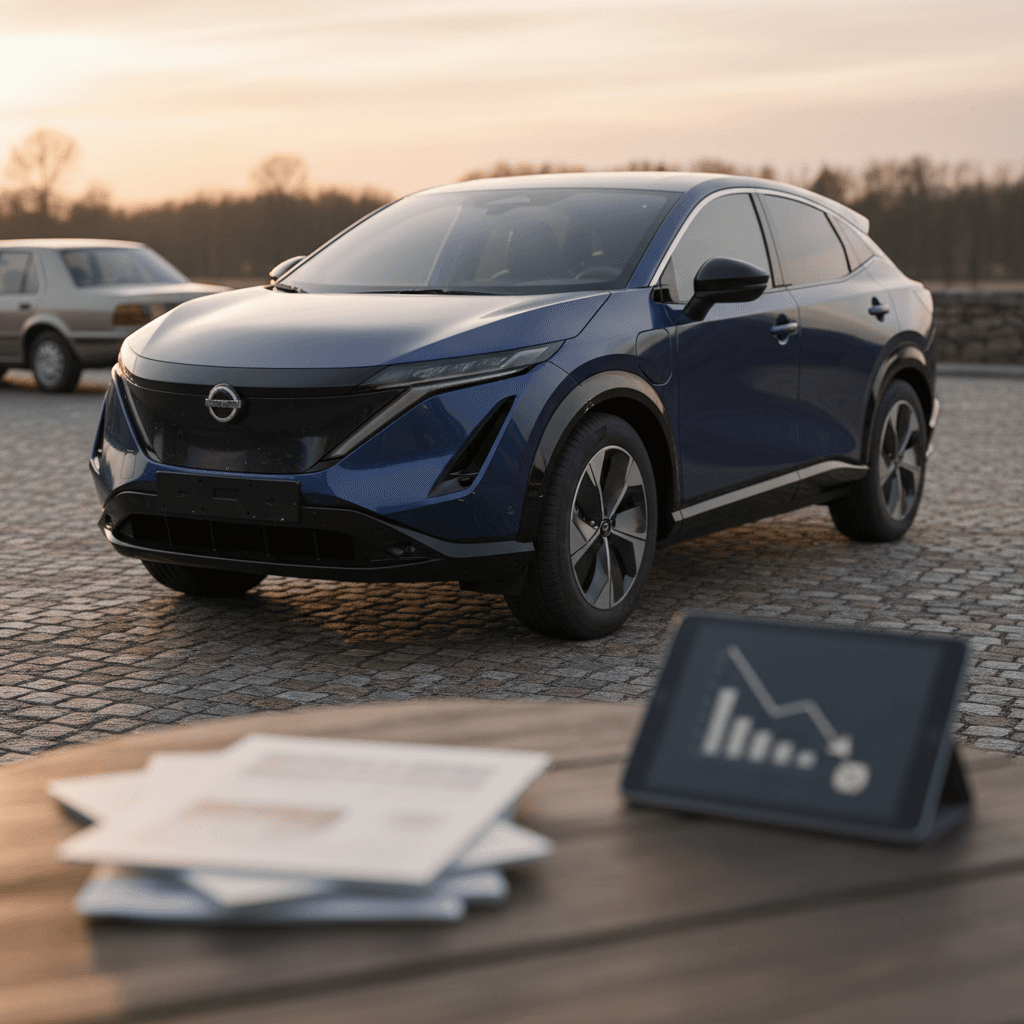
If you’ve glanced at used listings lately, you’ve probably noticed something startling: the Nissan Ariya depreciation rate in 2026 is among the steepest in the compact electric SUV class. For new‑car buyers that’s painful. For used‑EV shoppers, it’s a quiet gold rush. Let’s unpack what’s happening to Ariya values, why they’re dropping so quickly, and how to turn that curve to your advantage.
Context: a young EV with old‑school depreciation
Overview: How the Nissan Ariya Is Depreciating by 2026
By early 2026, the broad story is clear: the Ariya takes a big hit in years 1–3, then begins to flatten into a more normal EV depreciation curve. The biggest damage was done by high initial MSRPs, aggressive price cuts soon after launch, and a buyer base that quickly realized they could get similar range and tech for less money on the used market.
Nissan Ariya depreciation in 2026: key numbers
Exact numbers vary by trim, miles, and market, but a pattern is emerging: an Ariya that stickered in the low‑to‑mid $40,000s new can often be found used around half that figure by its third year. That’s brutal if you bought early, but fantastic if you’re shopping in 2026.
Quick stats: Nissan Ariya depreciation at a glance
Illustrative depreciation for a typical Nissan Ariya
Approximate real‑world price bands for a mainstream front‑wheel‑drive Ariya that originally stickered around $41,000–$45,000, based on early U.S. market data through early 2026. These are directional, not guaranteed values.
| Vehicle age / model year | Original MSRP (example) | Typical transaction price in 2026 | Approx. depreciation |
|---|---|---|---|
| New in 2024 (1–2 years old) | $41,000–$45,000 | $24,000–$28,000 | ~35–45% lost |
| New in 2023 (2–3 years old) | $43,000–$48,000 | $21,000–$25,000 | ~45–55% lost |
| New in 2022 launch (3–4 years old) | $45,000–$50,000+ | $20,000–$24,000 | ~50–60%+ lost |
Use this as a feel for the curve, not as an appraisal for any specific VIN.
Don’t treat this like a VIN‑specific quote
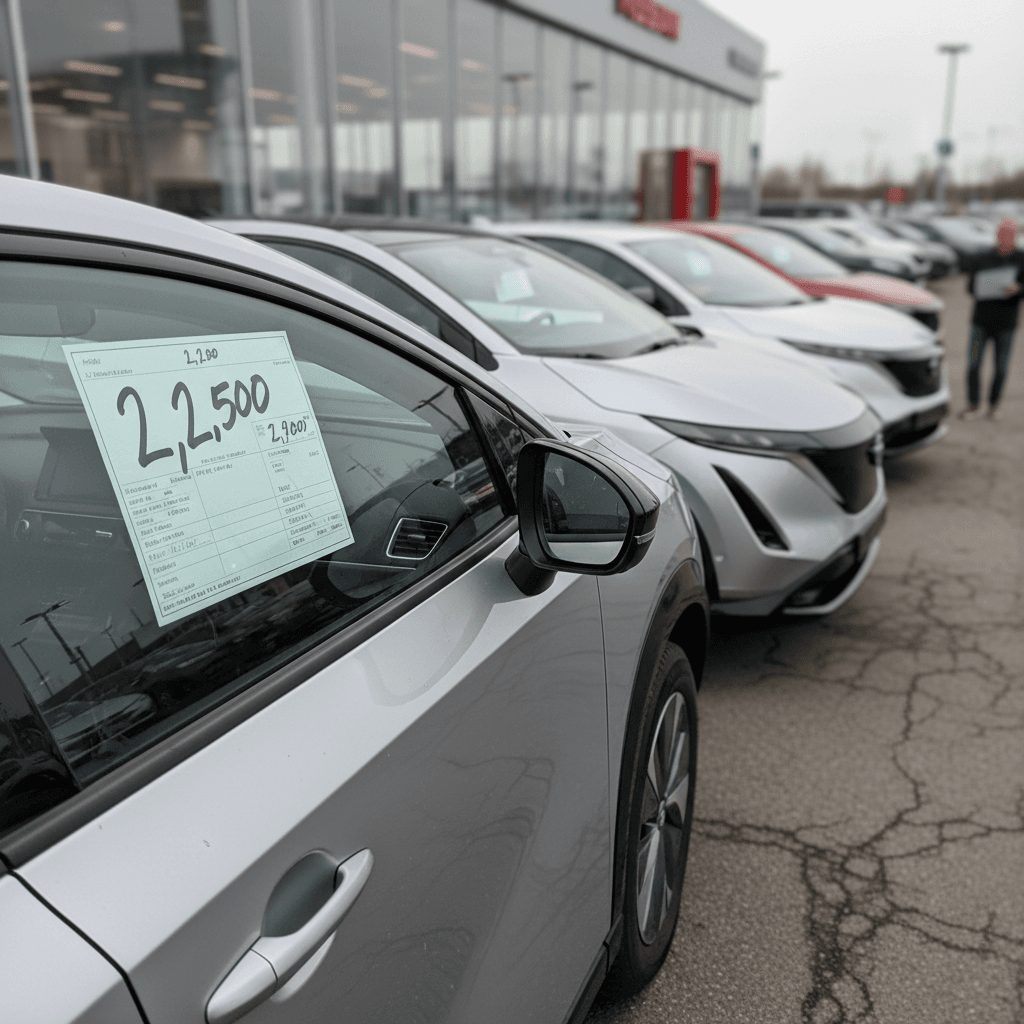
Why is the Nissan Ariya depreciating so fast?
Four big forces behind Ariya’s steep value drop
None of them is about the way the Ariya drives.
1. High MSRPs, then big discounts
The Ariya launched with pricing that overlapped heavily with the Tesla Model Y and premium Korean competitors. Within a short window, factory discounts and dealer incentives trimmed thousands off new‑car prices, instantly making early buyers feel upside‑down and anchoring used shoppers to much lower expectations.
2. Rapidly maturing EV tech
The Ariya’s hardware is solid, but the segment is moving fast. Buyers see newer EVs with slightly more range, faster charging, or sleeker software at similar prices. That makes a two‑year‑old Ariya feel older than it really is, even though its real‑world capability still fits most commutes easily.
3. Charging narrative vs. reality
On paper, the Ariya’s DC fast‑charging speeds lag the segment leaders. In practice, most owners charge at home. But the perception of slower road‑trip charging and the gravitational pull of the Tesla Supercharger network have taken a toll on long‑term demand and, by extension, resale.
4. Brand positioning in the EV era
Nissan was early to EVs with the Leaf, but in the Ariya era it’s not the default aspirational badge. Shoppers cross‑shopping EVs often give a residual‑value halo to Tesla, and increasingly to Hyundai/Kia and some luxury marques. The Ariya comes across as the smart buy, not the status buy, and smart buys usually take the harder depreciation hit up front.
Important nuance: this isn’t a “bad car” discount
How Nissan Ariya depreciation compares to other EVs
Ariya vs. Tesla Model Y
- Tesla’s resale halo: The Model Y still enjoys class‑leading demand on the used market, so its percentage depreciation from MSRP is generally lower than the Ariya’s over the first 3–5 years.
- Charging advantage: Supercharger access and faster DC charging keep road‑trip‑focused shoppers in the Tesla ecosystem longer, which props up values.
- What that means for you: In 2026, a used Ariya with similar mileage is often several thousand dollars cheaper than a comparable‑year Model Y, even when real‑world usability is closer than the price gap suggests.
Ariya vs. VW ID.4, Hyundai Ioniq 5, Kia EV6
- Closer peers: Early data shows the Ariya depreciating broadly in line with the VW ID.4, but somewhat faster than the more in‑demand Hyundai Ioniq 5 and Kia EV6.
- Dealer behavior: Nissan dealers have leaned harder into factory cash, rebates, and aggressive leases, which can undercut used values compared with brands that hold the line on pricing.
- Net effect: The Ariya tends to be the value buy on the used lot, with similar size and comfort at a lower entry price but weaker headline resale metrics.
For used buyers, this is an opportunity
Lease residuals: what they quietly say about 2026 values
You can learn a lot about expected future depreciation by looking at lease residuals, what the bank thinks the Ariya will be worth at the end of a 24‑ or 36‑month term. Throughout 2024 and 2025, Ariya lease deals repeatedly showed residual percentages in the low‑to‑mid‑50s after three years, sometimes paired with very large rebates or buyout incentives.
- A 36‑month residual in the low‑50% range means the lender expects the Ariya to be worth just a little over half its MSRP at lease‑end, before mileage or damage penalties.
- Because actual used‑market prices for 18‑ to 24‑month‑old Ariyas have already been hovering near or below some of those residuals, lessees are often seeing little or no equity at lease‑end.
- In a few cases, Nissan has reportedly offered substantial purchase rebates on lease buyouts to bring buyout prices closer to real‑world market values.
If you leased at a high residual, tread carefully
Projected depreciation curve: 2023–2026 and beyond
Given current data, a sensible working assumption for a typical Ariya in the U.S. is a steep front‑loaded curve that softens after year 4. In other words, the worst is over by 2026 for the earliest builds, and even 2024 models have likely already taken their largest percentage hit.
A realistic depreciation storyline for a mainstream Ariya
1. Years 0–1: the cliff
Launch pricing plus later price cuts and incentives mean a new Ariya can lose a large chunk of its paper value the moment it leaves the lot. For 2024 models, double‑digit percentage drops in the first year are common.
2. Years 1–3: the slide
As more used examples hit the market, buyers pay closer attention to transaction prices than to MSRP. Values continue to fall but at a slower, more rational pace, especially for trims with shorter range or less desirable options.
3. Years 3–5: the plateau
Assuming no major reliability scandal, this is where many EVs, including the Ariya, settle into a more normal used‑car pattern. Battery health, mileage, and cosmetic condition start to matter more than model‑year bragging rights.
4. Years 5–8+: condition and battery are king
By the time we’re in the early 2030s, what will separate a desirable Ariya from a cheap one won’t be the badge, it’ll be how well the pack has aged, whether software is up to date, and whether the interior still feels tight and quiet.
Watch battery health, not just model year
What this means if you’re buying a used Ariya in 2026
In plain language: 2026 is an excellent year to buy a used Nissan Ariya, as long as you buy with your eyes open. You’re stepping in after the original owner has absorbed the biggest punch, and you’re getting a comfortable, quiet EV with modern safety tech at a price that would have been unthinkable at launch.
Pros and cons of buying a depreciated Ariya
What you gain, and what you need to watch for.
Upsides for 2026 used buyers
- Huge value vs. MSRP: Many 2–3‑year‑old Ariyas are priced like economy crossovers but still feel and drive upscale.
- Modern features on a budget: ProPILOT Assist, heat pump, active safety, and a high‑quality interior at compact‑SUV money.
- Less tech FOMO: Ariya’s hardware is competitive enough that you’re not giving up much real‑world usability compared with newer EVs.
Trade‑offs you should factor in
- Future resale still uncertain: You’re getting in low, but the rest of the curve is still writing itself as more EVs flood the market.
- Charging speed isn’t best‑in‑class: If you road‑trip constantly, the Ariya’s DC rate and network access may not be ideal.
- Brand gravity: Nissan doesn’t carry the same EV cachet as Tesla or some Koreans, which can affect future demand.
Where Recharged fits in
Ready to find your next EV?
Browse VehiclesTips to reduce future depreciation on your Ariya
Once you’ve bought an Ariya, whether new or used, you still have some control over what it will be worth when you’re ready to move on. You can’t rewrite the market, but you can position your particular car at the top of the value range for its age.
6 ways to protect your Ariya’s value
1. Keep mileage in check
Nothing crushes resale faster than way‑over‑average miles. If you can, use another car for long road‑trip duty and let the Ariya shine as a commuter and family shuttle.
2. Baby the battery
Avoid daily 100% charges, minimize repeated DC fast‑charging when you don’t need it, and keep the car parked in shade or a garage in extreme heat. Healthier batteries are worth real money when you sell.
3. Stay on top of software and maintenance
Keep receipts, follow maintenance schedules, and make sure you’ve installed the latest software updates. A clean service record is one of the first things informed buyers and platforms like Recharged look for.
4. Fix the little stuff before selling
Curb‑rashed wheels, windshield chips, and a French‑fry collection under the rear seat all signal neglect. Modest cosmetic reconditioning often pays back more than it costs when you trade or sell.
5. Choose your exit channel wisely
Trade‑in, instant offer, consignment, and private sale can yield very different checks. Platforms like <strong>Recharged</strong> let you compare options, from instant offers to consignment, so you’re not leaving money on the table.
6. Time your sale around market waves
Tax‑credit changes, gas‑price spikes, and new‑model launches can all nudge EV demand. If you have flexibility, selling when incentives are favorable for buyers (or when gas is painfully expensive) can soften depreciation’s sting.
Thinking of selling or trading your Ariya?
Nissan Ariya depreciation FAQ (2026)
Frequently asked questions about Nissan Ariya depreciation in 2026
Bottom line: Is Nissan Ariya depreciation a problem or an opportunity?
If you were one of the first Ariya buyers to pay near‑MSRP, depreciation in 2026 probably feels like a gut punch. The market moved under your feet, fast. But if you’re coming in now as a used‑EV shopper, the Nissan Ariya depreciation rate in 2026 is less a problem than a feature. You’re getting a quiet, comfortable, well‑equipped electric crossover for the price of a middling gas SUV, precisely because someone else financed the cliff‑dive.
The key, as always with EVs, is to buy the right example at the right price: clean history, healthy battery, sensible miles, and a number on the window that lines up with where the real market has already landed. That’s where Recharged comes in, pairing you with transparent data, financing and trade‑in options, and expert EV support from your first search to the day the Ariya arrives in your driveway.