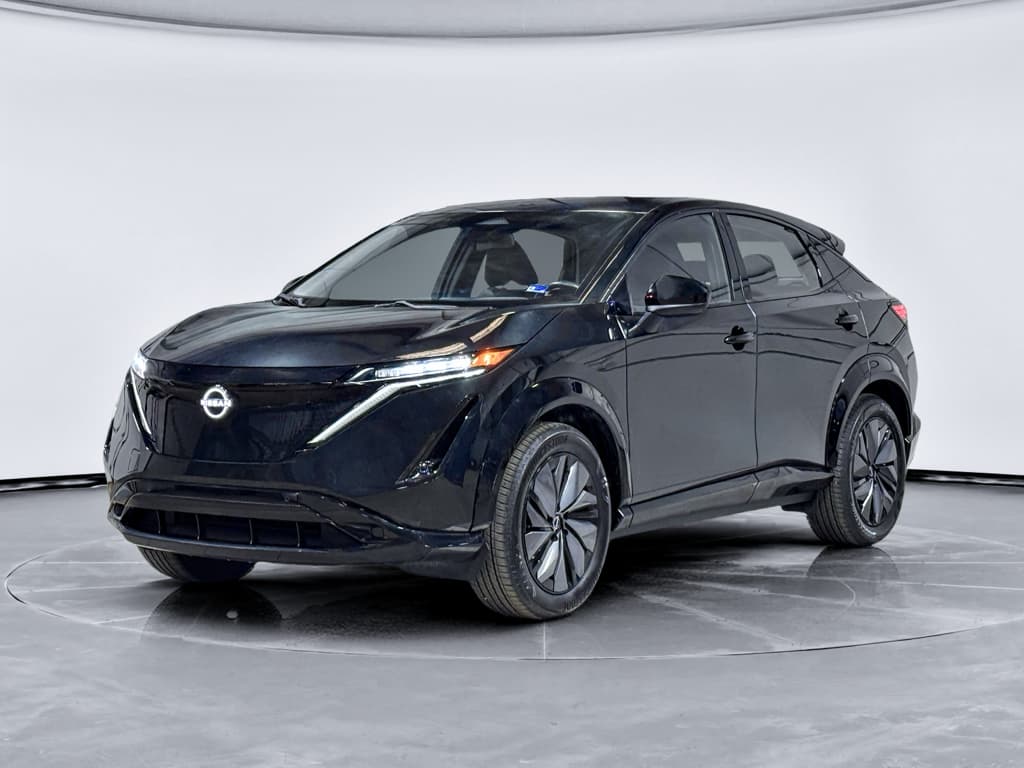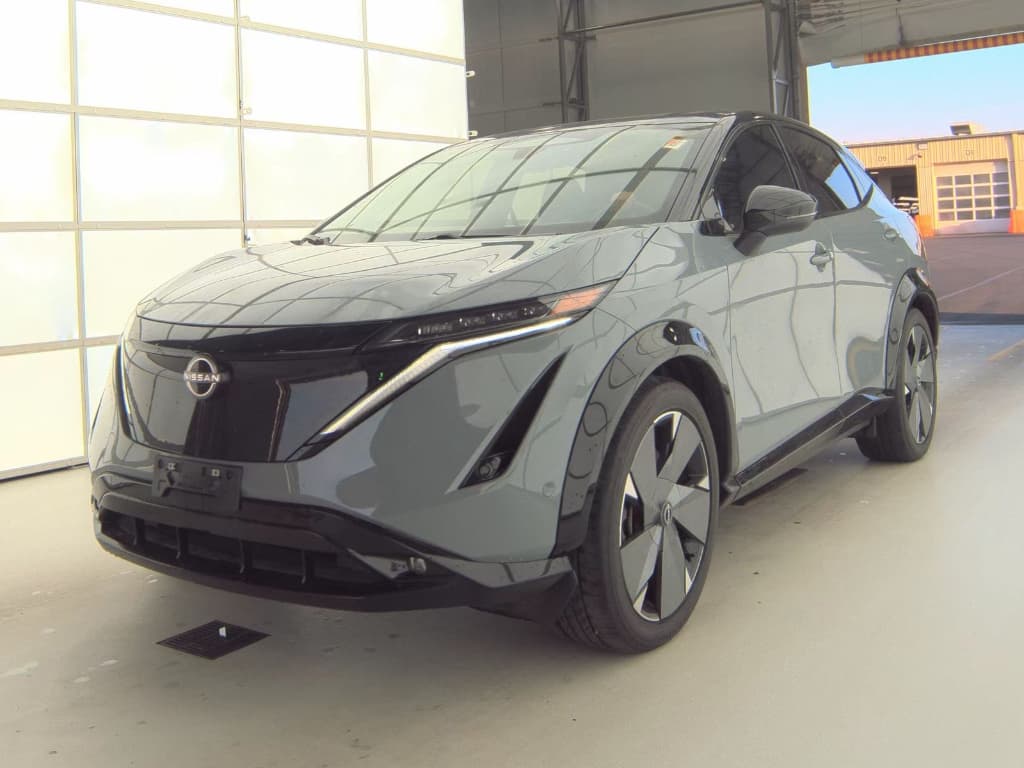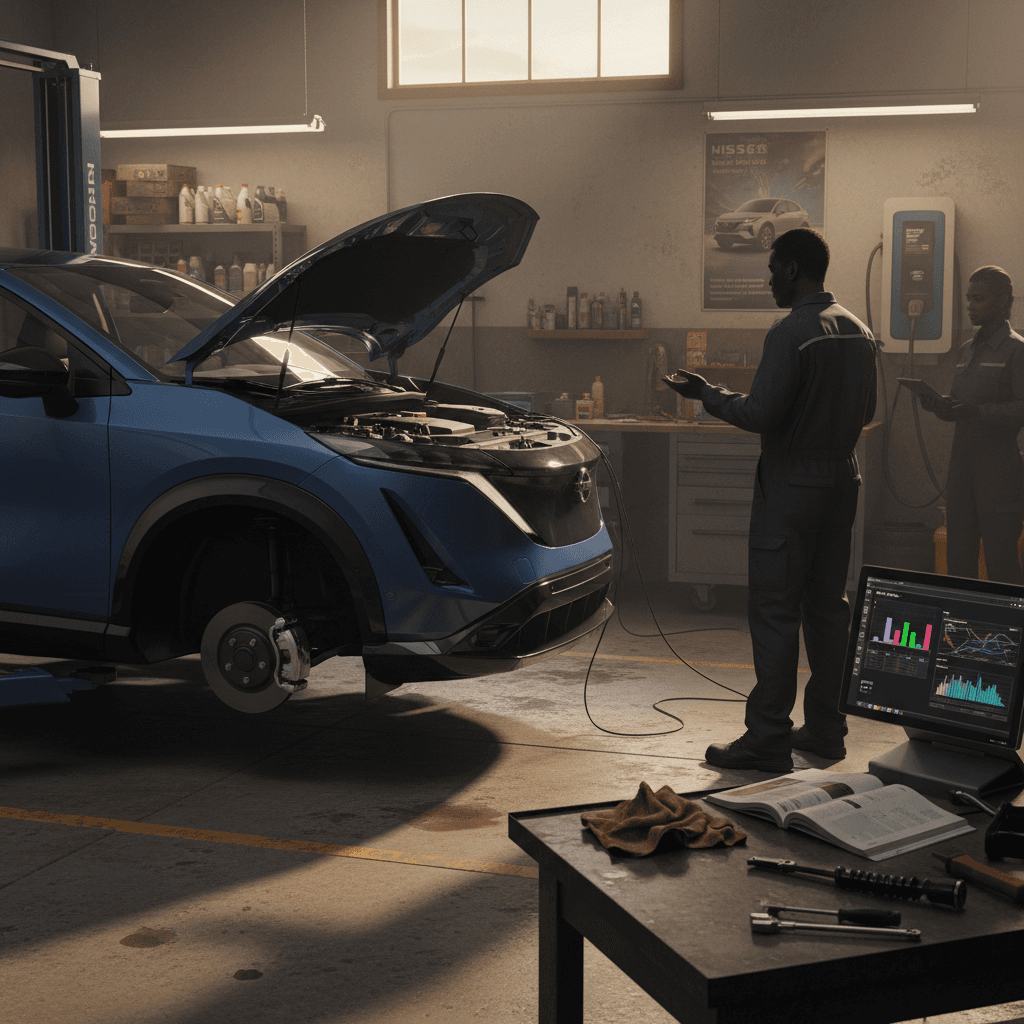
If you’re shopping for a Nissan Ariya in 2026, you’re doing what a lot of careful EV buyers are doing: Googling “Nissan Ariya common problems 2026” before you sign anything. That’s smart. The Ariya is a handsome, comfortable electric crossover with solid core hardware, but its first few model years haven’t been entirely drama‑free. The key is understanding which issues are genuinely common, and which are the internet’s greatest hits on repeat, so you can shop eyes‑open.
Quick take
Overview: How the Ariya Is Holding Up in 2026
By April 2026 we have several model years of Nissan Ariya data, owner forums, reliability surveys, recall records and thousands of real‑world miles, to look at. The picture is mixed but not dire. Compared with some early EV experiments, the Ariya is far from a disaster; compared with the most bulletproof EVs, it clearly has a few rough edges, especially around electronics and charging behavior.
Nissan Ariya reliability snapshot (through early 2026)
In English: the Ariya isn’t a hopeless problem child, but it also isn’t the set‑and‑forget appliance some shoppers expect from a Japanese EV. If you treat it like a first‑generation tech product, buy carefully, verify updates and know the known issues, you can stack the odds much more in your favor.
Is the Nissan Ariya a reliable EV?
Reliability depends on what you compare it to. Against some legacy gasoline SUVs, the Ariya looks decent: no oil changes, no turbochargers, no multi‑speed automatic transmission waiting to grenade itself out of warranty. Against class‑leading EVs, though, the Ariya’s early years show more nuisance failures and software‑adjacent drama than you’d like.
- Independent owner surveys in Europe report a relatively high fault rate for 2023–2024 Ariyas, with many issues related to electronics and electrical systems rather than the motor or battery pack.
- Consumer‑facing sites in the U.S. show mostly positive Ariya owner reviews, but the negative ones tend to cluster around 12‑volt battery failures, charging errors and the car going into a protective “EV System Off” or limp‑home mode.
- Early 2023 cars had inverter software and motor‑assembly recalls that could, in worst cases, cause a loss of drive; recall work is straightforward but absolutely must be checked on any used vehicle you’re considering.
Context matters
Most common Nissan Ariya problems (2023–2025 cars)
Across owner forums, service bulletins and reliability surveys, a clear pattern emerges. The same themes keep coming up for 2023, 2024 and early‑build 2025 Ariyas. Not every car will see these issues, but these are the patterns worth understanding in 2026, especially if you’re buying used.
1. Electrical and 12V battery faults
EVs still use a traditional 12‑volt battery to run control modules, locks, lights and the computers that wake up the high‑voltage system. In the Ariya, this humble component is the star of more owner horror stories than anything else.
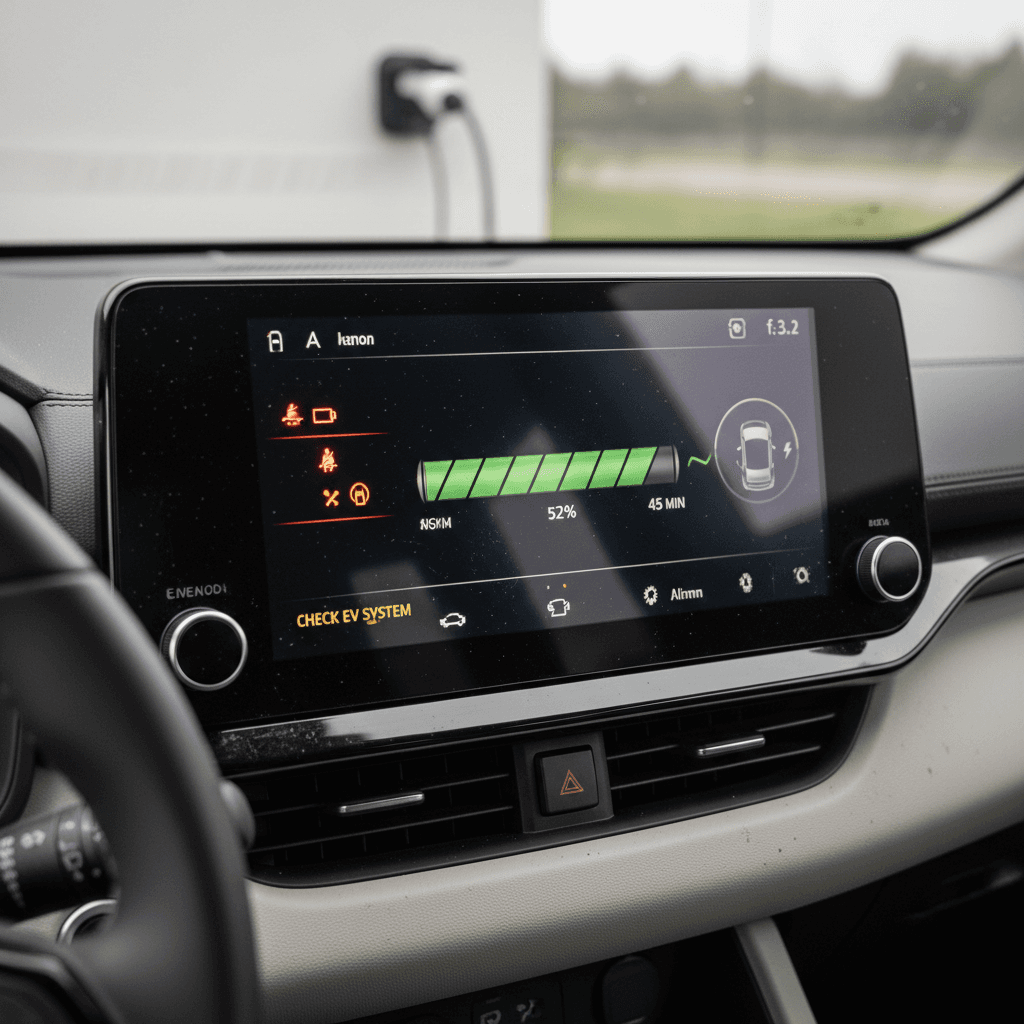
- Spontaneous “EV System Off” or “Service EV System” warnings, sometimes right after a DC fast‑charge session or even on an early road trip.
- Complete no‑start situations where the car appears dead, doors won’t unlock electronically, the shifter won’t move, the dash stays dark, until the 12V is jumped or replaced.
- Multiple 12‑volt battery replacements on the same car within a short mileage window, suggesting either weak OEM batteries or a sensitive charging/monitoring strategy.
- Scattered reports of the 12V system confusing dealers at first, leading to misdiagnosis (new modules, on‑board chargers) before someone checks basic voltage and charging behavior.
Why it matters
The good news: once an obviously weak 12V battery is replaced with a higher‑quality unit and any related software updates are applied, many owners report months of trouble‑free driving. The system seems more sensitive than fragile. The bad news: you need a dealer who understands EV diagnostics, not just someone resetting codes.
2. Software, infotainment and app bugs
Nissan pitched the Ariya as a modern, software‑defined EV with over‑the‑air (OTA) updates. In practice, 2023–early 2024 owners often describe something more like a glitchy smartphone that only remembers it can update once a year.
Typical Ariya software & infotainment complaints
Most are annoying rather than dangerous, but still matter when you live with the car every day.
Frozen or blank screens
The central display or digital cluster may boot blank, lag badly, or freeze mid‑drive. A full restart usually clears it, but it’s not what you want in a new‑ish EV.
Phone & app weirdness
Intermittent Bluetooth pairing, inconsistent Android Auto/Apple CarPlay, or the NissanConnect app showing stale or incorrect charging status.
Slow OTA cadence
Some early cars saw few or no meaningful OTA updates for long stretches, even as Nissan quietly improved later builds and rolling software versions.
Pro tip: treat updates as a mechanical service item
3. Charging problems and DC fast‑charge gremlins
Most Ariyas charge normally on both Level 2 home setups and public DC fast chargers. But when charging problems do show up, they tend to look dramatic: warning messages, interrupted sessions, or the car refusing to go into gear after a quick‑charge stop.
- Level 2 home charging that starts normally, runs for a minute or two, then stops with a “Service EV System” message, even when other EVs charge fine on the same station.
- DC fast‑charge sessions after which the car shows multiple warnings or refuses to shift out of Park until it’s reset or towed to a dealer.
- Edge‑case communication problems between certain third‑party wallboxes and the Ariya’s on‑board charger, leading to blame‑the‑other‑guy ping‑pong between charger makers and Nissan dealers.
It’s not usually the big battery
4. Driver‑assist, sensor and other hardware hiccups
Like most modern crossovers, the Ariya is wrapped in cameras, radar modules and ultrasonic sensors. When they’re happy, the driver‑assist experience is calm and competent. When they’re not, you get warnings, disabled features and, in some cases, lengthy repair visits.
- Occasional failure of a power mirror to deploy at startup until the car is restarted.
- Intermittent blind‑spot monitoring or parking sensor warnings with no obvious obstacle, especially in harsh weather or after minor bumps.
- Headlamp assemblies, control modules or sensor units waiting on backorder, leaving cars sidelined for weeks after an otherwise minor fault.
The hidden pain: parts and EV techs
Recalls that matter for Ariya shoppers
By 2026, the Ariya has accumulated a handful of recalls and technical service bulletins (TSBs). Most are behind‑the‑scenes fixes, but a couple are directly tied to some of the dramatic “car shut down” stories you’ll find online.
Key Ariya recall themes to verify
Recall details vary by market and build date, so always run a VIN check. These are the big‑picture items worth confirming on any used Ariya.
| Issue | Model years mainly affected | What can happen | What to confirm |
|---|---|---|---|
| Inverter software mis‑diagnosis | Primarily 2023 | EV system can shut down due to false error detection, leading to loss of drive until restarted or repaired. | Proof that inverter software recall/TSB has been completed. |
| Front traction motor assembly | Selected 2023 builds | Manufacturing concern that could, in rare cases, lead to motor faults or loss of motive power. | Service stickers or paperwork showing the campaign number as closed. |
| 12‑volt battery and charging logic updates | 2023–2024 (and some early 2025) | Low 12V voltage can trigger multiple warning lights, EV System Off messages or no‑start conditions. | Evidence of updated battery, charging logic or related software updates if the car previously showed symptoms. |
A good dealer or marketplace should be able to document completed recall work before you buy.
How to check recall status fast
How these problems actually show up on a test drive
Reading about faults in the abstract is one thing. What you care about is, “Will I notice this in a 30‑minute test drive?” Some issues you can absolutely sniff out before you sign; others are more long‑term ownership questions.
Likely to show up right away
- Infotainment lag or freezing: Pay attention to how quickly the system boots, switches between functions and redraws maps.
- Driver‑assist behavior: Try adaptive cruise, lane centering and parking aids in a variety of conditions if it’s safe to do so.
- Warning lights after charging: If you can, arrive with a lowish state of charge, plug into Level 2 nearby, then restart and drive. Look for any “EV System Off” or “Service” messages.
More likely to surface later
- Slow 12V degradation: A marginal 12V battery might behave on the lot but throw a tantrum after a week of short trips or cold weather.
- Occasional app/server quirks: The NissanConnect app can look fine the day you test it and act confused a month later if there’s a server issue.
- Parts‑availability pain: You only discover this one after something breaks and the car spends a month earning frequent‑flyer miles at the service department.
Buying a used Nissan Ariya in 2026: smart checklist
If the Ariya’s design, comfort and driving manners appeal, and they should, it’s a lovely thing to sit in, you don’t have to walk away just because you’ve read a few grim forum threads. You simply need to buy like a skeptic. Here’s how to separate the keepers from the cautionary tales.
Used Nissan Ariya 2026 buyer checklist
1. Run a full VIN recall check
Confirm that inverter‑software and traction‑motor campaigns have been completed, along with any regional 12‑volt or charging‑system updates. Ask for paperwork, not just verbal assurances.
2. Get a real battery & charging health report
You want more than a dashboard guess at range. A proper diagnostic, like the <strong>Recharged Score</strong>, looks at pack health, DC fast‑charge history and how the car performs under load.
3. Stress‑test the infotainment and app
Spend time with the center screen and digital cluster. Connect your phone, run navigation, stream audio, then power‑cycle the car. Slow, glitchy behavior on day one rarely improves with age.
4. Inspect the 12V battery history
Ask if the 12‑volt battery has been replaced, when, and with what brand/spec. A recent, name‑brand replacement is a plus. If the seller can’t answer basic questions, treat that as a yellow flag.
5. Test multiple charging scenarios
If possible, charge on a Level 2 station and, ideally, try a DC fast‑charge stop before you commit. Watch for errors as you unplug and drive off. Any “EV System Off” saga before purchase is your cue to walk or renegotiate.
6. Review service records for repeat issues
One visit for a software update or sensor swap is no big deal. Three visits for the same unresolved fault is a sign you’re inheriting someone else’s science experiment.
Why buy through Recharged
How Recharged evaluates Ariya battery & charging health
With an EV like the Ariya, the question behind all other questions is simple: “Is the battery pack healthy, and will this thing charge like it should for years to come?” To answer that, you need more than a quick spin around the block and a salesman’s shrug. You need data.
Inside a Recharged Score for a Nissan Ariya
Beyond cosmetic condition, we focus on the expensive, EV‑specific stuff that actually matters.
High‑voltage battery health
We look at usable capacity versus original spec, long‑term charging behavior and how the car manages heat, key predictors of future range.
Charging performance
We test both AC and, when possible, DC fast‑charging behavior to catch early signs of on‑board charger or communication issues.
Fault & recall history
Diagnostic scans and service records reveal stored errors, repeat patterns and whether critical inverter or 12‑volt campaigns are complete.
Ready to find your next EV?
Browse VehiclesThe result is a single, easy‑to‑read report that turns Ariya ownership from a leap of faith into a knowable quantity. You see the same underlying health data our team uses to price and stand behind the car, whether you buy online or visit the Recharged Experience Center in Richmond, VA.
FAQ: Nissan Ariya common problems in 2026
Frequently asked questions about Nissan Ariya problems
Bottom line: Should you buy a Nissan Ariya in 2026?
The Nissan Ariya is a genuinely pleasant EV to live with when you get a good one. It rides well, looks sharp, and its interior has a sense of calm that a lot of tech‑bro crossovers lack. The common problems we see in 2026, 12‑volt drama, software quirkiness, charging‑related warnings and slow parts, are real, but they’re not universal and they’re not usually about the big, expensive battery pack catastrophically failing.
If you want the simplest ownership experience in the segment, there are safer bets. If you love the Ariya’s vibe and are willing to do a little homework, you can absolutely find a solid example. Buy from a seller who can prove software, recall and charging history; insist on credible battery diagnostics; and budget some patience if your local Nissan store is still learning the EV ropes.
Or, let someone else do the worrying for you. Every Ariya sold through Recharged comes with a Recharged Score battery‑health report, transparent pricing, financing options and expert EV support from first click to delivery. In a world where even a “simple” EV can hide a lot of complexity, that kind of x‑ray vision is worth its weight in lithium.