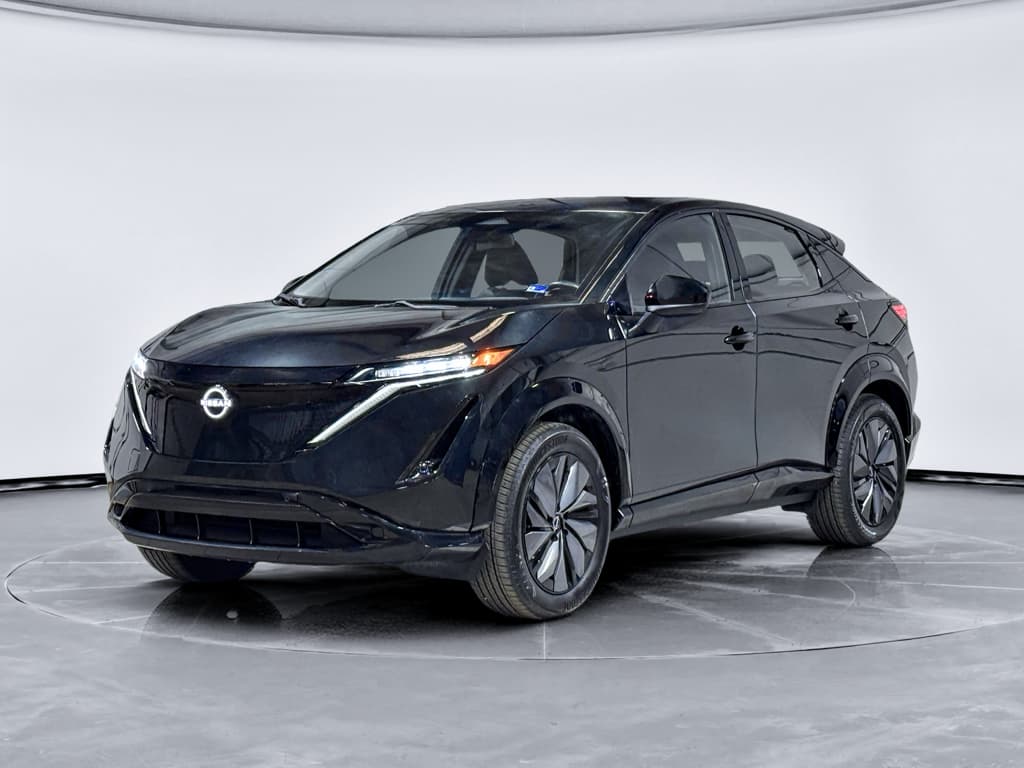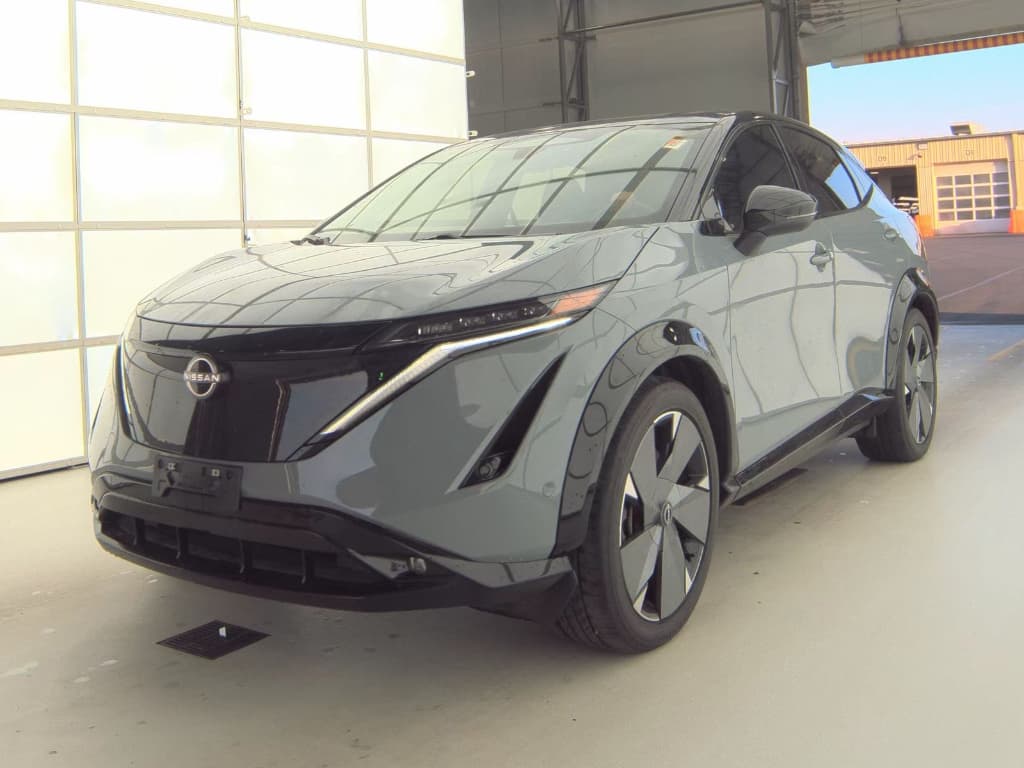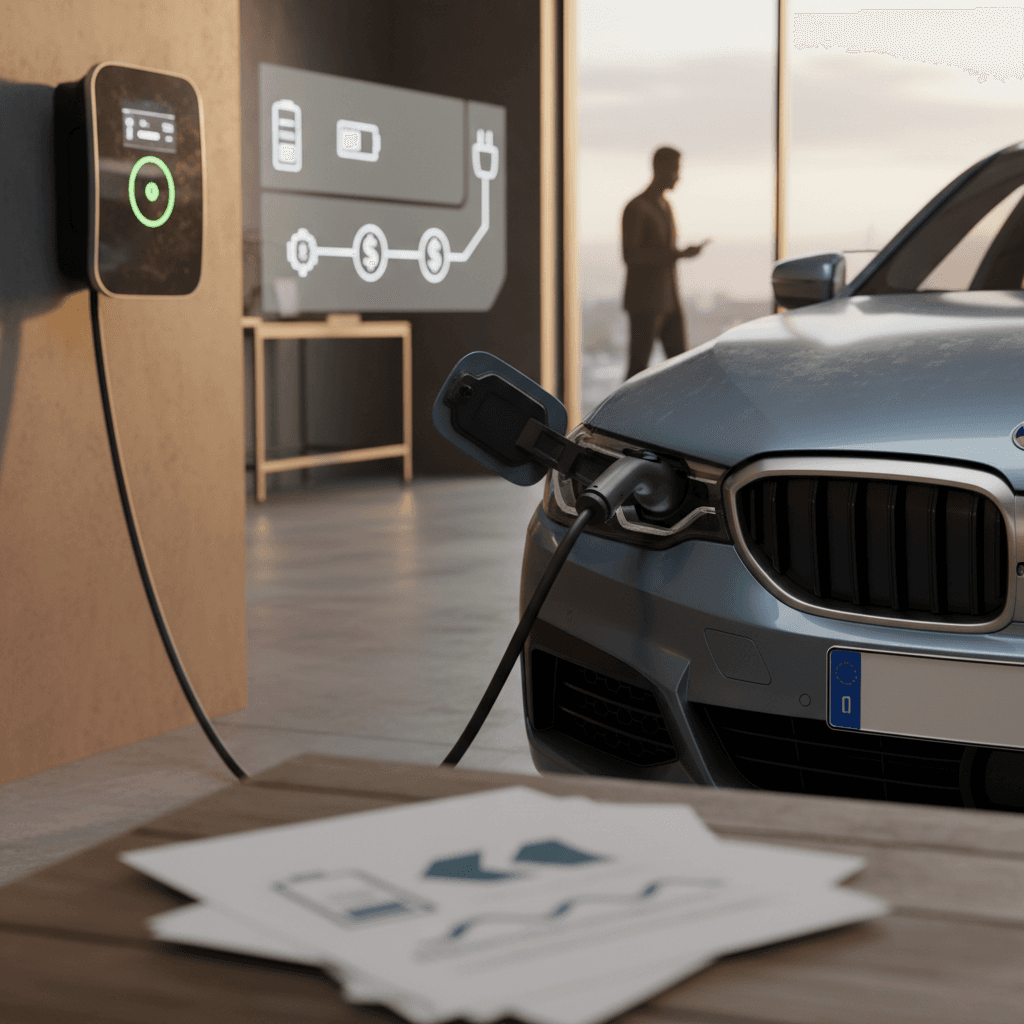
If you like the idea of a quiet, comfortable electric SUV but don’t want to pay new‑car money, a used Nissan Ariya can look very tempting. This Nissan Ariya buying checklist walks you through everything that matters: trims, range, charging, battery health, pricing, and what to inspect before you sign anything.
Quick context
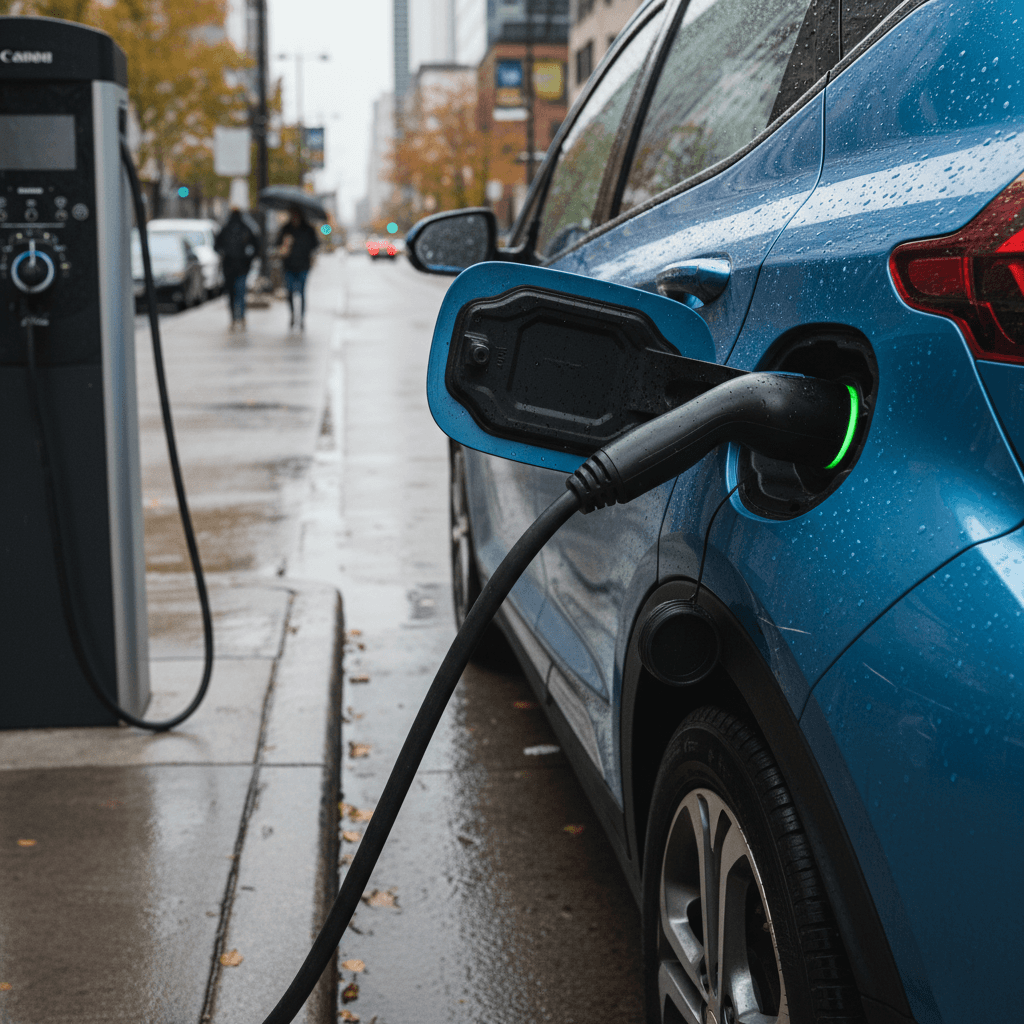
Why a Nissan Ariya buying checklist matters now
The Ariya arrived in the U.S. for the 2023 model year as Nissan’s second mass‑market EV. It slots into the heart of the market: a family‑friendly, two‑row electric SUV with available all‑wheel drive and a choice of two battery sizes. It also earned strong safety scores, including IIHS Top Safety Pick recognition for properly equipped models built after March 2023, which is a big box to tick if you’re hauling kids.
But not every Ariya is the same. Entry trims use a smaller battery and have less range; some cars have advanced ProPILOT Assist 2.0 hands‑free features, others don’t. Charging speeds and equipment have changed slightly over the years, and recent models can access a large number of Tesla Superchargers using a paid adapter. A clear, step‑by‑step checklist keeps you from falling in love with the wrong car, or paying too much for the right one.
How Recharged can help
Step 1: Clarify which Ariya you’re shopping for
The Ariya lineup looks like alphabet soup at first glance, Engage, Evolve+, Engage+ e‑4ORCE, Platinum+ and so on. Before you look at individual cars, decide what you actually need from the SUV so you can target the right trims.
Nissan Ariya trim families at a glance
Use this as a starting point, then confirm exact equipment on each VIN.
Engage / Engage e‑4ORCE
Role: Value and daily commuting.
- Smaller 66 kWh battery (about 63 kWh usable)
- Front‑wheel drive (Engage) or e‑4ORCE AWD
- EPA range roughly in the 200–220 mile ballpark depending on year and spec
Evolve+ / Engage+ e‑4ORCE
Role: Longer range and more power.
- Larger 91 kWh battery (about 87 kWh usable)
- Front‑wheel drive or AWD
- Significantly better range, top trims can approach the mid‑ to high‑200s miles
Platinum+ e‑4ORCE
Role: Luxury and tech.
- Big battery, standard AWD
- More power, premium audio, leather, panoramic roof
- Often includes ProPILOT Assist 2.0 and extra parking aids
Approximate range snapshots by configuration
Always confirm the exact EPA estimate for the model year and trim, but this table helps you sanity‑check what you’re being told.
| Configuration | Battery | Drivetrain | Typical EPA range |
|---|---|---|---|
| Engage FWD | 66 kWh | FWD | Around low‑200s miles |
| Engage e‑4ORCE | 66 kWh | AWD | Around ~200 miles |
| Evolve+ FWD | 91 kWh | FWD | Up to high‑200s miles |
| Evolve+ e‑4ORCE / Platinum+ | 91 kWh | AWD | Mid‑200s miles in ideal conditions |
Range varies with wheels, options and climate, so treat these as ballpark figures, not promises.
Trim names can change
Step 1 checklist: Know your must‑haves
1. Decide on FWD vs AWD (e‑4ORCE)
If you live with snow, drive on unpaved roads, or like a sportier feel, put <strong>e‑4ORCE AWD</strong> on your must‑have list. Otherwise, FWD trims are more efficient and often cheaper.
2. Set a minimum real‑world range
Look at your longest regular drives. If you do mostly city commuting, a smaller‑battery Ariya may be plenty. If you road‑trip, target the larger 91 kWh pack.
3. Choose your tech level
Do you want basic ProPILOT Assist (adaptive cruise and lane centering) or the more advanced ProPILOT Assist 2.0 with hands‑free capability on some highways? That decision narrows trims fast.
4. Pick features you refuse to live without
360° camera, heated seats, panoramic roof, premium audio, power tailgate, list your non‑negotiables so you don’t fall for a pretty color and compromise on what you’ll miss every day.
Step 2: Range, battery and charging checks
Ariya buyers care about range and charging more than anything else, and rightly so. The good news: the Ariya’s liquid‑cooled battery and conservative fast‑charging profile tend to be gentle on long‑term battery health. The tradeoff is that DC fast‑charging speeds are only mid‑pack for the segment, topping out around 130 kW on most trims.
Range and charging at a glance
Charging connectors to know
Battery and charging checklist
1. Confirm battery size from VIN or window sticker
Don’t rely on the salesperson’s memory. Verify whether the car has the <strong>66 kWh</strong> or <strong>91 kWh</strong> battery, this drives range and price.
2. Review battery health data, not just range
Ask for a <strong>battery health report</strong>. On Recharged, the Recharged Score includes pack diagnostics so you can see estimated remaining capacity, fast‑charge history patterns, and any trouble codes.
3. Ask about fast‑charging habits
Frequent 100% DC fast charges can age any EV battery faster. Occasional road‑trip use is normal; a car that lived on DC fast chargers every week deserves a closer look at health.
4. Test Level 2 charging
If possible, plug the car into a 240‑V charger during your visit. Make sure it starts charging promptly and that the car reports an expected time to full.
5. Check for NACS adapter eligibility
Ask if the car’s original owner claimed Nissan’s NACS adapter offer and whether the adapter is included. If not, factor the cost of an adapter into your budget if you plan to use Tesla Superchargers.
Red flag: Incomplete charging history
Step 3: Safety, tech and driver-assistance must-haves
One of the Ariya’s strongest selling points is safety. Properly equipped models built after March 2023 earned IIHS Top Safety Pick+ status thanks to strong crash performance, solid headlights and excellent pedestrian‑detection performance. But just because the platform is safe doesn’t mean every used example has the features you want.
Key safety and driver‑assist features to verify
Many are standard, but some advanced tools are trim‑ or package‑dependent.
Core safety tech
- Automatic emergency braking with pedestrian detection
- Blind‑spot monitoring and rear cross‑traffic alert
- Lane‑departure warning and lane‑keeping assist
- Rear automatic braking
ProPILOT Assist vs. 2.0
- ProPILOT Assist: Adaptive cruise + lane centering on highways.
- ProPILOT Assist 2.0: Adds limited hands‑free capability and lane‑change automation on mapped roads (often on Platinum+ and some Empower/Empower+ style trims).
Parking and visibility
- 360° Around View Monitor
- Front and rear parking sensors
- High‑quality LED headlights (post‑March 2023 builds improve performance)
Step 3 checklist: Safety and tech
1. Look up crash test results by year
Confirm the build date on the door jamb sticker. Ariyas built after March 2023 benefit from upgraded headlight performance that helped earn top safety awards.
2. Verify ProPILOT features on a test drive
Don’t take the badge’s word for it. Enable ProPILOT on a familiar highway and check that lane‑centering, distance control, and any hands‑free functions behave smoothly.
3. Check camera clarity and sensor function
Make sure the 360° camera image is sharp and that parking sensors trigger as you approach obstacles. Glitches here can hint at past bumper damage.
4. Confirm child‑seat friendliness
If you have kids, test your car seats with the Ariya’s LATCH anchors and seat belt geometry. The Ariya’s rear seat is generally friendly to child seats, but your exact setup matters.
Step 4: Common issues and red flags to watch for
Because the Ariya is relatively new to the market, it doesn’t have the decades‑long track record of a Leaf. That said, early owner reports suggest the big trouble spots are less about the battery pack itself and more about software, charging quirks and typical new‑model teething issues.
Software and infotainment quirks
- Slow or occasionally frozen center touchscreen.
- Glitches with wireless Apple CarPlay/Android Auto pairing.
- Navigation not always showing the most efficient charging stops.
Most issues are fixed with over‑the‑air or dealer software updates. Check that the car is on the latest software revision.
Charging and hardware concerns
- Cars that frequently DC fast‑charge may show slightly faster battery wear.
- Occasional reports of public chargers dropping connection mid‑session, often network or station issues, but test the car anyway.
- As with any EV, curb rash or damage near the charge port area deserves extra scrutiny.
Don’t skip a lift inspection
Step 4 checklist: Spot the red flags early
1. Scan service history for repeat visits
Multiple visits for the same infotainment, charging, or electrical issue may signal an unsolved problem. Ask what parts were replaced and whether issues truly disappeared.
2. Check for accident and flood history
Use a vehicle history report and have a trusted shop (or a Recharged partner) look for signs of flood damage, panel replacement and paintwork around the battery enclosure and high‑voltage components.
3. Test DC fast charging before you buy
If there’s a nearby CCS fast charger, plug in and watch the session. Confirm that the car ramps up to expected speeds and doesn’t throw warning lights or disconnect.
4. Listen for unusual drivetrain noises
EVs are quiet, which makes odd sounds stand out. Whines, clunks or grinding during acceleration or regen braking are worth a professional diagnosis.
Step 5: Pricing, incentives and total cost of ownership
New, the Ariya has typically been priced in the low‑$40,000s and up, depending on trim and battery size. On the used market, depreciation, tariffs and the end of U.S. imports after the 2025 model year mean pricing will bounce around for a while. Your job is to separate emotional asking prices from fair market value.
What drives used Nissan Ariya pricing?
Use these levers to compare two similar Ariyas and understand why one costs more.
| Factor | Pushes price up | Pushes price down |
|---|---|---|
| Battery size & drivetrain | 91 kWh battery, e‑4ORCE AWD, Platinum+ or Evolve+ trims | 66 kWh battery, FWD, lower‑content trims |
| Model year & build date | Newer year, post‑March‑2023 build with improved headlights | Early‑build 2023 models, approaching warranty limits |
| Mileage & usage | Low mileage, mostly home‑charged commuter use | High mileage, heavy DC fast‑charging history |
| Options & tech | ProPILOT Assist 2.0, panoramic roof, premium audio, leather | Base audio, cloth seats, fewer driver assists |
| Market conditions | EV‑friendly regions with strong demand, limited supply | Areas with weaker EV adoption or aging inventory |
Actual prices depend on mileage, condition, region and incentives, but these patterns are consistent across the market.
Use market data, not gut feel
Step 5 checklist: Money and ownership costs
1. Get multiple value estimates
Compare pricing from at least two sources: used‑EV marketplaces like <strong>Recharged</strong>, traditional valuation tools, and local dealer listings. Adjust for battery size, AWD, and options.
2. Factor in charging equipment
Will you need to install a home Level 2 charger? Will you buy a NACS adapter for Tesla Superchargers? Add those to your real budget.
3. Check insurance and taxes
Call your insurer with the exact VIN to get a quote. Some states and utilities also offer EV rebates or discounted charging rates that can improve the numbers.
4. Compare with other used EVs
Cross‑shop the Ariya against similar electric SUVs, Hyundai Ioniq 5, Kia EV6, Tesla Model Y, Volkswagen ID.4, so you understand where it shines and where you’re compromising.
Step 6: Test drive and physical inspection checklist
By the time you’re behind the wheel, you should already know roughly which trim and battery you’re looking at. Now it’s about confirming that this specific Ariya feels right and is in the condition you expect.
On‑road test drive checklist
1. Start with a cold boot
Arrive when the car hasn’t been preconditioned. Watch how quickly the infotainment system wakes up and whether any warning lights appear on the dash.
2. Evaluate ride and noise
The Ariya should feel calm and composed, not crashy over bumps. Wind and road noise should be low; any whistles around the mirrors or doors may hint at prior bodywork.
3. Test acceleration and regen
Try Eco, Normal and Sport modes. Acceleration should be smooth and linear, with no hesitation. Play with regenerative braking levels and confirm one‑pedal driving (if equipped) feels natural.
4. Work the steering and brakes
Drive at parking‑lot speeds, on city streets and at highway pace. The steering should track straight with no pulls; braking should be firm and consistent with no shudder.
5. Use all the tech
Pair your phone, start navigation, enable ProPILOT on a divided highway, test the 360° camera, adjust the head‑up display (if equipped). If something’s glitchy now, it won’t fix itself later.
Exterior and underbody
- Inspect the front bumper, lower valance and rocker panels for scrapes, EVs are heavy and low.
- Look closely around the charge port door for chips or cracks.
- Check even tire wear and match of wheel styles; mismatched wheels can hint at a past curb strike.
- If possible, use a lift to inspect the battery case and high‑voltage cabling for damage or corrosion.
Interior and controls
- Cycle every seat adjustment, window switch and locking function.
- Test climate control thoroughly; EV heat pumps and PTC heaters are vital in cold climates.
- Listen for rattles from the dash or cargo area on rough pavement.
- Confirm both key fobs are present and working.
Leaning on experts
Ready to find your next EV?
Browse VehiclesStep 7: Paperwork, warranty and ongoing support
Once you’re confident in the car itself, it’s time to make sure the paperwork is as clean as the paint. Electric SUVs layer manufacturer warranties, software updates and charging program enrollments on top of traditional title and service history.
- Title status: Confirm there are no liens, salvage branding, or odometer discrepancies.
- Warranty coverage: Nissan’s EV battery warranty typically covers the pack for 8 years/100,000 miles against excessive capacity loss, with shorter coverage for bumper‑to‑bumper items. Verify what’s left using the in‑service date.
- Software updates: Ask for documentation of major recalls or software campaigns and confirm the current software version on the infotainment and drive systems.
- Charging programs: If the car originally came with free charging promotions or discounted plans, ask which, if any, transfer to you.
- Accessories and manuals: Make sure you receive the portable charge cable (if supplied), cargo cover, floor mats, and owner’s manuals. Replacements aren’t cheap.
How Recharged simplifies this step
FAQ: Nissan Ariya buying checklist questions
Frequently asked questions about buying a Nissan Ariya
Final thoughts: Should you buy a used Ariya?
A well‑chosen Nissan Ariya can be a sweet spot in the used‑EV world: safe, quiet, stylish, and practical without feeling like a science experiment. The trick is to let a structured buying checklist do the heavy lifting instead of shopping on color and monthly payment alone.
Clarify the trim and battery you need, verify battery health and charging behavior, make sure the safety and driver‑assist tech fits your comfort level, and be ruthless about pricing. If you’d rather skip the guesswork, shopping through Recharged gives you a curated selection of used EVs, including the Ariya, with transparent battery diagnostics, fair pricing, and EV‑savvy support from first click to delivery. However you buy, this checklist should help you land an Ariya that fits your life on day one and still feels like the right choice years from now.