If you’re trying to understand the Nissan Ariya battery warranty and what it actually covers, you’re not alone. EV battery warranties are written by lawyers, not drivers, and the fine print can be the difference between a $0 repair and a five‑figure bill. Let’s translate Nissan’s language into plain English so you know exactly what’s protected, what isn’t, and what to watch for, especially if you’re eyeing a used Ariya.
Model years this applies to
Nissan Ariya battery warranty at a glance
Nissan Ariya battery warranty snapshot (U.S.)
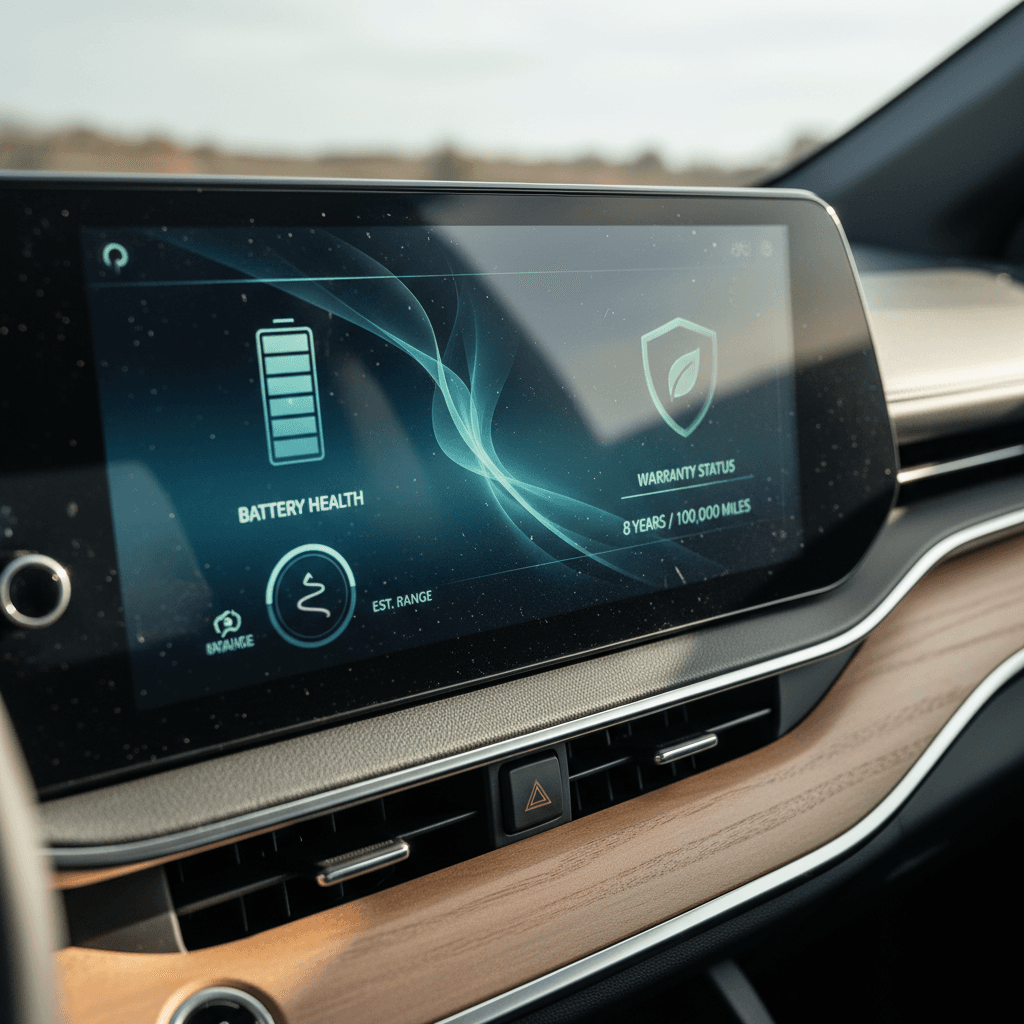
At a high level, your Ariya’s high‑voltage battery pack is covered for 8 years or 100,000 miles, whichever comes first. That coverage has two distinct parts: 1. **Battery defect coverage** – protection against failures caused by defects in materials or workmanship. 2. **Battery capacity coverage** – protection against the pack losing too much usable capacity (range) too quickly, based on the capacity gauge in the car. Nissan treats these as separate but overlapping promises, and understanding both pieces is key.
How long the Ariya battery warranty lasts (years and miles)
- Time: 96 months (8 years) from the vehicle’s in‑service date
- Mileage: 100,000 miles, whichever comes first
Quick math example
What the Nissan Ariya battery warranty actually covers
Two core parts of Ariya battery coverage
Think of it as: "Will it fail?" and "Will it fade too fast?"
1. Defects in materials or workmanship
This is traditional warranty coverage. If a component in the high‑voltage battery pack fails because it was built or assembled incorrectly, Nissan is on the hook during the 8‑year/100,000‑mile period.
- Internal cell failures
- Module or pack assembly defects
- Battery management system (BMS) faults related to the pack
When approved, Nissan may repair or replace the pack or affected components with new or remanufactured parts.
2. Battery capacity-loss protection
All lithium‑ion batteries lose capacity over time. Nissan adds a second layer of coverage: if your Ariya’s usable battery capacity drops below a specific threshold before 8 years/100,000 miles, they may repair or replace the pack.
The capacity threshold is tied to the 12‑segment capacity gauge in the car; more on that in the next section.
It’s important to remember that **Nissan isn’t guaranteeing zero degradation**. They’re promising the pack will: (1) be free of manufacturing defects, and (2) hold at least a minimum amount of capacity over the warranty period. Normal, gradual range loss is expected and explicitly not covered unless it crosses Nissan’s threshold.
Battery capacity-loss coverage: when Nissan steps in
In addition to defect coverage, the Ariya includes a **battery capacity limited warranty**. This is Nissan’s way of saying, “If your pack fades faster than it should, we’ll make it right.” In practice, that looks like this:
- Your Ariya has a 12‑segment capacity gauge, separate from the regular state‑of‑charge bar.
- Each segment roughly represents a share of the pack’s usable capacity.
- If the gauge falls below 9 of 12 bars within 8 years/100,000 miles, Nissan may treat that as excessive capacity loss.
- If Nissan agrees it’s not due to misuse or an excluded cause, they can repair or replace the pack under warranty.
What does “below 9 bars” mean in real life?
That also means if your Ariya still shows 9 or more capacity bars, say, 10 or 11, within the warranty period, Nissan typically considers that normal degradation, even if you’ve noticed range has dropped compared to day one. That can feel frustrating, but it’s how nearly every modern EV battery warranty is written.
What isn’t covered, and how you can accidentally void coverage
Common exclusions in the fine print
- Normal degradation above Nissan’s threshold – Some range loss is expected and isn’t covered unless the capacity gauge drops below 9 bars.
- Damage from accidents or external events – Collisions, floods, fires, or road debris that damage the pack are typically insurance claims, not warranty repairs.
- Improper repairs or modifications – Opening the pack, installing non‑Nissan hardware, or aftermarket tuning can void coverage.
- Using the vehicle outside its intended use – Extreme or commercial use beyond what Nissan allows in the warranty booklet can be excluded.
Owner behaviors that can cause problems
- Ignoring software updates or warnings – Skipping critical updates or driving with persistent battery‑system warnings can be held against you.
- Extreme charging habits – Constant DC fast charging from near‑empty to 100% in very hot or cold conditions may not void coverage by itself, but it can make Nissan less sympathetic.
- Skipping required maintenance – EVs need less maintenance, but not zero. Missing basic inspections the manual calls for can give Nissan an opening to deny a borderline claim.
Warranty is not a wear‑item guarantee
Beyond the pack: other EV warranties on the Ariya
Key warranty buckets on a new Nissan Ariya (U.S.)
Battery coverage is only part of the story. Here’s how it fits with the rest of the factory warranty package.
| Coverage type | Typical term (time) | Typical term (miles) | What it generally covers |
|---|---|---|---|
| New Vehicle Limited Warranty | 3 years | 36,000 miles | Most non‑wear components: infotainment, interior electronics, basic hardware |
| Powertrain Warranty | 5 years | 60,000 miles | Electric motor(s), reduction gear, certain drivetrain components |
| EV System Warranty | 8 years | 100,000 miles | High‑voltage components outside the pack (inverter, onboard charger, some control units) |
| Lithium‑ion Battery Warranty | 8 years | 100,000 miles | Traction battery pack defects and excessive capacity loss below Nissan’s threshold |
| Corrosion Perforation Warranty | 5 years | Unlimited miles (typical) | Perforation (rust‑through) on body panels from the inside out |
Always confirm exact terms for your model year and VIN in the official Nissan warranty booklet.
The takeaway is simple: the battery enjoys the longest and most valuable coverage on the entire vehicle. That’s good news if you’re worried about long‑term pack health, but it also makes understanding the fine print especially important if you plan to keep the Ariya past its basic 3‑year/36,000‑mile warranty.
Buying a used Nissan Ariya? How the battery warranty works
Because the Ariya is still a relatively new model, many examples on the market today are low‑mileage 2023–2024 vehicles. For shoppers, the obvious question is: does the Nissan Ariya battery warranty transfer to me as a second owner? In the U.S., the answer is yes, as long as the warranty is still in force and the car hasn’t been branded or excluded for some reason in Nissan’s system.
Used Ariya battery‑warranty checklist
1. Verify the in‑service date
Ask the seller (or a Nissan dealer) for the original in‑service date. This tells you exactly when the 8‑year clock started. A 2023 Ariya first sold in late 2024 has more time left than one sold in early 2023.
2. Confirm current mileage
The warranty ends at whichever comes first: 8 years or 100,000 miles. A high‑mileage commuter Ariya can age out of the mileage limit years before the calendar runs out.
3. Ask the dealer to pull a VIN‑specific warranty report
If you’re buying from a Nissan store, ask them to print or email a factory warranty summary by VIN. If you’re buying from an independent dealer or private party, most Nissan dealers will still look it up for you if you ask.
4. Watch for branded titles or fleet history
Salvage, lemon‑law buybacks, or certain fleet vehicles can have altered or voided coverage. A clean title and clear history are key if you’re relying on the factory battery warranty.
5. Check the capacity gauge yourself
During a test drive, count the battery capacity bars. If you’re already near the 9‑bar threshold on a relatively young Ariya, that’s a red flag, get more data on battery health before you buy.
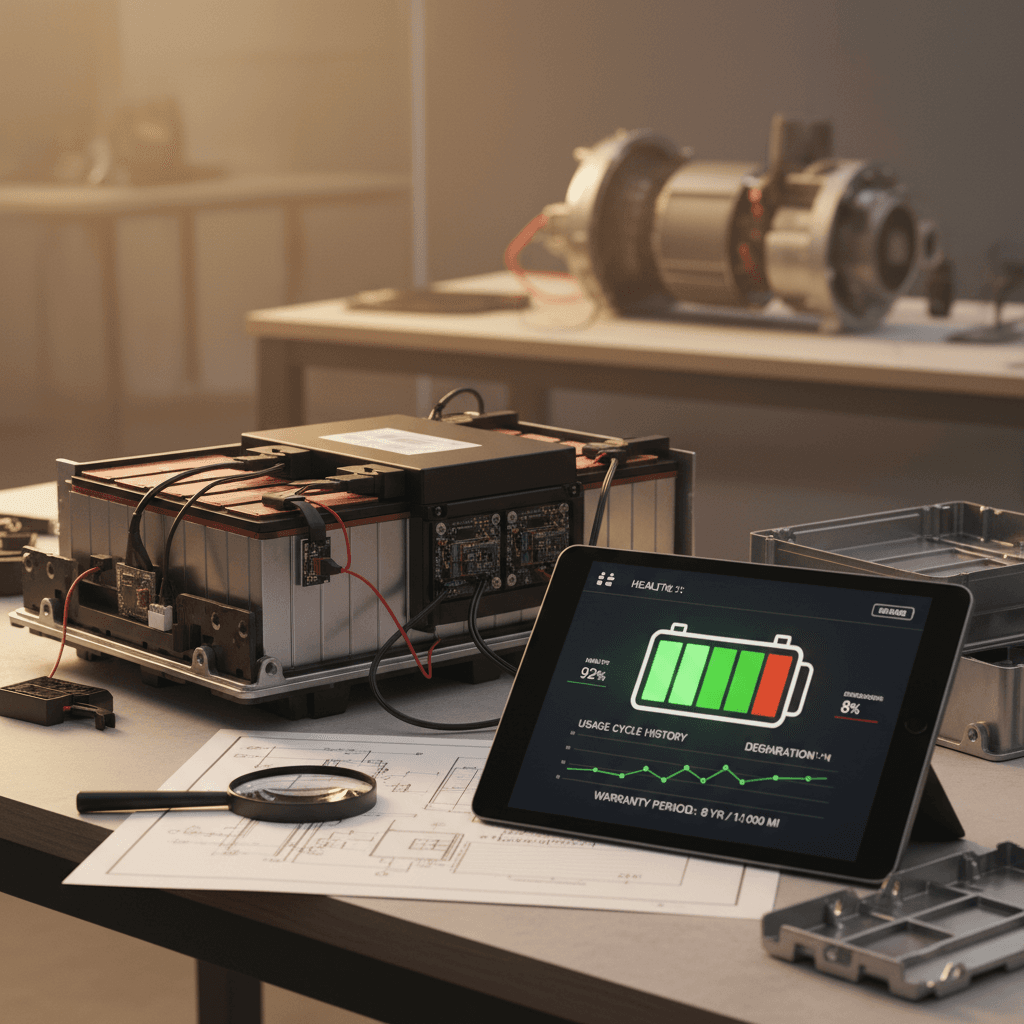
6. Get independent battery health data
This is where a marketplace like <strong>Recharged</strong> can help. Every Ariya sold through Recharged includes a <strong>Recharged Score battery health report</strong> so you can see real‑world pack condition, not just a dash gauge.
If anything seems inconsistent, get it in writing
How to protect both your warranty and your Ariya’s battery health
The best battery warranty is the one you never have to use. Fortunately, the same habits that keep your Ariya’s pack healthy also make it easier to get help from Nissan if something does go wrong.
Battery‑friendly habits that keep Nissan on your side
Simple daily choices add up over 8 years.
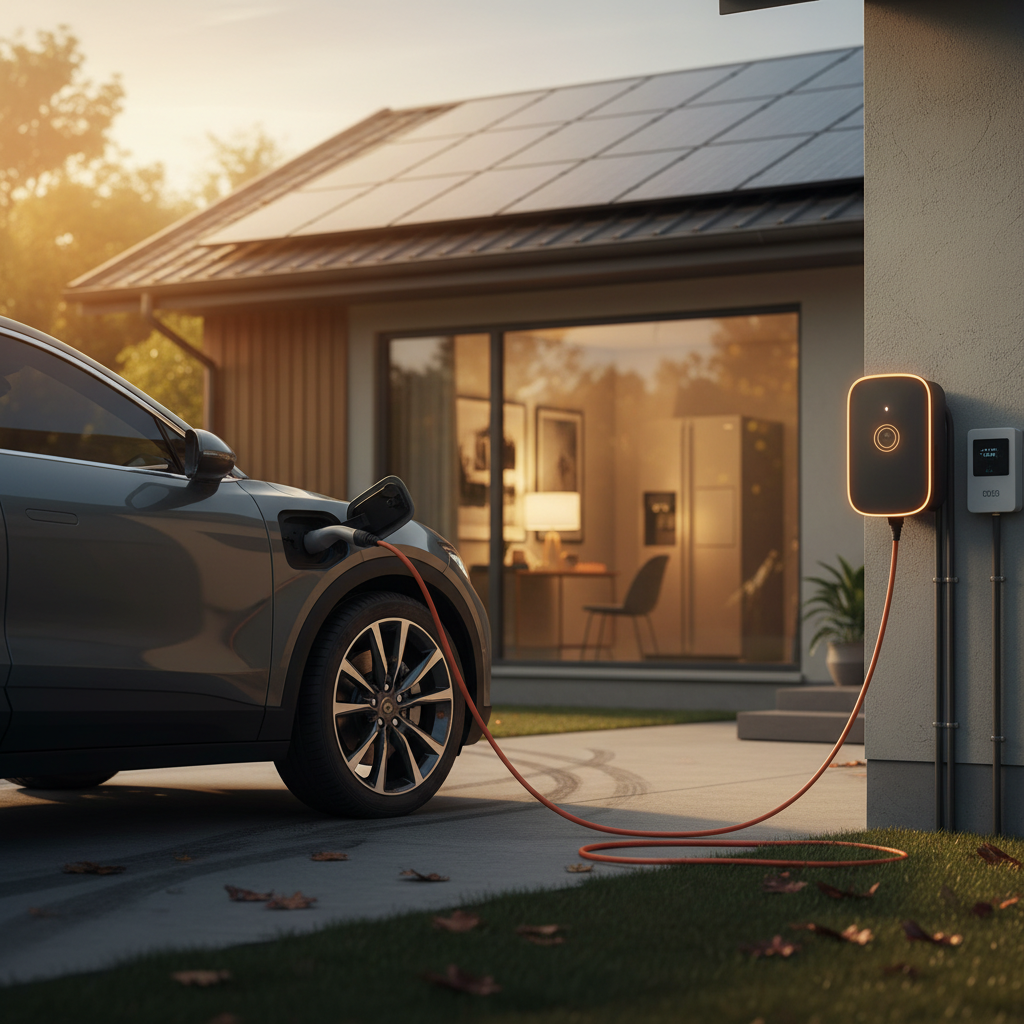
Use Level 2 at home when you can
Regular overnight Level 2 charging is gentle on the battery and more convenient. Reserve DC fast charging for road trips and true time‑sensitive situations.
Avoid extreme heat when possible
Long periods at 100% in very hot weather are hard on lithium‑ion cells. If you can, finish charging shortly before you drive, and avoid baking at a full charge in direct sun for days on end.
Don’t live at 0% or 100%
Occasional deep discharges or full 100% charges are fine, but living at either extreme isn’t ideal. Day to day, try to keep the pack between roughly 20% and 80% when practical.
Keep software up to date
Nissan may issue updates that improve battery management, charging behavior, or diagnostics. Staying current can help both range and your case if you ever need a warranty claim.
Document issues early
If you notice unusual range loss, charging problems, or warning lights, get them documented at a Nissan EV‑certified dealer while you’re still well inside the warranty window.
Service at EV‑knowledgeable shops
For any high‑voltage work, stick to Nissan dealers or reputable EV specialists. Incorrect repairs or modifications can give Nissan grounds to deny a future claim.
How Recharged helps here
Ready to find your next EV?
Browse VehiclesWhen the Ariya battery warranty ends: what happens next
Eventually, every Ariya will age out of its 8‑year/100,000‑mile battery warranty. That doesn’t mean the battery suddenly fails on day 2,922. In practice, you’re looking at three big questions:
- How much usable range will I have left after 8–10 years?
- What happens if the pack does develop a serious issue out of warranty?
- Does it still make sense to buy an older Ariya once coverage expires?
- Out‑of‑pocket repair risk: High‑voltage battery work is expensive, and full pack replacement can run into five figures.
- Extended coverage: Some owners choose manufacturer‑backed or third‑party service contracts that add coverage beyond the basic terms.
- Resale timing: If you value lower risk, you may prefer to sell or trade the Ariya while some battery warranty remains, something a platform like Recharged can help you navigate.
Don’t assume every Ariya has identical coverage
Nissan Ariya battery warranty FAQs
Frequently asked questions about the Nissan Ariya battery warranty
The Nissan Ariya’s battery warranty is one of the most important, and most misunderstood, parts of owning or buying this electric SUV. It offers a solid 8‑year/100,000‑mile safety net against outright defects and unusually rapid capacity loss, but it doesn’t freeze your range in time or cover every scenario. If you understand the limits, verify coverage by VIN, and adopt battery‑friendly habits, you can let the warranty do its job in the background while you simply enjoy the drive. And if you’d rather not decode all this alone, buying or selling through Recharged gives you transparent battery health data, fair pricing, and EV‑savvy guidance at every step.