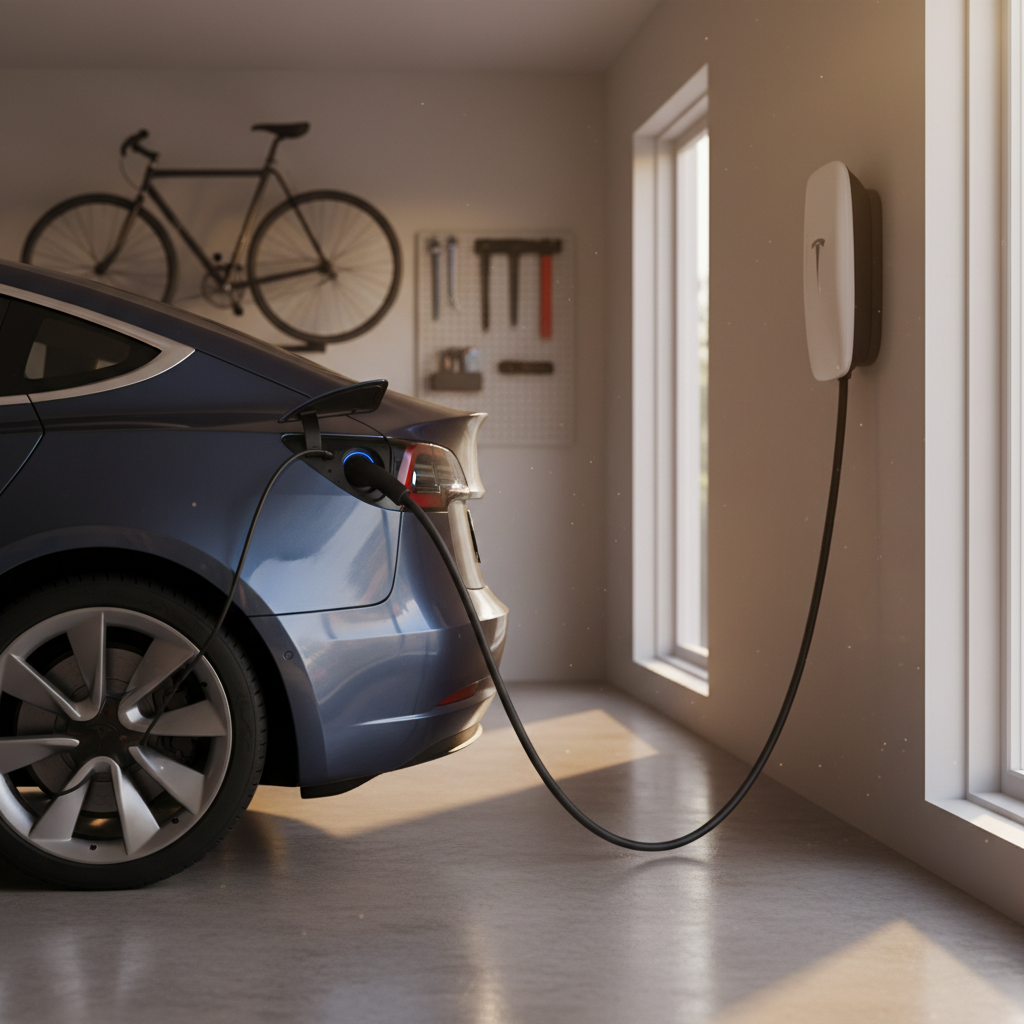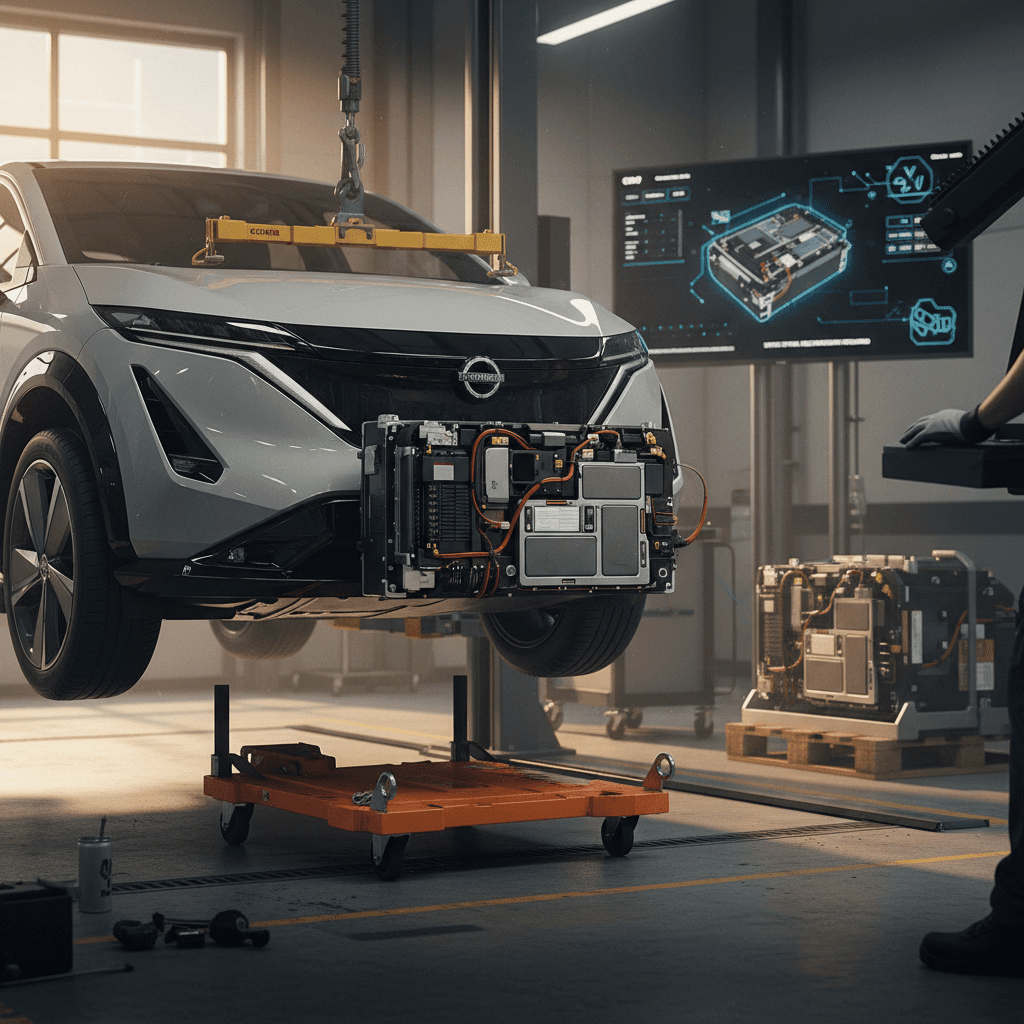
If you own or are shopping for a Nissan Ariya, it’s natural to wonder what a **Nissan Ariya battery replacement cost in 2026** might look like. High‑voltage EV batteries are the most expensive component in the car, and the Ariya’s 63 kWh and 87 kWh packs are no exception. The good news: most owners will never pay out of pocket for a new pack, but if you’re the rare exception, you need to know the numbers before you commit.
Key takeaway for 2026
Overview: Nissan Ariya battery replacement cost in 2026
By 2026, real‑world Nissan Ariya battery replacements are still rare. Most Ariyas on U.S. roads are 2023 or newer, and they’re covered by Nissan’s **8‑year/100,000‑mile lithium‑ion battery warranty**, which protects against excessive capacity loss. That means the typical 2026 owner isn’t paying cash for a full pack, even if something goes wrong early in the car’s life.
Still, battery pricing is slowly becoming clearer as independent shops see more large‑pack EV repairs and as Ariya‑specific parts data emerges. Based on 2024–2025 EV battery replacement data for similar‑size packs and early Ariya estimates, a **full high‑voltage battery replacement (parts and labor) for an Ariya in 2026** is expected to fall into these broad ranges:
- **Dealer-installed new OEM pack:** about **$12,000–$18,000+** depending on 63 kWh vs 87 kWh, region, and labor
- **Independent EV specialist with remanufactured/used pack:** roughly **$9,000–$13,500** once that market matures
- **Future salvage-pack swap:** in the **$6,500–$11,500** zone if low‑mileage packs from totaled Ariyas become widely available
Important disclaimer
Nissan Ariya battery sizes and why they matter for cost
Every Ariya uses a large underfloor lithium‑ion pack, but Nissan offers two main sizes. Your **battery size is the biggest single driver of any replacement cost** because you’re essentially buying kilowatt‑hours (kWh) of energy storage plus the pack structure and electronics.
Nissan Ariya battery options (U.S. 2023–2025 model years)
Approximate usable capacity and trims for context. Exact details vary slightly by model year and market.
| Battery size (usable) | Approx. gross size | Common trims | Drive options | EPA range ballpark |
|---|---|---|---|---|
| 63 kWh | ~66 kWh | Engage, Engage e‑4ORCE | FWD or AWD | ~205–216 miles |
| 87 kWh | ~90–91 kWh | Venture+/equiv, Evolve+, Empower+, Platinum+ | FWD or AWD | ~257–304 miles |
Larger packs cost more to build and, if ever replaced, more to reinstall.
From a cost standpoint, you can think of the **87 kWh Ariya pack as roughly one‑third larger** than the 63 kWh pack. Because pack‑level manufacturing costs in 2024–2025 often fall in the **$115–$150 per kWh** range at the factory level, that extra capacity translates into thousands of dollars before you even add markup, shipping, and labor.
Quick way to check your pack size
Estimated Nissan Ariya battery replacement cost in 2026
Putting pack size, current EV battery economics, and early Ariya data together, we can outline **plausible 2026 U.S. price ranges** for a full traction‑battery replacement. These are not locked‑in prices, think of them as a decision‑making tool if you’re comparing a repair to trading the car.
Estimated Nissan Ariya battery replacement cost (U.S., 2026)
Ballpark price ranges for full traction battery replacement on a Nissan Ariya, including parts and labor. All figures are estimates, not quotes.
| Scenario | What you’re getting | Estimated parts cost | Estimated labor & other | Estimated total cost |
|---|---|---|---|---|
| New OEM pack via Nissan dealer | Brand‑new Ariya pack, same size as original, installed at a Nissan dealer | $10,000–$15,000+ | $1,500–$3,000 | **$12,000–$18,000+** |
| Remanufactured/used pack via EV specialist | Used or remanufactured Ariya pack, health‑checked, installed at qualified independent EV shop | $7,000–$11,000 | $1,500–$2,500 | **$9,000–$13,500** |
| Future salvage‑pack swap | Pack pulled from a totaled Ariya with partial history, installed at independent shop | $5,000–$9,000 | $1,500–$2,500 | **$6,500–$11,500** |
| Warranty replacement | New or remanufactured pack covered by Nissan’s 8‑year/100,000‑mile battery warranty | $0 to owner | $0 to owner | **$0 (if covered)** |
Dealer pricing will vary by region, shop, and future parts availability.
Think in terms of whole‑vehicle value
Warranty coverage: when the battery costs you $0
For most Ariya owners in 2026, the **battery warranty is the real story**. Nissan backs the Ariya’s high‑voltage pack with an **8‑year/100,000‑mile (whichever comes first) limited warranty** that covers defects and protects against capacity loss below a defined threshold. That means a qualifying battery replacement will typically cost you **nothing** out of pocket beyond diagnostic time, if any.
- Coverage period: **8 years / 100,000 miles** from the in‑service date
- Coverage type: defects in materials or workmanship and **excessive capacity loss** (below a specified bar on the capacity gauge, usually 9 of 12 bars) under normal use
- Who’s covered: the coverage generally stays with the vehicle, so a later owner benefits as long as the time/mileage limits haven’t been exceeded
- What it doesn’t cover: damage from accidents, flooding, improper modifications, or severe neglect
Always read the latest warranty booklet
Because most Ariyas on the road in 2026 are still well within that 8‑year window, **outright battery failures that actually cost owners money should be rare**. That’s one reason you don’t yet see a flood of real‑world Ariya battery replacement invoices circulating online.
Repairing an Ariya pack vs full replacement
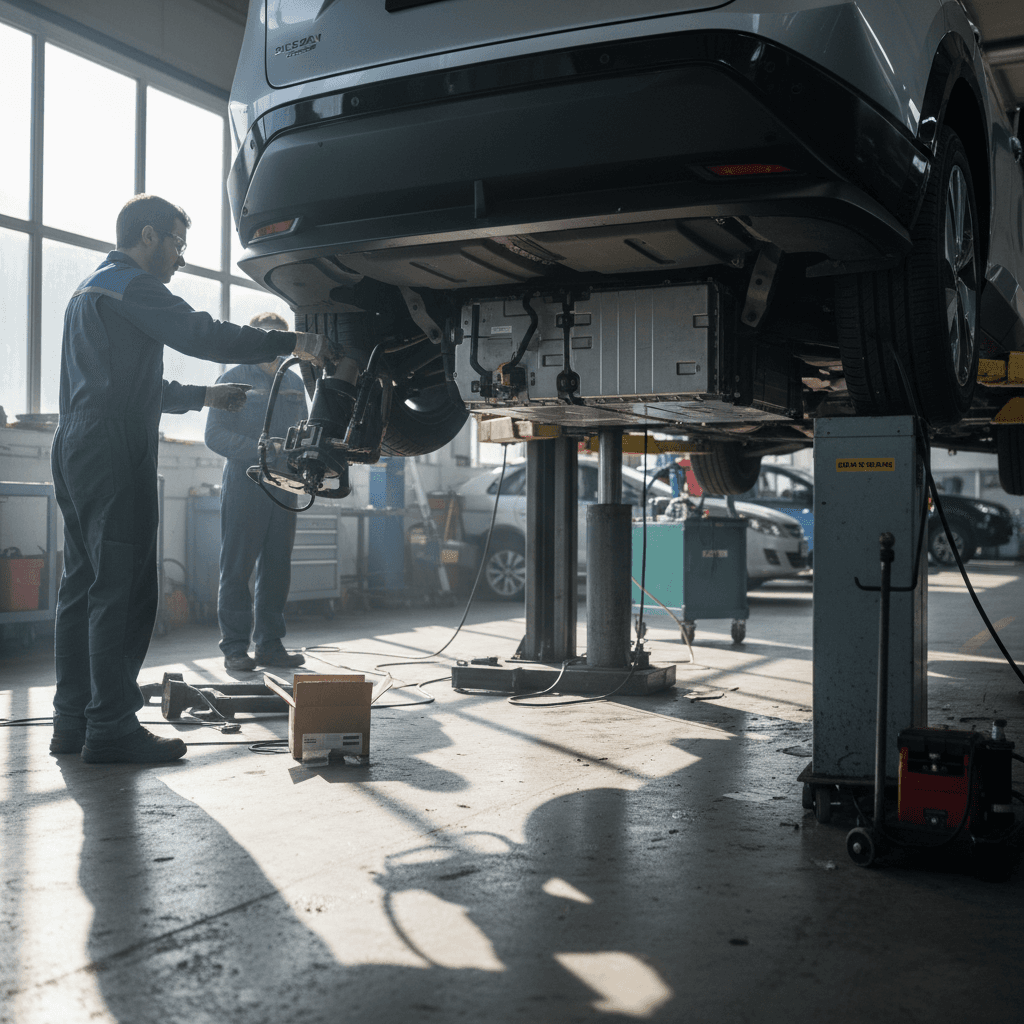
When people say “battery replacement,” they often picture swapping the entire underfloor pack. In practice, a lot of EV battery work, especially on vehicles out of warranty, will lean toward **targeted repairs** instead of full pack replacements, simply because the packs are so expensive.
When a full pack replacement is likely
- Severe internal damage from collision or road impact
- Widespread cell degradation across many modules
- Contamination or corrosion that compromises safety
- Pack has already been opened/repaired and failed again
In these cases, shops often recommend a complete pack to restore the car to safe, predictable performance.
When repair or module work may be enough
- A few weak or failed modules dragging down the pack
- Connector, harness, or contactor issues
- Battery management system (BMS) faults
- Software or calibration problems
Module‑level repairs and BMS fixes can cost **thousands less** than a full‑pack replacement, but require a shop that’s comfortable with high‑voltage EV work.
Ask for a battery health report before deciding
How battery health and degradation affect your decision
Ariya packs are liquid‑cooled and engineered to hold up better than early air‑cooled EV batteries, but **all lithium‑ion batteries lose capacity over time**. For most owners, this is a gradual loss of usable range, not a sudden failure that requires a $15,000 repair.
Battery health: what most Ariya owners can expect
From a dollars‑and‑cents standpoint, **battery health affects your options more than it affects the raw replacement price**. Two Ariyas might have the same $14,000 replacement quote, but the one with a still‑healthy pack is worth far more on the used‑EV market than a car that’s already range‑limited.
How to keep your Ariya battery happy
- Avoid sitting at 100% charge for long periods.
- Limit frequent DC fast‑charging when you don’t need it.
- Keep up with software updates and scheduled service.
- Park in a garage or shade in extreme heat.
Good habits today support better range, and a stronger resale story, years down the road.
Buying a used Ariya: battery cost and risk checklist
If you’re shopping used, especially in 2026 and beyond, the **prospect of a future battery bill** is one of the big questions you should answer before you sign anything. The goal isn’t to fear the battery; it’s to understand **where that car sits on its degradation curve** and how much warranty is left.
Used Nissan Ariya battery checklist
1. Confirm in‑service date and warranty end
Ask the seller or dealer for the Ariya’s original in‑service date and verify remaining time on the **8‑year/100,000‑mile** battery warranty. A 2023 Ariya bought used in 2026 could still have 5+ years of coverage left.
2. Verify battery size and trim
Know whether you’re looking at the **63 kWh** or **87 kWh** pack; it changes both range and any future replacement economics. Cross‑check VIN data, the original window sticker, or service records.
3. Get a real battery health report
Don’t settle for a dashboard range guess. Ask for a **professional battery health report** that shows state of health (SoH), capacity bars, and any history of battery‑related trouble codes. Every Recharged vehicle includes this in our Recharged Score Report.
4. Review fast‑charging and mileage history
High mileage alone isn’t a red flag, but **lots of DC fast‑charging in hot climates** can accelerate degradation. Service records and connected‑car history can offer clues.
5. Compare price to potential battery cost
If a used Ariya is deeply discounted and has low remaining warranty, ask yourself: would you still be ahead financially if you had to put **$10,000+** into a pack five years from now? If not, keep shopping.
6. Factor in whole‑car upgrades
Sometimes it’s smarter to **step up to a newer Ariya or another used EV** with a healthier pack than to chase a low upfront price on a car that may be closer to battery‑replacement territory.
Red flags when evaluating a used Ariya
- Missing or vague battery health documentation.
- Capacity bars already noticeably below 12 on a low‑mileage car.
- Salvage or flood history, these can complicate or void warranty coverage.
- Unwillingness from a seller to let you obtain an independent inspection.
How Recharged helps you avoid surprise battery bills
At Recharged, we built our entire business around taking the **mystery and anxiety out of used EV batteries**. A Nissan Ariya doesn’t scare us; in fact, we lean into the data. Every vehicle we sell comes with a **Recharged Score Report**, which includes verified **battery health diagnostics**, remaining warranty details, and range expectations based on real‑world use.
What you get when you shop an Ariya through Recharged
Support before, during, and after your purchase
Verified battery health
We run **specialized battery diagnostics** on every EV we list, so you’re not guessing about pack health, capacity bars, or likely remaining life.
Fair market pricing
Our pricing bakes in **battery condition and warranty status**, so you can compare an Ariya to other EVs on an apples‑to‑apples basis.
EV‑specialist guidance
Our EV specialists walk you through battery reports, warranty timelines, and total cost of ownership, online or at our Experience Center in Richmond, VA.
Ready to find your next EV?
Browse VehiclesIf you’re thinking about trading out of an Ariya because of battery concerns, Recharged can help there, too. You can get an **instant offer or consignment evaluation** that takes your EV’s actual battery condition into account, not just a generic book value. In many cases, it’s more cost‑effective to **swap into a different EV with a healthier pack** than to gamble on an out‑of‑warranty repair.
FAQ: Nissan Ariya battery replacement cost in 2026
Frequently asked questions
Bottom line: should you ever pay for a new Ariya battery?
For most Nissan Ariya owners, especially through **at least the early 2030s**, the smart play is to **let the 8‑year/100,000‑mile warranty shoulder the risk** of a big battery problem. By the time your Ariya is old enough and high‑mileage enough to be truly out of coverage, you’ll need to weigh any five‑figure repair estimate against the vehicle’s market value and your long‑term needs.
If you do find yourself facing a large battery‑related bill in 2026, step back and compare three paths: **warranty claim (if eligible), targeted repair or used pack through an EV specialist, or trading into a different EV** whose battery story you understand and trust. That last option is where a used‑EV‑focused platform like Recharged really shines, helping you move into a vehicle with **transparent battery health, fair pricing, and expert guidance**, instead of gambling on a repair that may never fully pencil out.