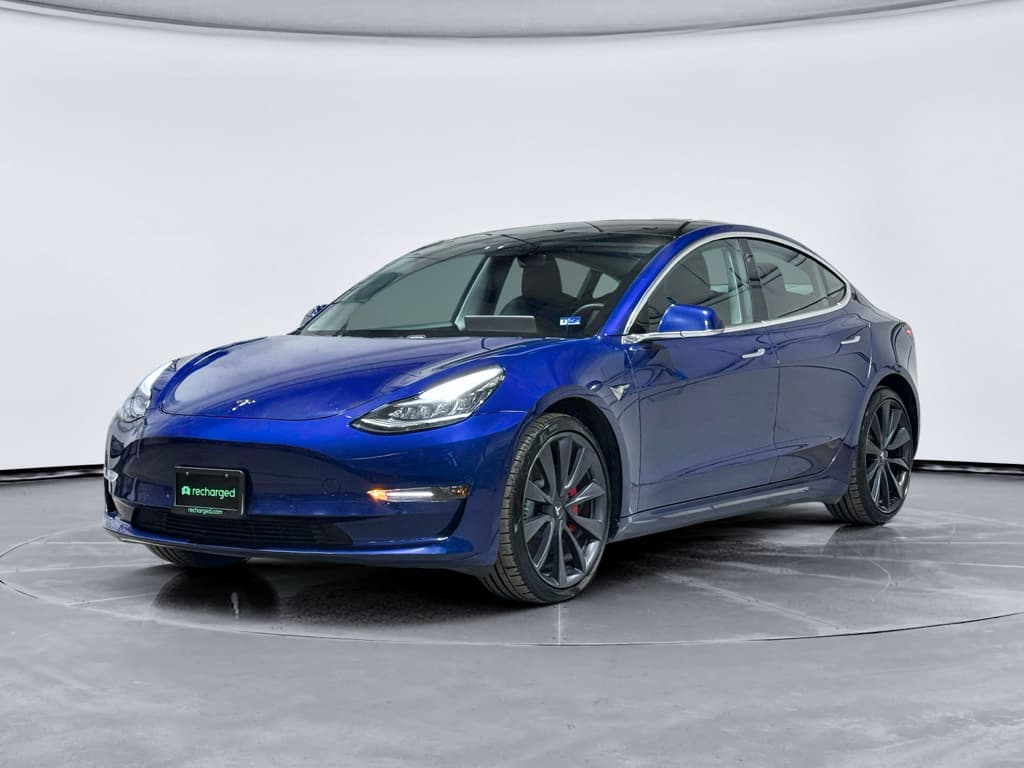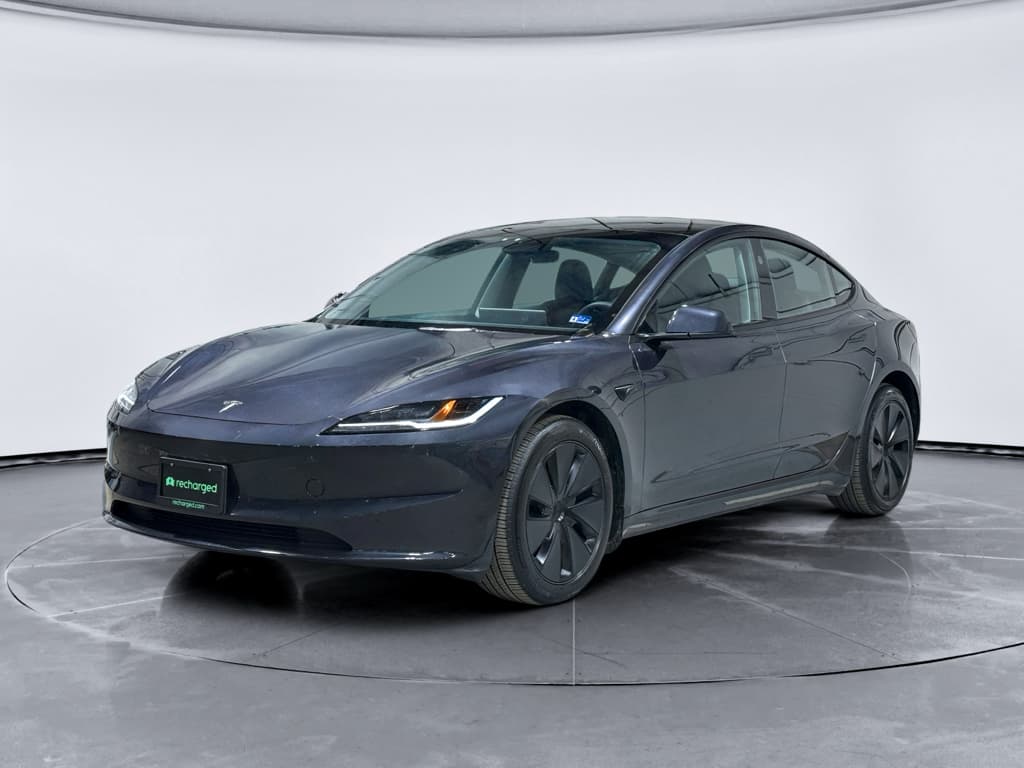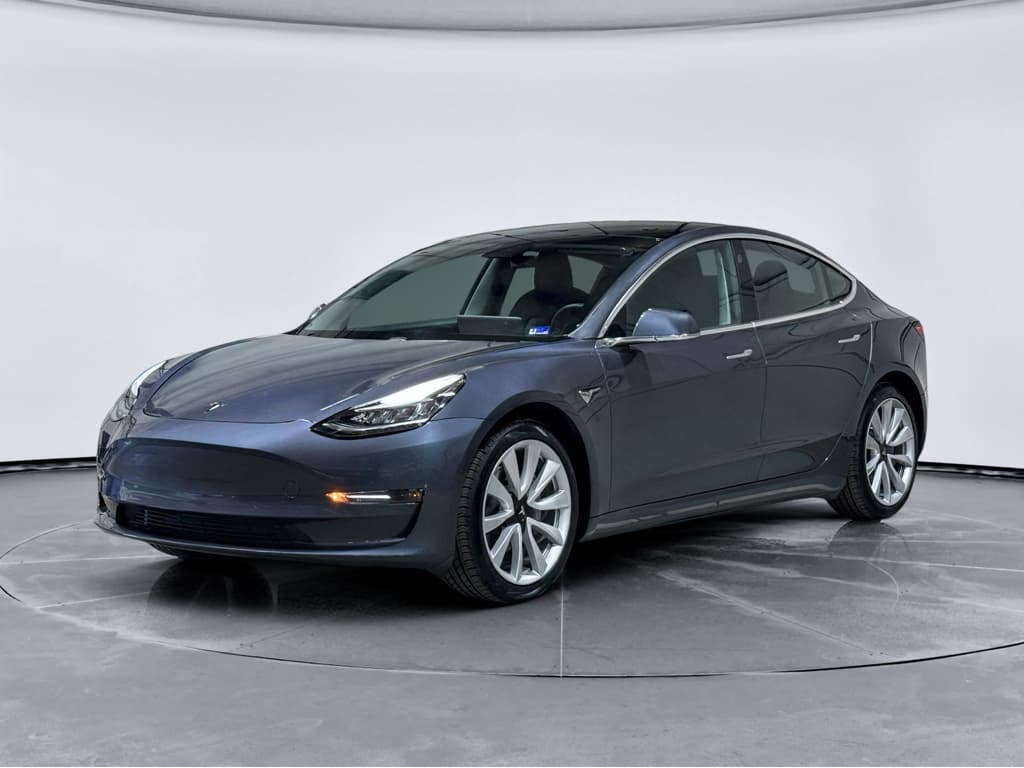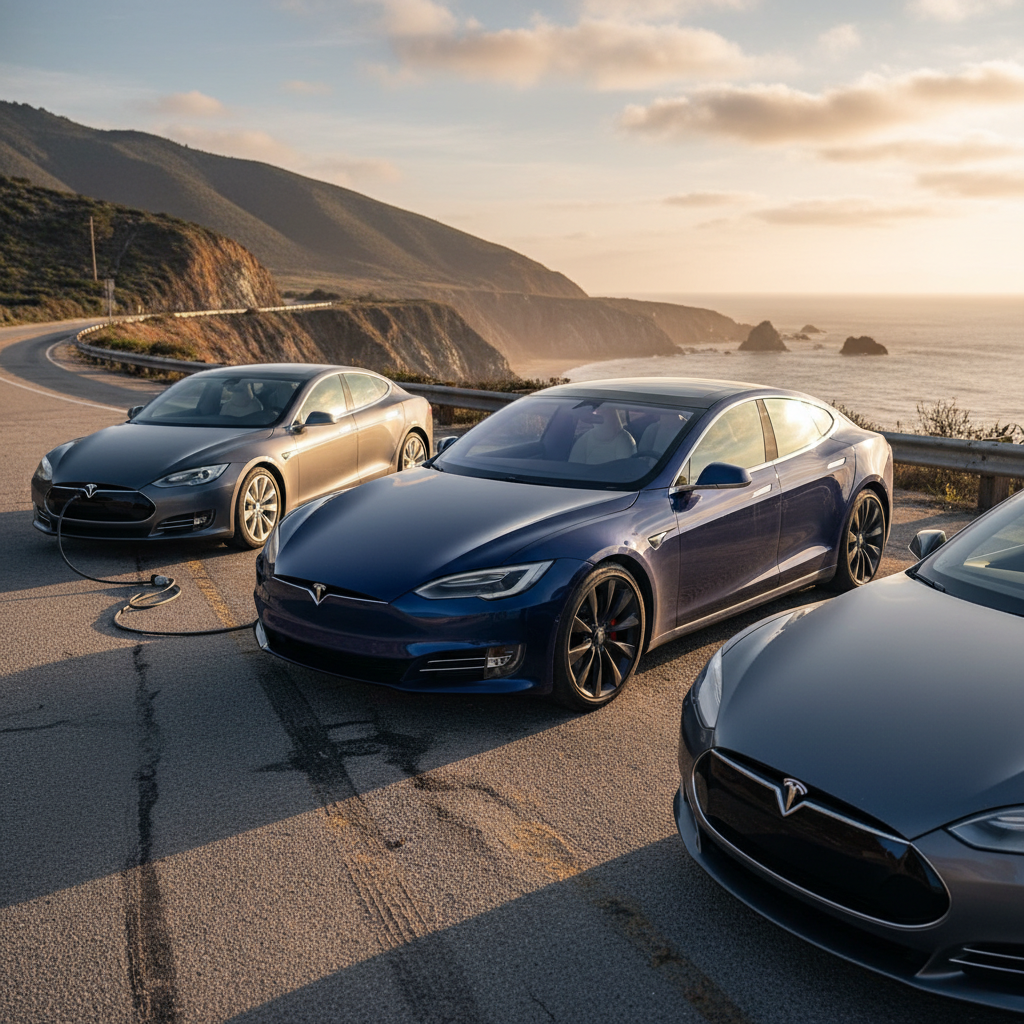
If you’re looking at a 2022 Tesla Model 3, you’ve probably heard that it’s been involved in a **long list of recalls**. That can be unnerving, especially if you’re a first‑time EV buyer. The reality is that the 2022 Tesla Model 3 recalls list is longer than most cars its age, but many of those fixes were delivered through over‑the‑air software updates that owners barely noticed. This guide breaks the recalls down into plain English so you can decide, with confidence, whether a 2022 Model 3 is the right car for you.
Big Picture
Overview: Why the 2022 Model 3 Has So Many Recalls
Traditional automakers might issue five or six recalls over several model years. By contrast, Tesla’s software‑heavy approach means more, smaller recalls, often to tweak warning behavior or update Autopilot logic. The 2022 Model 3 sits right in the middle of that evolution, picking up **safety campaigns from 2022 through 2025** covering everything from Autosteer behavior to dashboard warning fonts.
2022 Model 3 Recalls in Context
Tip for Used Buyers
Quick Reference: 2022 Tesla Model 3 Recalls List
Below is a **high‑level summary** of the most significant safety recalls that can apply to a 2022 Tesla Model 3 in the U.S. Exact applicability depends on build date, trim (RWD, Long Range, Performance), and equipment. You should always run the VIN through Tesla and NHTSA before you buy.
Key Recall Categories for 2022 Tesla Model 3
High‑level groupings of recall campaigns that can include 2022 Model 3 vehicles.
| Category | Typical Fix Type | Example Issues Addressed | Applies to 2022 Model 3? |
|---|---|---|---|
| Autopilot / Autosteer behavior | OTA software update | Improved driver attention checks, reduced misuse of Autosteer | Yes, most vehicles with Autosteer |
| Dashboard warning indicators | OTA software update | Font size and visibility of brake / park / ABS warnings | Yes, nearly all vehicles |
| Instrument cluster / UI behavior | OTA software update | Speedometer or telltale display behavior in specific modes | Performance trims and certain builds |
| Braking & stability control | OTA software update + possible inspection | ABS, stability control calibration in edge cases | Many 2022 VINs |
| Exterior lighting / tail lamps | OTA software update | Logic for lighting warnings and indicators | Some builds |
| Tire pressure monitoring (TPMS) | OTA software update | Warning behavior for low tire pressure in certain conditions | Many VINs across several years |
| Seat belt / occupant restraint | Service‑center inspection/repair | Anchorage or reminder logic; rare hardware fixes | Selected VIN ranges |
| Steering / power assist | Service‑center inspection/repair | Potential loss of power steering assist in rare circumstances | Specific VIN ranges only |
| HVAC / defrost visibility | OTA software update | Improved defog/defrost logic for windshield visibility | Many 2022 vehicles |
| Child safety / window auto‑reverse | OTA software update | Behavior of automatic windows to reduce pinch risk | Most 2022 vehicles |
This is a simplified overview. Some individual campaigns may appear in multiple categories (for example, a software update tied to Autopilot and braking behavior).
Important Limitation
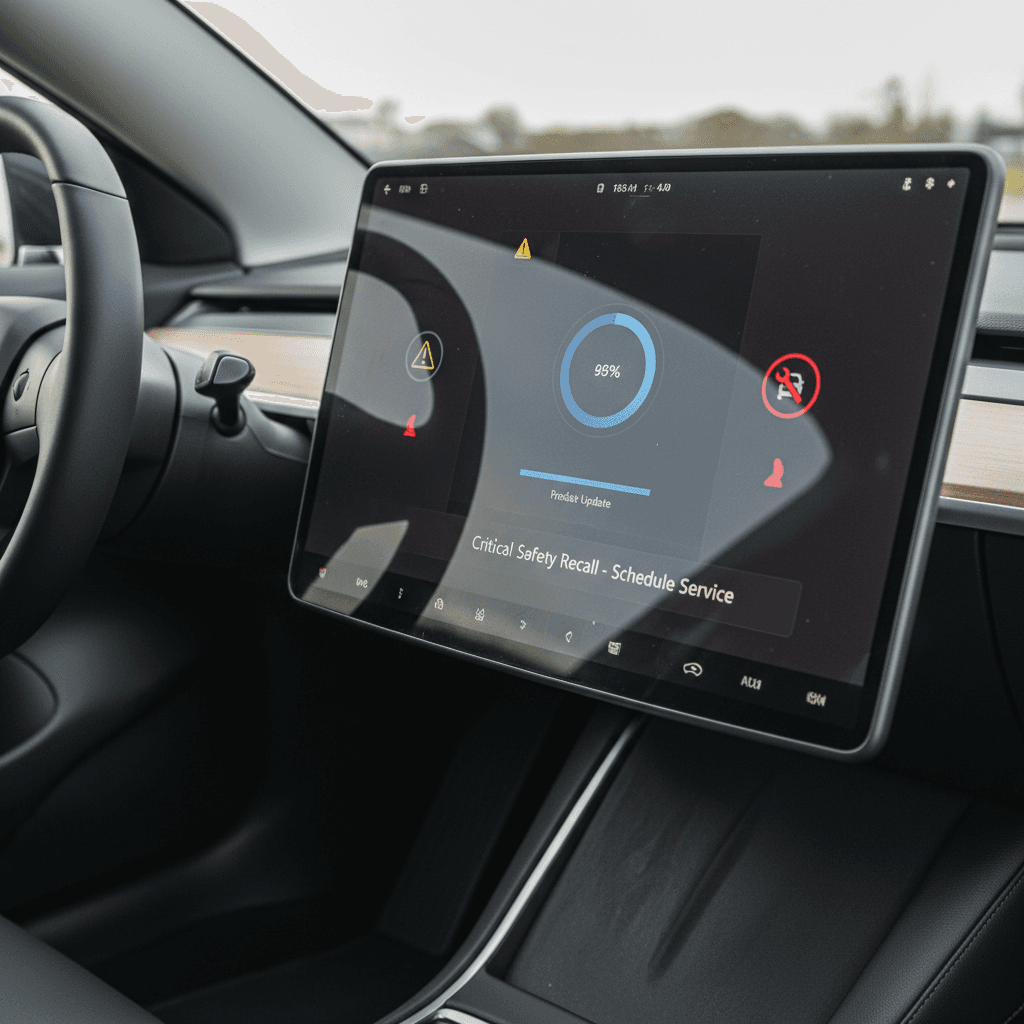
Major OTA Software Recalls Impacting the 2022 Model 3
Software is where most of the action is. Here are the **headline over‑the‑air safety campaigns** that are likely to show up on a 2022 Tesla Model 3 recall history. Names and exact NHTSA campaign numbers vary, but the themes are consistent.
- Autopilot / Autosteer misuse mitigation – A large‑scale recall covering over 2 million Teslas (including 2017–2023 Model 3) required software changes to make Autosteer harder to misuse and more persistent in checking driver attention.
- Instrument cluster / Track Mode speed display – Performance‑trim Model 3s had a recall where certain track or performance modes might not always display speed or telltales as required; a software update corrected the behavior.
- Brake / park / ABS warning font size – In early 2024, Tesla pushed an update increasing the size and clarity of critical warning symbols on the display (brake, park, ABS) to meet regulatory size requirements.
- Power steering assist logic – Some steering‑related recalls included software measures to detect and respond to rare faults involving power steering assist.
- Window auto‑reverse pinch protection – A software recall changed how automatic windows detect obstructions to better protect fingers and hands.
Good News on Software Recalls
Hardware & Component Recalls Affecting the 2022 Model 3
While the 2022 Model 3 is spared some of the big mechanical disasters you see on other brands, it isn’t recall‑free on the hardware side. Hardware or hybrid campaigns typically involve **scheduling a service visit** after a diagnostic check tells Tesla whether your specific VIN needs parts.
Common Hardware‑Linked Recall Themes
These usually require at least an inspection; not every 2022 Model 3 is affected.
Steering & Power Assist
Some steering‑related recalls look for potential loss of power assist in rare conditions. Affected cars may receive hardware inspection, steering rack replacement, or additional sealing/tightening procedures.
Seat Belts & Restraints
Seat belt anchor and reminder‑system recalls occasionally include 2022 Model 3 VINs. The fix is usually a physical inspection and, if necessary, replacing specific components.
HVAC / Defrost System
A few campaigns center on windshield visibility and defrost performance in cold weather. Technicians may update software, inspect HVAC components, or both.
Don’t Ignore Physical Recalls
Autopilot Autosteer Recall: What Owners Need to Know
The single most publicized Tesla recall in recent years was the **Autosteer / Autopilot safety campaign**. Regulators concluded that the earlier design made it too easy for drivers to treat Autosteer as hands‑off self‑driving, so Tesla was required to change how it behaves.
What Changed With the Autosteer Recall
- More frequent prompts to keep your hands on the wheel.
- Stricter monitoring of steering input and driver attention.
- Autosteer may disengage sooner if you ignore alerts.
- Additional limitations on where Autosteer can be activated.
What It Means for You
- Autosteer feels more conservative than it did on earlier software.
- Some owners see more “nags,” but that’s by design, and required.
- From a safety and resale standpoint, **you want this update installed**.
- On a used 2022 Model 3, a missing Autosteer recall fix is a red flag.
Safety recalls aren’t a sign that a car is inherently unsafe. They’re proof that regulators are watching and that the manufacturer is obligated to fix issues at no cost to the owner.
How to Check If a 2022 Model 3 Has Open Recalls
Because recall campaigns overlap model years and trims, **the only way to know exactly which recalls apply to a specific 2022 Model 3 is to run its VIN**. Fortunately, that’s straightforward and free.
Step‑by‑Step: Check a 2022 Model 3 for Open Recalls
1. Locate the VIN
Find the 17‑character VIN at the base of the windshield (driver’s side), on the driver’s door jamb label, or in the "Software" menu on the center screen. If you’re shopping online, the seller should list it in the ad.
2. Use NHTSA’s Recall Lookup
Go to the official NHTSA recall lookup site and enter the VIN. It will show any **open safety recalls** that have not been marked as completed. If it’s clean there, you’re off to a good start.
3. Check in the Tesla App or on the Screen
If you already own the car or are inspecting it in person, open the Tesla app (or tap the car icon > Service on the screen). Tesla flags active recalls, service campaigns, and pending software updates.
4. Confirm Software is Up to Date
On the center display, go to "Software" and check for pending updates. If multiple updates are waiting, or the car hasn’t updated in many months, plan time to bring it current before you rely on Autopilot or long trips.
5. Ask for Service History
For a used 2022 Model 3, ask the seller for receipts or screenshots showing completed recall work. A car that routinely visited service to stay current is reassuring; one that’s never been in might require more follow‑up.
6. Document Everything for Your Records
If you’re buying, save PDFs or screenshots of recall lookups in your purchase folder. It’s helpful for resale and for tracking later campaigns that may be added while you own the car.
Pro Move for Buyers
Shopping Used: How Recalls Affect a 2022 Model 3’s Value
When you’re buying a used EV, recalls can either be **a negotiating tool or a non‑issue**, depending on how they’ve been handled. On a 2022 Tesla Model 3, the pattern is usually more important than the raw number of recalls.
- A car with **many completed OTA recalls** and regular software updates suggests an engaged owner who paid attention to maintenance.
- Open **software‑only recalls** are usually easy to clear after you purchase, just connect to Wi‑Fi, approve the update, and wait.
- Open **hardware recalls** that require a service visit may justify a price adjustment or a “we’ll complete it before delivery” agreement.
- If a seller refuses to share a VIN or service history, consider that a serious warning sign, especially on a car with as many campaigns as a 2022 Model 3.
How Recalls Influence Pricing
Recharged Score: How We Verify Recall & Battery Health
If you’d rather not become a recall detective, this is where a curated marketplace helps. Every vehicle sold through Recharged comes with a **Recharged Score Report** that goes far beyond a simple Carfax‑style history.
What Recharged Checks on a 2022 Tesla Model 3
More than just mileage and options, we focus on long‑term confidence.
Verified Recall Status
We review each VIN for **open NHTSA safety recalls** and manufacturer campaigns at the time of listing. If something is outstanding, it’s flagged so you can plan next steps.
Battery Health & Fast‑Charge History
The Recharged Score includes **battery health diagnostics**, fast‑charging exposure, and real‑world range estimates, crucial context you won’t get from a generic listing.
Fair Market Pricing
Pricing reflects recall status, software currency, mileage, and condition. You see how your 2022 Model 3 stacks up against similar cars nationwide.
Ready to find your next EV?
Browse VehiclesOn top of that, you can tap into **EV‑specialist support**, financing options, trade‑in or consignment, and nationwide delivery, all designed to make EV ownership more transparent and less stressful. For a complex car like a 2022 Model 3, that kind of structure can be the difference between guessing and knowing.
FAQ: 2022 Tesla Model 3 Recalls
Frequently Asked Questions About 2022 Tesla Model 3 Recalls
Bottom Line: Should Recalls Stop You From Buying?
The 2022 Tesla Model 3 does carry a **long, evolving list of recalls**, especially compared with traditional compact sedans. But the story behind that list matters. Most campaigns are software updates delivered over the air, and the remaining hardware checks are performed free of charge. If you verify recall status by VIN, confirm the car is on current software, and pay attention to any outstanding service actions, a 2022 Model 3 can still be a smart, efficient, and enjoyable EV to own.
If you’d rather have a guide in your corner, consider shopping through Recharged, where every used EV comes with a **Recharged Score Report**, battery‑health diagnostics, and EV‑savvy support from first search to delivery. However you shop, use the recall information in this guide as one more tool to make a confident, informed decision about your next electric car.