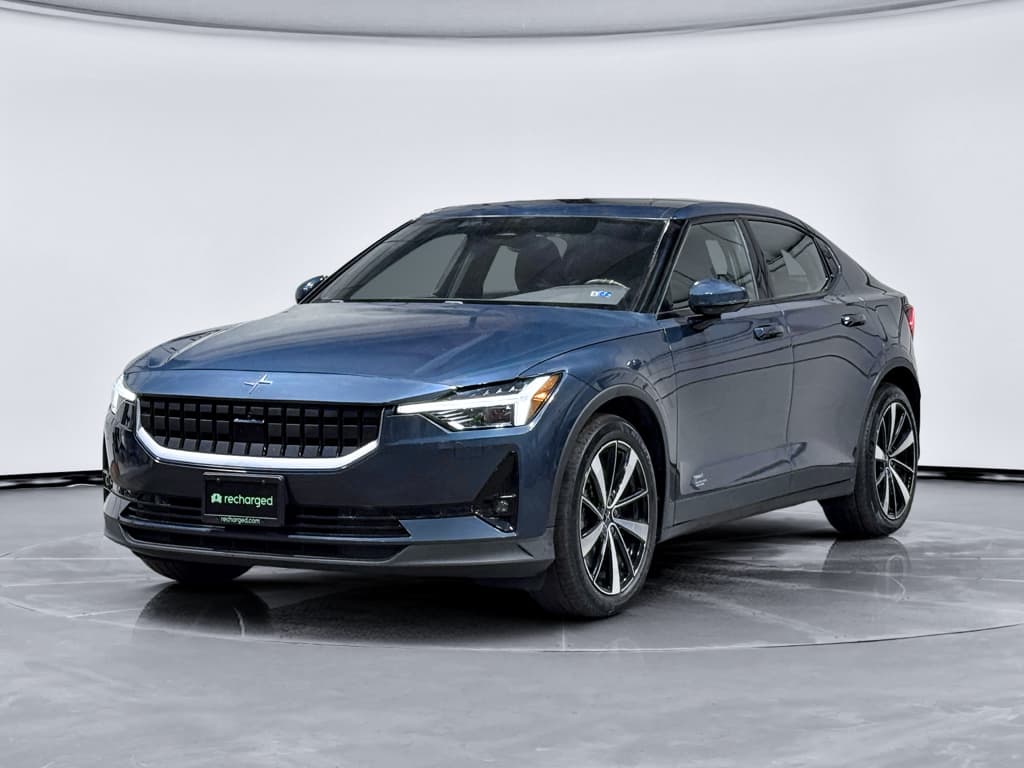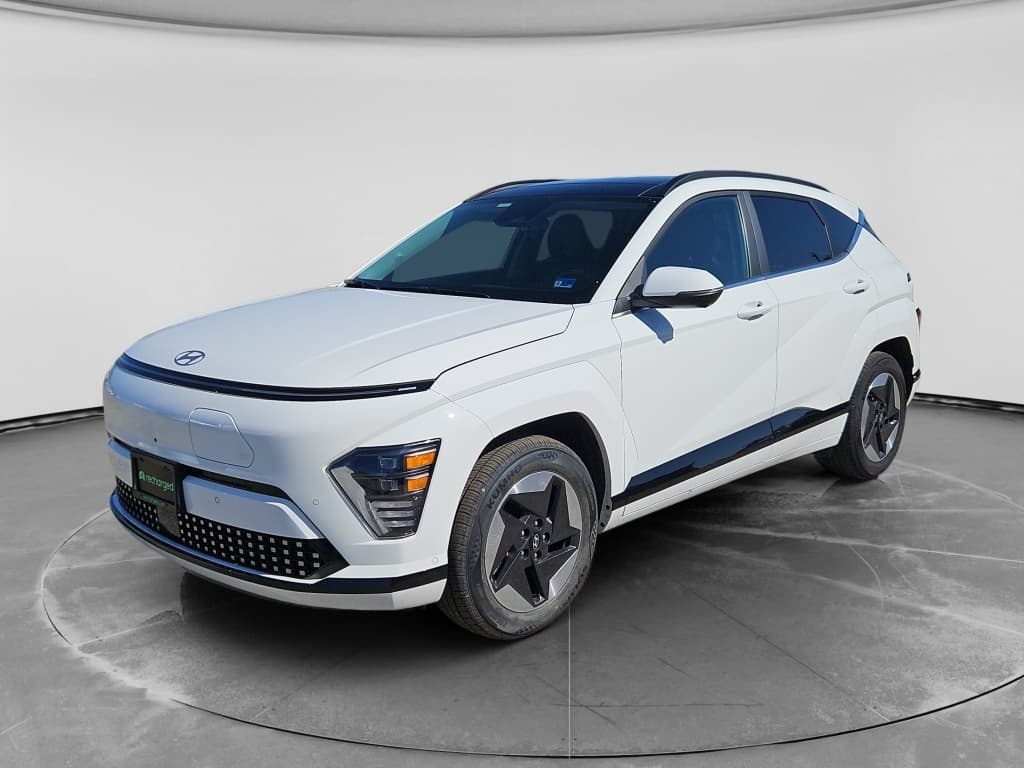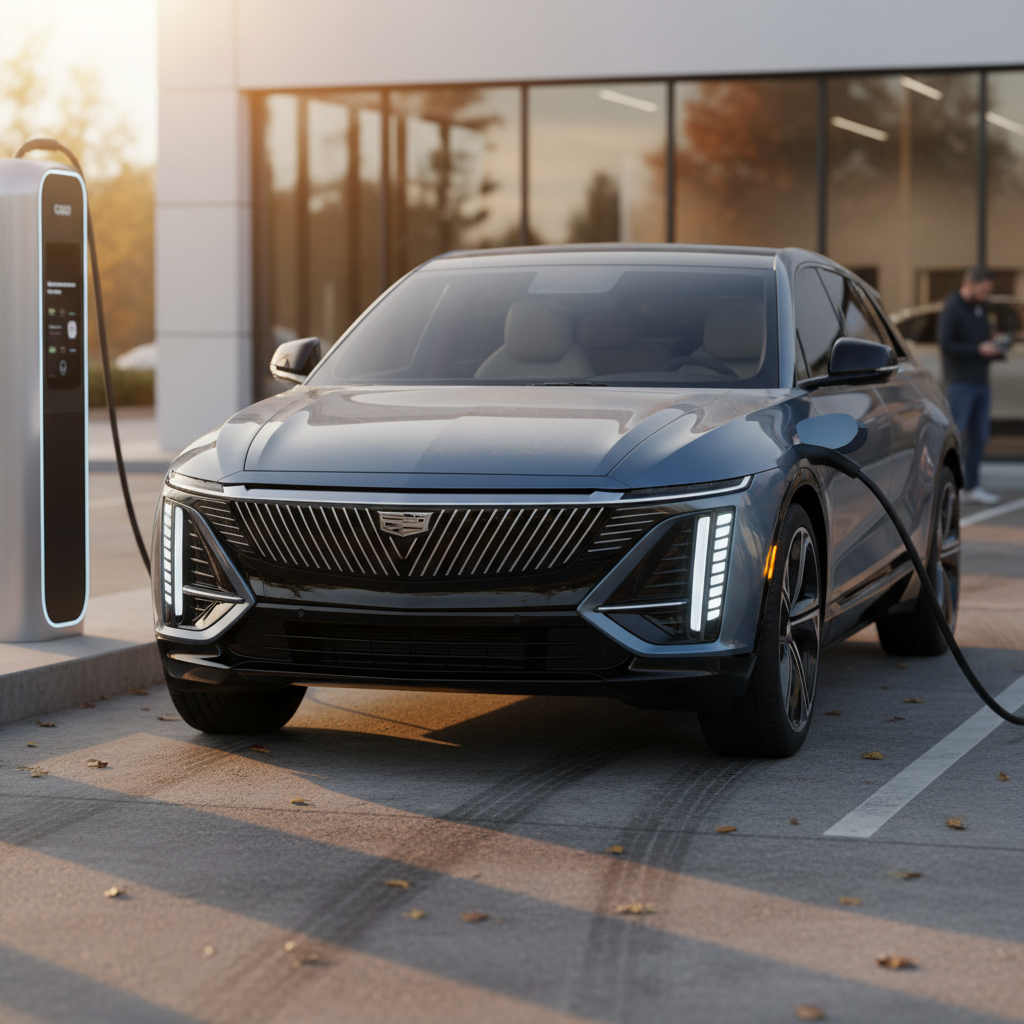
If you’re shopping for a new brand car in 2025, especially an electric vehicle, you’re not imagining it: there are more badges on the road than ever. Legacy names like Toyota and Ford now share space with newcomers from China, Europe, and even brand‑new sub‑brands launched by familiar automakers. The exciting part? You have real choice. The tricky part is figuring out which new brand deserves your money, and which one might leave you stranded.
What people usually mean by “new brand car”
Why “new brand cars” are everywhere now
The shift to electric vehicles has blown the doors open for new car brands. Electric platforms are easier to adapt than old internal‑combustion hardware, and governments from China to Mexico are backing homegrown EVs. That’s why you’re seeing names like Leapmotor, Onvo, Yangwang, Denza, and others cropping up alongside new sub‑brands and projects like Mexico’s Olinia. At the same time, established brands are spinning up EV‑only lines, think of them as “startups with a safety net.”
The 2025 EV landscape in one glance
All of this means that when you walk onto a lot, or browse online, you’re just as likely to see a shiny new EV from a brand you’ve never heard of as a familiar badge. That’s both an opportunity and a risk.
Pros and cons of buying a new brand car
Upsides of a new brand car
- More features for the money: New brands often over‑deliver on screens, driver‑assist, and comfort to win you over.
- Modern EV platforms: Many newcomers are designed as EVs from day one, with good efficiency and packaging.
- Fresh design: If you’re tired of the same old shapes, new badges usually bring bolder styling.
- Competitive warranties: To build trust, some offer long battery and powertrain coverage.
Downsides to watch for
- Unknown long‑term reliability: There’s no 10‑year track record yet, especially for batteries.
- Thin service networks: Fewer dealers or service partners can mean longer waits for repairs.
- Resale value risk: If the brand doesn’t catch on, depreciation can be brutal.
- Corporate stability: Startups and experimental sub‑brands can be merged, rebranded, or shut down if sales lag.
Treat new brands like you’d treat a startup bank
How to evaluate a new car brand in 20 minutes
You don’t need a PhD in automotive engineering to judge a new car brand. You just need a simple framework that separates marketing from reality. Set aside 20 minutes and walk through these checkpoints before you fall in love with the paint color.
Four pillars of trust for any new car brand
Run every new badge through these filters before you sign anything.
Who’s behind it?
Is this brand backed by an established automaker or a major industrial group, or is it a thinly funded startup? Deep pockets matter for warranty and parts.
Real‑world use
Look for taxi fleets, ride‑share use, or corporate fleets using the brand. If professionals trust it to make money, that’s a good sign.
Safety record
Check crash‑test ratings and safety recalls. High‑tech features are nice; basic crash performance matters more.
Service reality
Where will you get it fixed? Ask about certified shops, mobile service, and parts availability in your area.
- Search "[brand name] reliability" and read past the first page of results. You’re looking for patterns, not one loud complaint.
- Check recall history and crash‑test results from reputable safety organizations.
- Look at where the brand sells today. A company already in multiple regions usually has a stronger support network.
- Scan owner forums or social groups. Are people solving small annoyances, or fighting to get basic issues fixed?
- If you’re considering an EV, dig into battery and range details, not just the 0–60 time.
Don’t let the test drive be your only research
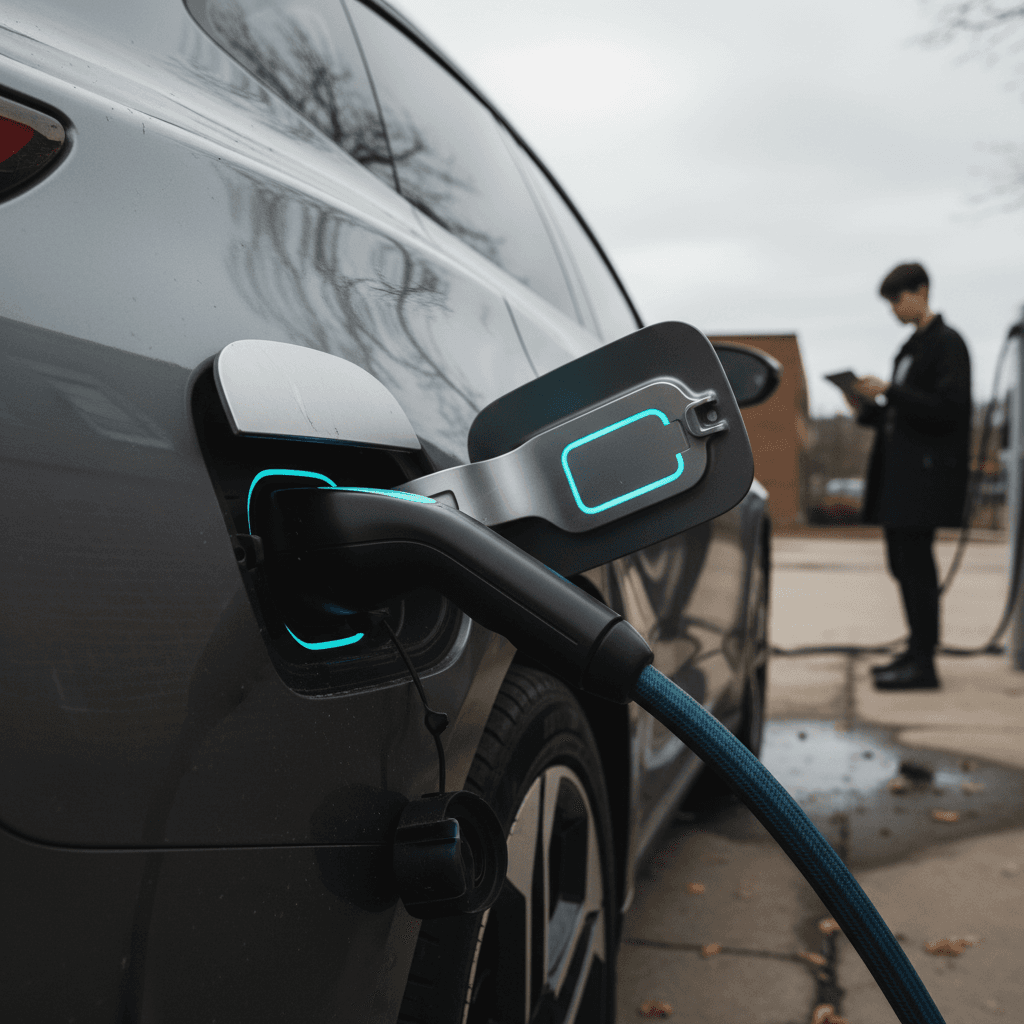
Battery and charging: the make‑or‑break factors for new EV brands
With gasoline cars, you worried about engines and transmissions. With EVs, especially from a new brand car, you should obsess over the battery and charging. That’s where most of the cost and long‑term risk live.
Battery questions to ask about a new brand EV
Use this table to compare a new‑brand EV against more established options.
| Question | Why it matters | Green flag answer |
|---|---|---|
| What’s the usable battery capacity (kWh)? | Tells you how much energy you actually have, not just the marketing label. | They know the exact figure and can compare it to similar EVs. |
| What’s the EPA‑rated range? | Range is your daily reality, not the biggest number in an ad. | They quote an official rating, not just “up to” claims. |
| What fast‑charging speed (kW) can it sustain? | Peak numbers look good; sustained speeds determine road‑trip time. | They can explain typical speeds from 10–80%, not just maximums. |
| Which connector and networks does it use? | Compatibility with major networks (and Tesla’s) is key in North America. | Support for NACS or a clear adapter strategy is already in place. |
| How is the battery warranty structured? | You want protection against early degradation and defects. | At least 8 years on the pack with a clear capacity guarantee. |
If a salesperson can’t answer most of these clearly, hit pause on the deal.
Be cautious with unproven fast‑charging claims
This is where shopping used with support from an EV specialist can tilt the odds in your favor. Every car listed on Recharged includes a Recharged Score Report with verified battery health diagnostics and fair‑market pricing. If you’re curious about a newer EV brand but nervous about the unknowns, buying a used example with a transparent battery report is often the smarter move than being the first owner of a brand‑new experiment.
Warranty, service, and resale value: will this brand stick around?
A new brand car isn’t just a product; it’s a long‑term relationship with the company behind it. You’re betting they’ll still be around, supporting software updates, parts, and warranty repairs, years from now.
Signals that a new brand will support you long‑term
You can’t see the future, but you can read the road signs.
Solid financial backing
Look for major industrial groups, partnerships with big automakers, or government‑backed initiatives, not a tiny startup burning cash.
Real service footprint
Count actual service locations within a reasonable drive. Ask about mobile service and loaner vehicles if a repair takes time.
Resale demand
Browse used‑car listings for the brand. If there are buyers and realistic prices, that’s a vote of confidence from the market.
How Recharged reduces the brand‑risk for used EVs
Ready to find your next EV?
Browse VehiclesShould you buy new or used from a new brand?
The hardest question isn’t just which new brand car to buy. It’s whether you should be the first owner at all.
Buying brand‑new from a new brand
- Best for early adopters: You love being first, and you’re comfortable with some unknowns.
- Full warranty period: You get every year of coverage the brand offers.
- Highest depreciation risk: If the brand stumbles, your resale value takes the hit.
- Limited real‑world data: You’re the test case; issues may surface only after launch.
Buying used from a new or newer brand
- Best for value‑seekers: Let someone else pay the steepest part of depreciation.
- More data to judge: By year two or three, common problems are easier to spot.
- Battery history matters: Look for verified health reports, not just odometer readings.
- Right match for EV marketplaces: Platforms like Recharged specialize in vetting used EVs and providing expert support.
A smart compromise
Step‑by‑step checklist before you buy a new brand car
Quick checklist: from curious to confident buyer
1. Confirm who really owns the brand
Dig one layer deeper than the badge. Is this a sub‑brand of a major automaker, a government‑backed project, or a pure startup? The parent company’s stability matters more than the logo.
2. Check safety and recall history
Look up crash‑test results if they’re available and search for recalls or service campaigns. A new brand without any ratings yet is a yellow flag, proceed, but cautiously.
3. Map out real service options
Ask the dealer or seller to show you exact service locations and how warranty repairs are handled. Don’t accept vague answers like “We’re adding more soon.”
4. Scrutinize battery health and charging
For EVs, focus on battery capacity, range, charging speeds, and the connector standard. If you’re buying used, insist on a <strong>battery health report</strong>, this is built into every purchase through Recharged.
5. Compare total cost of ownership
Insurance, tax incentives, charging costs, and expected resale value all matter. A tempting purchase price can be undone by poor efficiency or expensive repairs.
6. Test drive like you own it
On your drive, evaluate ride comfort, noise, visibility, and driver‑assist behavior. Imagine living with this car daily, parking it, charging it, loading kids or cargo.
7. Get a second opinion
Talk to an independent mechanic who knows EVs, or use an EV‑specialist retailer like Recharged for guidance. A 15‑minute conversation can save you from years of regret.
FAQ: common new brand car questions
Frequently asked questions about new brand cars
Bottom line: how to choose a new brand car with confidence
The explosion of new brand cars, especially in the EV world, isn’t a passing fad. It’s the new normal. Some of these brands will become tomorrow’s household names. Others will quietly disappear. Your job is to separate genuinely well‑engineered, well‑backed vehicles from glossy science projects.
If you slow down long enough to ask the hard questions about ownership, safety, battery health, and support, you can absolutely enjoy the design and innovation that new brands bring without feeling like a beta tester. And if you’d rather not navigate it alone, Recharged is built for exactly this moment, helping you buy, finance, trade in, or sell a used EV from both established and newer brands with transparent battery data and expert guidance every step of the way.