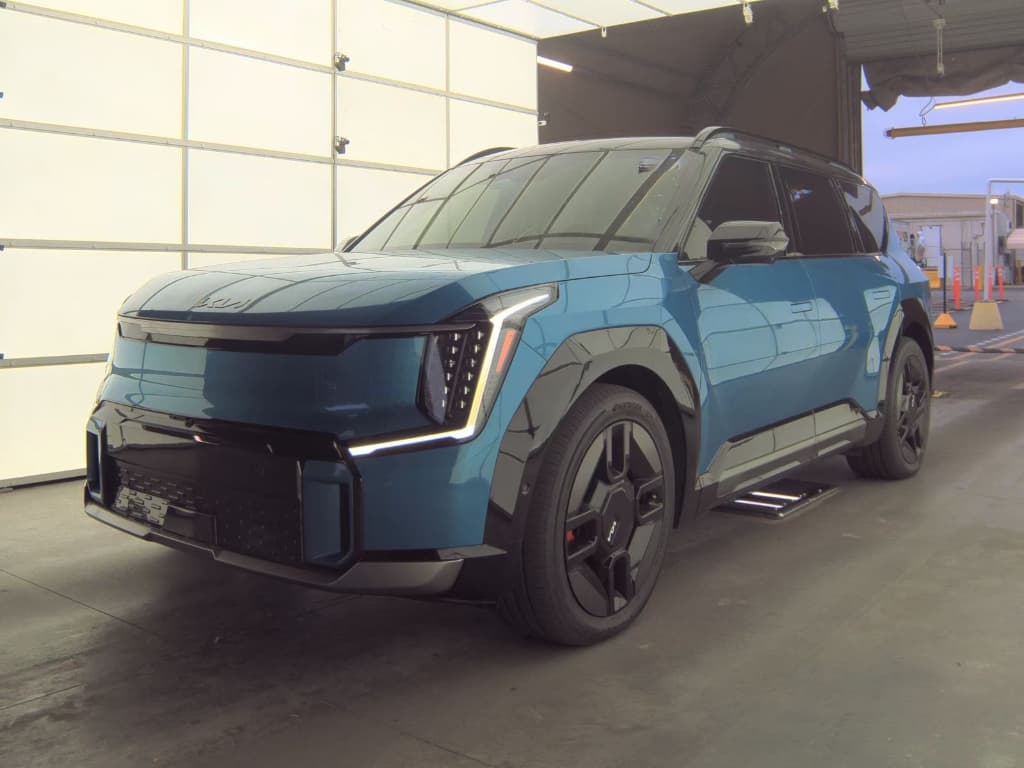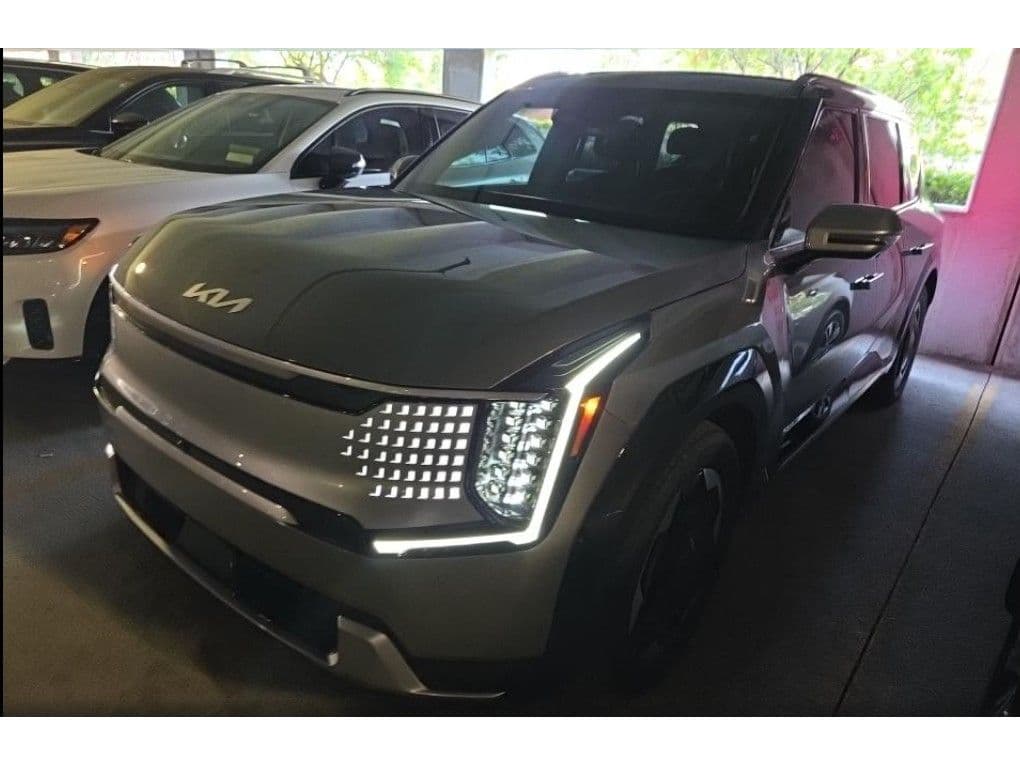
If you’re a Toyota Highlander owner eyeing the Kia EV9, you’re probably asking one honest question: “Will this big electric SUV really replace my do‑everything gas Highlander?” This review is written exactly for you, someone used to rock‑solid reliability and family practicality who’s EV‑curious but not interested in hype.
Quick take
Who this review is really for
This “Toyota Highlander owner switch to Kia EV9 review” is built around how you actually use your SUV today. If the checklist below sounds like your life, you’re in the right place:
- You own or lease a Toyota Highlander (gas or hybrid), roughly 2014–2024 model years.
- You need three rows for kids, car seats, or grandparents at least some of the time.
- You do school runs, grocery duty, weekend trips, maybe a big road trip or two each year.
- You might tow a small camper, boat, jet skis, or utility trailer now and then.
- You’re EV‑curious but don’t want to give up practicality or get stuck at a charger.
We’ll walk through the switch from a Highlander to an EV9 the way an owner would: space, comfort, driving feel, range, towing, and money, then finish with a practical checklist and tips if you’re considering a used Kia EV9 from a marketplace like Recharged.
Highlander vs Kia EV9: Size, seating, and family space
Footprint and presence
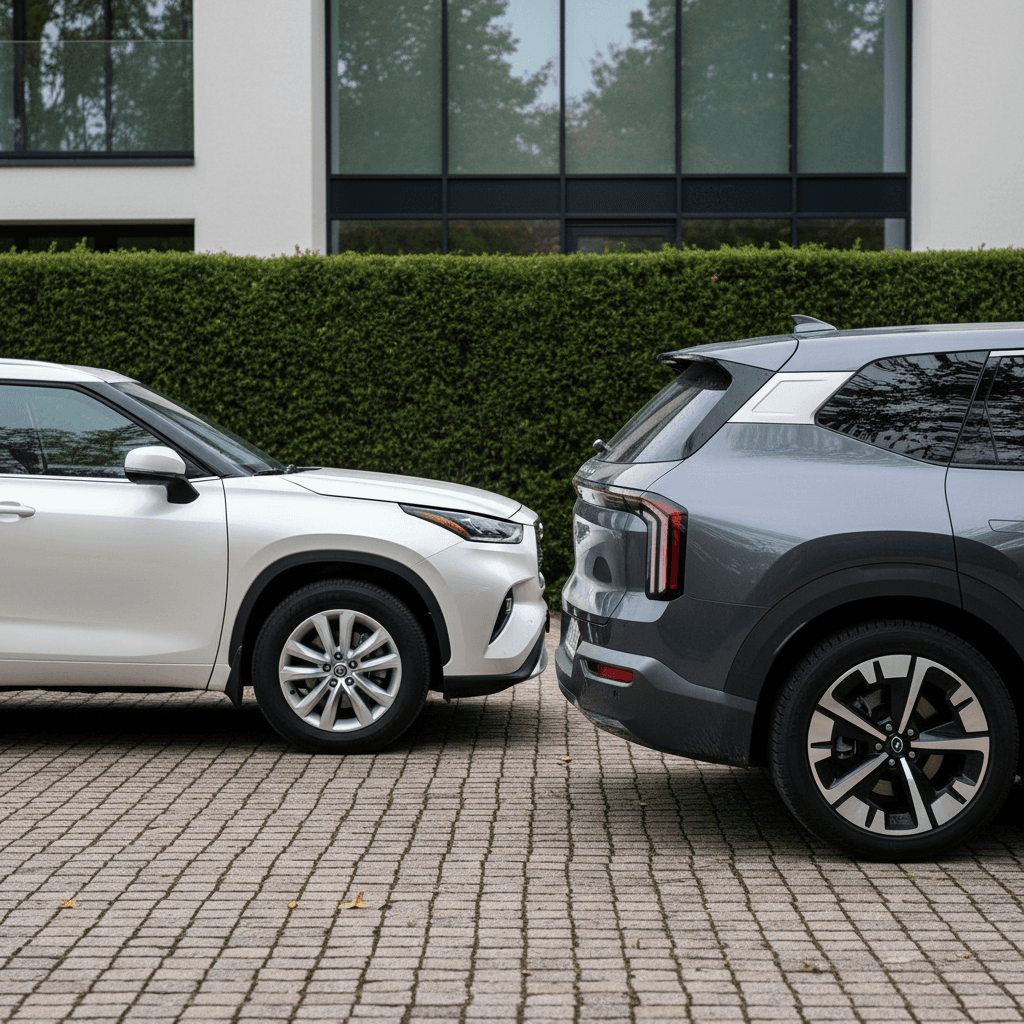
The Highlander is a familiar sight in American driveways: upright, modestly sized, easy to park at Target. The Kia EV9 is similar in overall footprint but feels more like a Telluride‑sized vehicle, boxier, with a longer wheelbase and a very upright stance.
On the road, the EV9 sits wide and planted. If you’re used to threading a Highlander through tight parking lots, the EV9 won’t feel unmanageable, but it will feel a touch more substantial and premium.
Interior space and third row
Highlander owners know the third row is fine for kids, tight for adults. The EV9 improves on this: it has a truly usable third row for adults on shorter trips and teens all day long, especially if you slide the second row slightly forward. Headroom and shoulder room benefit from the EV’s flat floor and squared‑off roofline.
If your Highlander’s third row is constantly folded to haul cargo, the EV9’s boxy rear and low load floor will feel like a big upgrade for strollers, sports gear, and Costco runs.
Seat comfort: Highlander vs EV9
How the switch feels from each row
Front row
Highlander: Comfortable, familiar, straightforward controls.
EV9: Feels a segment above, quieter, more supportive seats, and a commanding view. If you like a cushy highway ride, you’ll appreciate the EV9.
Second row
Highlander: Bench in most trims, captain’s chairs in some. Good but not luxurious.
EV9: Available captain’s chairs feel minivan‑like in the best way. The flat floor makes it much easier for kids to climb through.
Third row
Highlander: Kid zone only for longer drives.
EV9: Better legroom and headroom, plus USB ports and vents. Still not a limo, but genuinely functional for real people.
Try this when you test drive
Living with the EV9: Comfort, quiet, and tech
Toyota has quietly built the Highlander into one of the easiest SUVs to live with, controls where you expect them, seating that’s all‑day comfortable, and no drama. The Kia EV9 doesn’t just match that; in many ways it feels like the step up Highlander owners always wished for when they sat in a Lexus.
What will feel familiar, and what won’t
Highlander habits vs EV9 habits
Noise and ride
The EV9 is noticeably quieter than a gas Highlander, no engine roar when merging, just a low hum from the motors and wind noise at higher speeds. Ride quality ranges from smooth to a bit firm depending on wheel size and trim, but overall it feels more planted and premium than most Highlanders.
Screens and controls
If you prefer physical knobs, the EV9’s dual screens and touch‑sensitive controls will take a week to learn. Once you’re used to it, the big, bright display and snappy responses make the Highlander’s older head units feel dated. Wireless Apple CarPlay/Android Auto and over‑the‑air updates mean the tech improves over time instead of aging in place.
Tech learning curve
From V6/4‑cylinder to EV torque: How the EV9 drives
Highlander owners are used to two things: a smooth, unhurried gas engine and a transmission that sometimes hunts for gears when you’re loaded up or climbing grades. The Kia EV9 rewrites that script with instant torque and no shifting at all.
Kia EV9 at a glance (typical U.S. specs)
On the road, that translates into a big SUV that feels eager without effort. Around town, you’ll one‑pedal drive most of the time, using strong regeneration to slow the EV9 without touching the brake. On the highway, there’s no downshifting drama, just smooth, quiet, confident acceleration.
Ride and weight
Range, charging, and road trips coming from a Highlander
This is where the Highlander owner brain really starts doing math. You’re used to 350–450 miles of range, five‑minute gas stops, and gas stations on every corner. An EV9 changes the rhythm more than the capability.
Highlander gas vs Kia EV9: Range and refueling
What your life actually feels like when you stop buying gas.
| Scenario | Toyota Highlander (gas/hybrid) | Kia EV9 (typical trims) | What it feels like |
|---|---|---|---|
| Daily commuting | Fill every 1–2 weeks, 400+ miles per tank. | Plug in at home most nights, wake up with ~80–100% charge. | You stop thinking about gas stations entirely; your driveway becomes your fuel station. |
| Weekend getaway (150–250 miles one way) | Usually no fuel stop; maybe a quick top‑off. | One fast‑charge stop each way if you leave home under 90% or drive at high speeds. | You’ll plan one 20–40 minute stop and sync it with a meal or bathroom break. |
| Big road trip (600–900 miles in a day) | 1–2 quick gas stops. | 2–4 fast‑charge stops, 20–45 minutes each depending on charger and conditions. | Trip still totally doable, but you’ll build your day around planned charging windows. |
| Refueling at home | Not possible. | Standard outlet or Level 2 charger at home; cost per mile is usually far lower than gas. | Big win for convenience and operating cost, especially if you already have or add a 240V outlet. |
Numbers are typical real‑world experiences; your exact range will vary with trim, weather, driving style, and load.
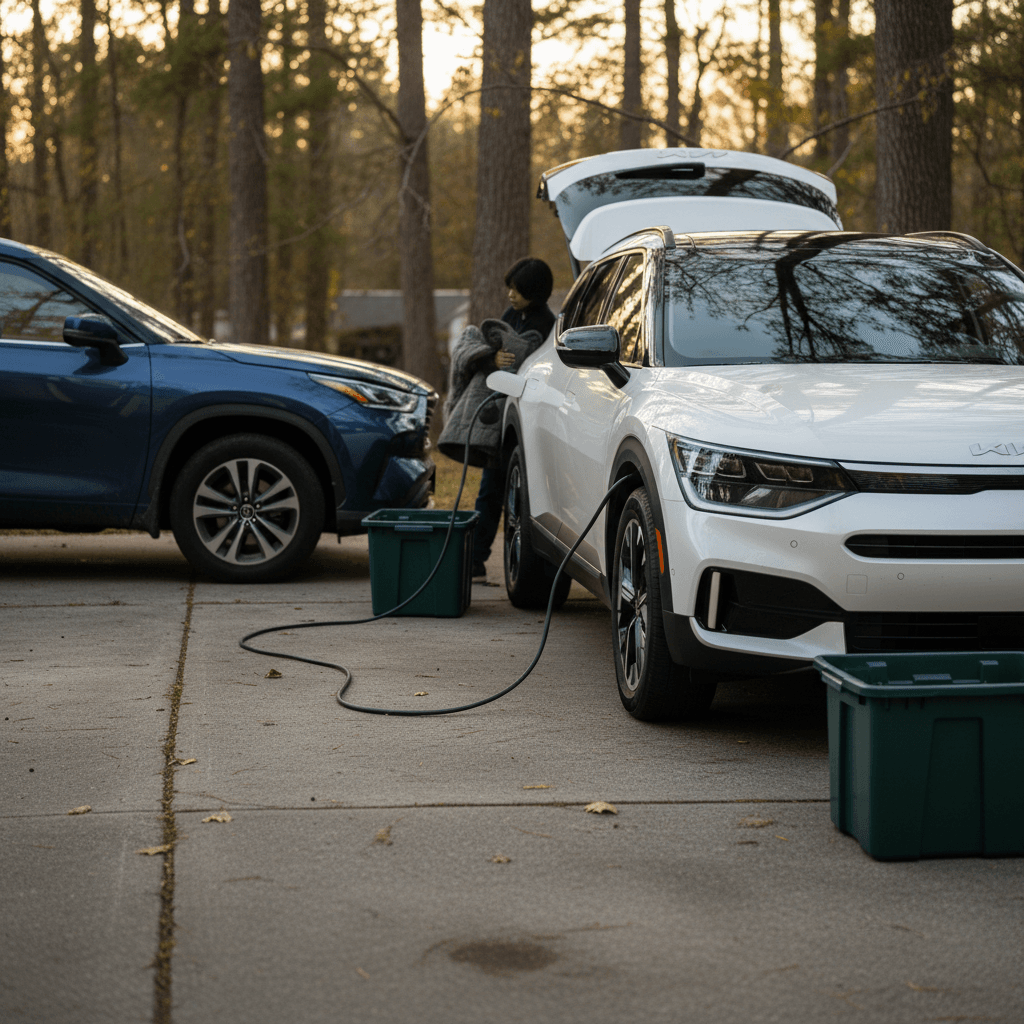
Must‑do: Install Level 2 at home
Public fast charging is getting better, but it’s still not as brain‑off as gas. Apps, broken stations, and peak‑time congestion can be frustrating. The EV9’s fast‑charge hardware is excellent, but your happiness will depend on whether you can fuel mostly at home and use fast charging as a supplement, not your primary plan.
Towing and hauling: Can an EV9 replace your Highlander’s utility?
Highlander owners frequently tow pop‑up campers, small boats, jet skis, or a utility trailer to the dump. The Kia EV9 can tow, but you need to go in with clear eyes: EVs are monsters for torque, but towing is where range drops fastest.
Highlander vs EV9: Towing snapshot
Typical published capacities and what they mean in the real world.
| Item | Toyota Highlander | Kia EV9 | Owner takeaway |
|---|---|---|---|
| Max tow rating (properly equipped) | Up to ~5,000 lbs in many gas trims. | Up to ~5,000 lbs on towing‑equipped EV9 trims; some lower trims around 2,000 lbs. | Capability is broadly similar on paper if you pick the right EV9 trim. |
| Range when towing | Noticeable drop, but gas stations are everywhere. | Range can drop sharply, often 30–50% depending on trailer size and speed. | Long towing days mean more, longer charging stops vs quick gas stops. |
| Low‑speed control | Traditional automatic, sometimes hunts. | EV torque and smooth power delivery shine when pulling a trailer uphill or launching a boat. | For short hauls or local towing, the EV9 feels fantastic. Long‑distance towing is where the Highlander still wins for convenience. |
Always check the specific Highlander and EV9 model, year, and equipment for exact ratings.
If you tow far and often
Fuel, maintenance, and payments: What actually changes
A new Kia EV9 often costs more up front than a new Highlander, but that’s only part of the picture. The real question a Highlander owner should ask is: “What does this do to my monthly out‑of‑pocket costs over the next five to ten years?”
Fuel and home energy
If you’re used to spending hundreds per month on gas, the EV9 rewrites the math. Charging at home, especially off‑peak, can cut your fuel cost per mile dramatically. Public fast charging is more expensive than home power but usually still competitive with gas.
In day‑to‑day family use, owners often see overall energy costs drop versus a gas Highlander, particularly if they drive a lot of city miles.
Maintenance and repairs
No oil changes, no transmission service, no timing belts. The EV9 still needs tires, brake fluid, cabin filters, and the usual wear items, but the list of expensive, routine maintenance shrinks compared with a Highlander.
On the flip side, out‑of‑warranty EV repairs and battery issues can be costly. This is why understanding battery health on a used EV9, and having warranty coverage, matters so much more than it does on an older gas Highlander.
Resale and depreciation
Highlander-to-EV9 checklist: Questions to answer before you switch
Highlander owner’s EV9 decision checklist
1. Where will you charge most of the time?
If the honest answer isn’t “at home, overnight, on Level 2 power,” slow down. Home charging is what makes living with a large EV SUV truly better than your Highlander. If you rent or live in a condo, investigate charging options before you fall in love with an EV9.
2. How often do you really use the third row?
If it’s once a month for carpool duty, the EV9’s more usable third row could be a big upgrade. If it’s only for emergency overflow a few times a year, you might even consider a smaller EV plus a rental for the rare big trip.
3. What do your road trips look like?
Map your typical trips: distances, stops, weather. Use a route‑planning app that supports the EV9 to simulate charging stops. If every favorite destination requires one or two reasonable fast‑charge sessions, you’re in the green zone. If your style is 900‑mile days with minimal stops, expect your rhythm to change.
4. How critical is long‑distance towing?
Pulling a small trailer to the local lake or dump? The EV9 will feel strong and composed. Doing cross‑country camper runs multiple times a year? Keep a gas tow rig in the family or consider whether a plug‑in hybrid might be the better compromise.
5. Are you prepared for higher upfront, lower running costs?
Your monthly payment on a new or nearly new EV9 may be higher than what you’ve been paying on an older Highlander, but fuel and maintenance can be lower. Run a full five‑year total‑cost‑of‑ownership comparison instead of just comparing sticker prices.
6. How long do you usually keep a vehicle?
If you tend to keep SUVs for 8–10 years, focusing on <strong>battery health and warranty coverage</strong> on an EV9 becomes crucial. That’s where tools like the Recharged Score battery diagnostics on used EVs shine, giving you hard data instead of guesswork.
New vs used Kia EV9, and why battery health is everything
The EV9 is still a relatively new model, which means more of them are starting to show up on the used market. For a Highlander owner, that’s an opportunity: you get the big‑EV experience without taking the steepest depreciation hit.
Should a Highlander owner go new or used on an EV9?
Pros and cons at a glance
Buying new
- Full factory warranty and the latest software and hardware updates.
- Easier to custom‑order the trim, color, and seating you want.
- Highest upfront cost and steeper first‑owner depreciation.
Buying used
- Lower purchase price, especially after the first couple of years.
- Can still have significant warranty coverage, depending on model year and miles.
- Condition varies widely, battery health and fast‑charge history matter far more than on a used Highlander.
How Recharged helps with a used EV9
Ready to find your next EV?
Browse VehiclesOn top of that, Recharged’s EV specialists can walk you through how the EV9’s range and charging profile will compare to your current Highlander for your specific commute and road‑trip routes, before you commit to anything.
FAQ: Toyota Highlander owner switching to a Kia EV9
Common questions from Highlander owners
Bottom line: Should a Highlander owner switch to a Kia EV9?
If you love your Highlander because it’s invisible transportation that just works, the Kia EV9 will surprise you. It keeps the core virtues, space, comfort, family‑first practicality, but wraps them in a much quieter, more relaxed, and frankly more enjoyable driving experience. The trade‑offs are real: you’ll think more about route planning on long trips, towing long distances asks more patience, and upfront cost is higher.
For many Toyota Highlander owners who can install Level 2 home charging, don’t constantly tow long‑distance, and want their next family hauler to feel genuinely modern, the EV9 is a compelling next step. If you’re not ready to jump into a brand‑new EV or want to avoid the steepest depreciation, exploring a used Kia EV9 with a verified Recharged Score battery health report can give you the confidence and transparency gas SUVs never had to worry about.
The smartest move is to treat the switch like a long test drive: map your real routes, be honest about how you use your Highlander today, and then let an EV9 show you whether the future you’ve been hearing about actually fits your family’s life right now.