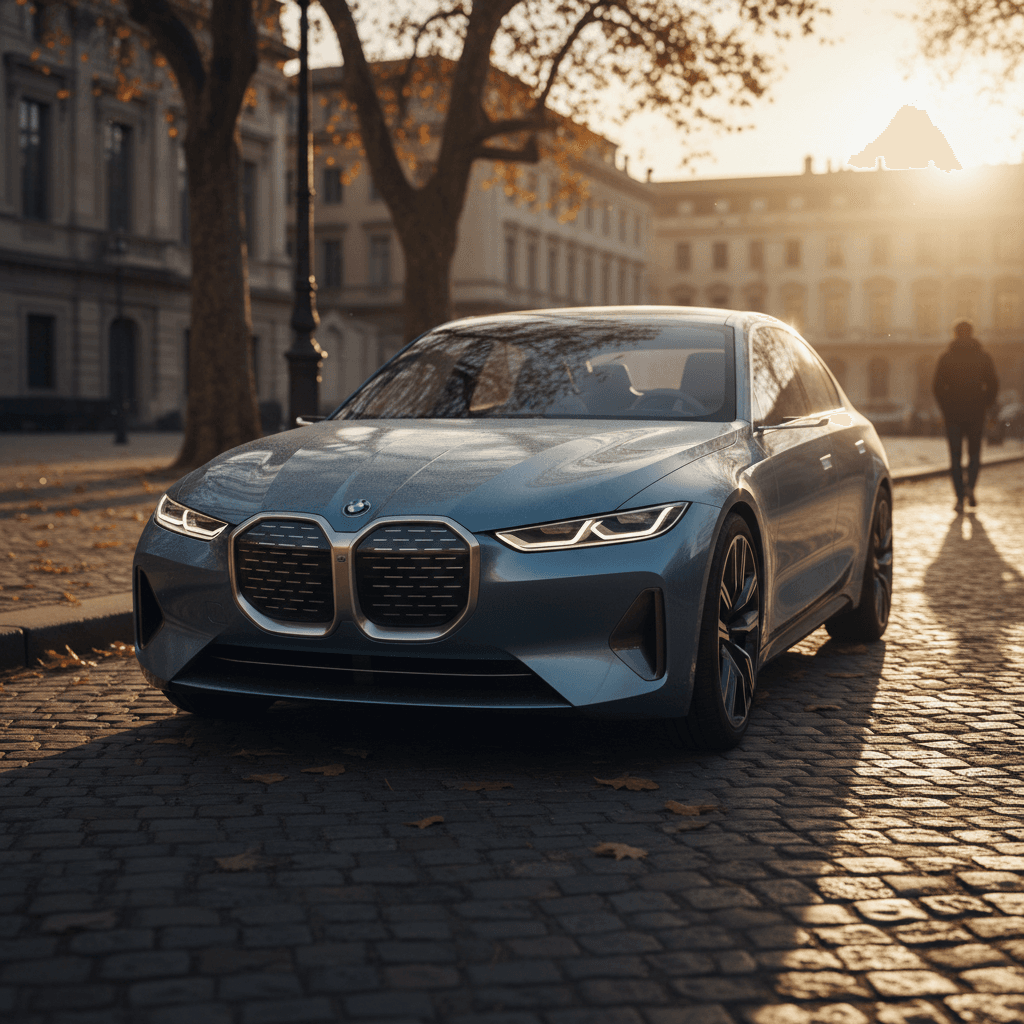
Search for a new BMW i3 today and you’ll find two very different stories. On one hand, BMW stopped building the original i3 hatchback in 2022. On the other, the company is reviving the i3 name for a brand‑new electric sedan based on its next‑generation Neue Klasse platform, with production scheduled to begin in 2026. If you’re trying to decide whether to wait for that car or grab a great deal on a used i3 now, this guide will walk you through the facts, and the tradeoffs.
Two different BMW i3s, one name
Is there a “new” BMW i3 today?
From a model‑year standpoint, BMW no longer builds new i3 hatchbacks. Global production ended in mid‑2022 after roughly a nine‑year run. In the U.S., the last official model year was 2021, although a handful of unsold cars lingered on dealer lots and were only recently sold and titled as new vehicles.
BMW i3 hatchback at a glance
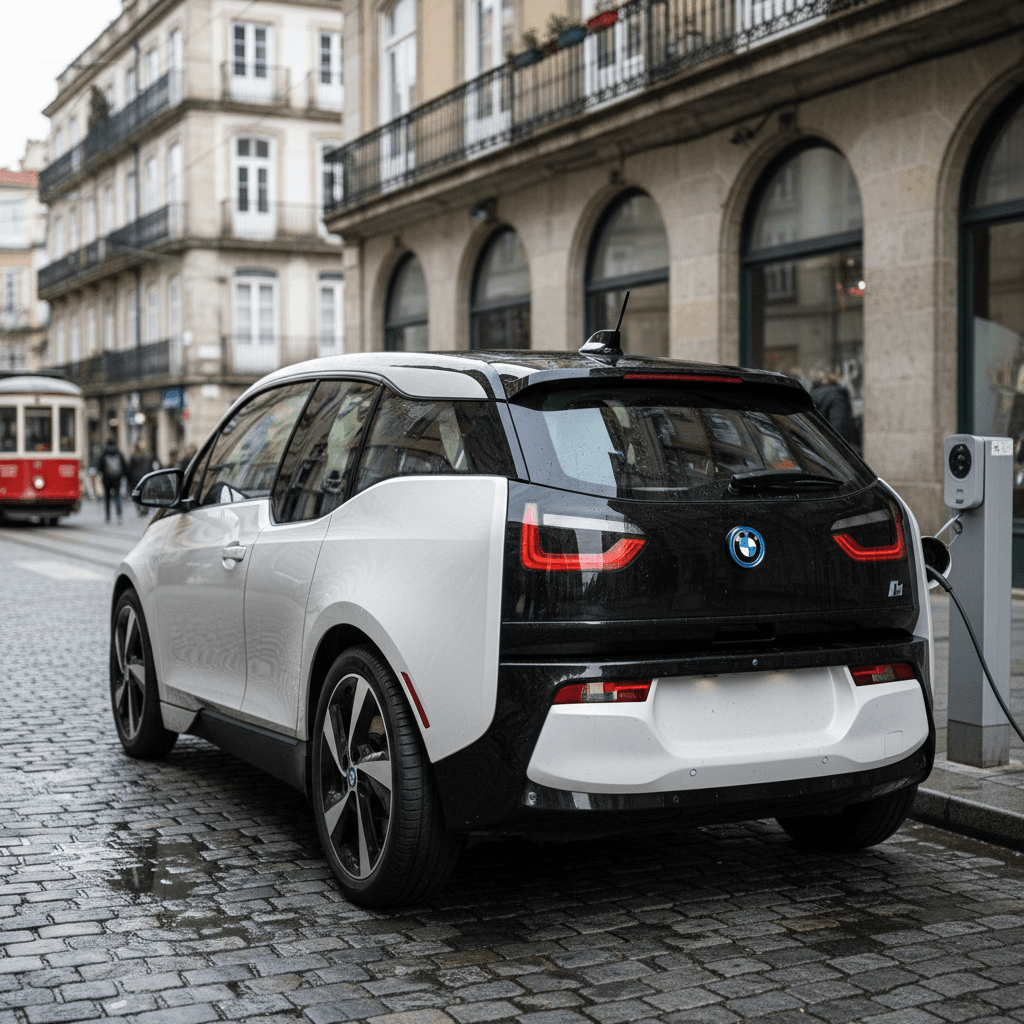
- Low‑mile used i3s coming off lease.
- Certified pre‑owned (CPO) examples with extended warranties.
- Occasional “new old stock” cars that sat unsold for years and only recently found buyers.
How the new BMW i3 sedan will differ from the original
The upcoming Neue Klasse–based BMW i3 will be a compact electric sedan, think of it as the EV counterpart to the next‑generation 3 Series, not a reboot of the tall, carbon‑fiber city car you know today. Where the old i3 prioritized lightweight materials and urban maneuverability, the new car focuses on long‑distance range, fast charging, and mainstream sedan practicality.
Original BMW i3 hatchback
- Short, upright city car with rear‑hinged rear doors
- Carbon‑fiber reinforced plastic (CFRP) passenger cell
- Rear‑wheel drive with single motor
- Smaller battery packs and optional range‑extender engine
- Quirky, lounge‑like interior and tight rear seat
Upcoming BMW i3 electric sedan
- Conventional three‑box sedan body, similar footprint to a 3 Series
- Neue Klasse dedicated EV platform shared with the iX3 SUV
- All‑electric powertrains, no gasoline range extender
- Much larger battery, designed for 300–400+ miles of range
- Roomier back seat and trunk, more like a traditional sports sedan
Think of it as an electric 3 Series
Expected range and performance from the new i3
BMW hasn’t released final EPA figures, but the company has previewed its Neue Klasse hardware in the upcoming iX3 SUV. Early numbers point to a big leap over the original i3. Expect the new sedan to offer roughly 380–420 miles of EPA range, depending on configuration, with European WLTP ratings even higher.
Where the new i3 should land on range and speed
Estimates based on BMW’s Neue Klasse announcements and iX3 previews
Long‑range battery
BMW has discussed battery capacities in the neighborhood of 100+ kWh usable for Neue Klasse sedans and SUVs. That’s more than double the pack in many original i3s.
Strong acceleration
Launch models are expected to mirror the iX3 50 xDrive: around 460+ hp, dual motors, and 0–60 mph in the 4.5–4.8 second range.
High‑speed cruising
Top speed will likely sit near 130 mph, with the chassis tuned for long‑distance Autobahn and interstate use, not just short‑hop city duty.
Specifications still subject to change
Charging tech and battery in the new i3
The Neue Klasse platform is built around high‑efficiency motors and next‑generation batteries. BMW has said these packs will cut costs substantially while boosting energy density, which is how the new i3 can stretch range without becoming a heavyweight.
- 800‑volt class architecture for faster DC charging on compatible stations
- Bidirectional charging capability likely in later model years, enabling vehicle‑to‑home or vehicle‑to‑grid features
- Charging curves tuned to add hundreds of miles in roughly 10–15 minutes under ideal conditions
- Battery chemistry designed for slower degradation than first‑generation EVs
Good news for used‑i3 shoppers, too
Interior tech and space: what to expect
Inside, the new i3 should look much closer to BMW’s latest electric concepts than to the original car’s bamboo‑and‑wool lounge. BMW has already shown off its Neue Klasse cockpit with a Panoramic Vision head‑up display stretching across the windshield and a large central touchscreen handling most controls.
Old vs. new i3 interior experience
From design experiment to technology showcase
Original i3 cabin
- Exposed natural materials and unconventional textures
- Floating screens and a thin, airy dash
- Excellent visibility but tight rear legroom
- Small frunk and modest cargo area
New i3 sedan cabin (expected)
- Wide infotainment display plus Panoramic Vision projection
- More traditional rear doors and easier access
- Rear seat space comparable to a 3 Series
- Larger trunk suitable for road‑trip luggage
Timeline: when can you actually buy the new i3?
BMW has already confirmed that the Neue Klasse i3 sedan (internal code NA0) will be built at its Munich plant. Pre‑production is planned to start in late 2025, with full series production ramping up around July 2026 for Europe. U.S.‑spec cars are expected to follow a few months later, making it likely that America sees its first deliveries late in the 2026 calendar year as 2027‑model vehicles.
New BMW i3 sedan: likely rollout timeline
Key milestones based on BMW announcements and supplier reporting
| Milestone | Expected timing | What it means for you |
|---|---|---|
| Camouflaged prototype teasers | 2025–2026 | More detailed looks at design and interior before launch. |
| Official global reveal | First half of 2026 | Full specs, options, and pricing guidance announced. |
| Start of series production (Europe) | Mid‑2026 | European buyers can begin placing firm orders. |
| U.S. deliveries begin | Late 2026 into 2027 model year | Earliest likely time to see cars on American roads. |
| Higher‑performance iM3 variant | 2027+ | If you want the sportiest version, expect to wait an extra year or so. |
Exact dates may shift as BMW finalizes production plans, but this gives you a realistic planning window.
Don’t plan your daily commute around a car that isn’t built yet
Should you wait for the new i3 or buy a used one now?
This is the crux of the matter. You’ve likely typed “new BMW i3” because you like the badge, the brand, or the original car’s personality, and you’re wondering what makes more sense for your situation. As with most smart car‑buying decisions, it depends on timing, budget, and how you drive.
Reasons to wait for the new i3 sedan
- You want maximum range and the latest charging tech.
- You prefer a conventional sedan shape with more space.
- Your current vehicle is paid off and reliable, so you can wait until late 2026 or 2027.
- You’re comfortable being an early adopter of BMW’s newest EV platform.
Reasons to buy a used i3 now
- You need an EV within the next 6–12 months.
- Your driving pattern fits the i3’s roughly 90–160‑mile real‑world range.
- You appreciate the i3’s unique design and city‑friendly size.
- You want to spend significantly less than a new premium EV sedan will cost.
How Recharged fits into the decision
Used BMW i3 buying checklist
If you decide that a used i3 makes sense while you wait for the sedan, or as your long‑term EV, go in with a clear plan. Here are the key things to check before you sign anything, whether you’re buying from a private seller or a retailer like Recharged.
Essential checks before you buy a used BMW i3
1. Confirm battery health, not just mileage
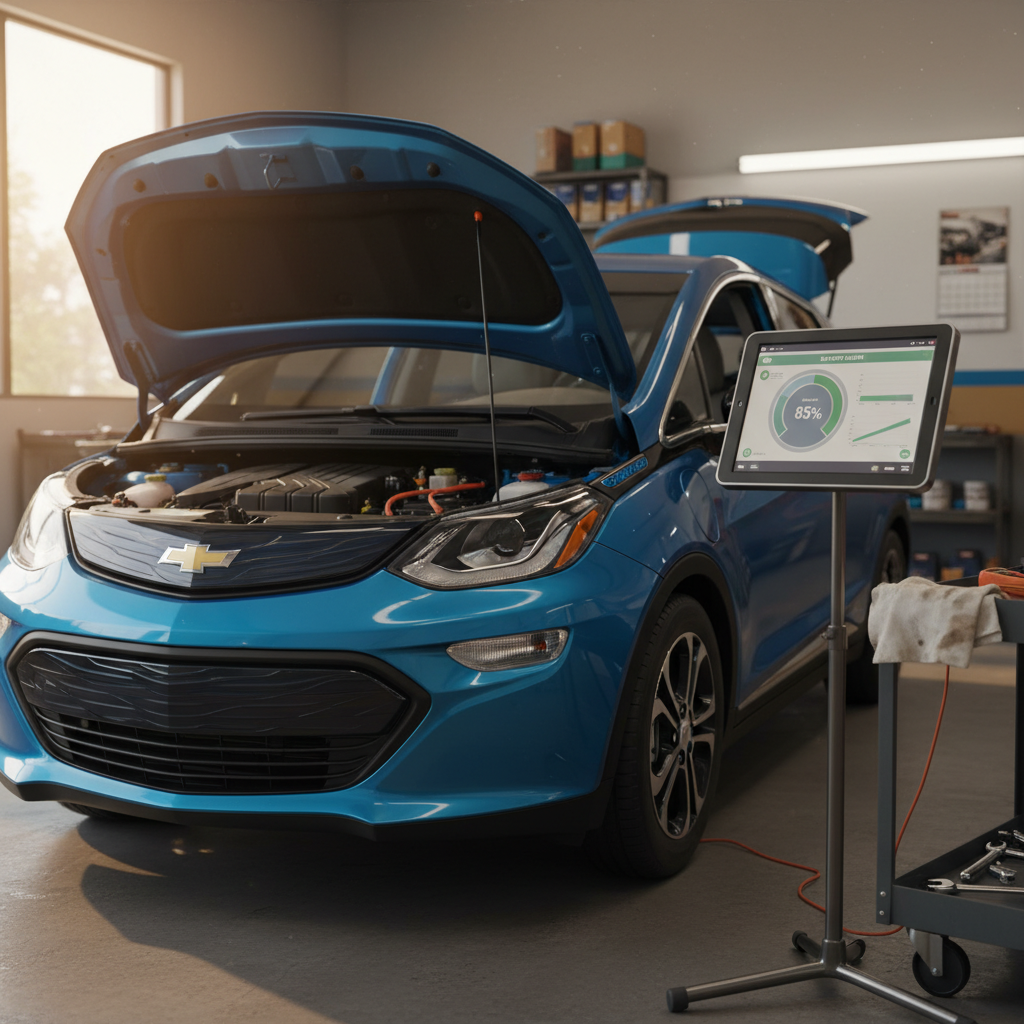
Two identical i3s with the same odometer reading can have very different battery histories. Look for a <strong>third‑party or dealer battery health report</strong> that shows usable capacity and any diagnostic trouble codes. Recharged includes a Recharged Score battery health diagnostic on every EV we sell.
2. Understand the exact model and range
Later i3s offered larger battery packs and, in some markets, the gasoline range extender (REx). Verify the model year, battery size, and whether it’s pure electric or REx so you know what range to expect in your climate.
3. Inspect tires and suspension carefully
The i3 uses narrow, tall tires and a relatively firm suspension. Uneven tire wear, clunks over bumps, or steering shimmy at highway speeds are signs you’ll need to budget for maintenance soon after purchase.
4. Test all charging equipment
Confirm that the included Level 1 or Level 2 charging cable works on your home outlet, and that the car connects properly to public stations. A short charging test can uncover connector or onboard‑charger issues before you buy.
5. Check for software updates and recalls
Ask the seller for service records showing recent software updates and recall work. BMW has issued periodic updates that improve charging behavior and system stability; you don’t want to inherit someone else’s unfinished business.
6. Verify pricing against the market
Because the original i3 is discontinued, asking prices can be all over the map. Compare similar cars by year, mileage, and battery size. A retailer like Recharged leans on <strong>transparent, data‑driven pricing</strong> so you can see how a given car stacks up to the broader market.
Why transparency matters more with EVs
FAQ: new BMW i3 questions answered
Frequently asked questions about the new BMW i3
Bottom line: planning your next BMW i3 move
The phrase “new BMW i3” covers a lot of ground right now, from the last few unsold hatchbacks, to well‑priced used examples, to a not‑yet‑released electric sedan that’s still more engineering program than showroom reality. If you’re drawn to the i3 name because you want a nimble, efficient, premium EV today, a carefully chosen used hatchback is probably your smartest play. If you’re willing to wait and budget for a higher price point, the Neue Klasse i3 sedan promises the kind of range, refinement, and performance that can finally stand toe‑to‑toe with the best electric sports sedans on the market.
Either way, start with clarity. Map out your real daily mileage, how often you road‑trip, and what you’re comfortable spending. Then decide whether a used i3 from a transparent marketplace like Recharged can serve you for the next few years, or whether you’d rather nurse your current car along until BMW’s next‑generation i3 arrives. With a little planning, you can make the i3 name work for you, whether that’s the icon you can drive home this month, or the sedan you’re already lining up to test‑drive in a couple of years.