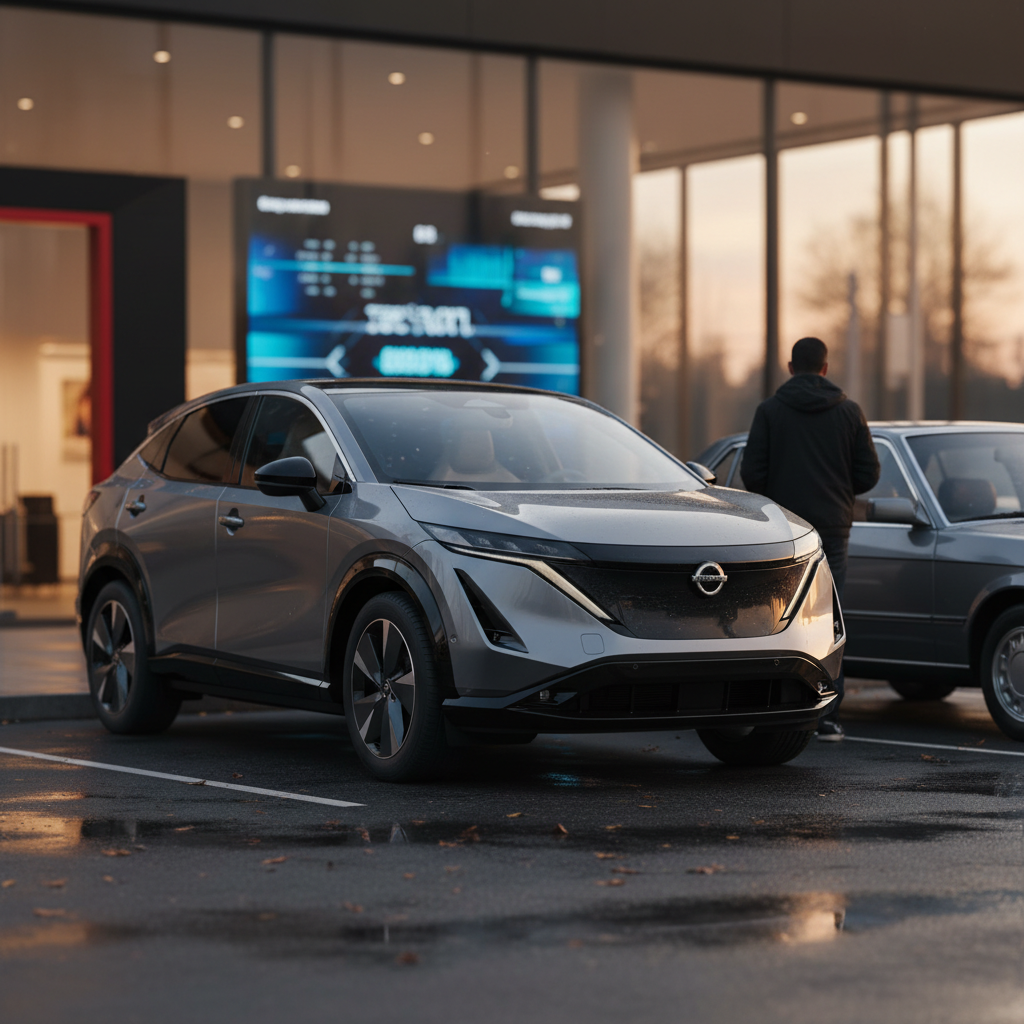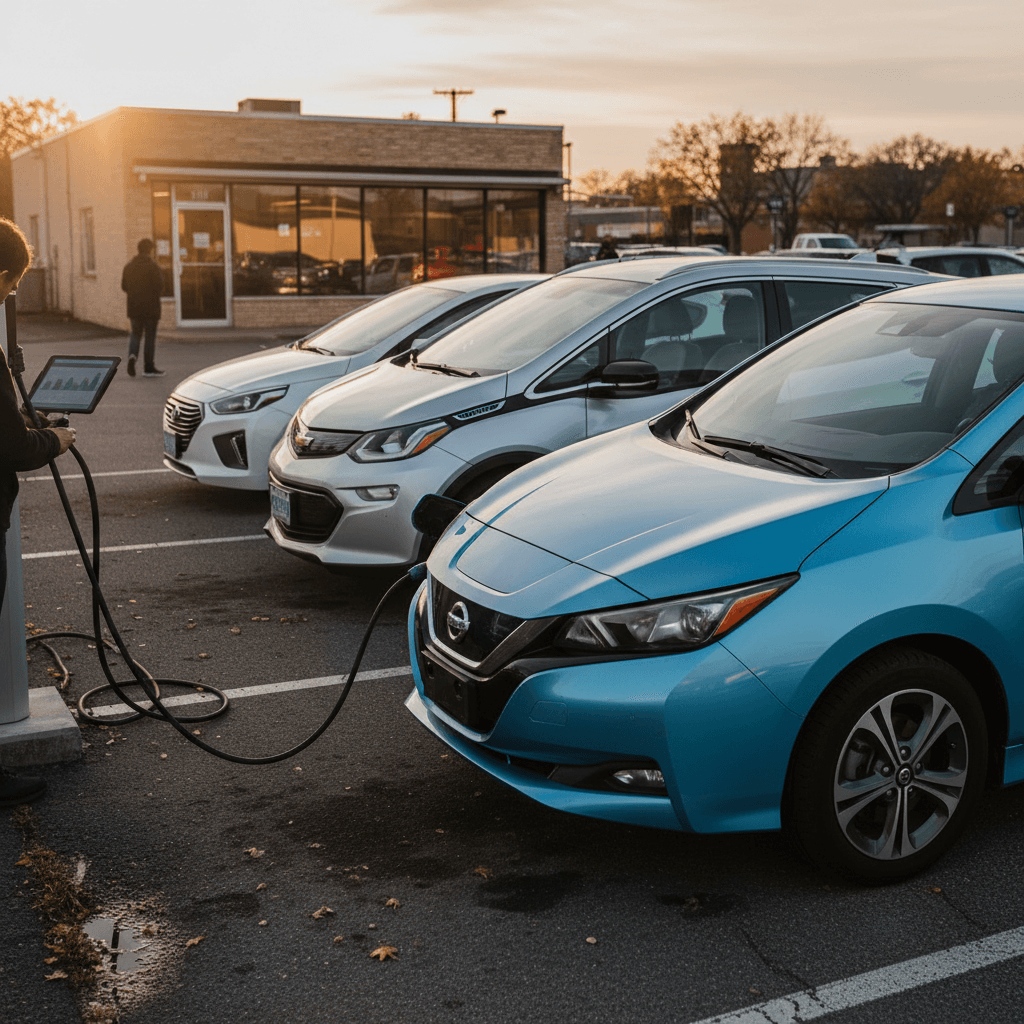
If you’re hunting for new automobiles under $15,000 in 2025, you’ve probably noticed something frustrating: every time you build and price a car online, the total rockets well past your budget. You’re not imagining it. In today’s U.S. market, a truly new car under $15,000 simply doesn’t exist, but that doesn’t mean you’re out of options for reliable, affordable transportation.
Quick Reality Check
Can You Still Buy a New Car Under $15,000 in 2025?
Let’s answer the big question right up front: no, you cannot walk into a U.S. dealership today and buy a factory‑fresh, mainstream car with a sticker price under $15,000. Even the most basic models, with steel wheels and cloth seats, now land well above that line once destination fees are included.
In fact, the bar has crept even higher. The 2025 Nissan Versa S, currently the cheapest new car on the U.S. market, starts at just over $20,000 with destination included, and every other entry‑level sedan or small SUV is priced above it. The sub‑$20,000 new car, let alone the sub‑$15,000 one, has quietly left the showroom.
Don’t Be Fooled by Online “From $17,999” Ads
Why New Automobiles Under $15,000 Disappeared
It wasn’t that long ago that you could buy a brand‑new econobox for the price of a nice used laptop. So what happened? A few forces squeezed new automobiles under $15,000 out of the market.
Four Big Reasons Cheap New Cars Vanished
Understanding the market helps you shop smarter on a tight budget.
1. Safety & Emissions Rules
2. Technology Expectations
3. Inflation & Labor Costs
4. Shift to SUVs & EVs
The Last of the Ultra‑Cheap New Cars
Cheapest New Cars That Come Close to $15,000
While a true new car under $15,000 is off the table, there are new models that hover not too far above $20,000. If you’re absolutely set on buying new, these are the kinds of cars you’ll be looking at.
Ten Cheapest New Cars in the U.S. (Late 2025)
Base prices include destination but exclude taxes, dealer fees, and any rebates. Actual pricing varies by region and dealer.
| Rank | Model (2025) | Body Style | Base Price* | Combined MPG |
|---|---|---|---|---|
| 1 | Nissan Versa S | Subcompact sedan | $20,435 | Mid–30s |
| 2 | Hyundai Venue SE | Subcompact SUV | $21,695 | Low–30s |
| 3 | Chevrolet Trax LS | Subcompact SUV | $21,895 | Around 30 |
| 4 | Kia Soul LX | Subcompact SUV/hatch | $21,935 | Low–30s |
| 5 | Nissan Sentra S | Compact sedan | $22,835 | Mid–30s |
| 6 | Nissan Kicks Play S | Subcompact SUV | $22,910 | Low–30s |
| 7 | Kia K4 LX | Compact sedan | $23,185 | Low–30s |
| 8 | Hyundai Elantra SE | Compact sedan | $23,370 | Low–30s |
| 9 | Toyota Corolla LE | Compact sedan | $23,520 | Low–30s |
| 10 | Volkswagen Jetta S | Compact sedan | $24,220 | Low–30s |
Even the cheapest new cars now sit above $20,000, which is why many shoppers cross‑shop lightly used vehicles instead.
Stretching a Tight Budget
Is an Ultra‑Cheap New Car Really a Good Deal?
Even back when $13,000–$15,000 cars existed, they came with trade‑offs: buzzy engines, noisy cabins, thin seats, and minimal crash‑protection tech. When you’re on a budget, it’s tempting to focus only on the sticker price, but the cheapest new car isn’t always the smartest financial choice.
What You Get With a Bare‑Bones New Car
- A full factory warranty, peace of mind for 3–5 years.
- Zero previous owners; you know the car’s history.
- Often the simplest possible engine and features.
But you typically sacrifice comfort, tech, and sometimes safety scores compared with slightly pricier models.
What You Get With a Quality Used Car
- More car for the money, larger, safer, better equipped.
- Some factory warranty coverage left on newer used vehicles.
- Slower depreciation, so it may hold value better.
A well‑vetted used car can cost the same up front but be far nicer to live with every day.
Where Recharged Fits In
Ready to find your next EV?
Browse VehiclesWhy a Used EV Can Beat a New $15,000 Gas Car
Here’s the twist: while new EVs are still relatively expensive (most start around $30,000 or more), the used EV market has matured quickly. In many cities, you can now find clean, well‑optioned electric cars in the $12,000–$18,000 range, exactly where shoppers search for new automobiles under $15,000.
How Used EVs Help Tight Budgets
If you own your home or have reliable access to charging at work, a used EV can turn a painful gas bill into a manageable electric bill. That’s a big deal when every dollar in your monthly budget is already spoken for.
How Recharged Helps First‑Time EV Shoppers
How to Shop Smart on a Very Tight Budget
When your ceiling is around $15,000, the goal is to buy the safest, most reliable car you can comfortably afford, not just the newest thing with that number on the windshield. Here’s how to approach the search.
Three Smart Paths When You Can’t Find New Cars Under $15,000
Different budgets, same goal: reliable transportation that doesn’t wreck your finances.
1. Lightly Used Compact Gas Car
2. Older Used EV
3. Certified Pre‑Owned (CPO) If Possible
Avoid This Common Trap
Financing and Monthly Payment Strategies
Sticker price is only half the story. On a tight budget, the monthly payment, insurance, fuel, and maintenance all have to fit. This is where smart financing, and choosing the right car, can matter more than squeezing under an arbitrary $15,000 cap.
Keep the Payment Realistic
- Financial planners often suggest keeping your total car payment under 10–15% of take‑home pay.
- Longer loan terms lower the monthly payment but increase total interest paid, try not to stretch beyond 60 months if you can avoid it.
- Even $20–$40 less per month can be the difference between breathing room and constant stress.
Use Pre‑Qualification to Shop Smarter
- Getting pre‑qualified for financing shows you what lenders are willing to offer before you visit a dealer.
- With Recharged, you can pre‑qualify online with no impact to your credit, then filter used EVs by real payment estimates.
- Knowing your true budget upfront helps you avoid getting upsold into a car you can’t actually afford.
Leverage Recharged Financing Tools
Step‑by‑Step Budget Buyer Checklist
Your 8‑Step Plan When $15,000 Is the Limit
1. Define Your Real Monthly Budget
List your income and expenses, then decide what you can comfortably spend each month on car payment, insurance, and charging or fuel. Be brutally honest.
2. Decide New vs. Used (Without Emotion)
Accept that <strong>new automobiles under $15,000</strong> are gone. Compare a basic new car payment versus a used EV or used compact payment, plus running costs.
3. Check Insurance Quotes Early
Insurance on a newer or sportier model can surprise you. Get quotes on 2–3 candidate cars before you commit so the total monthly cost doesn’t blow up.
4. If Considering an EV, Audit Your Charging
Can you charge at home (even on a regular 120V outlet), at work, or nearby? If yes, a used EV could cut your total cost dramatically.
5. Review Vehicle History and Inspections
For any used car, demand a history report and a pre‑purchase inspection. Recharged vehicles include detailed inspection reports and battery diagnostics baked in.
6. Compare Out‑the‑Door Prices, Not Just Tags
Taxes, doc fees, and add‑ons can add thousands. Ask every seller for an itemized, out‑the‑door price so you can do a fair comparison.
7. Test‑Drive With Your Real Life in Mind
Bring your family, car seats, or work gear. Check seat comfort, visibility, and how the car feels on rough pavement, not just how it looks on the lot.
8. Don’t Rush, But Be Ready to Move
Good budget cars and clean used EVs sell quickly. Have your financing pre‑qualified so when the right car appears, you can say yes immediately.
FAQ: New Automobiles Under $15,000
Frequently Asked Questions
Bottom Line: Focus Less on Sticker Price, More on Total Cost
In 2025, the era of new automobiles under $15,000 is over in the U.S., and it’s not coming back anytime soon. But that doesn’t mean you’re stuck. By widening your search to include solid used compacts and carefully vetted used EVs, you can often end up with a safer, more comfortable, and cheaper‑to‑run car than any hypothetical $15,000 new econobox.
If your budget is tight, think like this: aim for the lowest total cost of ownership, not just the lowest window sticker. That means factoring in fuel or electricity, insurance, maintenance, and the risk of big repair bills. Tools like the Recharged Score Report, EV‑savvy support, and online pre‑qualification make it easier to run those numbers before you commit.
You may not be able to buy brand‑new at $15,000 anymore, but with the right information and a clear budget, you can still find a car that fits your life, keeps you moving, and doesn’t wreck your finances in the process.