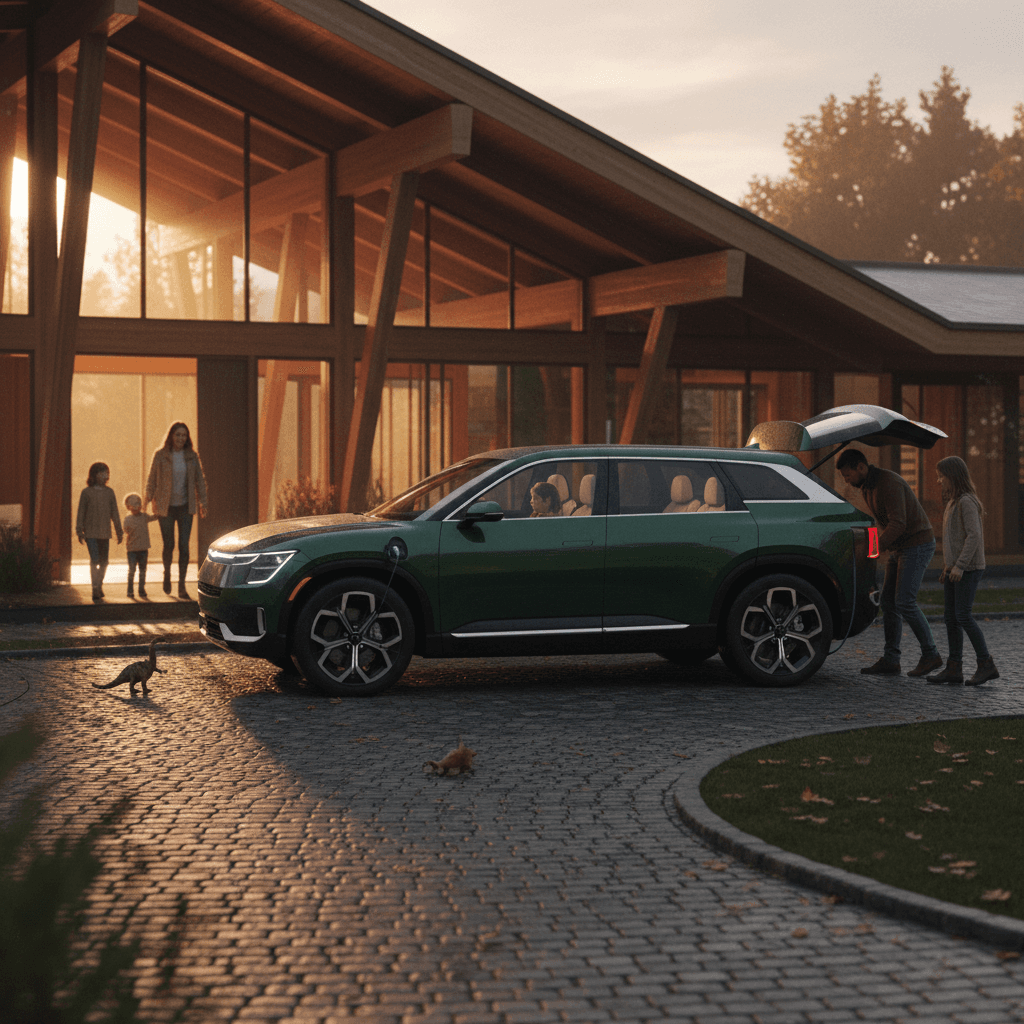
You don’t buy a three‑row luxury electric SUV like the Volvo EX90 on a whim. It’s a big purchase, and if you’re thinking ahead, whether you’ll keep it five years or buy one used, you’re right to ask about the Volvo EX90 depreciation rate. The catch? Because the EX90 is all‑new, there isn’t a decade of resale history to lean on. But we can still sketch a realistic picture using what we know about its pricing, technology, and how similar EVs have behaved so far.
Quick take
Volvo EX90 at a glance: price, role, and rivals
Before you can talk depreciation, you need to know what number you’re depreciating from. The EX90 is Volvo’s flagship electric SUV, a battery‑electric counterpart to the XC90, built in South Carolina and aimed squarely at families who want safety, tech, and a calm Scandinavian cabin without giving up a third row.
2025 Volvo EX90 pricing snapshot (U.S.)
On paper, that puts the EX90 in the same neighborhood as the Tesla Model X, Mercedes‑Benz EQE SUV and EQS SUV, BMW iX, and Rivian R1S. Those are the yardsticks we’ll use when we talk about how the EX90 is likely to hold its value.
Think in percentages, not just dollars
How EV depreciation works (and why EX90 is a special case)
Traditional gas SUVs have fairly predictable depreciation curves. With EVs, especially new luxury models like the EX90, you’re juggling a few extra variables: fast‑moving tech, battery longevity, charging standards, and incentives. That makes the early‑year picture noisier but also creates opportunity if you’re shopping used.
What makes EVs depreciate differently?
Four forces that matter more for the EX90 than a gas XC90
Technology turnover
Newer EVs often show up with better range, faster charging, and smarter driver‑assist tech. That can push down prices on earlier builds faster than we’re used to with gas SUVs.
Battery health anxiety
Shoppers worry, sometimes more than they need to, about battery degradation. Clear, verified battery health data tends to support stronger resale values.
Charging ecosystem
How easy the EX90 is to charge, at home and on the road, affects demand. As networks expand and standards settle, earlier models may look more or less attractive.
Incentives & policy
Tax credits and tariffs can move prices quickly. A federal or state incentive appearing (or vanishing) swings effective transaction prices and used values.
The EX90 is a special case because it’s launching into a maturing EV market. Volvo has already announced upgrades for coming model years, from faster charging architectures to more powerful variants. That means early‑build EX90s will probably see steeper front‑loaded depreciation than a mature gas model, but that same trait can make them compelling used buys a few years in.
Projected Volvo EX90 depreciation: 3‑ and 5‑year outlook
We don’t have a real‑world auction history yet for the EX90. What we do have are well‑documented patterns from other luxury EV SUVs, early pricing data, and Volvo’s historic behavior on value retention. Putting those together, here’s a reasonable, conservative projection, not a guarantee, for how a typically‑driven EX90 could depreciate in the U.S.
Illustrative Volvo EX90 depreciation curve
Example based on a $85,000 transaction price for a well‑equipped EX90 Twin Motor Plus. Real‑world results will vary by mileage, condition, market, and incentives.
| Age | Estimated value | Approx. depreciation vs. new | Notes |
|---|---|---|---|
| Year 1 | $63,000–$68,000 | 20–25% | Early hit as initial owners move on and demo units hit the market |
| Year 3 | $47,000–$55,000 | 35–45% | Where many luxury EV SUVs are landing today, assuming average mileage |
| Year 5 | $34,000–$43,000 | 50–60% | Battery health, software support, and tech relevance matter most here |
Use these numbers as directional guidance, not a promise from Volvo or any retailer.
These are projections, not promises
If those numbers hold, the EX90’s depreciation curve would be broadly similar to other high‑end electric SUVs: steeper than a Toyota Highlander Hybrid, comparable to a Model X or R1S, and a bit better than some first‑generation luxury EVs that were quickly outclassed on range and charging speed.
8 factors that will shape EX90 resale value
- Battery health and remaining range versus original EPA estimate
- Whether the EX90 gets major hardware upgrades (like faster charging) in later years
- Adoption of charging standards and adapter support in your region
- Overall condition, accident history, and maintenance records
- Trim level and options, especially safety and convenience packages
- Market supply (production volume and lease returns)
- Interest rates and availability of EV financing
- Brand reputation and how trouble‑free the first few model years turn out to be
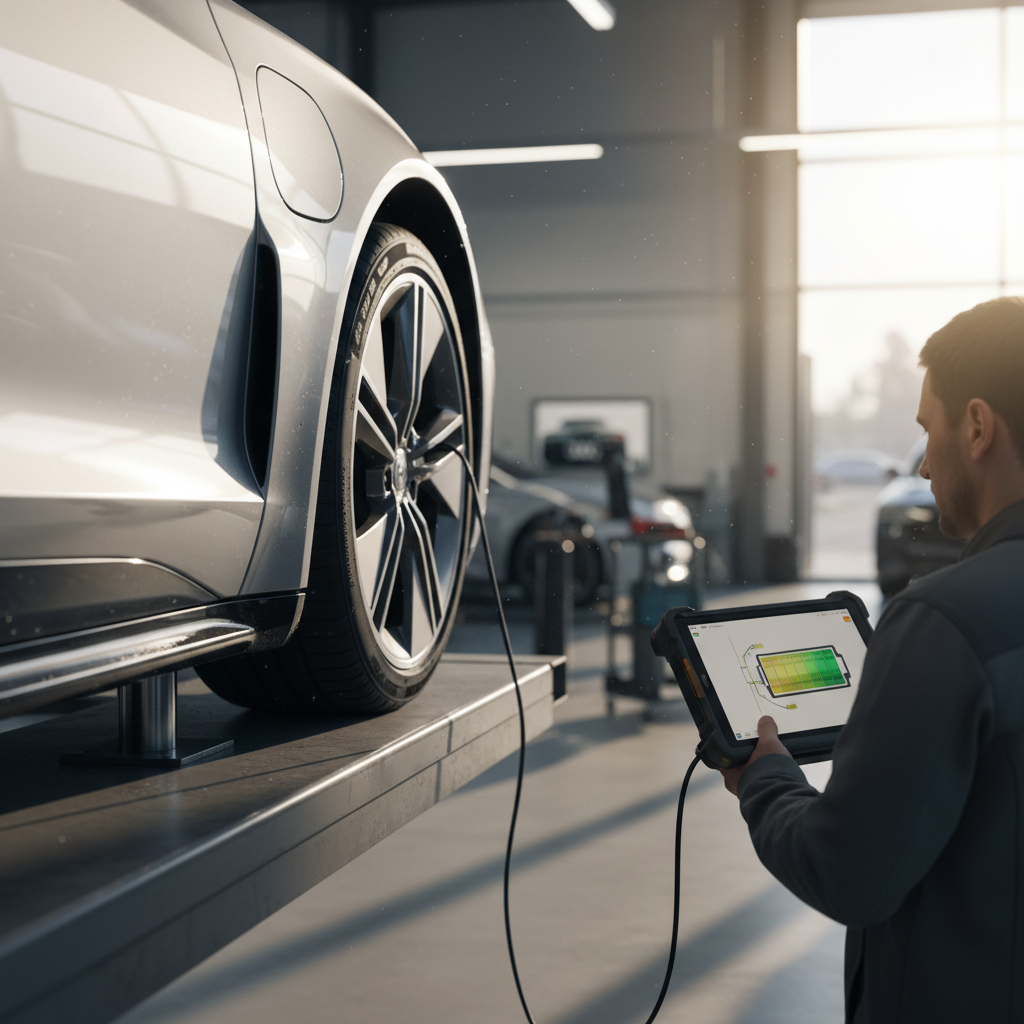
The first item on that list, battery health, is where used EV buying is finally catching up to common sense. You’d never buy a gas SUV without checking a mechanical inspection; with EVs, you also want a credible, data‑driven look at the pack so you’re not guessing about future range.
Where Recharged fits in
Volvo EX90 vs rivals: resale comparison
When you put the EX90 next to its natural competitors, you’re really comparing how shoppers feel about brands, tech, and charging. Tesla’s network is a selling point, Rivian has an adventurous image, German brands have badge pull, and Volvo leans hard into safety and design. Those stories matter in the used market.
Tesla Model X & Rivian R1S
- Pros: Strong brand awareness, established EV credentials, proven road‑trip chops.
- Depreciation trend: Early Model Xs dropped hard, later years have stabilized; R1S data is still thin but showing typical luxury‑EV patterns.
- EX90 angle: If Volvo delivers on safety and comfort, it can appeal to buyers who find the Tesla or Rivian too flashy or too tech‑forward.
Mercedes EQS SUV, BMW iX, others
- Pros: Gorgeous interiors, strong dealer networks, familiar luxury badges.
- Depreciation trend: Many early EQ‑ and iX‑series leases are already returning with heavy discounts on the used market.
- EX90 angle: Volvo’s pricing undercuts some German rivals, and its simpler lineup may help it feel less dated as tech evolves.
Where the EX90 could shine on resale
Should you lease or buy a Volvo EX90?
With any new EV platform, leasing is the financial version of dipping a toe in the water. You’re effectively handing back the long‑term depreciation risk to the captive finance company in exchange for a monthly payment. Buying, on the other hand, leaves you exposed to future price swings but gives you the upside if the EX90 ages well.
Lease or buy? Key questions for EX90 shoppers
1. How long will you keep it?
If you tend to swap vehicles every 2–3 years, a lease matches that rhythm and shields you from early, steeper depreciation.
2. Do you need flexibility on mileage?
Heavy drivers (20,000+ miles a year) can burn through lease allowances quickly. If your life involves a lot of road trips, buying may be safer.
3. Are you worried about future tech leaps?
If you’re nervous about buying just before a major range or charging upgrade, leasing the first‑ or second‑year EX90 and buying later can be a smart hedge.
4. What incentives are on the table?
Leases sometimes capture federal or state EV incentives even when you don’t qualify directly. That can shift the math significantly.
5. Do you plan to buy used instead?
If you’re depreciation‑averse, letting someone else take the first 3‑year hit and then buying a well‑documented used EX90 can be the sweetest spot of all.
7 ways to protect your Volvo EX90’s value
Depreciation isn’t something you can stop, but you can steer it. The choices you make in the first few years of ownership, how you charge, how you spec the car, how you maintain it, will show up in the future listing price, and in how quickly the EX90 sells when you’re ready to move on.
Owner habits that help EX90 resale
Simple behaviors, outsized impact over 5–7 years
Baby the battery
Use DC fast charging when you need it, but rely on overnight Level 2 charging at home when possible, and avoid constantly charging to 100% if you don’t need the range.
Keep software current
Accept over‑the‑air updates, especially for safety and driver‑assist systems. Buyers care that their car has the latest features and bug fixes.
Document everything
Keep service records, tire receipts, and alignment checks organized. On a premium EV, a fat folder of proof can be worth real money at resale.
Protect the exterior
Consider paint protection film on high‑impact areas, fix curb rash, and repair parking‑lot dings. Luxury EV shoppers are picky about cosmetics.
Follow EV‑specific service
Even though there’s no oil, there is a maintenance schedule, brake fluid, cabin filters, coolants. Skipping it can spook future buyers.
Avoid sketchy mods
Wheels and tires are fine; hacked software and off‑brand lighting are not. Keep the EX90 close to stock to preserve appeal and warranty coverage.
The fastest way to torch resale
How to shop for a used Volvo EX90 with confidence
If you’re reading this because you’re already eyeing a future used EX90, you’re thinking like a smart buyer. The first wave of off‑lease and early‑trade examples will eventually start showing up with big discounts compared to MSRP. The trick is separating the genuinely solid SUVs from the ones that spent their early years as hard‑driven demo units or fast‑charge guinea pigs.

Used Volvo EX90 buying checklist
1. Get real battery health data
Look for a third‑party battery report, not just a dashboard range estimate. At Recharged, the Recharged Score includes a verified battery health reading so you’re not guessing.
2. Review charging history if possible
Frequent high‑power DC fast charging isn’t an automatic deal‑breaker, but a car that lived exclusively at 250 kW stations deserves closer scrutiny.
3. Scan for software and recall completion
Ask for proof that major software updates and any safety recalls were completed. You want an EX90 that’s fully current.
4. Check the driver‑assist hardware
Because the EX90 leans heavily on cameras, radar, and lidar, confirm that all driver‑assist systems work correctly and that no sensors were poorly repaired after a minor collision.
5. Inspect tires and brakes carefully
Heavy EVs can go through tires and brake pads more quickly. Uneven wear can indicate alignment issues or a hard‑driven life.
6. Compare pricing to the broader EV market
Don’t just compare one EX90 to another. Look at similarly‑sized used EV SUVs so you know whether that Volvo is genuinely priced to move.
Why marketplace transparency matters
FAQ: Volvo EX90 depreciation and resale
Frequently asked questions about Volvo EX90 depreciation
Bottom line: who the EX90 depreciation profile fits
If you’re the sort of driver who keeps a vehicle for a decade and squeezes every family memory you can out of it, the Volvo EX90’s likely depreciation curve shouldn’t scare you off. You’ll pay luxury‑EV money up front, but you’re also buying a safe, serene, high‑tech family hauler that should still feel special years from now.
If you’re more depreciation‑sensitive, the smart play may be to let the first owner take the heavy hit and then shop a carefully vetted used EX90 with verified battery health and transparent pricing. That’s exactly the kind of scenario a marketplace like Recharged is built for: helping you understand what a specific SUV is really worth, how healthy its battery is, and whether it fits your life before you ever set foot in a showroom, or have it delivered to your driveway.