If you’re hunting for the most reliable used electric cars, you’re asking the right question. EVs can run for hundreds of thousands of miles with minimal mechanical drama, but only if the battery pack and electronics are in good shape. The trick is knowing which models have aged well, and how to tell whether the specific car in front of you is a keeper or a headache.
Reliability is shifting to the used-EV market
Why “reliable” means something different for used EVs
When shoppers ask about the most reliable used EVs, they’re usually thinking in gas-car terms, engines, transmissions, water pumps. In an EV, those parts don’t exist. Most of what can strand you comes down to the battery pack and high-voltage electronics, plus the same wear items you already know: tires, brakes, suspension, and interior bits.
- The battery pack’s health and warranty coverage
- How well the car’s thermal management protects the battery
- Software stability and infotainment issues
- Build quality (leaks, rattles, trim, seats)
- Access to affordable parts and EV-knowledgeable service
So instead of asking, “Which EV never breaks?” a better question is, “Which used EVs have durable batteries, manageable quirks, and predictable ownership costs?” That’s the lens we’ll use here.
The most reliable used electric cars: a 2025 shortlist
Every ranking has its own scoring system, but the same names keep popping up when you blend reliability data, battery-degradation studies, and owner experience. If you want a quick hit list, these are among the most confidence-inspiring used EVs available in the U.S. right now:
Most reliable used electric cars (U.S.-friendly picks)
These models combine solid reliability records with realistic pricing on the used market.
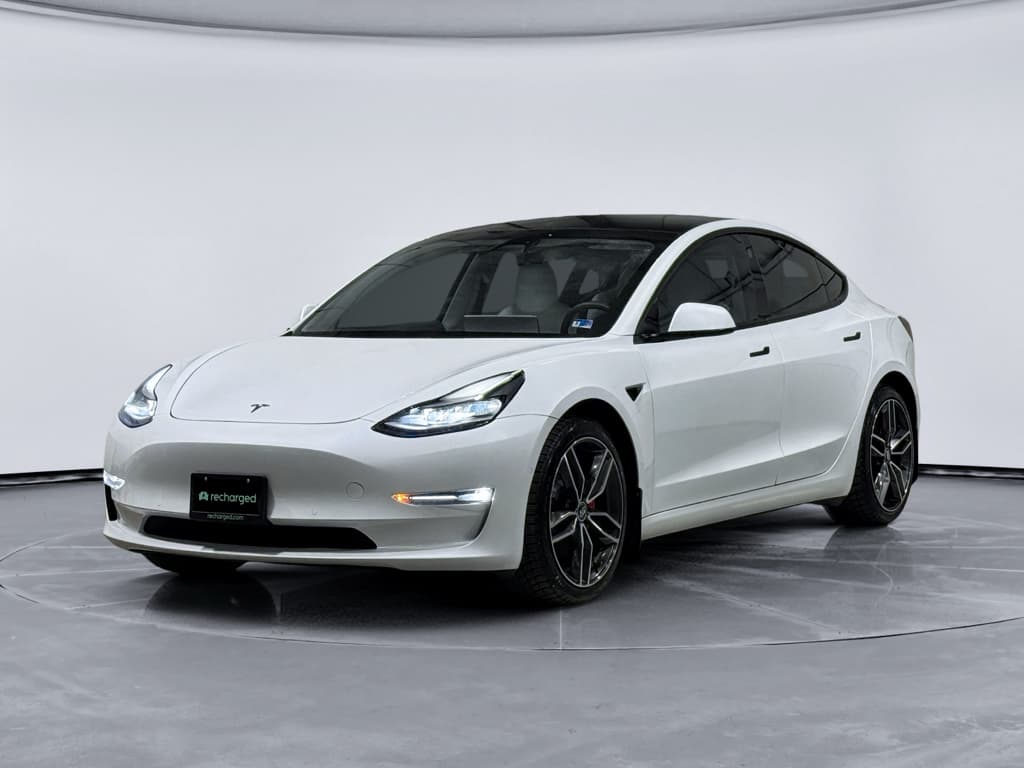
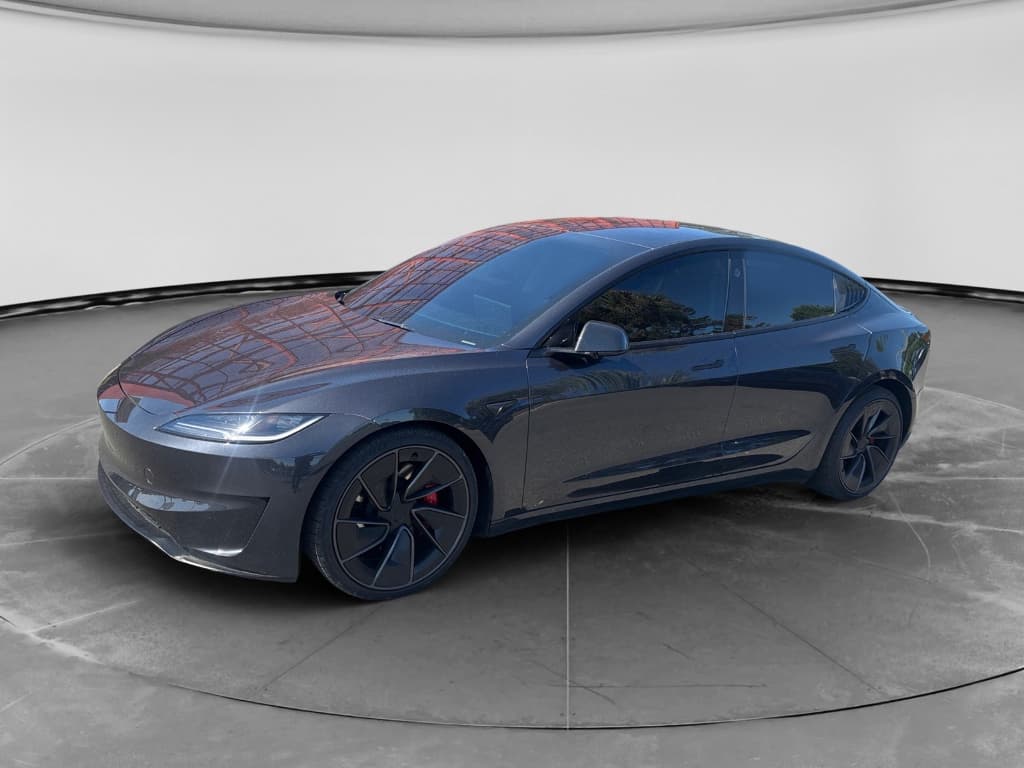
Tesla Model 3 (2018–2022)
Strong battery longevity, huge charging network, and lots of real-world data. Early build quality quirks, but drivetrains have been robust.
Hyundai Kona Electric (2019–2022)
Efficient, compact crossover with very good battery health results and long warranties. Great commuter or first EV if you don’t need a giant cabin.
Nissan Leaf (2018+ 40/62 kWh)
Simple and affordable. Best in cooler climates and for shorter commutes, where its air-cooled pack isn’t constantly stressed.
Chevrolet Bolt EV/EUV (2020–2023, post-recall)
Once past its battery recall, the Bolt is an efficient, simple workhorse with decent long-term battery performance and low running costs.
Kia Niro EV (2019–2023)
Quiet, practical, and consistently ranked highly for value and reliability. Often a bargain compared with its original MSRP.
BMW i3 (2017–2021, BEV)
Quirky but well-engineered. Compact size, high-quality materials, and generally slow, predictable battery degradation.
Think in generations, not just model names
Model-by-model reliability highlights
Let’s slow down and look at why these models keep landing on “best used EV” lists, and what to watch for with each. This isn’t an exhaustive list of every decent used EV, it’s a cross-section of proven, widely available choices that cover different budgets and needs.
Used EV reliability snapshot (simplified)
A high-level look at how popular used EVs stack up on key reliability factors.
| Model | Typical Used Price (U.S.) | Range when new (approx.) | Battery thermal management | Battery aging tendency |
|---|---|---|---|---|
| Tesla Model 3 (RWD, 2018–2022) | $18k–$28k | 220–330 mi | Liquid-cooled | Slow, predictable degradation |
| Hyundai Kona Electric (2019–2022) | $14k–$22k | 250–258 mi | Liquid-cooled | Very slow degradation |
| Nissan Leaf (2018–2022, 40/62 kWh) | $8k–$18k | 149–215 mi | Air-cooled | Faster in hot climates |
| Chevrolet Bolt EV/EUV (2020–2023) | $14k–$22k | 200–259 mi | Liquid-cooled | Moderate, climate-dependent |
| Kia Niro EV (2019–2023) | $12k–$20k | 239–253 mi | Liquid-cooled | Generally slow |
| BMW i3 BEV (2017–2021) | $10k–$18k | 114–153 mi | Liquid-cooled | Slow, especially in cooler climates |
Ratings are directional, based on multiple public data sources and owner reports. Always check the specific car’s history and battery health.
Tesla Model 3: predictable battery health, messy cosmetics
By now there are so many used Tesla Model 3s on the road that patterns are crystal clear. Battery packs have aged better than many people expected, with relatively low annual degradation when the car is charged and driven sanely. Most real-world reports show plenty of range left well past 100,000 miles.
- Excellent access to DC fast charging via the Supercharger network and, increasingly, NACS adapters for other networks
- Simple single-speed drivetrain with very few moving parts
- Early-build squeaks, rattles, and paint flaws are common but don’t usually strand you
- Software updates can fix quirks, but you’re riding along for the changes, wanted or not
Watch the odometer, not just the paint
Hyundai Kona Electric & Kia Niro EV: quiet workhorses
Hyundai and Kia quietly built some of the most robust everyday EVs of the last few years. The Kona Electric and Niro EV share a lot under the skin, and both have earned strong marks for efficiency, real-world range, and long battery warranties.
- Well-tuned liquid cooling that keeps battery temperatures in check
- Long factory battery warranties (often 8 years/100k miles or more) that still apply on many used examples
- Occasional recalls and software updates, but few horror stories about dead packs
- Cabins and infotainment that feel familiar if you’re coming out of a modern gas compact SUV
Chevrolet Bolt EV/EUV: post-recall, often a bargain
The Bolt’s battery recall scared a lot of shoppers away, but it also means many used Bolts now carry freshly replaced packs or software-improved battery management. If you verify recall completion, you’re looking at a simple, efficient EV with low running costs and good charging manners for daily use.
Recall can actually be your friend
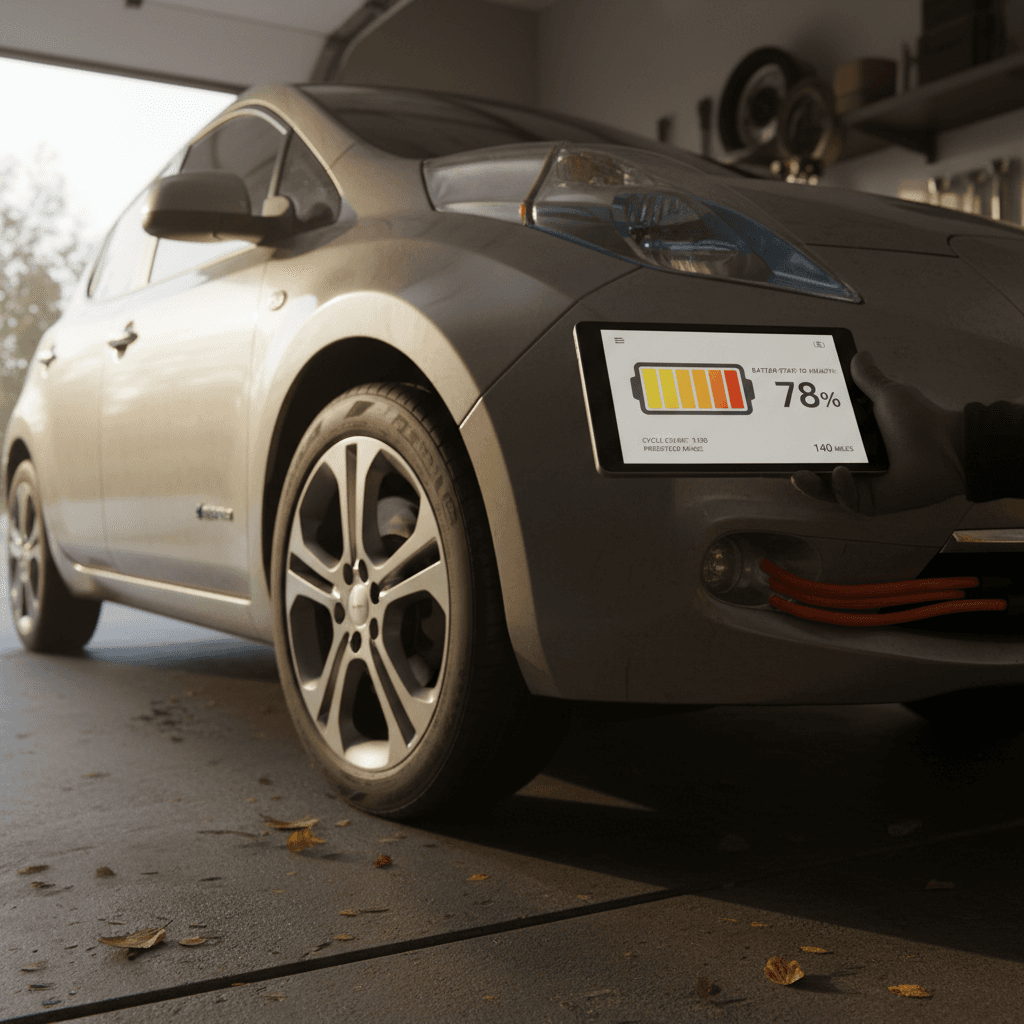
Nissan Leaf: reliable hardware, finicky early batteries
Mechanically, the Leaf has been a solid, no-drama commuter for more than a decade. Where it gets tricky is the air-cooled battery pack, especially on earlier cars and in hot climates. Heat is the Leaf’s enemy, and it shows up as quicker range loss over time compared with similar-age liquid-cooled EVs.
- Later Leafs (2018+) with 40 or 62 kWh packs are generally better bets than very early models
- Cool-climate cars age far more gracefully than those that lived their lives in Arizona or Texas heat
- Recent recalls have addressed rare fast-charging-related risks; always confirm the VIN is clear before you buy
- For city and suburban use where 100–150 miles of range is plenty, a well-cared-for Leaf can still be an extremely low-cost, reliable EV
BMW i3: oddball styling, serious engineering
The i3 is one of those cars you either love or walk right past on the lot. Underneath the funky styling and skinny tires is a stiff carbon-fiber structure, high-quality interior, and well-managed battery. Battery degradation has generally been modest, and most problems are minor electronics or trim quirks rather than catastrophic failures.
Why the i3 is a smart second car
Battery health: the real heart of used EV reliability
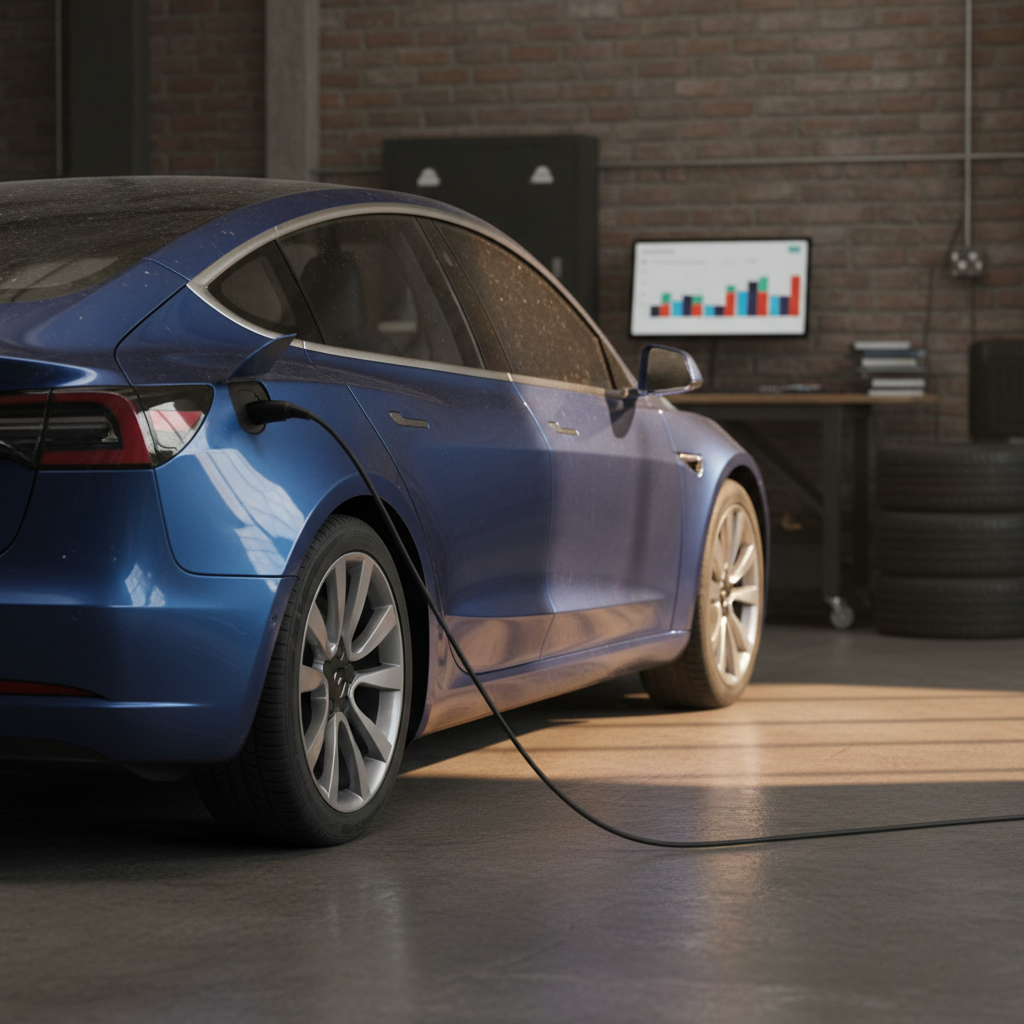
We keep coming back to batteries because they’re the beating heart of any EV. Two used cars of the same year and model can feel completely different on the road if one has lost 20% of its usable capacity and the other has lost 5%. That’s why reliability shopping for a used EV starts with battery health, not just brand reputation.
What long-term data says about EV batteries
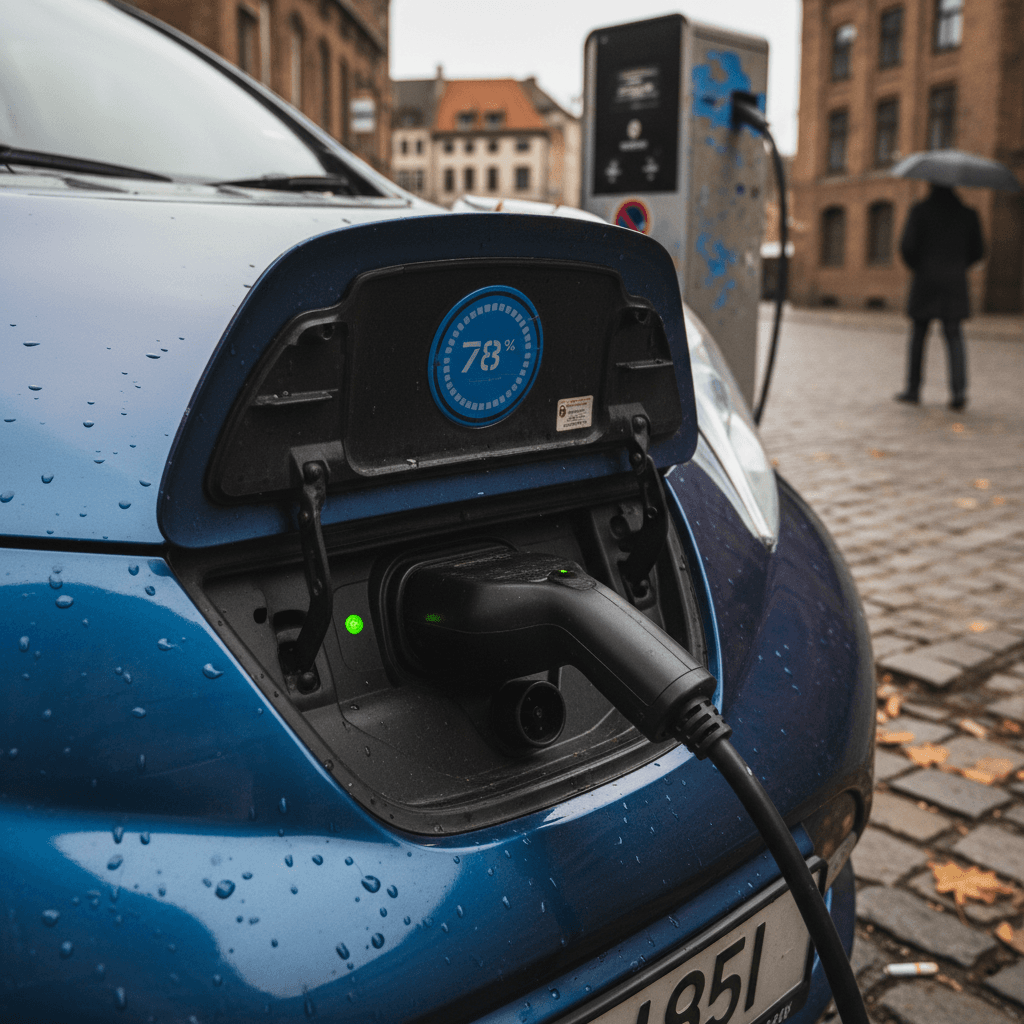
Battery health questions to ask before you buy
1. What’s the real usable range today?
Don’t rely on the original window sticker. Ask for a recent full-charge range estimate and how it compares to new, or even better, a battery-capacity test result.
2. How was the car usually charged?
Home Level 2 charging is typically gentler than daily DC fast charging. Occasional road-trip fast charging is fine; living on fast chargers is harder on the pack.
3. What climate did the car live in?
Hot climates age batteries faster, especially in air-cooled EVs. A Leaf that spent life in Seattle will almost always have a healthier pack than one from Phoenix.
4. Is the battery warranty still active, and transferable?
Many EVs carry 8-year battery warranties. Confirm the in-service date and that coverage transfers to you as the next owner.
5. Has the car had battery recalls or software updates?
On models like the Chevy Bolt, recall completion is vital. Get proof of any battery-related service from a dealer or EV specialist.
Reliability risks: used EVs to approach carefully
Some used EVs can still be great buys, but only at the right price and with full understanding of their weak spots. Here are a few categories where a little extra caution is smart.
Used EV situations where you need extra homework
These aren’t automatic dealbreakers, but they demand deeper inspection and a strong discount.
Early air-cooled EVs in hot climates
First-generation Leafs and other air-cooled EVs that lived in extreme heat can lose usable range quickly. Great “second cars” around town if priced right and you accept their shorter legs.
Models with spotty software reliability
Some luxury EVs and first-wave crossovers have had repeated infotainment and charging-software glitches. Plenty are fixable, but you’ll want a strong warranty and a patient temperament.
High-mile fast-charging warriors
EVs that spent life in ride-share fleets or as road-trip workhorses may have more battery wear per mile. A professional battery health check is non-negotiable here.
When to walk away
How to check if a specific used EV is reliable
Model reputation gets you in the right ballpark. To know whether this particular car is reliable, you need to treat it like any other used vehicle, with a few EV-specific twists.
Seven steps to vet a used EV’s reliability
1. Pull a full vehicle history report
Look for accident damage, flood branding, lemon-law buybacks, and repeated service visits. EVs don’t like water any more than gas cars do.
2. Get a professional battery health report
Ask for a third-party battery test or a structured report like the <strong>Recharged Score</strong>, which measures state of health instead of relying on a dashboard guess.
3. Inspect and test all charging equipment
Confirm the car charges normally on Level 2 and, if applicable, DC fast charging. Frayed cables, broken charge doors, or flaky charge sessions can hint at bigger issues.
4. Check for open recalls and completed campaigns
Run the VIN with the manufacturer or NHTSA and verify that any battery or charging-related recalls have been completed, especially on models like the Chevy Bolt and Nissan Leaf.
5. Take a long enough test drive
Drive on both city streets and highways. Watch for warning lights, sudden range drops, odd noises from the motor or reduction gear, and inconsistent charging predictions.
6. Evaluate tire and brake wear
EVs are heavy and hard on tires. Uneven wear, vibration, or pulling can indicate alignment or suspension issues that will cost money, just like on a gas car.
7. Confirm warranty and service options
Make sure you know who will service the car, dealer or independent EV specialist, and which parts of the battery and drivetrain are still under warranty.
What makes some EVs more reliable than others?
Battery design & cooling
The biggest predictor of long-term reliability is how the battery is designed and cooled. Liquid-cooled packs with smart thermal management, like those in many Teslas, Hyundais, Kias, and BMWs, tend to age more gracefully than air-cooled designs that see a lot of heat.
Cars that limit how much of the battery you can actually use (holding some capacity in reserve) also tend to show slower degradation.
Software maturity & hardware simplicity
EV drivetrains are mechanically simple, but they’re software-heavy. Models with mature control software and fewer flashy, unproven gadgets usually have fewer headaches.
On the hardware side, single-motor, rear- or front-drive setups usually mean fewer potential failure points than the most complex dual- or tri-motor performance variants.
Don’t chase the hottest spec sheet
How Recharged helps you buy a reliable used EV
If all of this sounds like a lot to track, that’s exactly why Recharged exists. We built our entire business around making used EV ownership simple and transparent, starting with reliability and battery health.
Why shop for a used EV with Recharged?
We combine hard data with EV-specialist support so you’re not buying blind.
Recharged Score battery health diagnostics
Every vehicle on Recharged gets a Recharged Score Report with verified battery state of health, range insights, and fair-market pricing guidance, so you know exactly what you’re buying.
Used EVs, inspected by EV specialists
Our team focuses on electric vehicles all day, every day. We know the common failure points, latest recalls, and software updates for popular EVs, and we bake that into our inspections.
Financing, trade-in & nationwide delivery
You can finance online, get an instant offer or consignment help for your current car, and arrange nationwide delivery, or visit our Experience Center in Richmond, VA if you’d rather kick the tires in person.
Ready to find your next EV?
Browse VehiclesTurn your research into the right car
FAQ: Most reliable used electric cars
Frequently asked questions about reliable used EVs
Bottom line: picking a reliable used EV with confidence
Finding the most reliable used electric car isn’t about memorizing one magical model name. It’s about choosing a model with a strong reliability record, then zeroing in on a specific car with healthy battery data, clean history, and recent recalls handled. Do that, and a used EV can give you years of quiet, low‑maintenance driving, without the stomach‑clenching repair bills that often come with older gas cars.
Start by deciding how much range you truly need, then shortlist proven models like the Tesla Model 3, Hyundai Kona Electric, Kia Niro EV, Chevy Bolt, BMW i3, and newer‑generation Nissan Leaf. From there, lean on tools like the Recharged Score Report, EV‑savvy inspections, and transparent pricing to separate the gems from the guesswork. When you’re ready to see real battery health numbers instead of sales‑pitch promises, you’ll know exactly where to look.