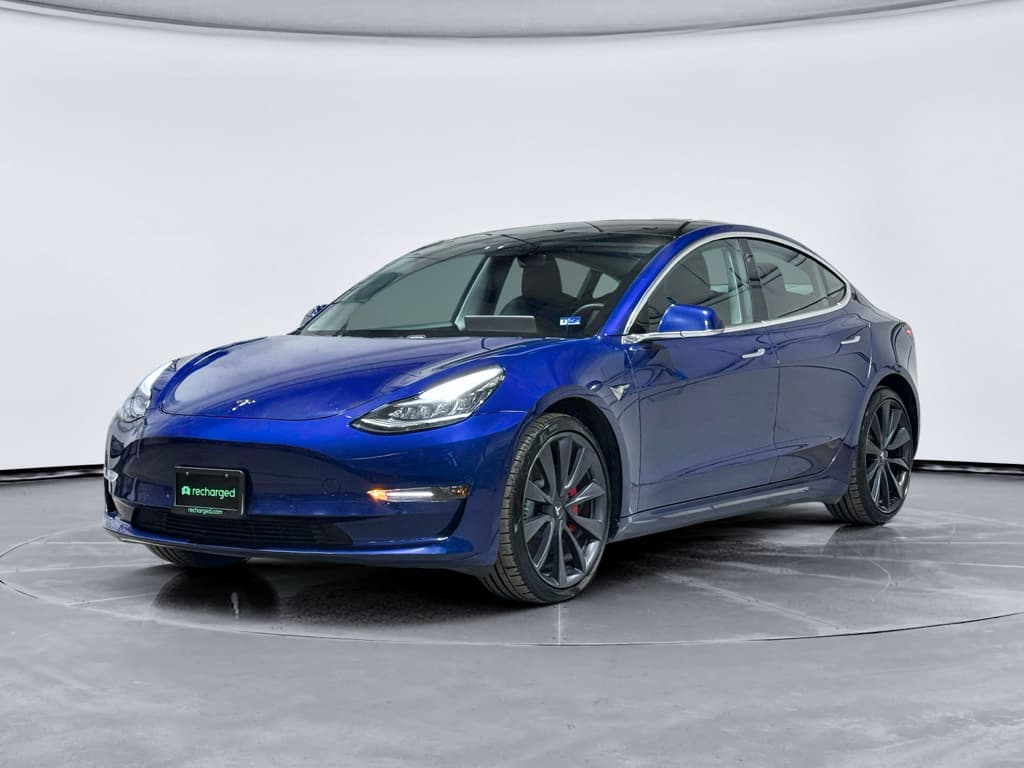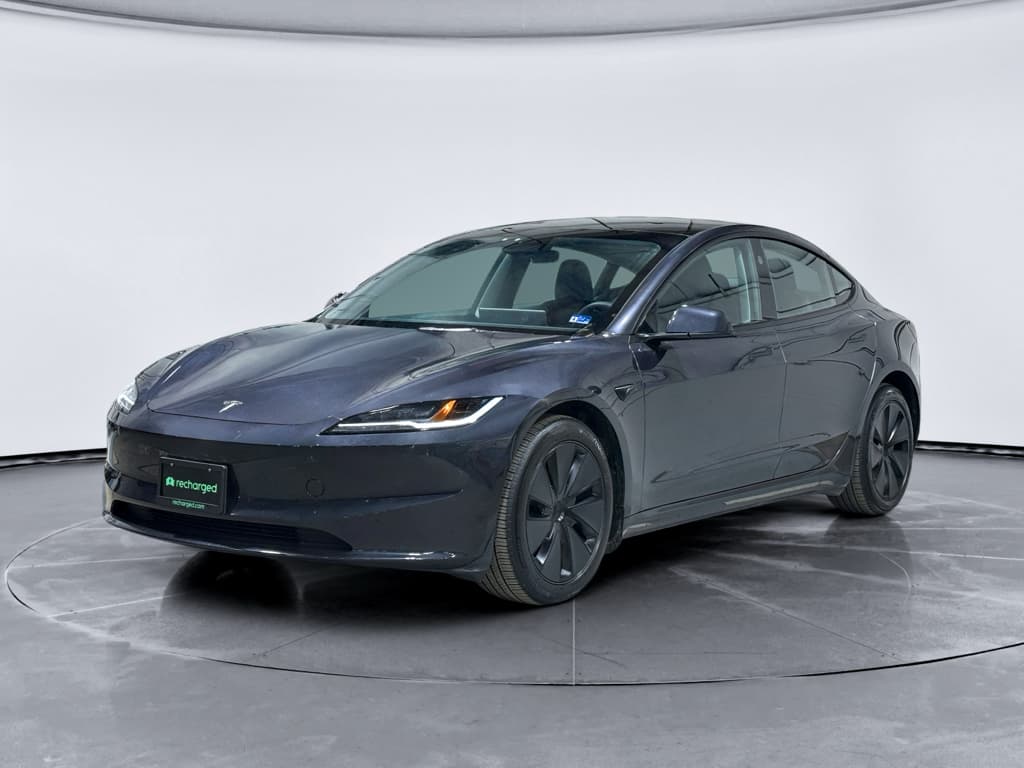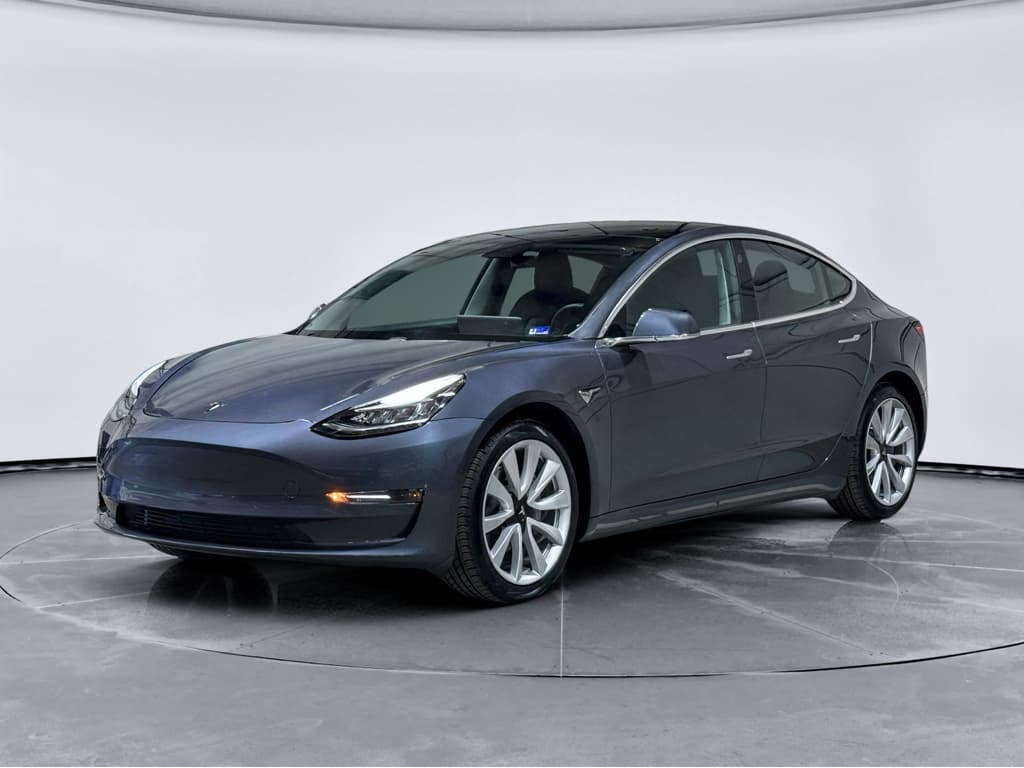
If you’re looking at a 2024 Tesla Model 3, especially the refreshed “Highland” version, you’re probably hearing two very different stories. Fans will tell you it’s bulletproof, critics will point to inspection data and forum horror stories. The truth about 2024 Tesla Model 3 reliability sits somewhere in between, and it depends a lot on what kind of “reliability” you care about: battery life, build quality, software, or the ownership experience around service and repairs.
Quick context
2024 Tesla Model 3 reliability at a glance
Reliability snapshot for Model 3 owners
So where does that leave the 2024 Model 3? Mechanically and electrically, the fundamentals, battery, motors, core power electronics, are proving very robust. The weak spots are traditional car stuff (brakes, suspension components, trim) plus a layer of software and control-design oddities that can create real frustration if you’re not prepared for them.
How the 2024 refresh changed Model 3 reliability
The 2024 Model 3 “Highland” refresh brought updated styling, acoustic glass, revised suspension tuning, new seats and a significantly reworked interior. It also removed the turn-signal and gear-selector stalks, moving those functions to steering‑wheel buttons and the touchscreen. From a reliability perspective, that means two things:
Reliability upsides and downsides of the Highland refresh
What 2024 Model 3 owners are actually experiencing
Where reliability improved
- Less road noise and better materials reduce the perception of cheapness that plagued earlier Model 3s.
- Refined suspension is less crashy, which helps with long‑term comfort and may reduce some harsh‑impact wear.
- Global improvements in Tesla’s factory processes show up as fewer obvious panel gaps and paint defects than the earliest Model 3s.
New issues introduced
- Steering‑wheel turn‑signal buttons can stick or become unresponsive, and some drivers find their behavior unpredictable.
- Owners report rattles in the headliner and doors, plus alignment issues on some early‑build Highland cars.
- The simplified cabin leans even harder on software, so bugs or crashes can disable key functions until the car reboots.
First‑year refresh reality check
Battery and drivetrain longevity
If you care most about whether the 2024 Model 3 will still be useful transportation 8–12 years from now, the news is largely positive. Real‑world fleet data from ride‑share operators and subscription providers shows Model 3 battery packs averaging around 95% state of health even after heavy, high‑mileage use. That’s under harsher duty cycles than typical personal ownership, and it aligns with what early private‑owner data has shown since the Model 3 launched.
- Most Model 3 packs lose the bulk of their capacity in the first 1–2 years, then degradation slows sharply, often leveling off around a 5–10% loss over many additional years.
- Tesla warranties the Model 3’s high‑voltage battery for 8 years / 100,000–120,000 miles (depending on variant) to at least 70% capacity, and real‑world results are consistently beating that threshold.
- The permanent‑magnet rear motor and front induction motor (on dual‑motor cars) have far fewer wear items than an engine and transmission, and failures remain rare compared with legacy powertrains.
Battery‑health tip for buyers
Where Tesla does run into trouble is at the interface between that robust electric drivetrain and old‑fashioned hardware: brakes and suspension. German TÜV inspection data for 2–5‑year‑old Model 3s show brake and axle defects at higher‑than‑average rates, likely a combination of heavier curb weight and the fact that regenerative braking means friction brakes don’t get exercised as often. For a 2024 Model 3 you keep long‑term, that makes regular brake service and suspension inspections more important than they might be on some rival EVs.
Build quality and interior durability
Tesla has come a long way from the “panel‑gap meme” era, but the Model 3 is still not a Lexus. The 2024 Highland cars show a wide spread: some owners report perfectly solid build quality, others document laundry lists of alignment issues, rattles, and trim defects within the first few hundred miles.
Common build issues owners report
- Door and trunk alignment that sits slightly proud or recessed, sometimes requiring adjustment to seal properly.
- Interior rattles from the headliner, B‑pillars or doors, especially on rough pavement or with the stereo turned up.
- Loose or poorly fitted trim, including accent lighting that doesn’t light up uniformly on some early Highland builds.
- Occasional paint imperfections or clear‑coat issues, though these are less frequent than on early Fremont‑built cars.
What’s genuinely better in 2024
- Cabin materials are noticeably upgraded: softer surfaces, improved fabrics and a more cohesive design.
- Acoustic glass and extra insulation cut wind and road noise versus earlier Model 3s.
- Seats and suspension tuning make the car feel less brittle over bad roads, which helps it feel solid day‑to‑day.
- Owners of 2018–2021 cars who upgrade frequently say the Highland feels like a more mature product overall, even if some cars still ship with quirks.
Factory matters
Electronics, software and driver-assistance issues
Software is both Tesla’s secret weapon and its biggest self‑inflicted reliability risk. Over‑the‑air updates can fix bugs and add features, but they can also introduce new problems overnight. For 2024 Model 3 owners, the most common complaints cluster around driver‑assistance behavior, interface quirks, and the new steering‑wheel controls.
Typical 2024 Model 3 software and control complaints
Not every car is affected, but these are patterns worth knowing about before you buy.
| Area | Reported issue | How serious is it? |
|---|---|---|
| Adaptive cruise / Autosteer | Overly sensitive driver‑monitoring, abrupt disengagements, or inconsistent lane‑keeping in complex traffic. | Annoying to potentially hazardous if you over‑trust the system. Should always be supervised anyway. |
| Turn‑signal buttons | Momentary unresponsiveness, or deactivation if you rest your fingers near the capacitive buttons. | Can be a real safety concern; test carefully and push Tesla for a fix if your car is affected. |
| Infotainment / UI | Glitches with Bluetooth keys, user profiles, or nav; rare full reboots while driving. | Usually fixable with software updates, but frustrating if you rely on the car for everything. |
| Driver‑assist tuning | “Phantom braking” and sometimes‑odd lane‑change behavior with driver‑assist engaged. | Unnerving more than dangerous if you’re paying attention, but it’s a core reason some owners disable these features. |
Treat these as items to test thoroughly on a long, mixed‑driving test drive.
Don’t confuse software with autonomy
Safety and control quirks worth knowing
Reliability has a safety dimension as well: it’s not just about how often something fails, but what happens when it does. With Teslas, two areas are worth calling out, door operation in emergencies and the 2024 car’s control layout.
- Door operation after a crash: Tesla uses electrically actuated door handles and latches. There are mechanical backups, but they’re not always obvious and rear‑door backups can be hard to find. In rare but serious crashes where the 12‑volt system is compromised, this can slow or complicate escape or rescue.
- Turn‑signal and gear‑select ergonomics: Moving these controls off stalks and onto the steering wheel and screen is a design choice with reliability implications. If a button or the screen glitches at the wrong moment, you’re forced to fall back on muscle memory that now no longer applies.
- Phantom braking: Sudden, unwarranted braking while driver‑assist is active can be unnerving and potentially lead to rear‑end risks from inattentive drivers behind you. It’s a longstanding Tesla issue that courts in Europe have started to scrutinize more closely.
What you should do as an owner
2024 Model 3 vs other EVs on reliability
One of the key questions for a used‑EV shopper is: is the Model 3 uniquely troublesome, or are its issues just the price of early EV adoption? By 2024–2025 we have enough data to say the answer is mixed.
How the Model 3 stacks up against other popular EVs
Think of this less as a scorecard and more as a personality test for cars.
Tesla Model 3
- Battery + drivetrain: Among the best in the industry for durability.
- Inspection results: Below average in German TÜV and some Nordic data sets, mainly on brakes, suspension and lighting.
- Ownership experience: Great charging ecosystem, but service quality and parts availability can be inconsistent by region.
Mainstream rivals (Ioniq 5, ID.4, Bolt EUV, etc.)
- Battery: Also aging well; independent long‑term tests show >90% capacity after ~100k miles on many models.
- Traditional reliability: Generally fewer inspection failures on brakes and suspension to date.
- Service: More familiar dealer network, but less unified charging ecosystem.
Premium EVs (Polestar 2, EQE, i4)
- Build quality: Usually better than Tesla’s, with fewer rattles and alignment issues.
- Software: Less ambitious, but often less glitch‑prone.
- Costs: Higher purchase prices; used examples can be bargains but may have pricier parts.
In simple terms: the 2024 Model 3 gives you top‑tier EV fundamentals with mid‑pack traditional reliability. If you want flawless trim and dead‑silent cabins above all else, there are better choices. If you prioritize charging access, efficiency and long‑term battery confidence, the Model 3 still sets a high bar.
What this means if you’re buying a used 2024 Model 3
For used‑EV shoppers, the 2024 Model 3 can be a smart buy, but only if you separate systemic risks from individual lemons. The platform itself is sound. The problem is the scatter in build quality and the fact that many cars were delivered with issues their first owners may or may not have addressed.
Who the 2024 Model 3 works well for
This is exactly the gap Recharged is trying to close on the used‑EV side. Every Tesla Model 3 we list comes with a Recharged Score Report that includes verified battery health, a check of high‑value items like suspension, brakes and steering controls, and a fair‑market pricing analysis. That kind of structured inspection is especially valuable on a car where the underlying hardware is strong but quality control at delivery can be hit‑or‑miss.
Checklist: pre‑purchase reliability inspection
10 reliability checks to do on a 2024 Model 3
1. Verify build date and factory
Open the driver’s door and check the build label. Early‑run Highland cars are more likely to have rattles and alignment issues; Shanghai‑built cars tend to have better cosmetic quality than some Fremont builds.
2. Scan for panel and door alignment issues
Look at the gaps around doors, trunk and charge port. They should be even, with no doors sticking out or needing a slam to close. Misalignment can lead to water leaks, wind noise and premature seal wear.
3. Drive on rough pavement and listen
On a test drive, find a rough section of road and turn the stereo off. Listen for rattles from the headliner, doors, dashboard and rear shelf. Persistent noises are fixable but can be hard to chase down.
4. Test the turn‑signal buttons thoroughly
With the wheel straight and while turning, activate the signals multiple times. Make sure they don’t stick, fail to engage, or mysteriously turn off. If they misbehave even once, assume it’ll get worse.
5. Check steering feel and alignment
On a straight road, the car should track straight with a light grip. Vibration, pulling to one side, or a crooked steering wheel can point to alignment or suspension issues.
6. Inspect tires and brakes closely
Uneven tire wear, lip on the brake rotors, or rusty rotor faces can indicate alignment problems or under‑used friction brakes. Have a shop measure rotor thickness and pad life if you’re unsure.
7. Run a full software and controls check
Cycle through drive modes, profiles, Bluetooth keys, climate controls and the camera/sensor suite. A glitchy user profile or key connection sounds minor but gets old quickly in daily use.
8. Evaluate driver‑assist behavior
On a safe, lightly trafficked highway, briefly test cruise control and lane‑keeping. If you find phantom braking or erratic lane behavior intolerable, assume that won’t change overnight.
9. Confirm service history and recalls
Ask for Tesla service records and check the VIN for open recalls. Pay attention to repeated visits for the same complaint, especially suspension noises, steering issues or control‑button problems.
10. Get a battery health report
Don’t rely on the dash range estimate alone. Ask for a third‑party battery health assessment or buy from a seller like Recharged who includes objective pack diagnostics in the purchase process.
FAQ: 2024 Tesla Model 3 reliability
Frequently asked questions about 2024 Model 3 reliability
Bottom line: is the 2024 Model 3 a safe bet?
If you define reliability as “will this car leave me stranded with a dead battery or blown motor,” the 2024 Tesla Model 3 looks very strong. Its battery and drivetrain are among the most proven in the EV world, and brand‑level reliability metrics have trended in the right direction. Where the story gets messier is in the details: build quality that still varies car‑to‑car, hardware like brakes and suspension that seem to wear a bit faster than some rivals, and software and control choices that can feel fragile or frustrating if you expect appliance‑like simplicity.
For many drivers, the trade‑off is worth it. You get an efficient, quick EV with a best‑in‑class charging network and the confidence that the most expensive components, the battery and motors, are likely to outlast your loan. The key is to treat 2024 Tesla Model 3 reliability as something you can actively manage: buy a well‑inspected example, pay attention to brakes and suspension, demand fixes for any control or safety quirks, and lean on objective data rather than hype. That’s exactly the philosophy behind Recharged’s battery‑forward inspections, fair‑market pricing tools, and EV‑specialist support if you decide a used Model 3 is your next car.