If you’re shopping for an electric car, you’re probably hearing two conflicting stories: EVs should be more reliable because they have fewer moving parts, yet you see plenty of headlines about software glitches, recalls and charging issues. In 2025, figuring out the most reliable EV cars means looking past hype and focusing on real-world data and used-market experience.
Short answer
Why EV reliability looks different from gas cars
With gasoline cars, most long-term headaches come from engines and transmissions. EVs don’t have either, so the failure pattern looks very different. When an electric car has a bad year, it’s usually due to electronics, software, or build-quality issues, not the motor or battery suddenly giving up.
Where EVs usually go wrong
Understanding this helps you read reliability data the right way
Electronics & software
Charging & battery systems
Body & trim
Don’t panic about a single recall
How we picked the most reliable EV cars
“Most reliable” can mean different things depending on whether you’re a data analyst, an engineer, or a used-car buyer. For this guide, we blended all three perspectives to highlight EVs that are both statistically strong and sensible to own in the real world.
Our reliability criteria for this list
1. Independent reliability scores
We looked at large-sample owner surveys from outlets like Consumer Reports and others that summarize <strong>problem rates by model</strong> and system (electrical, body, in-car tech, etc.).
2. Real owner satisfaction
Consumer reviews and forums often surface issues that don’t show up in early surveys, especially for infotainment, comfort and small-but-annoying defects.
3. Warranty and recall history
We factored in how often a model has been recalled, and how automakers respond, fast software fixes, extended warranties on known weak spots, or silence.
4. Used-market behavior
At Recharged, we watch how EVs age: <strong>battery health scan results, reconditioning costs, and depreciation</strong>. Models that keep batteries strong and repair bills low score higher in our book.
5. Simplicity over gimmicks
All else equal, we favor EVs with proven platforms and fewer untested gadgets. The less experimental hardware a vehicle has, the fewer ways it can break.
EV reliability snapshot for 2025
Top 10 most reliable EV cars in 2025
No list will perfectly match every survey, but a handful of EVs repeatedly surface near the top for low problem rates and solid owner satisfaction. Here’s a data-driven short list to start with if reliability is your priority.
Most reliable EV cars: 2025 short list
Models that consistently show above-average reliability in independent rankings and owner feedback.
| Rank | Model | Type | Notable strengths for reliability |
|---|---|---|---|
| 1 | BMW i4 | Compact sedan | Excellent reliability scores, mature BMW underpinnings, relatively simple battery pack options. |
| 2 | Nissan Ariya | Compact SUV | Few serious problem spots reported so far; conservative tuning and proven Nissan EV experience. |
| 3 | Lexus RZ | Luxury SUV | Backed by Toyota/Lexus reliability culture, straightforward powertrains and strong dealer support. |
| 4 | Kia Niro EV | Small SUV | One of the most trouble-free affordable EVs, with simple hardware and solid warranty coverage. |
| 5 | Audi Q4 e-tron | Compact luxury SUV | Generally good build quality, limited major mechanical complaints in early years. |
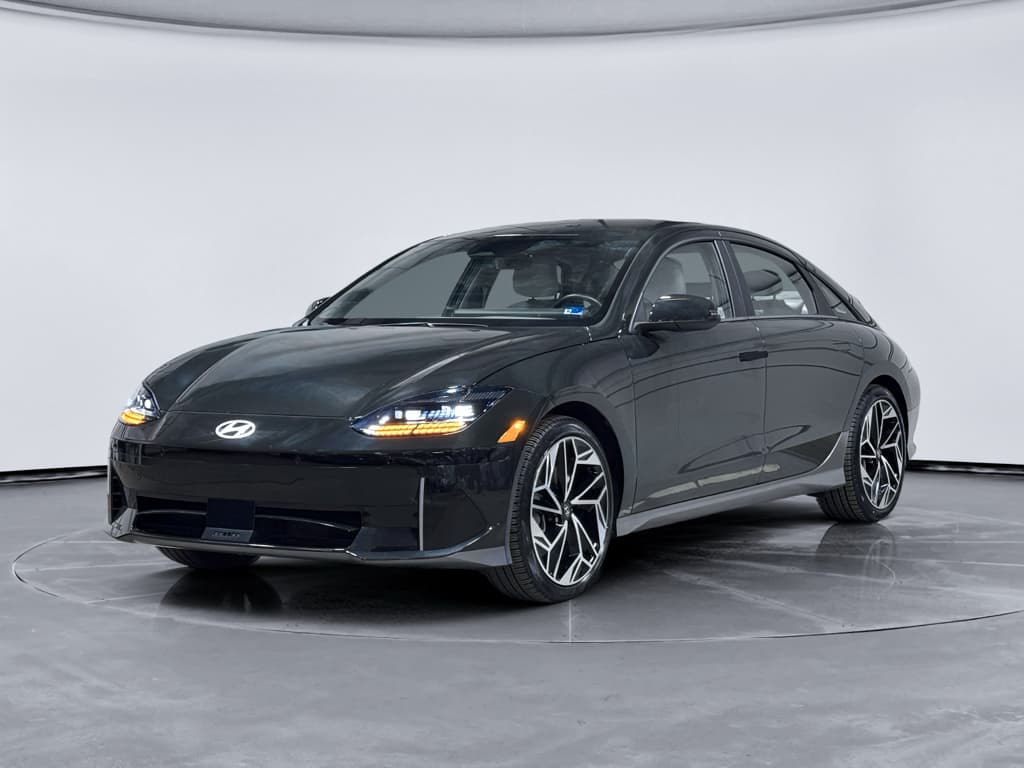
| 6 | Hyundai IONIQ 6 | Midsize sedan | Efficient, long-range sedan with mostly software‑level complaints rather than hardware failures. |
| 7 | Porsche Taycan (post-refresh) | Performance sedan | Later years show improved software and charging hardware versus early builds. |
| 8 | Genesis GV60 | Luxury crossover | Shares strong Hyundai Group EV platform; owners report few serious powertrain issues. |
| 9 | Ford Mustang Mach‑E (later builds) | Compact SUV | Early build glitches largely ironed out; recent years trend toward average or better reliability. |
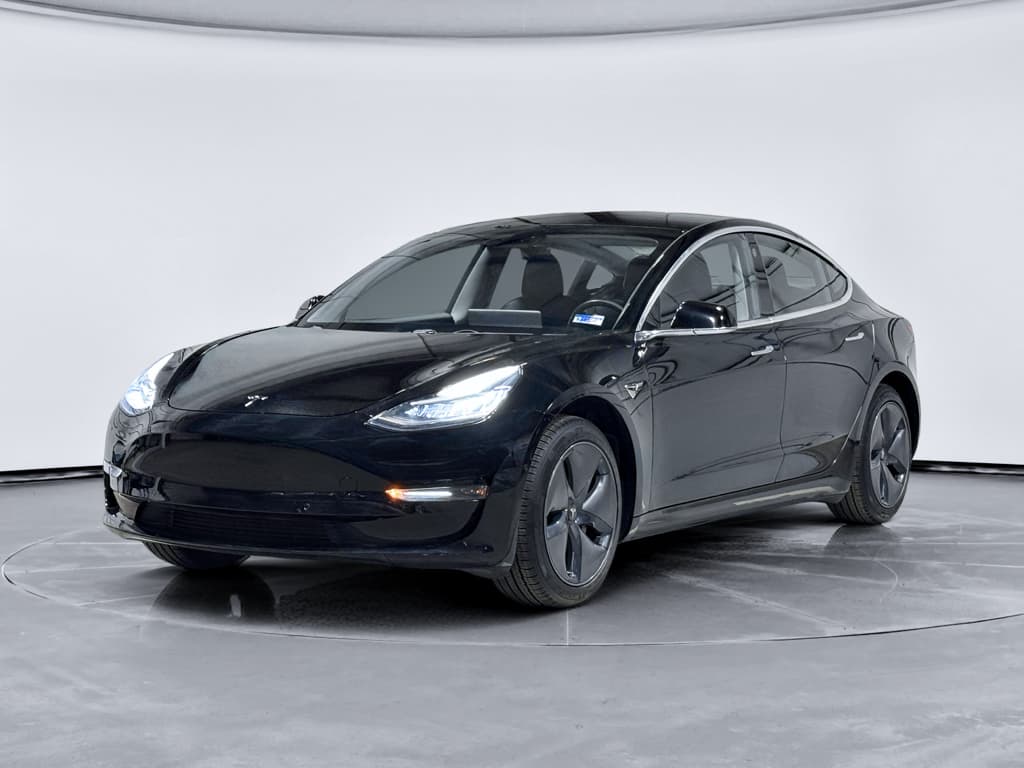
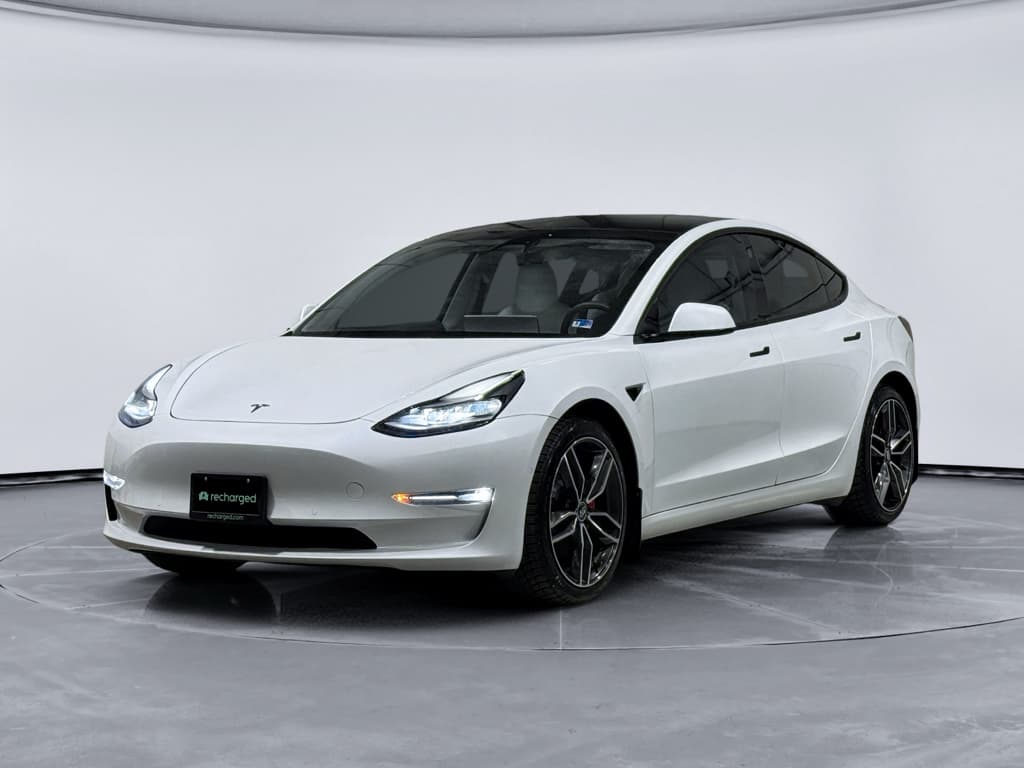
| 10 | Tesla Model 3 (2022+) | Compact sedan | Still one of the most robust Tesla models; most issues are trim and software rather than battery or motor failures. |
Always confirm scores for the specific model year you’re shopping, facelifts and new battery packs can move a model up or down.
Shop the sweet spot years
Used EV reliability standouts to target
If you’re shopping used, you care less about theoretical survey scores and more about what actually holds up after 30,000 or 70,000 miles. A few models have quietly built great reputations on the used lot.
Used EVs that age especially well
Models we regularly see with strong batteries and low reconditioning costs
Tesla Model 3 (2019+)
Kia Niro EV
Hyundai Kona Electric / IONIQ family
Where Recharged fits in
Ready to find your next EV?
Browse VehiclesBattery health: what really matters long term
The number‑one fear with used EVs is, “What if the battery is toast?” The good news: across brands, catastrophic battery failures are rare. What you’re really watching is gradual capacity loss, how much range the pack has lost compared with when the car was new.
Key drivers of battery longevity
- Fast‑charging habits: Frequent DC fast charging at high states of charge can accelerate wear, especially on older chemistries.
- Climate: Very hot climates stress packs; look for active thermal management and check how the car was used.
- Mileage vs. age: Low‑mileage city cars can be harder on packs than highway commuters if they sit fully charged for long periods.
What to look for when buying used
- Ask for a state of health (SoH) reading from a scan tool or a third‑party report like the Recharged Score.
- Compare the current typical range to the original EPA rating.
- Check whether the battery is still under factory warranty, often 8 years/100,000 miles or more.
Normal vs. concerning degradation
Reliability by EV type: sedan vs SUV vs truck
Not all EV categories are at the same maturity level. Compact sedans and crossovers have several product cycles behind them now. Full‑size electric trucks and three‑row SUVs are newer, heavier and more complex, factors that can hurt early reliability.
How segments stack up for reliability
If you want low drama, these patterns matter more than badges
Compact sedans & hatches
Small & compact SUVs
Large SUVs & trucks
Be cautious with first‑generation heavy EVs
How to check an EV’s reliability before you buy
The right model is only half the battle. Two identical EVs can age very differently depending on software updates, climate and how carefully previous owners charged them. Here’s how to stack the odds in your favor on an individual car.
Pre‑purchase reliability checklist for any EV
1. Research model‑year changes
Search by <strong>model + year + “reliability”</strong>. A car that scores well in 2025 doesn’t mean the 2021 version was trouble‑free, or vice versa.
2. Scan the battery and high‑voltage system
Get a <strong>professional battery health report</strong>, and ask for any stored trouble codes for the inverter, DC‑DC converter and onboard charger.
3. Check recall completion
Use the VIN to confirm that all safety recalls and key software campaigns have been completed. Many EV fixes are quick OTA updates, but they still matter.
4. Inspect charging behavior
On the test drive, plug into AC and, if possible, a DC fast charger. Watch for error messages, slow ramp‑up or unexpected charging interruptions.
5. Test every powered feature
Electric seats, power liftgates, cameras, door handles, heated steering wheels, <strong>these are where many EV annoyances live</strong>. Take ten minutes and try everything.
6. Review service history
Look for evidence of regular maintenance, software updates and any major repairs. Gaps in history are a bigger red flag with tech‑heavy EVs.
Leverage EV‑specialist inspections
Big EV reliability myths, separating signal from noise
EV reliability is a magnet for half‑truths. Some owners genuinely have bad experiences; others conflate software annoyances with mechanical disasters. To make a smart choice, you need to know which fears matter and which you can mostly ignore.
- “All EV batteries die after 8 years.” Most modern packs are designed to retain the majority of their capacity past the warranty window if not abused.
- “Tesla is unreliable, full stop.” Tesla has recall and build‑quality issues, but the Model 3’s electric hardware is generally sturdy. Later years perform much better than early builds in owner surveys.
- “Legacy brands never have EV problems.” Traditional automakers have had their own EV stumbles, especially around infotainment systems and early charging hardware.
- “Software issues aren’t real problems.” If your backup camera or charging logic fails because of software, it still affects your day‑to‑day experience, and sometimes your safety.
When shoppers tell me they want the 'most reliable EV,' they usually mean: 'I want an electric car that behaves like a boring, dependable appliance.' That’s achievable today, you just have to be selective about model, year and how the last owner treated the battery.
FAQ: most reliable EV cars and battery life
Frequently asked questions about reliable EVs
Bottom line: how to choose a reliably boring EV
If your goal is an EV that simply works, starts every morning, charges when you tell it to, and doesn’t live at the service lane, you’ll want to combine the right model with a healthy individual car. Compact sedans and crossovers such as the BMW i4, Kia Niro EV, Hyundai IONIQ 6, Nissan Ariya and Tesla Model 3 have the best reliability stories so far, especially in their middle‑year updates.
From there, it’s all about due diligence: confirm the software and recall history, pull a real battery health report, and scrutinize the features that actually affect your daily life. If you’d rather not DIY that process, browsing inventory that already includes a Recharged Score Report, expert EV inspection and nationwide delivery can take much of the risk out of buying a used electric car, and help you land on an EV that’s reliably boring in all the best ways.