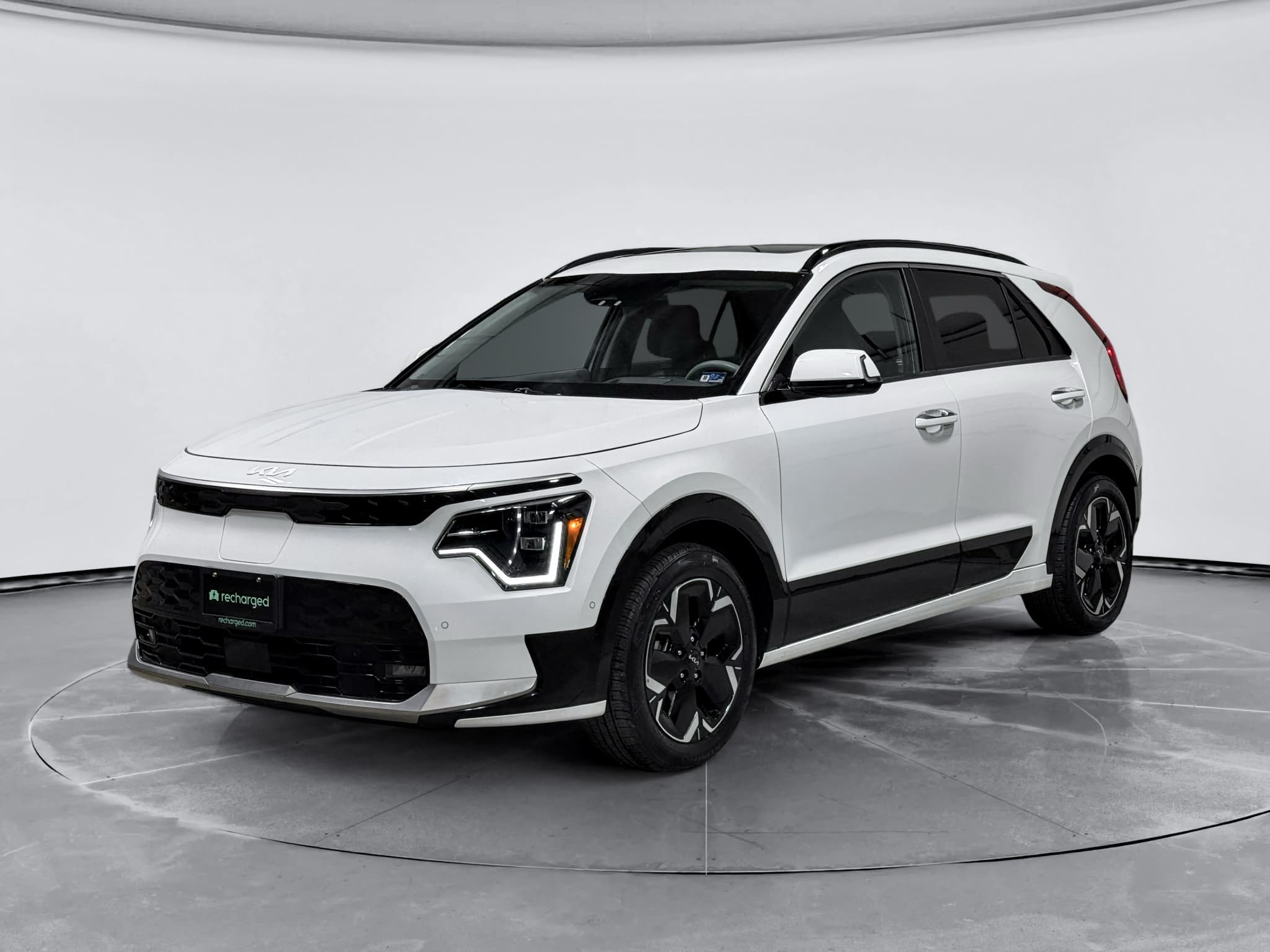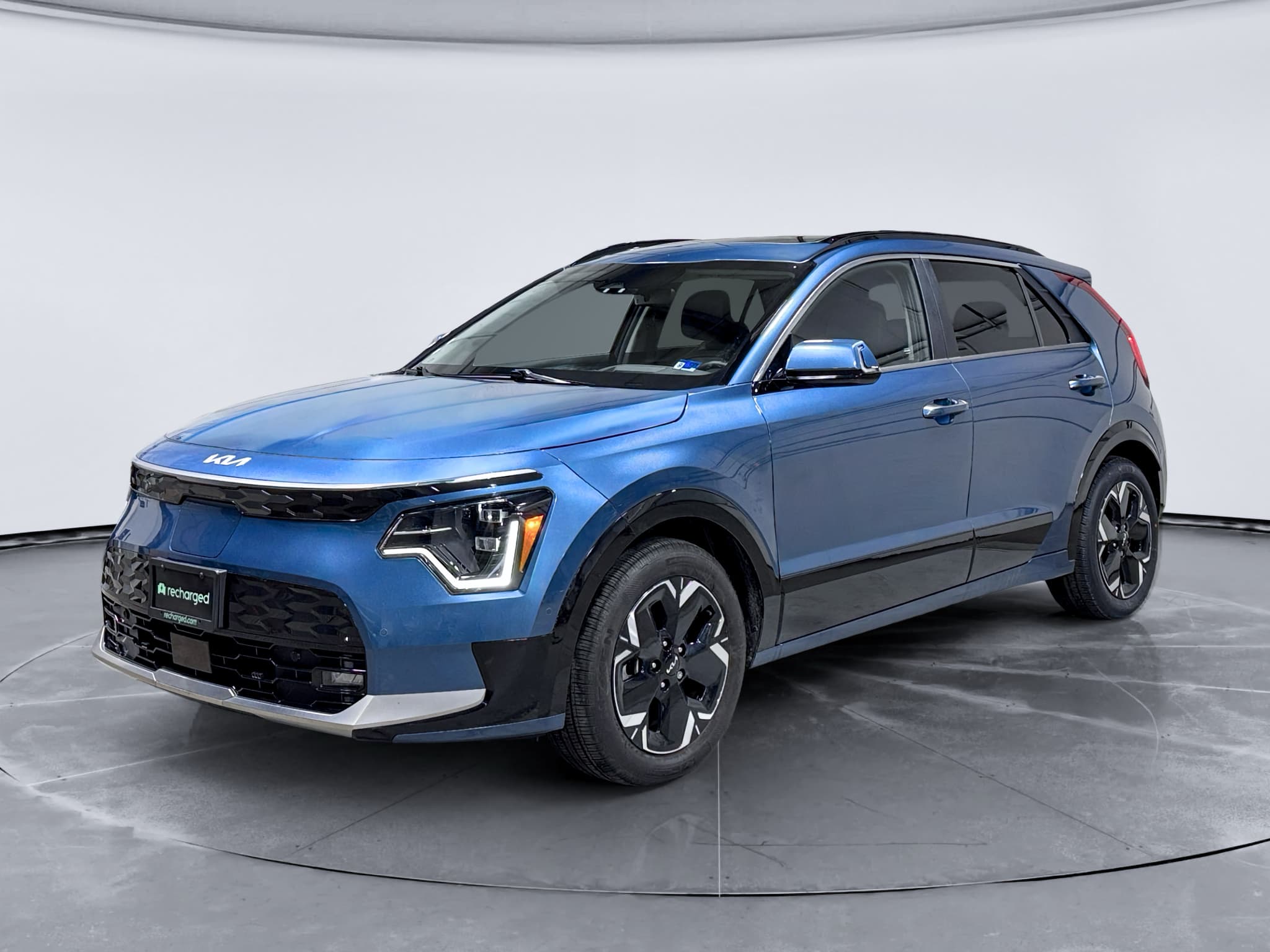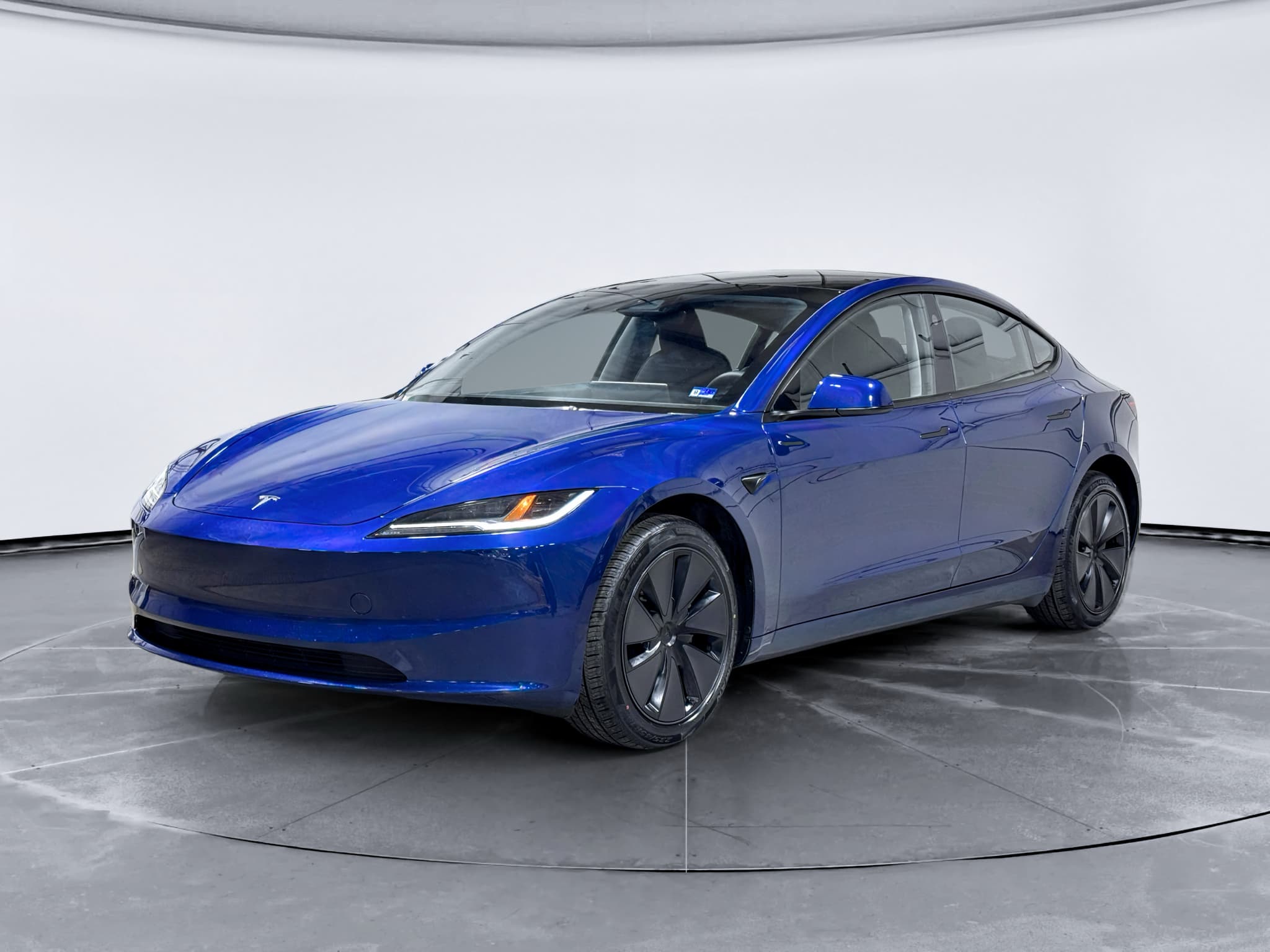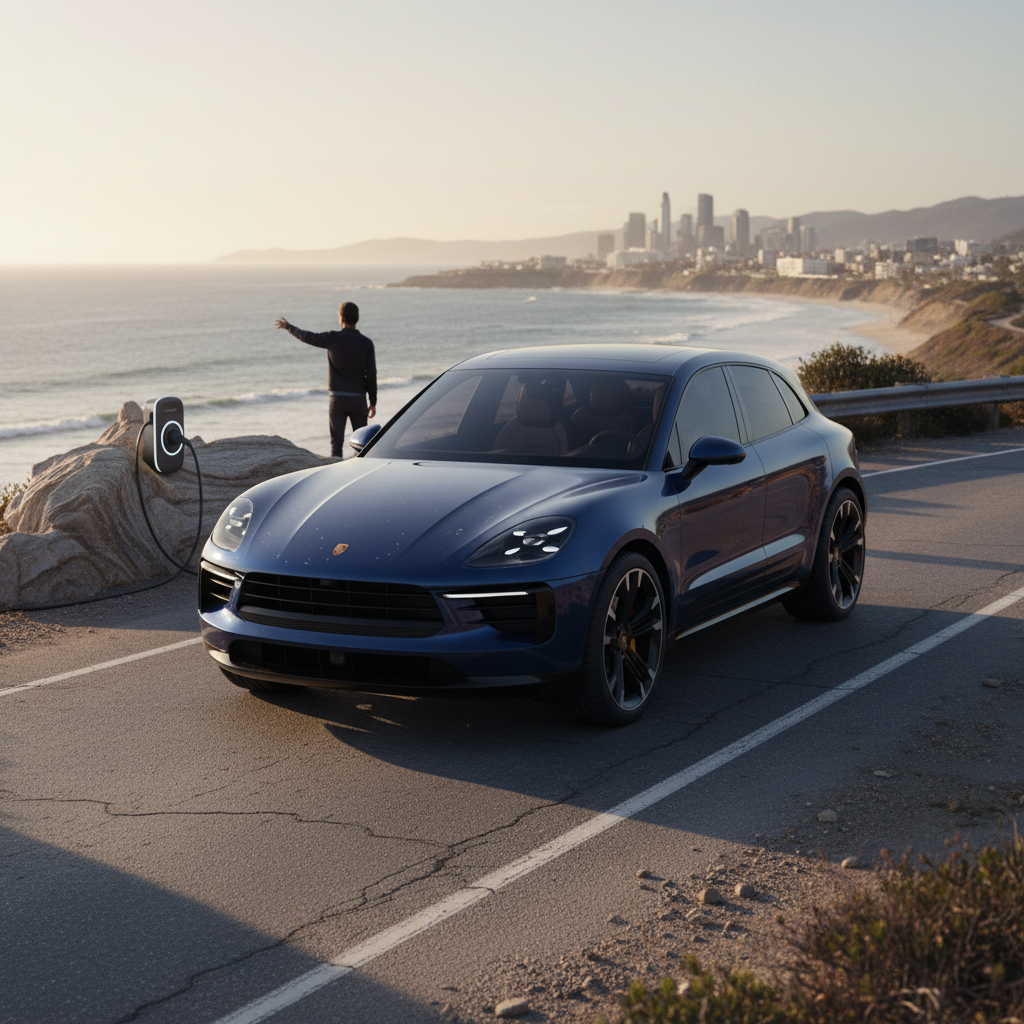
A reliable EV should start every morning, retain useful battery capacity, charge without drama, and make its technology feel invisible. On that broader definition, the Tesla Model 3 is the most defensible all-around choice from the models highlighted by the Recharged team. That isn’t a lifetime guarantee: in the used market, a verified EV battery-health report and a thorough inspection carry more weight than a model’s reputation.
Which EVs belong on the reliability shortlist?
The Tesla Model 3 leads this shortlist because Recharged team members repeatedly identify it as an easy EV to live with over time. The Model Y earns a place for the same reason, while the Lucid Air drew strong team enthusiasm and the Honda Prologue was described as a compelling new player. Those opinions support a practical shortlist, not a model-by-model failure-rate ranking.
Long-term EV choices at a glance
These models reflect the Recharged team’s long-term ownership discussion. The deciding distinction is how much confidence the available context supports, not a claim that any model is trouble-free.
| Model | Reliability case | Main unknown | Best for |
|---|---|---|---|
| Tesla Model 3 | Repeated ease-of-use pick | Condition varies | Most used-EV shoppers |
| Tesla Model Y | Same usability strength | Inspect each example | SUV buyers |
| Lucid Air | Strong team enthusiasm | Less long-term evidence | Luxury buyers |
| Honda Prologue | Promising new player | Too new to judge | Newer-SUV shoppers |
Recharged’s practical long-term EV shortlist
For the broadest range of used-EV shoppers, the Model 3 is the sensible starting point rather than an automatic purchase. Compare the specific car’s battery, charging performance, software functions, tires, brakes, suspension, and repair history before committing. If you need more cargo space, the Tesla Model Y applies much of the same ease-of-use case in an SUV-shaped package.
There’s a lot changing right now. As far as ease of use, Tesla Model 3, Tesla Model Y.
What Recharged’s data says about long-term condition
Recharged’s fleet data shows strong battery capacity overall, but it doesn’t identify a model-level reliability winner. Across 2,242 Recharged Score battery inspections, tested remaining capacity averaged 93.9% of original capacity and the median was 94.9%; tested real-world range averaged 266 miles and the median was 268 miles. Because these figures cover inspected EVs across the fleet, they show why measured condition matters without proving that every vehicle, or every Tesla, will deliver the same result.
Price also shapes whether a reliable EV is a rational long-term buy. Over the trailing 12 months, buyers paid a median retail price of $27,297 across 1,796 EVs sold by Recharged, while the average retail price was $29,901. Those are purchase-price benchmarks rather than reliability scores, but they show that a used-EV search can include very different vehicles and budgets; compare like-for-like age, mileage, condition, and battery health.
The takeaway is simple: fleet averages are reassuring, but the individual report makes the decision. A model with a sterling reputation can still be a poor buy if its tested capacity, charging behavior, or physical condition disappoints, while a well-inspected example of a less celebrated model may be the better car.
Recharged data
Used EV battery health
94%
avg remaining capacity
From Recharged battery inspections, not manufacturer estimates.
- Lowest
- 63%
- Median
- 95%
- Highest
- 100%
- Est. range
- 266 mi avg
- Cell balance pass
- 100%
- Quick charges
- 18 avg
- Slow charges
- 65 avg
Average cell imbalance: 7.3 mV
Based on vehicles Recharged tested
Recharged data
Recent EV sold prices
$27,297
median sold price
What buyers actually paid through Recharged, not list price.
- Lowest
- $500
- Average
- $29,901
- Highest
- $129,998
Monthly median sold price
Based on Recharged sales in the last 12 months
Every EV is battery-tested with a Recharged Score. Nationwide delivery.
Reliability is bigger than the battery
A healthy high-voltage battery is essential, but it doesn’t make the entire EV reliable. Long-term ownership also depends on charging hardware, software, climate control, cameras and sensors, suspension, tires, brakes, body condition, and access to competent service. Battery capacity tells you how much energy the pack can still hold compared with when it was new; it doesn’t certify every other system attached to it.
Don’t confuse battery health with total vehicle health
Software deserves particular attention because an EV’s screen often controls functions that would be separate buttons in another car. During a test drive, operate the phone key, navigation, cameras, driver-assistance settings, climate control, charging menus, and every physical control. Reliability is not just the absence of a warning light; it’s the confidence that the car’s essential functions will work without turning each trip into technical support.
How should you inspect a used EV?
You should inspect the battery, charging system, software, mechanical condition, and ownership support before choosing any used EV. Start with a vehicle-specific diagnostic report, then confirm that the real car behaves as the report suggests. A structured used-EV buying process is more dependable than choosing solely by brand or online reputation.
Used-EV reliability checklist
Verify battery capacity
Review tested remaining capacity and estimated real-world range rather than relying only on the dashboard estimate.
Test both charging paths
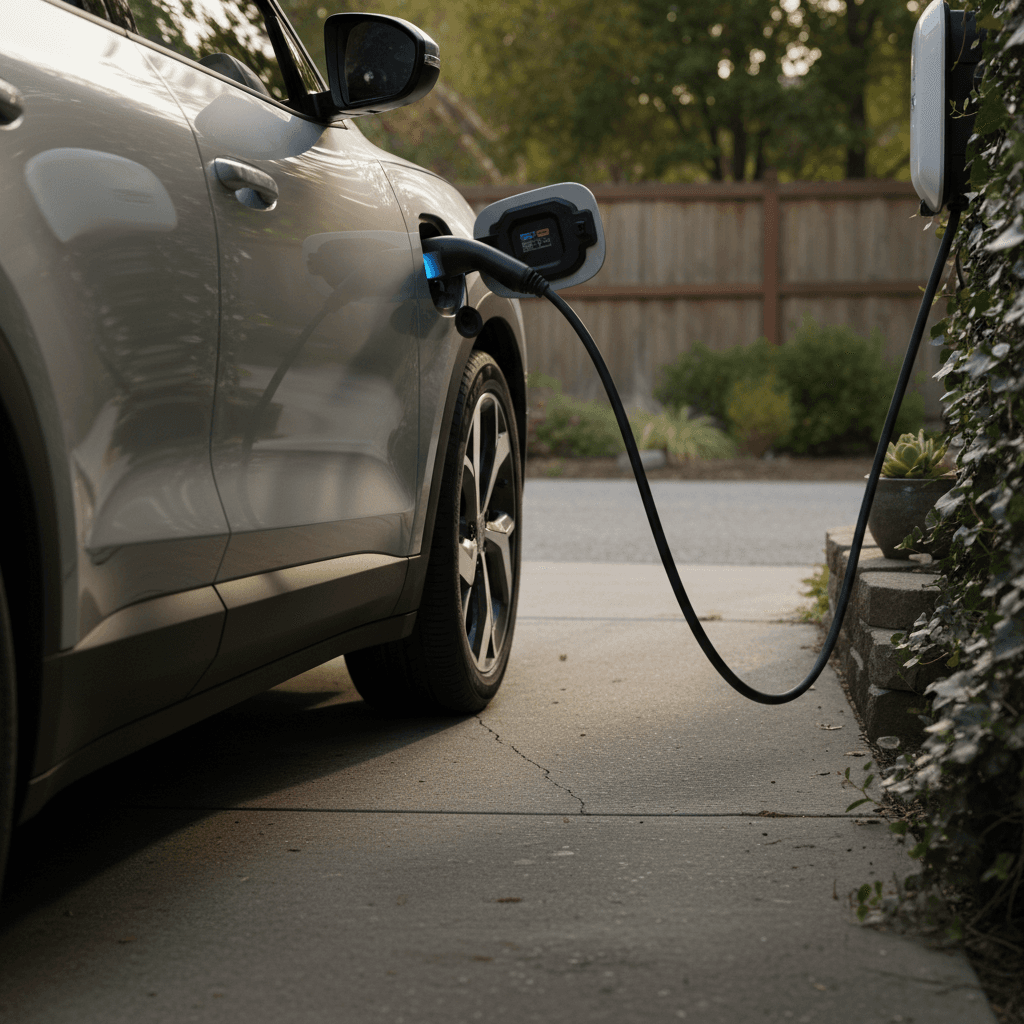
Confirm that the car accepts the charging equipment you expect to use and that its charge port and cable connections operate correctly.
Exercise the technology
Test the screen, phone key, cameras, navigation, climate controls, connectivity, and driver-assistance functions.
Inspect wear items
Check tires for uneven wear, listen for suspension noise, assess the brakes, and look for signs of previous body repair.
Match the car to your routine
Make sure its tested range, charging access, cargo space, comfort, and available service support fit your real driving.
Read the whole report
Use the Recharged Score Report to evaluate verified battery health, pricing context, and inspected condition together.
Pay special attention when the measured results and the car’s behavior disagree. Unexpected range loss, interrupted charging, persistent warning messages, inoperative technology, or unexplained noises deserve investigation before money changes hands. For model-specific context, a used Tesla Model 3 buying guide can help you organize the questions, but it should supplement, not replace, the inspection.
Instant offer, trade-in, or consignment. Pickup available.
Most reliable EV FAQ
The verdict: condition beats reputation
The Tesla Model 3 is the best place for most shoppers to begin, while the Model Y is the natural alternative if you need SUV space. Lucid Air and Honda Prologue deserve consideration for different buyers, but the supplied context doesn’t support declaring either the universal reliability champion. The winning purchase is ultimately the EV with verified battery health, sound physical condition, fully functioning technology, and a price that reflects all three, not simply the car wearing the most reassuring badge.