If you’re hunting for the most affordable electric sedan in 2026, you’re not alone. With new EV prices still higher than gas cars on average, but used EV prices falling sharply, picking the right sedan can save you thousands of dollars over the next few years. The challenge is cutting through hype and headline prices to understand what’s truly “affordable” once you factor in range, charging, insurance, and resale value.
What this guide covers
Why Affordable Electric Sedans Matter in 2026
EV Affordability Snapshot for 2026
In 2026, more buyers are cross-shopping electric sedans against compact gas cars and small crossovers. Models like the Nissan Leaf, Tesla Model 3, and Hyundai Ioniq 6 sit right in the sweet spot: they’re roomy enough for daily life, efficient on the highway, and typically cheaper to run than similarly sized gas sedans. The real story, though, is that used EV sedans, especially early Model 3s, Leafs, and Chevy Bolts, have depreciated far faster than comparable gas cars, which means a savvy shopper can get a lot of car for surprisingly little money.
Don’t chase price alone
Quick Answer: What Is the Most Affordable Electric Sedan in 2026?
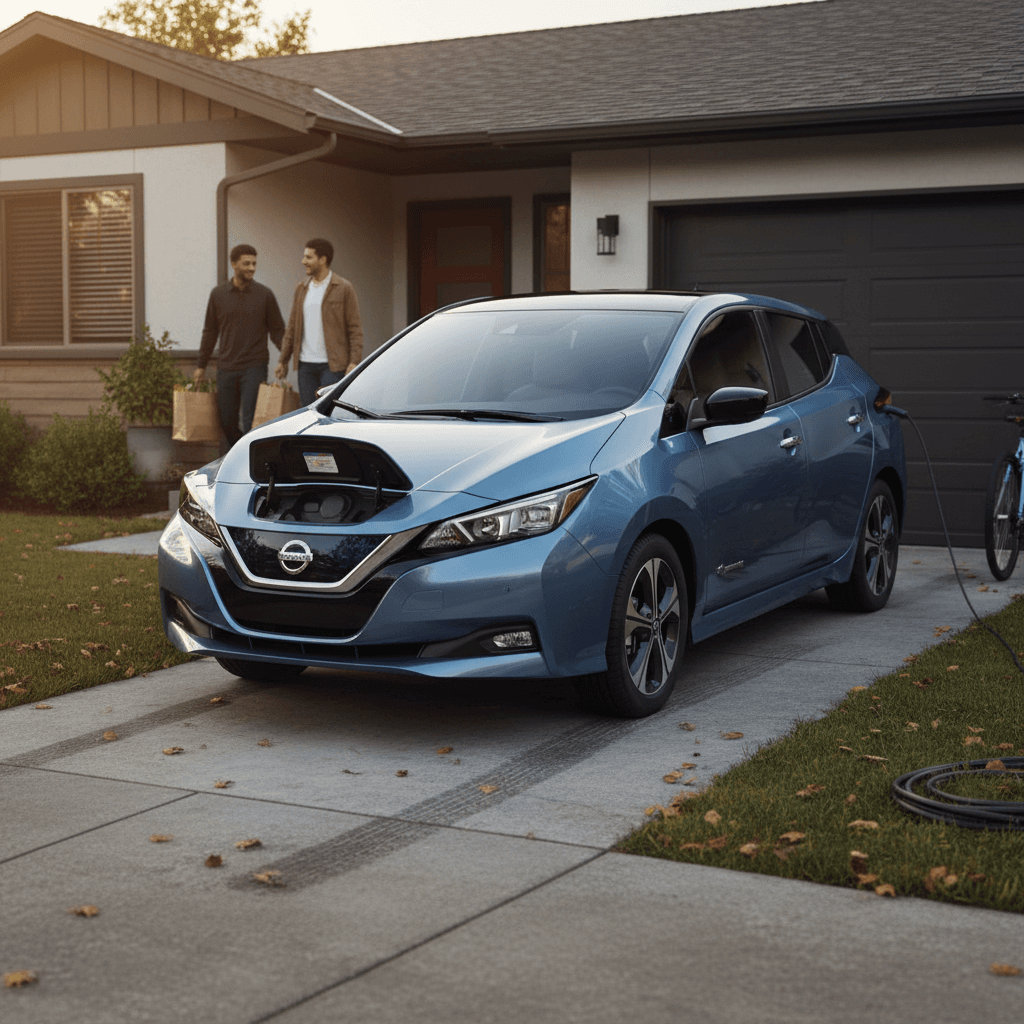
Cheapest New Electric Sedan: 2026 Nissan Leaf
The 2026 Nissan Leaf S+ is widely expected to be the least expensive new electric vehicle you can buy in the U.S. this year, with a starting price around $29,990 before destination charges and taxes. Higher trims like the Platinum+ push into the mid–$30,000s but still undercut many rivals while offering up to roughly 260–300 miles of range depending on configuration.
If your priority is lowest possible new-car price with usable range and mainstream brand support, the Leaf belongs at the top of your shopping list.
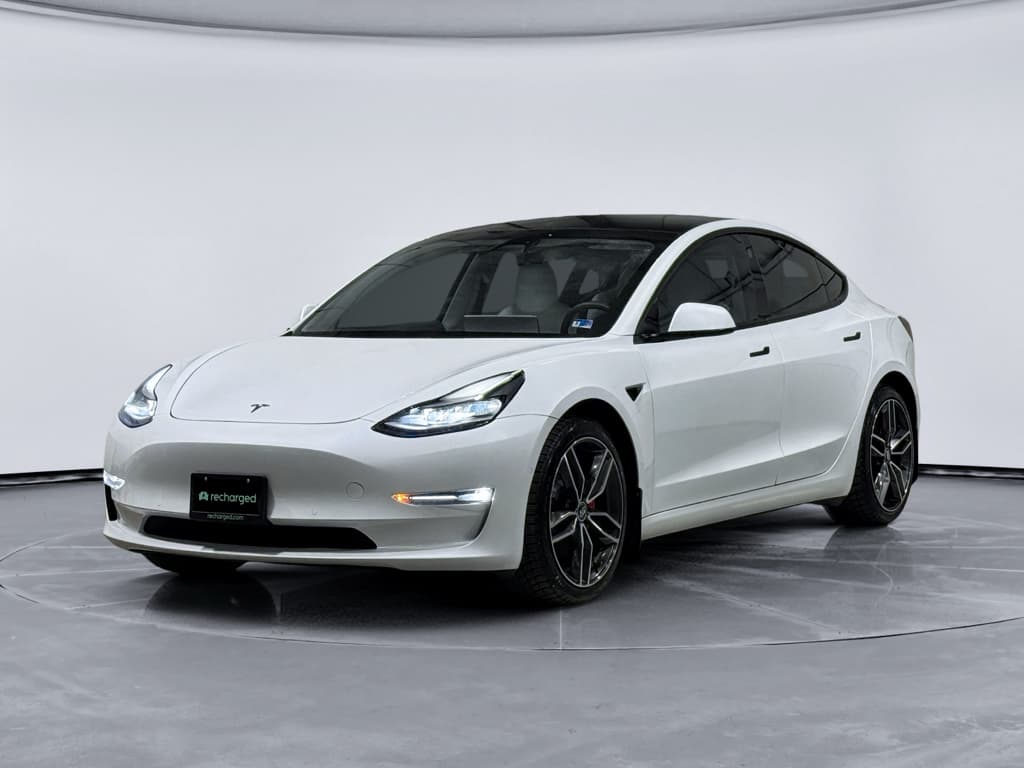
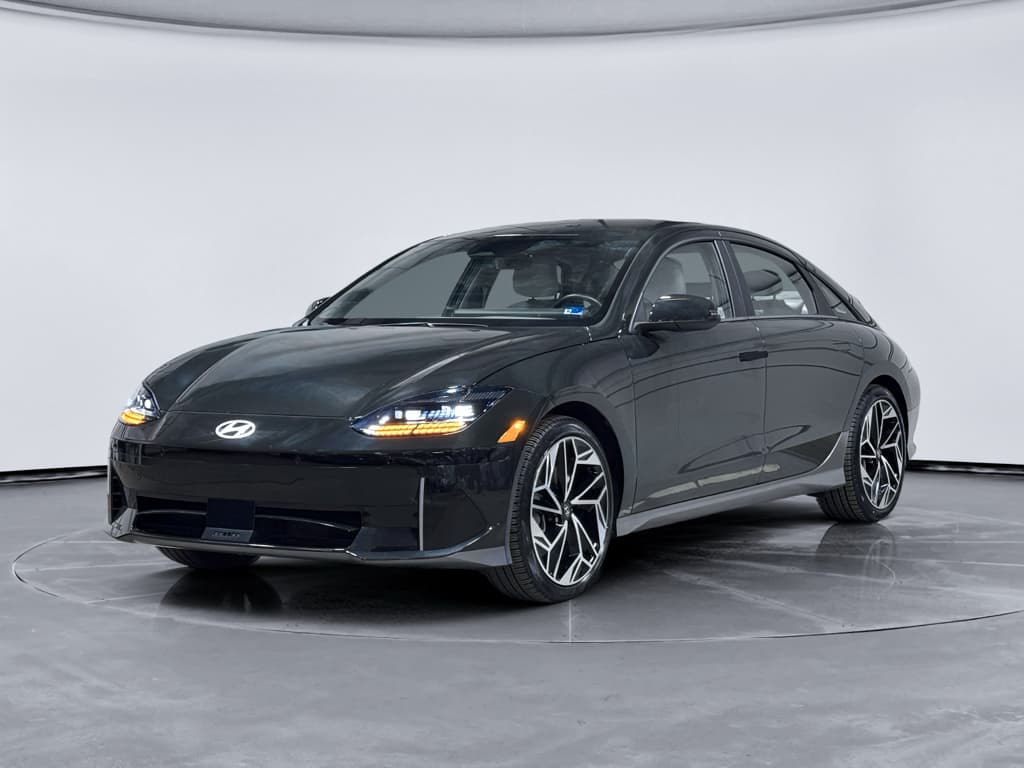
Best Overall Value: Used Tesla Model 3 or Hyundai Ioniq 6
For many shoppers, the best value electric sedan in 2026 won’t be brand-new at all. Lightly used examples of the Tesla Model 3 and early-build Hyundai Ioniq 6 often combine strong range, fast charging, and modern tech with prices that undercut new models by five figures.
Because used EV prices have dropped 30% or more in recent years, a well-sorted 2–4 year old Model 3 or Ioniq 6 can deliver more range and performance per dollar than almost any new budget EV, especially when you buy through a transparent used-EV specialist like Recharged.
Think "value per mile of range"
Top Affordable Electric Sedans for 2026
Let’s look at the standout affordable electric sedans you’re most likely to encounter in the U.S. market for 2026. Prices below are ballpark starting MSRPs; local taxes, fees, and any incentives will change what you actually pay. Always confirm current pricing with a dealer or listing before you sign.
Key Affordable Electric Sedans for 2026 (New)
Approximate 2026 starting prices and specs for mainstream affordable electric sedans in the U.S. market. Ranges are manufacturer estimates or real-world test figures where available.
| Model (2026 MY) | Body Style | Approx. Starting Price* | Est. Range (mi) | Notable Strength |
|---|---|---|---|---|
| Nissan Leaf S+ | Compact hatch/sedan-like | $29,990 | ~300 | Likely cheapest new EV; simple, proven platform |
| Nissan Leaf Platinum+ | Compact hatch/sedan-like | $38,990 | ~259 | Upgraded interior and features at still-accessible price |
| Tesla Model 3 Standard | Compact sedan | Mid–$30,000s | 270–300 | Strong charging network, tech, and resale value |
| Hyundai Ioniq 6 SE | Midsize sedan | High–$30,000s | 300–361 | Excellent efficiency and fast 800V charging architecture |
| Polestar 2 (value trims) | Compact luxury sedan | Low–$40,000s | ~270 | Premium feel, strong safety tech, solid range |
| BYD / other imports (select markets) | Compact sedan | Low–$30,000s | 250–300+ | Aggressive pricing where available, but limited U.S. presence |
These numbers are directional, not quotes, always verify the exact configuration and fees before purchase.
About non-U.S. models

Model Spotlights: Strengths and Weak Spots
What to know before you fall in love with a window sticker
Nissan Leaf (New Gen)
Best for: Lowest new-EV price with decent range.
- Expected to start just under $30,000 for S+ trim.
- Range competitive with more expensive rivals.
- Simple, proven formula that appeals to first-time EV buyers.
- Downside: Charging speed and tech may lag newer rivals.
Tesla Model 3
Best for: Long-term value and charging access.
- Huge Supercharger network and fast DC charging.
- Strong resale value versus many competitors.
- Minimalist interior and over-the-air updates keep it fresh.
- Downside: New prices crept up; base trims are bare-bones.
Hyundai Ioniq 6
Best for: Efficiency and road-trip comfort.
- Sleek sedan shape yields excellent highway efficiency.
- 800V architecture enables very quick DC fast charging.
- Spacious interior for a “budget” EV sedan.
- Downside: Sticker price may stretch some budgets.
Price vs. Value: How to Compare Cheap EV Sedans
When you’re comparing affordable electric sedans in 2026, don’t stop at the MSRP. Two sedans that are only $2,000 apart on the window sticker can differ by tens of thousands of dollars in total cost of ownership over 6–8 years. Range, charging speed, battery health, and resale value all play a role, and EVs exaggerate those differences more than gas cars do.
- Range per dollar: Divide real-world range by the out-the-door price to see how many miles of usable range you get for each dollar you spend.
- Charging speed and network: A slower-charging sedan might look fine on paper but can be painful on road trips or if public DC fast charging is your lifeline.
- Battery health and warranty: Battery packs are expensive; you want models with solid degradation histories and remaining warranty coverage, especially used.
- Depreciation: Some EVs lose value quickly; others (notably Tesla’s Model 3) tend to hold onto value better, which matters if you’ll sell or trade within 5–7 years.
Use "effective price" when incentives apply
New vs. Used: Where the Real Savings Are
Because new EV prices stayed relatively high while used EV values fell sharply from 2022–2024, 2026 is a sweet spot for budget-conscious shoppers willing to buy used. But you need to be smart about which sedans you consider and how you evaluate battery health.
Buying New in 2026
- Pros: Full factory warranty, latest safety tech, and potential access to new incentive structures.
- Best choices: 2026 Nissan Leaf S+/Platinum+, Tesla Model 3 Standard, Hyundai Ioniq 6 SE.
- You’ll pay more upfront, but you’re getting the latest battery chemistry and hardware.
- Ideal if you drive a lot and plan to keep the car for 8–10 years.
Buying Used in 2026
- Pros: Major depreciation already baked in; some used Model 3, Leaf, and Bolt sedans now list for the price of an economy car.
- Downside: Battery health varies widely; range loss and unknown charging history can be expensive later.
- Best choices: 2–5 year old Tesla Model 3, Hyundai Ioniq 6, Nissan Leaf, Chevy Bolt/Bolt EUV.
- Smart play if you want maximum value and are willing to prioritize battery condition over model year bragging rights.
Battery health can make or break a used EV deal
This is exactly where a marketplace built specifically for used EVs, like Recharged, can tilt the math in your favor. Every vehicle listed includes a Recharged Score Report with verified battery health, so you’re not guessing how much range you’ll have three winters from now.
Ownership Costs: What You’ll Spend After You Buy
Once you’ve narrowed down affordable electric sedans that fit your budget, zoom out and look at how much each candidate will cost to own. EVs shift costs away from fuel and routine maintenance and toward electricity, tires, and, eventually, battery health. Getting this math right is key to picking the true best-value sedan for 2026.
Four Big Cost Pillars for Affordable EV Sedans
Cheapest to buy isn’t always cheapest to own
1. Energy Costs (Electricity)
Most electric sedans cost far less per mile to power than gas cars, especially if you can charge at home on off-peak rates. High-efficiency sedans like the Hyundai Ioniq 6 and new Nissan Leaf stretch each kilowatt-hour further, multiplying those savings over 10,000+ miles a year.
2. Maintenance and Repairs
EVs skip oil changes and many common wear items, but tires (especially on heavier EVs) and brake fluid still matter. Simpler models like the Leaf tend to be inexpensive to maintain; performance variants with big wheels and sticky tires can quietly eat into your budget.
3. Insurance and Safety Tech
Insurance varies wildly by driver and region, but advanced safety systems and strong crash ratings can help. Mainstream sedans like the Model 3 and Ioniq 6 typically score well, which may offset higher collision repair costs compared with cheap gas sedans.
4. Resale and Depreciation
Some affordable EVs become screaming used bargains partly because they depreciated so fast. If you’re buying new, look closely at projected resale; if you’re buying used, that steep early depreciation is your friend, as long as the battery checks out.
How Recharged helps on the cost front
Ready to find your next EV?
Browse VehiclesHow Recharged Helps You Save on Used EV Sedans
If you’ve decided that the smartest move is a value-packed used electric sedan, like a previous-generation Tesla Model 3 or Nissan Leaf, your next challenge is avoiding guesswork. Traditional used-car lots rarely specialize in EVs, and most online listings gloss over the one thing that matters most: the battery.
Verified Battery Health
Every EV sold through Recharged includes a Recharged Score battery health diagnostic. Instead of hoping that a generic OBD scan is enough, you see battery capacity, thermal history, and likely future degradation in plain English.
Fair Market Pricing
Because Recharged focuses exclusively on EVs, pricing benchmarks reflect real-world EV depreciation, incentives, and demand, not just guesses based on gas cars. That matters a lot when you’re cross-shopping a used Ioniq 6 against a lightly used Model 3.
Flexible Shopping Experience
Recharged offers financing, trade-in, instant offer or consignment options, and nationwide delivery, plus an Experience Center in Richmond, VA. You can complete the entire purchase digitally with expert EV guidance along the way.
Leverage your current car
Checklist: Buying an Affordable Electric Sedan in 2026
Smart-Buyer Checklist for 2026 Electric Sedans
1. Set a total budget, not just a target payment
Decide how much you’re willing to spend all-in over the next 5–7 years, including charging, insurance, and expected maintenance. That prevents you from stretching to a flashy model that quietly wrecks your budget.
2. Decide new vs. used early
If you prioritize warranty and the latest tech, lean new. If you prioritize value per dollar and don’t mind being an owner or two removed, focus on used sedans with documented battery health reports.
3. Target at least 230–250 miles of usable range
For most drivers, that’s the sweet spot that handles daily commuting, errands, and occasional road trips with minimal planning. Shorter-range EVs can work if you have reliable home charging and rarely drive long distances.
4. Evaluate charging where you actually live and drive
If you can install Level 2 at home, prioritize models that are efficient and charge overnight. If you rely on public DC fast charging, give extra weight to sedans with stronger charging curves and better network access (for example, Tesla’s Model 3 using Superchargers).
5. Insist on a battery health report for used EVs
For a used Leaf, Model 3, Ioniq 6, or Bolt, treat a detailed battery assessment as non-negotiable. The <strong>Recharged Score Report</strong> is one example of the level of detail you should expect before putting money down.
6. Compare effective prices after incentives and fees
Ask dealers for an out-the-door quote that includes destination fees and doc fees. Then compare that against any federal or state incentives plus the cost savings of used models to get a true affordability picture.
FAQ: Most Affordable Electric Sedan 2026
Frequently Asked Questions About 2026’s Most Affordable EV Sedans
Bottom Line: Which Affordable Electric Sedan Should You Buy?
If you want the lowest new-car price in 2026, the redesigned Nissan Leaf is the clear front-runner among electric sedans, landing just under the $30,000 mark while offering range that finally feels competitive. Shoppers who can stretch a little further should give serious consideration to the Tesla Model 3 and Hyundai Ioniq 6, which deliver more range, faster charging, and stronger long-term appeal, even if the sticker price is higher.
But the smartest move for many value-focused buyers will be a well-vetted used electric sedan. Thanks to steep depreciation, a 2–4 year old Model 3, Leaf, Ioniq 6, or Bolt can cost similar money to a basic compact gas car while offering dramatically lower running costs. Just make sure you buy from a source that understands EVs and backs every listing with transparent battery health data.
If you’re ready to compare real vehicles, browse used electric sedans with verified Recharged Score Reports, fair market pricing, and expert EV support from first click to final delivery. That’s how you turn the promise of the most affordable electric sedan in 2026 into a car in your driveway that genuinely fits your life and your budget.