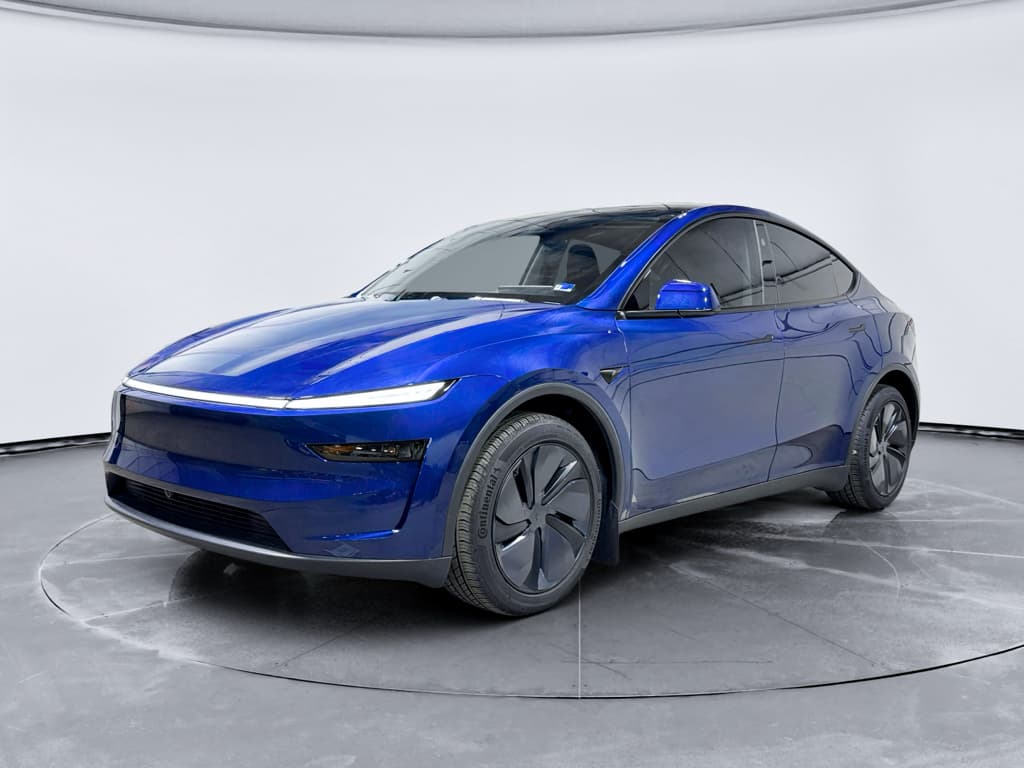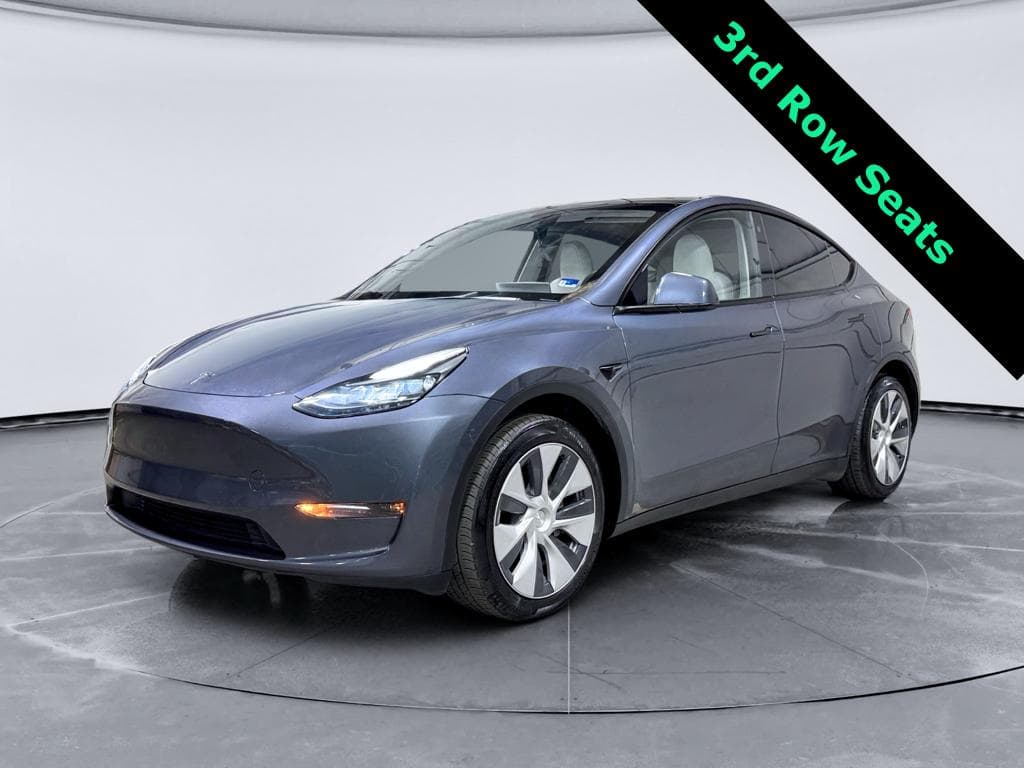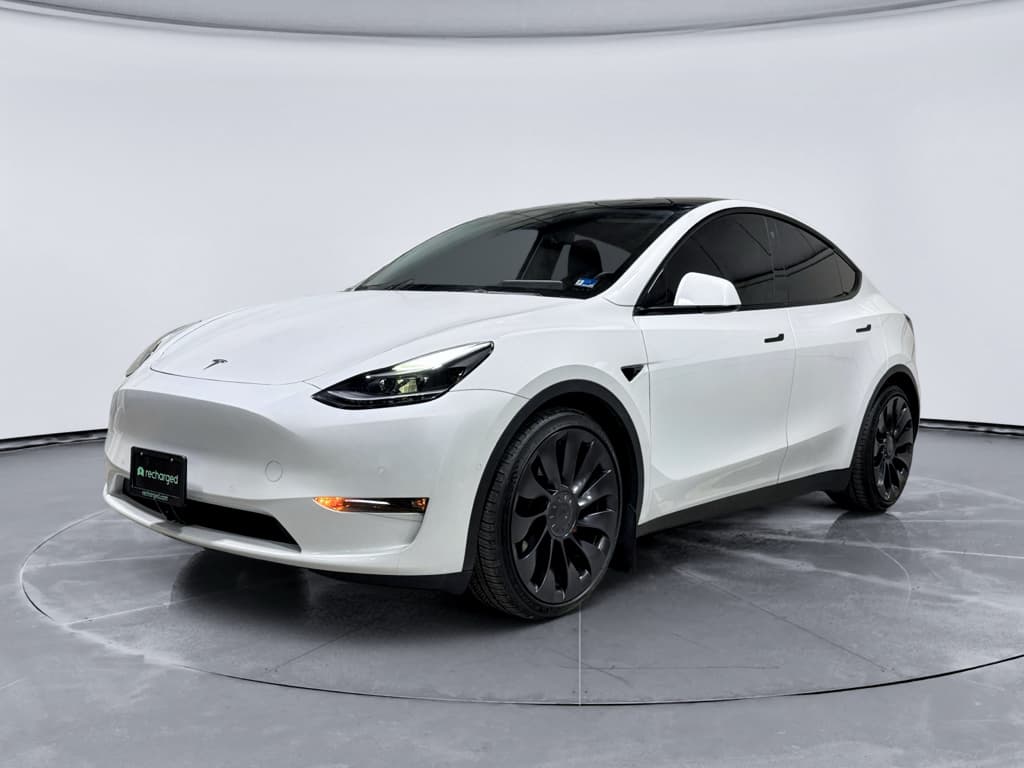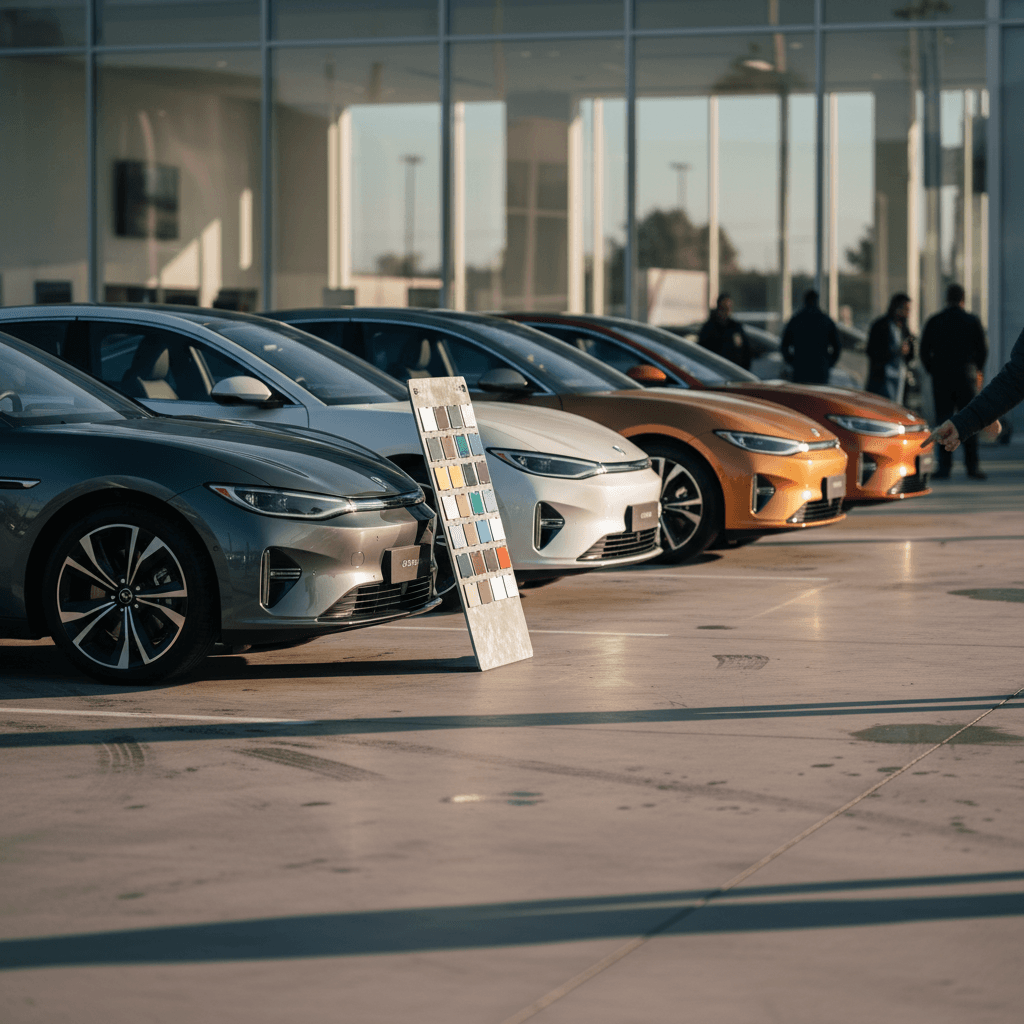
If you’ve spent time shopping for EVs lately, you’ve probably noticed a sea of white, black, and gray with the occasional blue or red breaking through. The most popular electric car colors in 2026 look a lot like the broader new‑car market, but there are a few EV‑specific twists that matter for range, resale value, and day‑to‑day ownership.
Quick take
Why electric car color matters in 2026
Color is still a deeply personal choice, but for EVs it’s more than aesthetics. The paint you pick can subtly influence perceived range, cabin temperature, cleaning effort, insurance repair costs, and how quickly your car sells on the used market. Because EV batteries are expensive and shoppers are cautious, buyers tend to favor “safe” colors that signal mainstream appeal and lower risk when it’s time to resell.
Three ways color changes the EV ownership experience
These don’t make or break your purchase, but they’re worth factoring in.
Heat & comfort
Cleaning & wear
Resale & demand
The most popular electric car colors in 2026
Automotive color reports from major paint suppliers like Axalta and BASF show a remarkably consistent story by 2024–2025: white is still the global #1 car color, followed by black and gray. In North America, grayscale colors (white, black, gray, silver) make up around 70–80% of new vehicles, including EVs. Blue is the dominant non‑neutral, with green quietly gaining share as brands lean into eco messaging.
Most popular electric car colors in 2026 (big picture)
These rankings mirror the overall car market, but EV lineups skew even more toward grayscale with a few signature colors per brand.
| Rank | Color | How common on EVs | Typical role in lineups |
|---|---|---|---|
| 1 | White | Very common | Often the default or no‑cost color on volume EVs; fleets and ride‑share love it. |
| 2 | Black | Very common | Popular on premium trims and performance EVs; associated with tech and luxury. |
| 3 | Gray (incl. Stealth/Carbon greys) | Very common | Default color on many newer EVs; reads modern and hides dirt fairly well. |
| 4 | Silver | Common | Less dominant than in the early 2000s but still widespread on crossovers and older EVs. |
| 5 | Blue | Moderately common | Go‑to chromatic for many brands; used on sporty or “EV‑special” trims. |
| 6 | Red | Moderately common | Usually an upcharge halo color on Teslas and other EVs; fewer cars but strong fanbase. |
| 7 | Green | Growing, from a low base | Showing up on crossovers and compact EVs as manufacturers lean into eco and outdoorsy vibes. |
| 8 | Other colors (yellow, orange, brown, etc.) | Rare | Limited runs, special editions, or region‑specific offerings. Often niche in the used market. |
Approximate ranking of EV colors in 2026, based on global and North American color‑popularity reports and EV model offerings.
Neutrals vs. standout colors
EV-specific factors that make some colors smarter
A color‑popularity chart looks the same whether you’re talking about gas cars or EVs. But once you get into the details, heat management, efficiency, and how buyers think about expensive batteries, some shades make more sense than others for electric vehicles specifically.
1. Heat and energy use
On a sunny day, a black car can run significantly hotter than an identical white car. That means your AC has to work harder to cool the cabin, pulling energy from the battery. The difference in overall range is modest for most drivers, but if you live in Phoenix or Miami and sit in traffic a lot, a light color can make the car easier to live with.
It’s not a reason to avoid black or deep blue entirely, but it’s a tie‑breaker if you’re already on the fence.
2. Cabin and interface reflections
EVs lean heavily on big screens and glass roofs. Very light dashboards paired with pale exterior colors can sometimes cause reflections and glare on screens or the windshield. Many automakers now tune their trim options to mitigate this, but if you’re sensitive to glare, pay attention to how the color combo feels in midday sun during a test drive.
3. Perception of battery health and age
EV shoppers are tuned into battery life and technology age. Neutral colors like white, black, and gray age more gracefully and make it harder to visually date a car from across the lot. Wild colors tied to one model year or special edition can feel dated more quickly, even if the battery is healthy.
4. Repair costs on complex finishes
Multi‑layer or highly saturated colors like candy reds and color‑shift blues often require more skill and time to repair. If a prior owner has scraped a bumper and it’s repainted poorly, it stands out more than it would on a simple white or gray. When you’re buying used, always inspect high‑impact areas up close and from multiple angles under good light.
Don’t overestimate color’s impact on range
How color affects used EV resale value
In the used market, color is mostly about liquidity, how quickly the car sells and how many buyers are competing for it. On EVs, where shoppers are already sorting by battery health, model year, and charging speed, an unusual color can either help a car stand out or leave it sitting on the virtual lot longer.
Typical resale impact of popular EV colors
This table summarizes how common colors tend to behave in the U.S. used‑EV market by 2026. Actual prices still depend far more on battery health, mileage, trim, and incentives.
| Color group | Buyer appeal | Time‑to‑sell tendency | Pricing vs. similar EVs |
|---|---|---|---|
| White | Very broad (fleets + individuals) | Often among the quickest to move | Usually tracks market average; sometimes a small premium on crossovers. |
| Black | Broad on premium/performance EVs | Moves quickly in urban and luxury‑oriented markets | Near market average; strong if condition is excellent. |
| Gray / graphite | Very broad, especially on SUVs | Fast seller; considered modern and practical | Often at or slightly above average thanks to wide appeal. |
| Silver | Broad but a bit older‑leaning | Moves steadily, sometimes slightly slower than gray | Typically at market average. |
| Blue | Moderate but loyal fanbase | Sells quickly on popular EVs (Model 3/Y, IONIQ 5, etc.) | Can command a small premium if it’s a signature brand color. |
| Red | Niche but passionate | Can be slightly slower outside enthusiast circles | Sometimes a mild premium on performance trims, slight discount elsewhere. |
| Green and other unusual colors | Narrower appeal, depending on region | Can be slower in conservative markets, faster in trendier ones | Pricing more volatile; great if you find the right buyer, softer if you don’t. |
Color has a small but real influence on how quickly a used EV sells, and how close it sells to market‑average pricing for that model.
Where Recharged comes in
Ready to find your next EV?
Browse VehiclesBrand examples: Tesla, Hyundai, and others
Even within the same color family, different brands lean on paint to tell different stories. By 2026, EV makers are using color portfolios to separate mainstream commuter trims from tech‑forward or enthusiast variants.
How popular EV brands use color in 2026
Same broad palette, different strategies.
Tesla
Hyundai / Kia
Volkswagen, Volvo & others
How to choose the right color for your used EV
You don’t need to reverse‑engineer every Axalta chart to pick a smart EV color. Instead, think in terms of climate, how long you’ll keep the car, and how sensitive you are to resale timing versus finding something you love looking at every day.
EV color decision checklist
1. Start with your climate
If you live in a hot, sunny region, a lighter color like white, silver, or light gray can mean a cooler cabin and slightly less AC load. In cooler or cloudier climates, you have more freedom to pick darker colors without noticing much difference day to day.
2. Decide how long you’ll keep the EV
If you expect to sell in 2–3 years, sticking with white, black, or gray keeps you aligned with mass‑market taste. If you’ll keep it 7–10 years, buy the color that makes you happy, it’ll be depreciated either way.
3. Consider where and how you park
Street‑parked black or deep blue EVs show dust, bird strikes, and micro‑scratches quickly. If you don’t have covered parking or enjoy detailing, a mid‑tone gray or silver is more forgiving. White hides light dust but shows darker road grime and tar.
4. Think about matching wheels and trim
On many EVs, paint interacts heavily with wheel color, black trim, and glass roofs. Before you commit, scroll through a few photo galleries or visit a showroom to see how your preferred color looks with the wheels and interior you actually want.
5. Check local inventory and pricing
On the used market, common colors often mean more cars to choose from and more leverage on price. With Recharged, you can filter used EVs by color, compare similar listings, and see how price and mileage trade off across different shades.
6. Prioritize condition over perfection
A clean white or gray car with excellent battery health and a solid Recharged Score is a better buy than your dream red or blue EV with a tired pack or sketchy accident history. Use color as a tiebreaker once the fundamentals check out.
Shopping tip
Common myths about EV colors
- “Black EVs have terrible range.”, In reality, paint color has minor influence on real‑world range compared with temperature, speed, tires, and HVAC use.
- “White always has the best resale value.”, White is a safe bet, but gray, black, and silver perform just as well in many segments; rare blues and reds can outperform in enthusiast niches.
- “Bright colors are a bad idea on EVs.”, If you’re buying a Model 3 Performance or an IONIQ 5 N, the right red or blue can be a selling point for the next owner, not a liability.
- “You shouldn’t worry about color when buying used.”, Color won’t fix a weak battery, but it does affect how fast you can sell and how many buyers show up when you’re ready to move on.
FAQ: Electric car color questions, answered
Frequently asked questions about 2026 EV color trends
Bottom line: what to do as an EV shopper
In 2026, the most popular electric car colors are still the usual suspects: white, black, gray, and silver, with blue and green playing increasingly important supporting roles. For most buyers, the smart move is to pick a color that fits your climate and your tolerance for cleaning, then let market‑standard neutrals serve as your default choice if you’re sensitive to resale timing.
When you step into the used‑EV world, focus first on battery health, charging capability, and total cost of ownership. Then let color refine your shortlist rather than drive it. At Recharged, every car comes with a transparent Recharged Score Report, so you can see exactly how factors like color, condition, and equipment stack up against the broader market, and choose the EV that feels right when you see it in your driveway every day.