If you’re shopping for an EV, you’ve probably seen headlines that electric cars can be pricey to insure. That’s especially true at the top end of the market, where a handful of performance and luxury models compete for the title of **most expensive electric car to insure**. The good news: once you understand what drives those premiums, you can avoid the worst surprises, and often bring the cost down.
Key takeaway
Why some electric cars are so expensive to insure
Insurers don’t care how much fun your EV is to drive, they care how much it costs to put back together after a bad day. Modern battery packs, aluminum body structures, complex sensors and panoramic glass all raise the stakes. When a collision pushes into the battery area or bends a structural member that’s bonded to the pack, a repair that might have been manageable on a gas SUV can total a six‑figure electric one.
EV insurance in 2026 at a glance
Big picture
Which electric car is most expensive to insure right now?
Exact rankings change as rates move and new models launch, but for 2025–2026 data in the U.S., one name keeps surfacing near the top: the **Tesla Model X**. National studies of EV insurance premiums routinely show the Model X with annual full‑coverage costs well north of **$4,500 per year**, and sometimes higher depending on the trim and driver profile.
Right behind it are other big, powerful EVs that combine high purchase prices with complex repairs:
- **Tesla Cybertruck** – Radical design, stainless bodywork and early production volumes have translated into unusually high premiums in many markets, often **more than double the national average** auto rate.
- **GMC Hummer EV Pickup/SUV** – Extreme weight, oversized wheels and massive power make this a specialty product, with annual premiums commonly in the mid‑$4,000s or more for full coverage.
- **Mercedes‑AMG EQS** – A six‑figure luxury sedan packed with tech and bespoke parts; several insurance rate studies put AMG‑tuned EQS variants near or above the Model X in yearly cost.
- **Tesla Model S Plaid and other performance sedans** – Supercar‑level acceleration means more expensive claims when things go wrong, and insurers price that in.
Important nuance
Most expensive EVs to insure in 2026 (snapshot)
Representative 2025–2026 annual full‑coverage premiums for high‑cost EVs
These example figures assume a 40‑year‑old driver with a clean record, good credit and typical full‑coverage limits. Your own rates may be higher or lower.
| Electric vehicle | Type | Typical new MSRP range | Representative annual premium | Why it’s expensive to insure |
|---|---|---|---|---|
| Tesla Model X | 3‑row luxury SUV | $80,000–$100,000+ | $4,700–$5,700 | High purchase price, complex falcon‑wing doors, expensive body and battery repairs. |
| Tesla Cybertruck | Full‑size pickup | $60,000–$100,000+ | $4,800–$6,000+ | New platform, stainless body, limited repair data and high claim severity so far. |
| GMC Hummer EV Pickup/SUV | Off‑road performance truck/SUV | $80,000–$115,000+ | $4,500–$5,500 | Very heavy, massive wheels/tires, complex battery and off‑road hardware. |
| Mercedes‑AMG EQS | High‑performance luxury sedan | $130,000+ | $4,800–$5,800 | Six‑figure sticker price, AMG‑specific parts, extensive driver‑assist tech. |
| Tesla Model S (incl. Plaid) | Performance sedan | $75,000–$115,000 | $4,000–$5,000 | Strong performance, aluminum body structure and costly glass/panoramic roof repairs. |
| Audi e‑tron GT / RS e‑tron GT | Luxury performance sedan | $110,000+ (RS) | $4,000–$4,800 | Low‑volume performance EV with expensive body and suspension components. |
| BMW iX | Luxury SUV | $90,000–$115,000 | $4,000–$4,700 | Carbon‑intensive structure, intricate interior tech and large battery pack. |
Use this table as a directional guide, not an exact quote. Always compare live quotes for your ZIP code.
Don’t guess, get real quotes
On the other side: which EVs cost less to insure?
Not every electric vehicle is an insurance budget‑buster. Smaller, less expensive models with mainstream parts and strong safety records often land closer to, or even below, comparable gas vehicles. Recent insurance‑rate roundups have highlighted several EVs as comparatively affordable to insure:
- **Nissan Leaf** – Mature design, modest power and relatively simple construction tend to keep premiums in check. Many national studies consistently place the Leaf near the bottom of EV insurance cost rankings.
- **Chevrolet Equinox EV** – A mass‑market compact crossover. In at least one 2025 study, the Equinox EV ranked among the very cheapest new EVs to insure in the United States.
- **Hyundai Kona Electric, Kia Niro EV and similar small crossovers** – Compact size, strong crash‑test scores and wide parts availability help hold down collision and comprehensive costs.
- **Entry trims of Tesla Model 3 and Model Y** – While not “cheap” to insure, they’re generally far less expensive than Model X, Model S or Cybertruck coverage and may compare reasonably with other compact luxury vehicles.

Used EV sweet spot
How EV insurance compares to gas cars
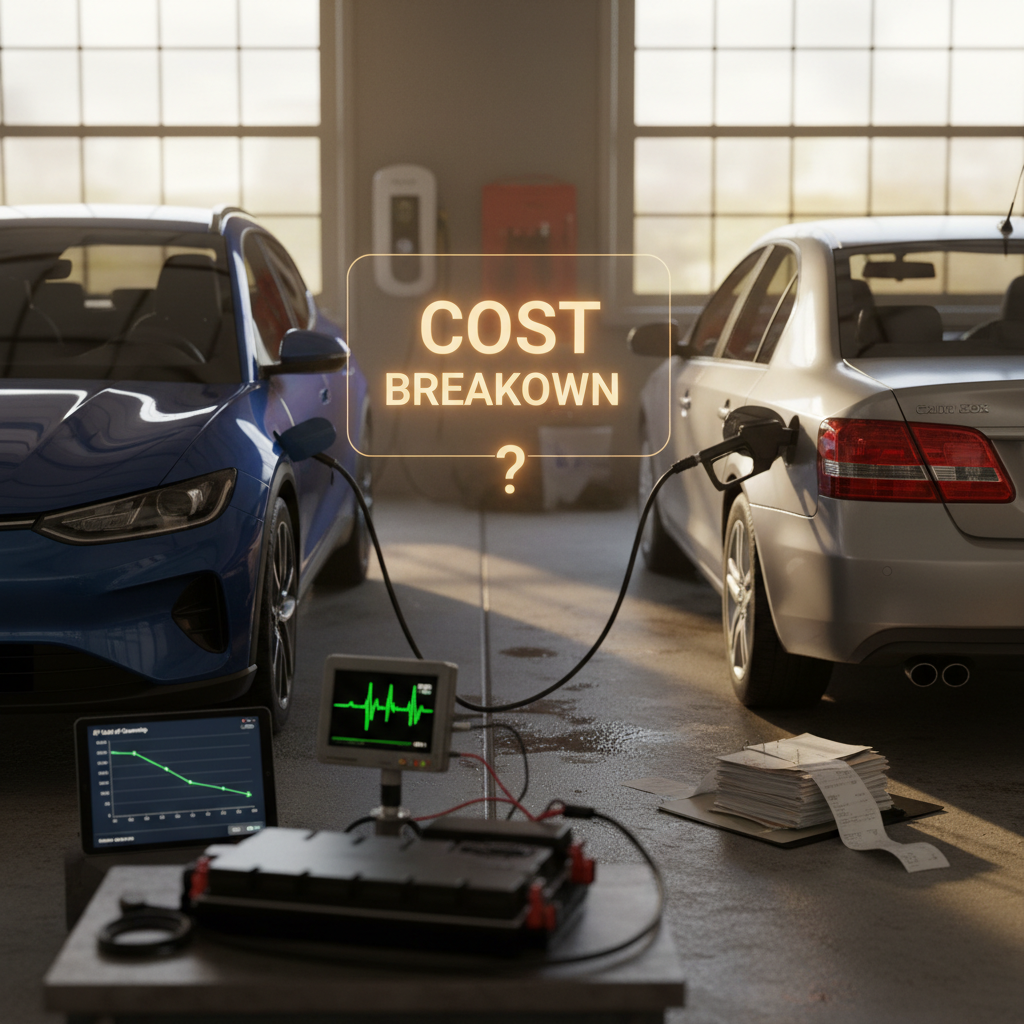
Across the market, electric‑car insurance is still running higher than coverage for comparable gas models, though the gap has begun to narrow as more repair data comes in and more insurers get comfortable pricing EV risk.
- Recent national studies often show **average full‑coverage EV premiums around $4,000 per year**, versus roughly **$2,700–$3,000** for similar gas vehicles.
- Some state‑level analyses have found EV owners paying **30–50% more** for insurance, and in certain states with higher repair and labor costs the difference can approach **double** the gas‑car rate.
- Over a 10‑year ownership period, one well‑regarded total‑cost‑of‑ownership analysis estimated that EV drivers could spend about **$16,000 on insurance** versus **$14,000 for a comparable gas car**, even as they save thousands at the pump and on maintenance.
Where EVs cost more
- Collision repairs often run higher because of batteries, sensors and aluminum or composite body structures.
- Comprehensive claims (hail, vandalism, flooding) sometimes total out EVs that would be repairable if they were gas models.
- Rental coverage costs can climb when repairs take longer due to part availability and limited EV‑trained body shops.
Where EVs save you money
- Fuel is dramatically cheaper per mile in most regions when you charge at home.
- Maintenance tends to be lower, no oil changes, fewer moving parts and less brake wear thanks to regeneration.
- Depreciation on some used EVs has already happened, creating good values in the pre‑owned market.
8 factors that make an electric car expensive to insure
If you remember nothing else, remember this: insurers price **risk and repair cost**, not hype. Here are the big levers that push an EV toward the top of the insurance charts.
What drives high EV premiums?
These eight ingredients frequently show up in the most expensive electric cars to insure.
1. Purchase price and performance
2. Battery placement and repairability
3. Limited repair networks
4. Advanced tech and glass
5. Weight and torque
6. Real‑world safety and claim history
7. Where you live and park
8. Coverage choices and deductibles
Shop the model, not just the brand
10 ways to lower EV insurance costs, without switching cars
Maybe you already own a pricier EV, or you’ve fallen in love with one that won’t win any “cheapest to insure” awards. You’re not out of options. Here are practical levers you can pull to tame the bill.
Action plan to cut EV insurance costs
1. Shop multiple insurers, not just your current one
Different carriers treat EV risk very differently. A model one company dislikes might be perfectly acceptable to another. Get quotes from at least three insurers and compare **total package**, not just the headline number.
2. Adjust deductibles thoughtfully
Raising your comprehensive and collision deductibles from, say, $500 to $1,000 can cut annual premiums on a costly EV by hundreds. Just be sure you have enough cash reserves to comfortably cover the higher out‑of‑pocket hit.
3. Fine‑tune coverages you actually need
You don’t want to skimp on liability limits, but you might be able to trim extras like rental or roadside coverage if your EV brand or credit card already provides them. Review each line item and decide whether it earns its keep.
4. Ask about EV‑specific discounts
Some insurers now offer price breaks for factory driver‑assist systems, built‑in security features, participation in OEM telematics programs or verified low annual mileage, areas where EV owners often shine.
5. Bundle home and auto
Traditional advice still applies. If you own a home, or even renters insurance, bundling with the same carrier that covers your EV can unlock meaningful multi‑policy discounts.
6. Use telematics or a usage‑based program
If you’re a smooth driver who mostly commutes at off‑peak hours, a plug‑in device or smartphone app that tracks your driving can earn double‑digit discounts. Just make sure you’re comfortable with the data‑sharing tradeoffs.
7. Improve garaging and security
Parking in a locked garage, adding cameras or using factory motion‑sensing alarms can help, especially in dense urban areas where vandalism and theft claims hit EVs hard.
8. Keep your record clean
Speeding tickets, at‑fault accidents and distracted‑driving violations hit high‑value EVs especially hard. Defensive‑driving courses and cautious driving can pay off more than you think.
9. Re‑shop at key milestones
Premiums can change as your EV ages, as more repair data comes in, or after you move to a new state. Re‑quoting every 12–24 months is particularly important with rapidly evolving electric‑car insurance data.
10. Consider dropping some coverage on an older paid‑off EV
If you own a lower‑value used EV outright, there may come a point where carrying full collision and comprehensive doesn’t pencil out. Run the math on the car’s market value versus what you’re paying in premiums.
Buying a used EV? Make insurance part of the deal
Used EVs are one of the best values in the market right now. Prices have softened, technology has improved and a lot of early‑adopter depreciation is already in the rear‑view mirror. But the **most expensive electric cars to insure** can stay expensive even when they’re a few years old, and some budget‑friendly models get even easier on the wallet as they age.
Smart insurance moves before you buy
- Get VIN‑specific quotes for any used EV you’re serious about, ideally before you sign anything.
- Compare several trims of the same model. A performance package or larger wheel option can change insurance tiers.
- Check safety and theft data for that model year; some early EVs improved dramatically after mid‑cycle updates.
How Recharged fits in
- Every vehicle on Recharged comes with a Recharged Score Report that documents battery health and key condition items.
- That transparency can help you shop insurers confidently, since you know you’re not buying someone else’s hidden battery problem.
- Our EV specialists can help you think through total cost of ownership, including a realistic insurance line item, before you commit.
Use quotes as a negotiating tool
How Recharged helps you see insurance in the full EV cost picture
In my years covering car buying and leasing, I’ve seen too many shoppers over‑focus on the monthly payment and ignore the rest of the cost stack. With EVs, especially those that rank among the most expensive electric cars to insure, that’s a recipe for regret.
Why a transparent used‑EV marketplace matters
Insurance is easier to manage when the car’s history and health aren’t a mystery.
Verified battery health
Fair‑market pricing
Expert guidance
Insurance will keep evolving as EVs move from niche to mainstream. For now, the most expensive electric cars to insure cluster at the top of the performance and luxury ladder. If you stay realistic about what it costs to cover those vehicles, shop your quotes carefully and fold premiums into your total cost‑of‑ownership math, especially when you’re shopping used through a transparent retailer like Recharged, you can enjoy electric driving without dreading your renewal notice every six months.