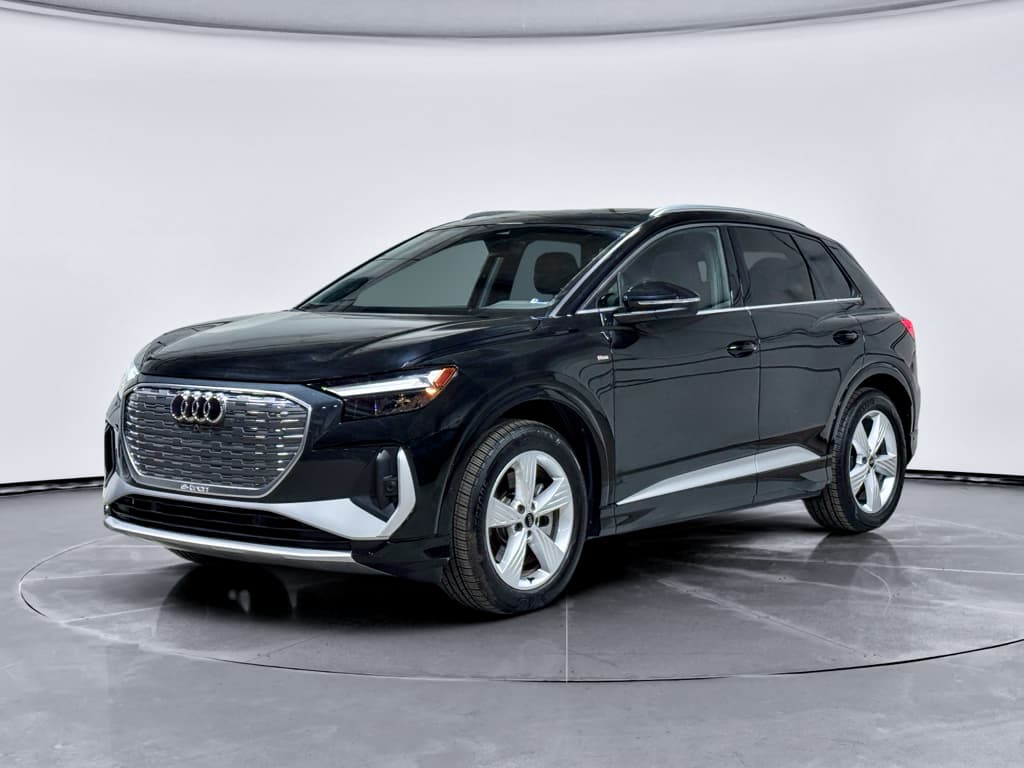
If you own an Audi Q4 e-tron, you’re sitting on one of the more desirable luxury EV SUVs on the used market, yet where you choose to sell it can swing your payout by thousands of dollars. The best place to sell an Audi Q4 e-tron in 2025 isn’t always your local Audi dealer or the first instant‑offer site you click. It’s the buyer that understands EVs, values your battery correctly, and doesn’t bury you in hassle and hidden fees.
Quick answer
Why where you sell your Audi Q4 e-tron matters
The Audi Q4 e-tron is still relatively young as a model line, which means a lot of traditional buyers don’t quite know what to do with it. Franchise dealers worry about future battery costs. Generic used‑car sites lean on conservative algorithms. But shoppers, especially EV upgraders, love a clean, warrantied Q4. In other words, there’s a spread between what some buyers will pay you and what others will pay for the same car a week later.
Audi Q4 e-tron resale snapshot (early 2025)
Why this matters for you
How much is my Audi Q4 e-tron worth right now?
Most 2022–2025 Audi Q4 e-tron models in average‑to‑clean condition trade in the low‑to‑mid $30,000s, with newer, low‑mile 2024–2025 examples stretching into the $40,000s depending on trim and options. Tools like Kelley Blue Book, Edmunds, and CarGurus show a similar story: the Q4 took the early luxury‑EV hit, then values largely stabilized.
- Model year and trim (40 vs 50, Premium vs Prestige)
- Mileage versus that 12k‑per‑year baseline
- Battery health and remaining high‑voltage warranty
- Accident history and service records
- Color, wheels, and option bundles (the usual used‑car fashion show)
- Where you live and how much Q4 inventory is already nearby
Pro move
The main options for selling your Audi Q4 e-tron
The marketplace for a used EV looks crowded, dealers, classifieds, auction‑driven sites, one‑click instant buyers, but they’re not all playing the same game. Here are the main lanes you can choose from when deciding the best place to sell an Audi Q4 e-tron.
Four common ways to sell your Audi Q4 e-tron
Each balances price, effort, and risk differently.
1. Dealer trade‑in (Audi or multi‑brand)
Fast and familiar. You roll in with one car, roll out with another.
- Pros: Simple, good for negative equity, tax advantage in some states.
- Cons: Often the lowest number on an EV like the Q4, because dealers price in future battery risk.
2. Generic online instant‑offer sites
Think national used‑car websites promising a quote in minutes and pickup at your door.
- Pros: Low friction, no haggling in a showroom, fast payment.
- Cons: Algorithms don’t always “see” high‑value options or strong battery health; offers can be revised at inspection.
3. Private party sale
You list the Audi Q4 e-tron yourself on classifieds or marketplace sites and deal directly with buyers.
- Pros: Highest theoretical price if you find the right buyer.
- Cons: Test‑drive logistics, tire‑kickers, financing drama, scams, and zero protections if the buyer claims an issue later.
4. EV‑focused marketplace (like Recharged)
Specialized platforms built for electric vehicles that understand battery health, incentives, and EV buyers.
- Pros: Typically stronger pricing for clean Q4s, EV‑educated buyers, support through paperwork and logistics.
- Cons: Not yet in every market; timelines can be a bit longer than an on‑the‑spot dealer trade.
Best place to sell Audi Q4 e-tron: side‑by‑side comparison
Zoom out, and the choice of where to sell your Audi Q4 e-tron is a simple triangle: price, speed, effort. You typically get to pick two. Here’s how the main options stack up for a typical US seller.
Where should you sell your Audi Q4 e-tron?
How the major selling channels compare for a typical Q4 e-tron in good condition.
| Option | Typical Price vs. Private Sale | Time & Effort | Best For | Biggest Risk |
|---|---|---|---|---|
| Dealer trade‑in | Lowest (often -$3k to -$6k) | Fast, minimal work | Rolling equity into a new car, avoiding hassle | Leaving thousands on the table if your Q4 is clean and well‑specced |
| Generic online instant buyer | Low‑to‑mid (often -$2k to -$4k) | Fast offer, moderate effort at inspection | Sellers who want convenience without dealership games | Offer drops at inspection, limited EV nuance |
| Private sale | Highest potential | Slow, high effort | Sellers with time, strong local demand, and comfort managing strangers | Safety, scams, financing issues, post‑sale disputes |
| EV‑focused marketplace (Recharged) | High (often near private‑sale net) | Moderate effort, guided | Owners with healthy batteries who want strong price and support | Slightly longer timeline than a same‑day trade‑in |
No two cars, or buyers, are identical, but this table reflects how most Q4 sellers experience the market.
So what’s the “best place”?
When a dealer trade-in actually makes sense
Dealer trade‑ins have a terrible reputation among enthusiasts, often deserved. But there are scenarios where trading in your Audi Q4 e-tron at a dealer is the least bad idea, or even a smart one.
Trade‑in can be the right move if…
- You’re deep in negative equity and need the numbers massaged into a new loan.
- You’re in a state where a trade‑in tax credit lowers sales tax on the new car, offsetting some lost value.
- Your Q4 has cosmetic or minor mechanical issues that private buyers will overreact to, but a dealer can recondition cheaply.
- You absolutely must be out of the car this week.
Trade‑in is usually a bad move if…
- Your Q4 is clean, low‑mile, and well‑optioned with warranty remaining.
- You’ve kept solid service history and the battery is healthy.
- You’re not locked into buying another car immediately.
- You can tolerate a bit of paperwork and a couple extra days.
Watch the shell game
Getting top dollar with an EV‑focused marketplace
Electric vehicles live and die on two things: battery health and the story behind the car. An EV‑only marketplace is designed around both. That’s why, if you’re asking about the best place to sell an Audi Q4 e-tron rather than a 10‑year‑old gas crossover, the answer almost always involves a specialist.
Why EV‑first marketplaces often pay more for your Q4
They see value where others see risk.
1. Battery health is priced correctly
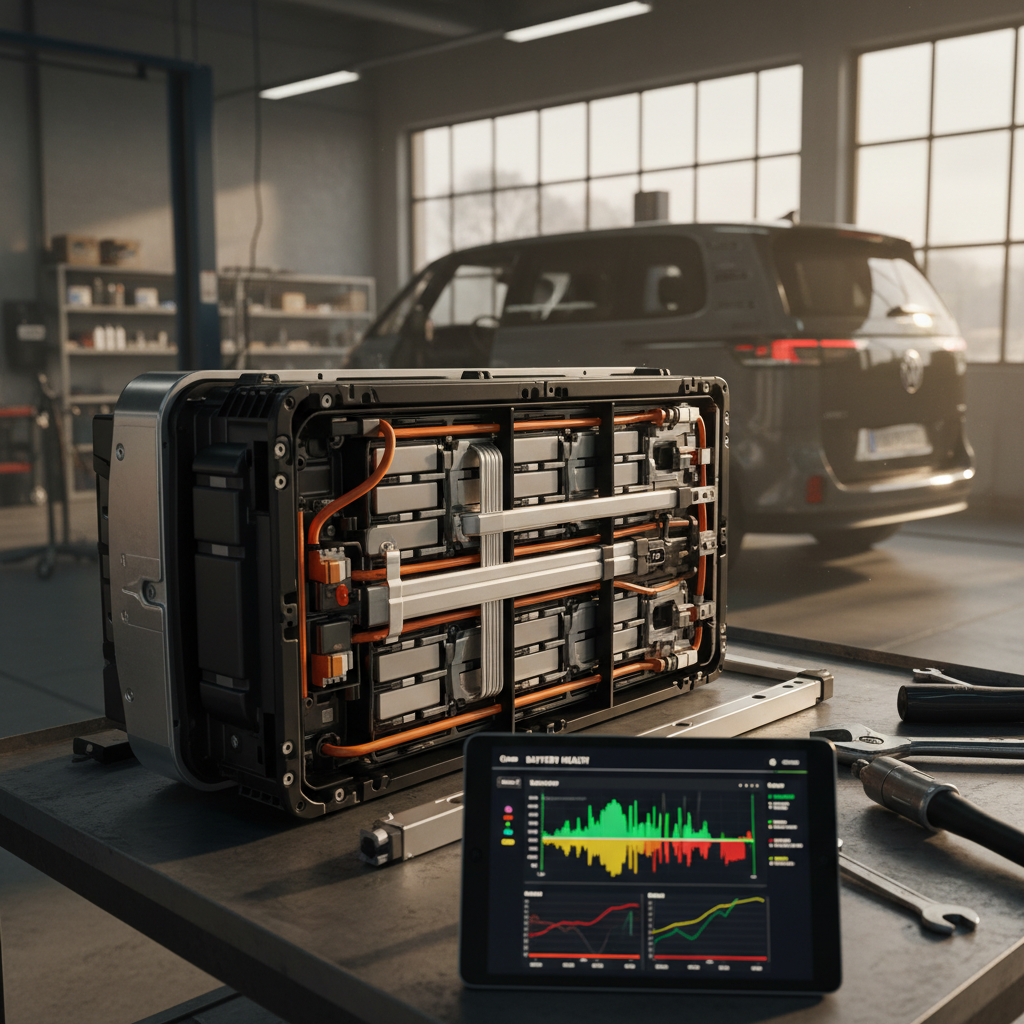
Instead of guessing, EV marketplaces lean on battery diagnostics and degradation data. A healthy pack with warranty remaining is money in your pocket, not a reason to lowball you.
2. The right buyers are watching
The shoppers on these platforms are already shopping for EVs, many of them specifically for a Q4‑sized premium SUV, so your listing isn’t fighting minivans and base sedans for attention.
3. Less friction, more transparency
From digital paperwork and remote inspections to clear pricing breakdowns, the whole experience is built to be more transparent than a dealer desk and less DIY than private sale.
On Recharged, for example, every Audi Q4 e-tron comes with a Recharged Score Report that verifies battery health, checks pricing against live market data, and shows how that particular SUV’s depreciation compares with similar EVs. That same tooling works in your favor as a seller: you’re not just taking someone’s word that your Q4 is worth less because “EVs are risky.”
How Recharged can help you sell

How battery health and warranty change your offers
Under the skin, your Audi Q4 e-tron is a big battery pack on the Volkswagen MEB platform. Audi backs that battery with an 8‑year / 100,000‑mile high‑voltage warranty in the US, typically covering defects and excessive degradation. That warranty is usually transferable to the next owner, which is music to a used‑EV buyer’s ears.
- A Q4 with low miles and minimal degradation under, say, four or five years old should command a premium versus book values.
- If your car is near the end of its battery warranty window, some buyers, especially dealers, will shade their offers more heavily.
- Documented software updates and campaign work on the high‑voltage system reassure EV‑savvy buyers and marketplaces that the car has been cared for.
- Any history of battery repairs or module replacement needs to be disclosed, but with documentation, it doesn’t automatically torpedo value.
Battery health proof = leverage
Step‑by‑step checklist before you list or get offers
Before you click “Get Offer” or throw your Q4 onto a classifieds site, spend a weekend tightening up the story. You’re not just selling a car; you’re selling confidence about an expensive battery and an unfamiliar technology to the next owner, or to the person who has to resell it.
Audi Q4 e-tron pre‑sale checklist
1. Pull your payoff and paperwork
Get your current payoff amount, locate your title or lien documents, and gather service records. Buyers and marketplaces will ask for these right away.
2. Get a realistic value range
Run your Q4 through at least two online valuation tools, then sanity‑check against live listings in your area. That gives you a range, low, mid, stretch, not a single magic number.
3. Check battery warranty status
Confirm the in‑service date and current mileage so you can clearly state how much of the 8‑year / 100,000‑mile battery warranty remains. This is a major selling point.
4. Consider a battery health report
A professional battery health check, like the Recharged Score Report, can justify higher pricing and smooth over buyer anxiety, especially for private sales and consignment.
5. Recondition the things that photograph terribly
Detail the car, touch up curb‑rashed wheels if they’re bad, clean the charge port, replace missing floor mats. You don’t have to make it perfect, just clearly well‑cared‑for.
6. Decide your channel and your walk‑away number
Are you prioritizing speed or price? Decide whether you’ll trade, go with an instant‑offer site, list on Recharged, or try a private sale, and know the number where you say no.
Common mistakes Audi Q4 e-tron sellers make
1. Treating the Q4 like a normal used SUV
Audi badge or not, this is an EV. Buyers worry about range, battery life, charging, and software, not just paint and leather. If your listing or trade‑in pitch ignores that, you’re leaving money on the table.
2. Accepting the first instant offer
Those “locked‑in” quotes are sometimes written in pencil. You want at least two or three data points, and you want to see how firmly each buyer stands by their number after inspection.
3. Hiding EV‑specific issues
Slow DC fast‑charging, range complaints, or warning lights will surface during inspection. Disclose early and have documentation. Surprises at the bay door are how offers get chopped.
4. Ignoring specialized buyers
If you only talk to a gas‑era dealer and one generic online buyer, you’ll never know what an EV‑first marketplace could have done for you. Cast the net where people actually understand a Q4.
Don’t forget your software
FAQ: Best place to sell an Audi Q4 e-tron
Frequently asked questions
Bottom line: the best place to sell your Q4 e-tron
If your Audi Q4 e-tron is a clean, warrantied example, the way most of them still are, the best place to sell it usually isn’t the first neon‑lit offer you see. Dealer trade‑ins win on speed, private sales win on theoretical dollars, and generic instant‑offer sites split the difference. But for a modern EV like the Q4, an EV‑focused marketplace like Recharged often hits the real‑world sweet spot: strong pricing backed by battery‑health data, serious EV shoppers, and expert help from appraisal to paperwork.
However you choose to sell, treat your Q4 not as a problem to dump, but as a desirable, tech‑rich electric SUV with years of useful life ahead of it. Choose the channel that understands that, and is willing to pay you accordingly.