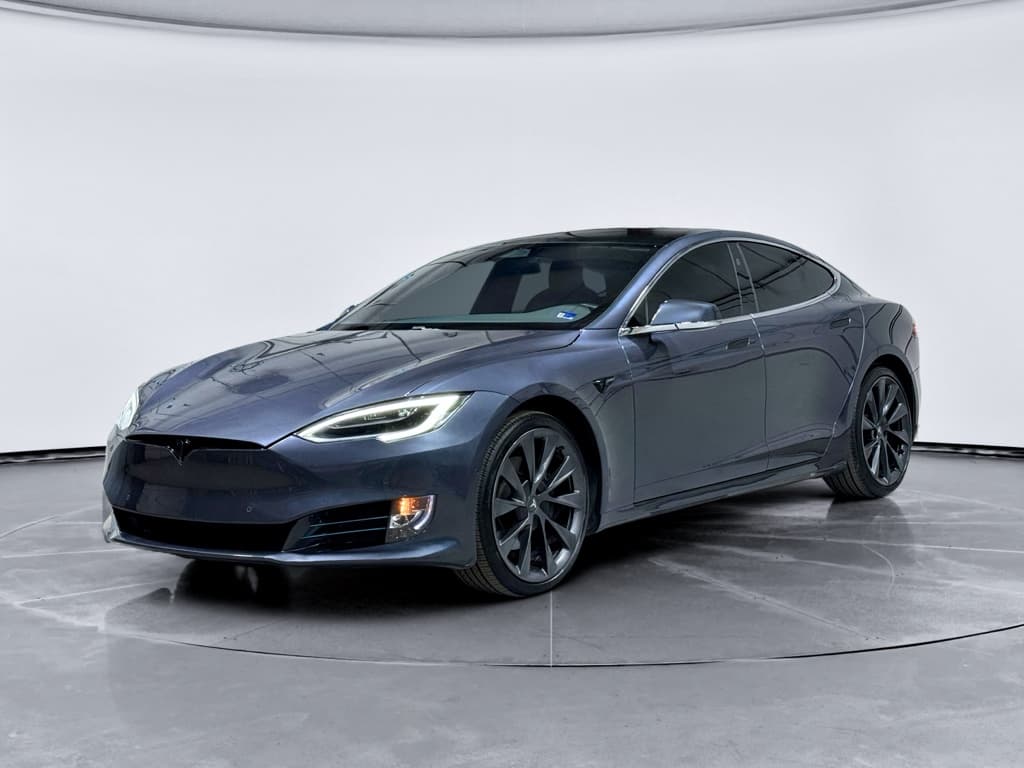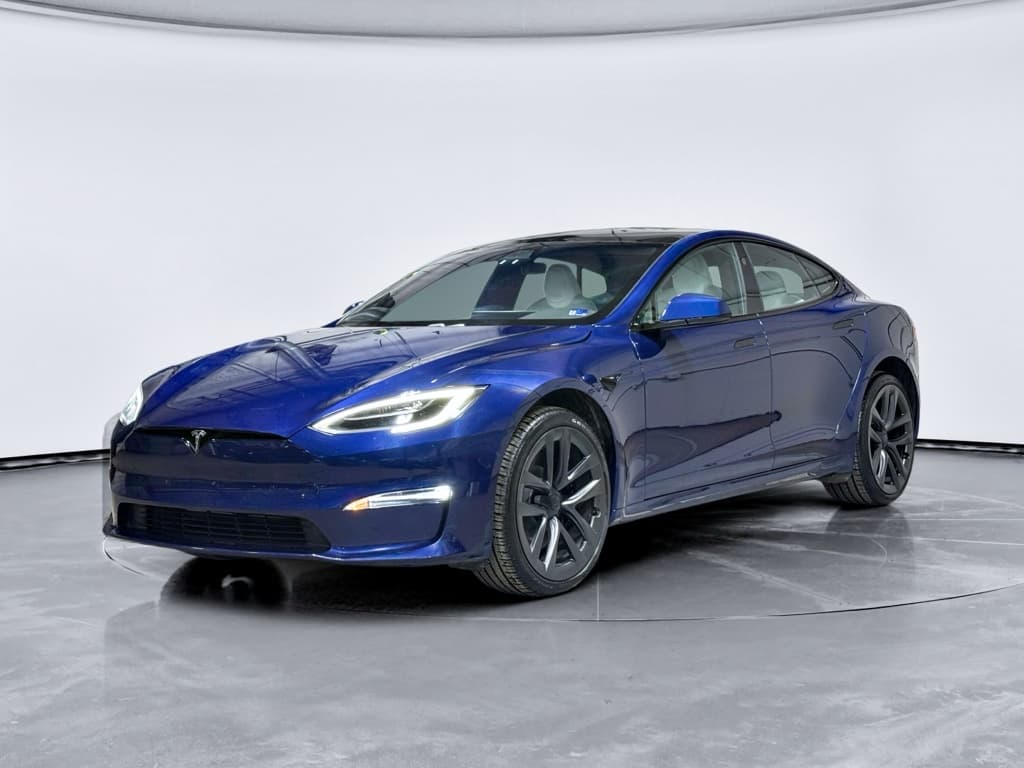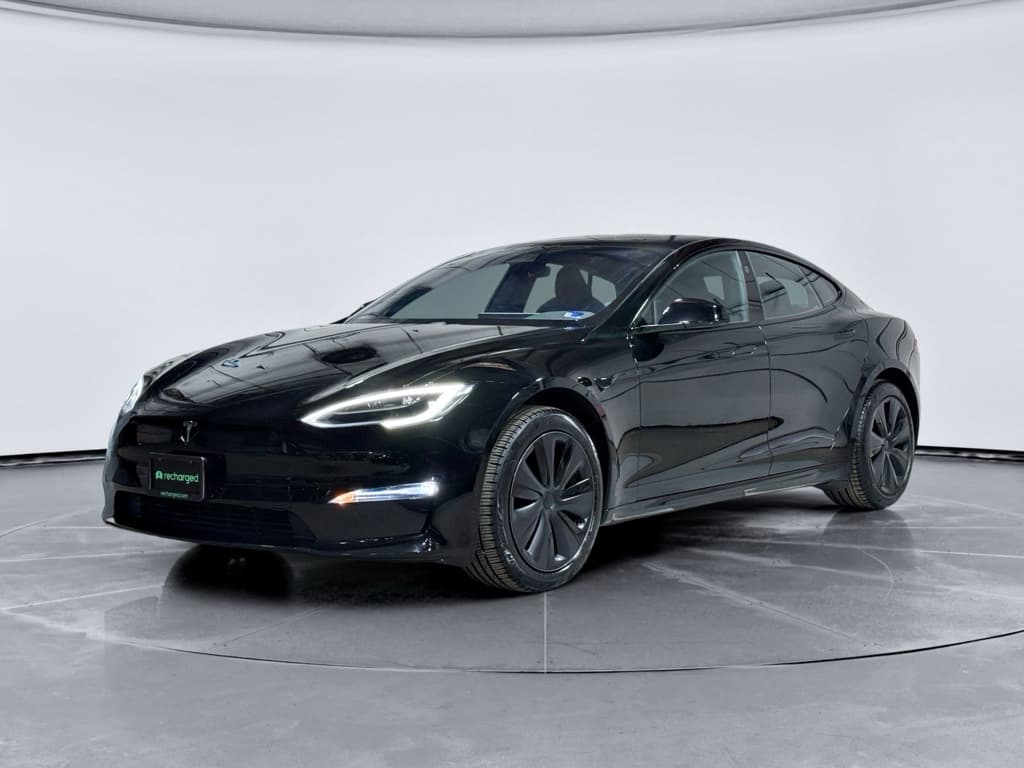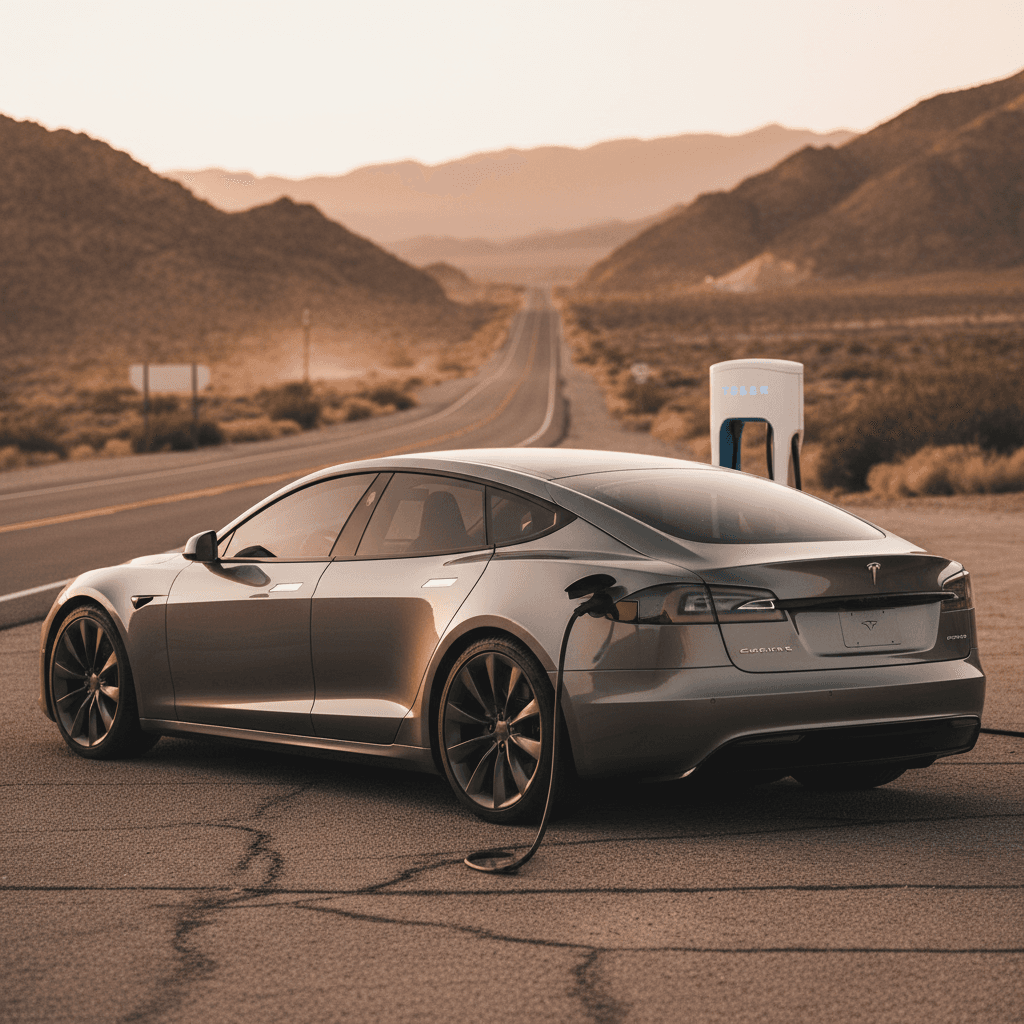
If you’re looking at a **2023 Tesla Model S**, you’re probably asking two questions: is it still the long‑range benchmark, and does it make sense as a *used* luxury EV today? The short answer: it remains brutally quick, impressively efficient, and backed by the Supercharger network, but it’s also an aging flagship with some quirks you’ll want to understand before you buy.
Where the 2023 Model S Fits Today
2023 Tesla Model S at a Glance
2023 Model S Key Numbers
For 2023, the **Model S lineup** in North America was essentially two trims: the dual‑motor all‑wheel‑drive Model S and the tri‑motor **Model S Plaid**. Both ride on the "Palladium" platform update introduced in 2021, with a minimalist interior, landscape touchscreen, and available yoke steering. Tesla briefly offered a **Standard Range** variant with a smaller usable battery and reduced range, but it was pulled from the lineup within weeks and is relatively rare on the used market.
Naming Can Be Confusing
Trim Levels and Key Specs
2023 Tesla Model S Trims at a Glance
Approximate U.S. specs for the main 2023 Model S variants. Exact numbers vary slightly by wheel choice and software updates.
| Trim | Drivetrain | Power | 0–60 mph (Tesla est.) | EPA Range (19" wheels) | Notable Traits |
|---|---|---|---|---|---|
| Model S (AWD) | Dual‑motor AWD | ~670 hp | ≈3.1 sec | ≈405 miles | Best mix of range and performance |
| Model S Standard Range* | Dual‑motor AWD | ~670 hp | ≈3.8 sec | ≈320–370 miles | Lower price, smaller battery; rare on used market |
| Model S Plaid | Tri‑motor AWD | ~1,020 hp | 1.99 sec | ≈396 miles | Hypercar acceleration, slightly less range |
2023 Model S dual‑motor vs. Plaid vs. short‑lived Standard Range.
About That 1.99‑Second Plaid Number
- All 2023 Model S versions use a large battery pack around 95–100 kWh usable capacity.
- All‑wheel drive is standard, there’s no rear‑drive variant at this point.
- Plaid adds a third motor on the rear axle, carbon‑sleeved rotors and specific cooling upgrades for repeated hard acceleration.
- Standard air suspension with adaptive damping is shared across trims.
Range and Charging Realities
On paper, the **2023 Tesla Model S** is still one of the longest‑range EVs you can buy. The dual‑motor car with 19‑inch wheels is rated around **405 miles of EPA range**, while the Plaid is rated around **396 miles** under similar conditions. Opting for the flashy 21‑inch wheels shaves a meaningful chunk off those numbers, especially at highway speeds.
EPA vs. Real‑World Range
Multiple independent tests have found that the Model S, like many Teslas, can **underperform its EPA rating at steady highway speeds**, especially in cold weather or with 21‑inch wheels. Think of the official 405‑mile figure as a best‑case scenario with moderate speeds and temps.
In mixed driving, many owners see **330–370 miles** from the long‑range car and slightly less in a Plaid. That’s still excellent, but you shouldn’t plan trips assuming the sticker number in all conditions.
Charging Experience
- Home AC charging: On a 240‑volt Level 2 setup (48A), expect roughly 30–35 miles of range per hour.
- DC fast charging: Up to about 250 kW on V3 Superchargers, adding around 200 miles in roughly 15 minutes when the battery is warm and low.
- Public networks: With the right adapters or built‑in NACS ports (depending on market), you can also use third‑party DC fast chargers, though the smoothest experience is still on Tesla’s own Supercharger network.
Think in Time, Not Just Miles
Performance, Driving and Ride Quality
Even if you ignore the YouTube drag‑race videos, the **2023 Model S is absurdly quick** by any reasonable standard. The dual‑motor version is already faster than most performance sedans; the Plaid lives in a different universe, with quarter‑mile times in the 9‑second range and acceleration that borders on uncomfortable for passengers.
How the 2023 Model S Drives
Speed is the headline, but it’s not the whole story.
Straight‑Line Speed
The dual‑motor car’s ~3‑second 0–60 time is more than enough for daily driving. The Plaid’s extra power is mostly about shock value and repeated high‑speed runs on a track.
Handling & Steering
The air suspension keeps the Model S flat and composed, but this is still a large, heavy sedan. Grip is strong, yet it lacks the road feel of some German rivals. Some drivers find the optional yoke steering less precise in tight turns and parking.
Ride & Noise
Ride quality on 19‑inch wheels is generally comfortable; 21s bring sharper steering response but more impact harshness and range penalty. The cabin is quiet, though not as vault‑like as the latest Mercedes or BMW flagships.
Braking Performance Caveats
Interior Tech, Comfort and Practicality
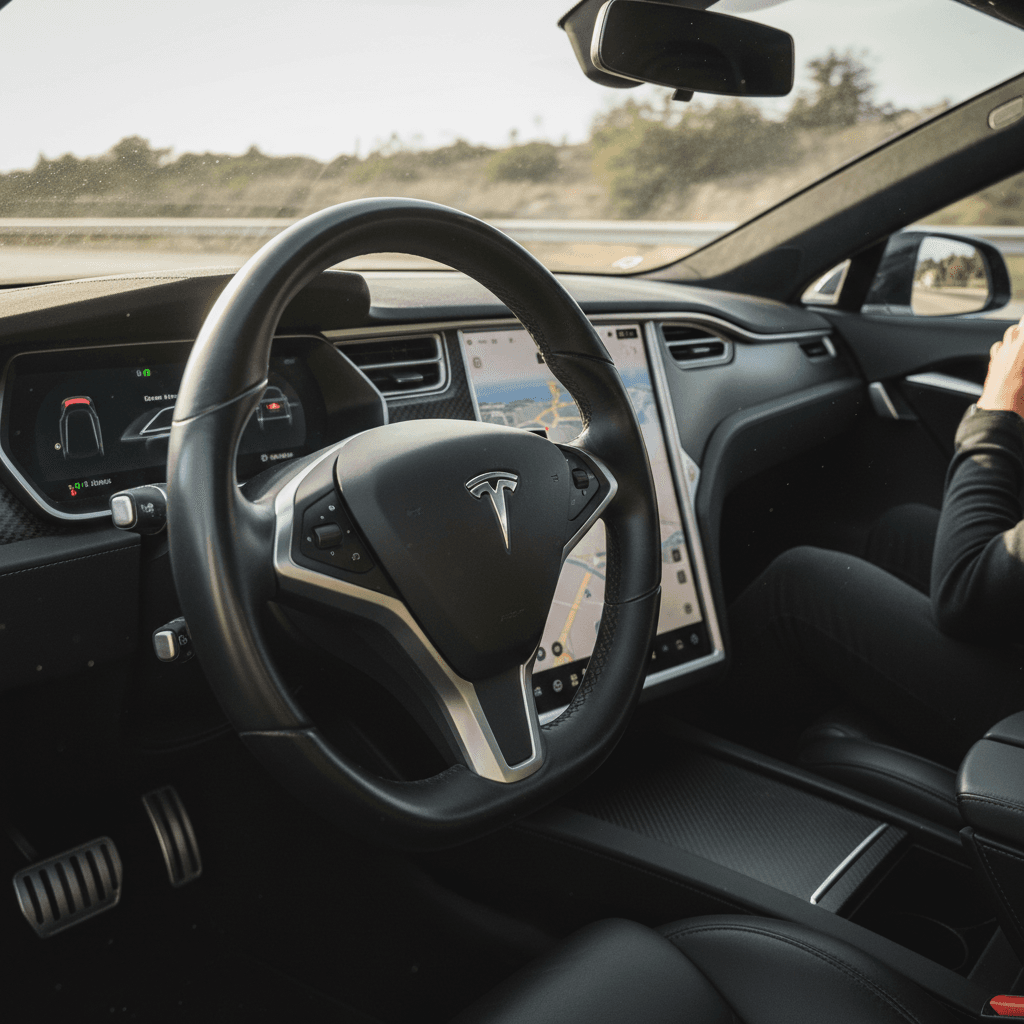
Inside, the 2023 Model S leans hard into **minimalist, software‑first design**. Depending on perspective, that’s either futuristic or frustrating. A massive landscape‑oriented touchscreen replaces most physical controls, there’s a second display for rear passengers, and storage is generous thanks to the hatchback layout and under‑floor wells.
Highlights
- Spacious cabin: Plenty of legroom up front and adequate space for adults in the outboard rear seats.
- Hatchback practicality: A big rear opening and fold‑flat seats give it near‑wagon cargo utility.
- Software features: Built‑in navigation with Supercharger routing, video streaming apps, arcade games, over‑the‑air updates.
Pain Points
- Touchscreen dependency: Simple tasks like adjusting vents or opening the glovebox live behind on‑screen menus.
- Yoke steering learning curve: Some 2023 cars shipped with the controversial yoke by default; a round wheel became an option again later.
- Material quality: Solid and modern, but not at the same tactile level as top‑tier German luxury sedans.
Cabin Updates via Software
Safety, Driver Assistance and Autopilot
The 2023 Model S includes a robust suite of **active safety and driver‑assistance features**, anchored by Tesla’s camera‑based Autopilot system. Automatic emergency braking, lane keeping, adaptive cruise and blind‑spot monitoring are all standard. Many cars are optioned with Enhanced Autopilot or the much‑marketed Full Self‑Driving (FSD) capability.
- Autopilot works best on limited‑access highways with clear lane markings, where it can significantly reduce fatigue.
- Despite the name, FSD does not make the car autonomous. You’re still legally and practically responsible for the vehicle at all times.
- Regulators have scrutinized Tesla’s driver‑assistance branding and behavior; software behavior can change over time via updates.
- Because Tesla uses its own ecosystem, there’s no Apple CarPlay or Android Auto, something some buyers consider a safety drawback.
Treat Autopilot Like Advanced Cruise Control
Running Costs and Battery Health
Daily energy costs in a **2023 Tesla Model S** are typically far below a comparable gas luxury sedan, especially if you charge at home on a reasonable electricity rate. The bigger question for used buyers is long‑term **battery and drivetrain health** on a car that was expensive enough new to see a lot of hard driving.
Model S Ownership: What to Budget For
Energy is cheap; everything else is luxury‑car level.
Electricity & Charging
Home charging at average U.S. rates usually works out to the equivalent of paying well under $2 per gallon. Relying heavily on Superchargers can be closer to, or even above, gas costs per mile.
Maintenance & Repairs
No oil changes, but tires, suspension components and brakes still wear, especially on Plaid models. Out‑of‑warranty repairs on complex electronics can be pricey.
Battery & Drivetrain
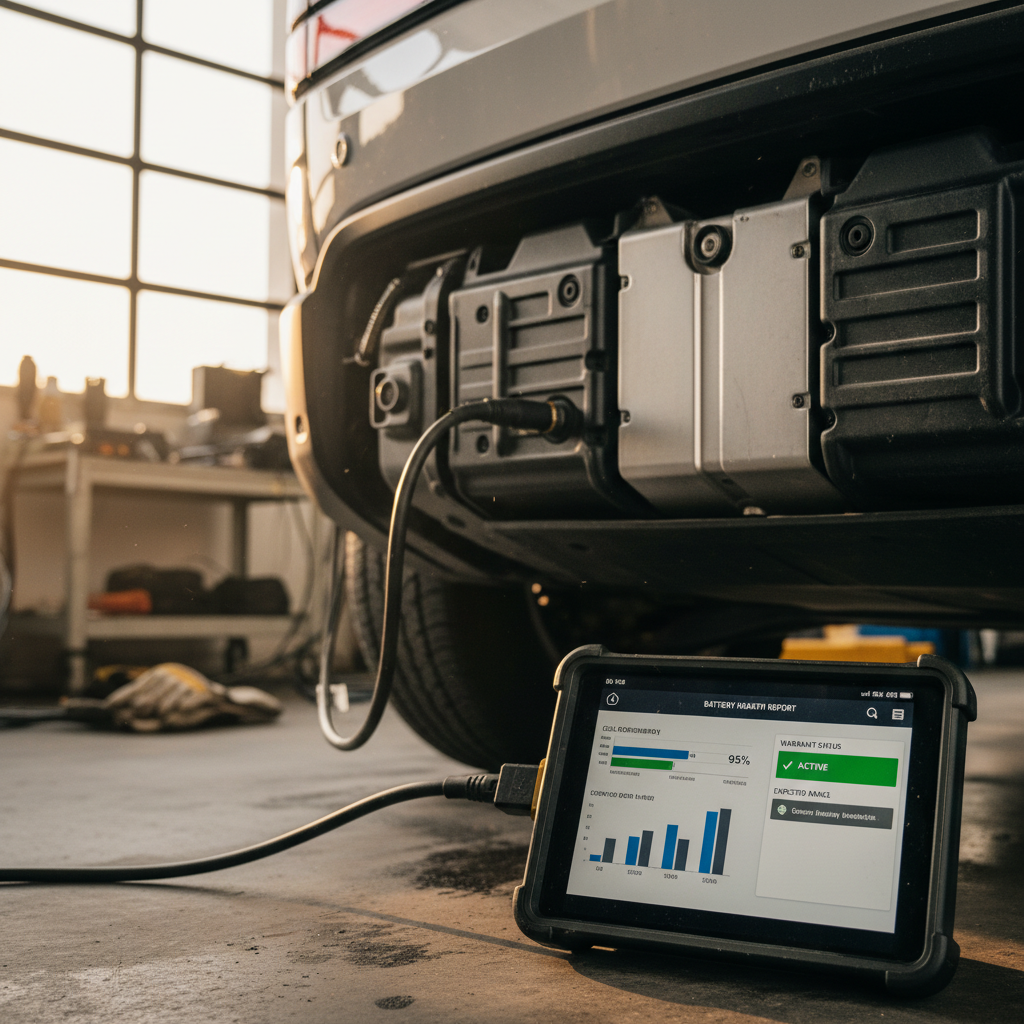
Tesla’s battery and drive unit warranty for the Model S is typically 8 years with a mileage cap and minimum retention guarantee. Real‑world data suggests gradual capacity loss, but individual cars vary based on charging habits and climate.
Why a Battery Health Report Matters
2023 Model S vs. Luxury EV Rivals
By 2023, the Model S was no longer alone in the segment. The **Lucid Air**, Mercedes‑Benz EQS, BMW i7 and Porsche Taycan all target similar buyers with very different personalities. Understanding where the Tesla shines, and where it feels dated, will help you decide if it’s the right used EV for you.
How the 2023 Model S Stacks Up
High‑level comparison of the 2023 Tesla Model S dual‑motor vs key electric luxury sedans.
| Model | Strengths | Weak Points vs. Model S |
|---|---|---|
| Tesla Model S | Class‑leading range and efficiency, Supercharger access, blistering acceleration, strong software experience. | Cabin materials and NVH not class‑leading; touch‑only controls; limited dealer‑style support network. |
| Lucid Air | Even longer range in some trims, very quick, comfortable ride, upscale interior. | Smaller charging network, younger brand with shorter track record, fewer used examples. |
| Mercedes‑Benz EQS | Ultra‑quiet, luxurious cabin, traditional dealership and service network. | Lower real‑world efficiency and range, heavier feel, more conservative styling. |
| Porsche Taycan | Best‑in‑class driving dynamics, build quality, brand cachet. | Shorter range, less practical packaging, higher pricing when comparably equipped. |
Model S remains the efficiency and charging benchmark, but rivals catch up on refinement.
Is a Used 2023 Model S a Smart Buy?
On the used market, a **2023 Tesla Model S** can be a compelling way to get long‑distance EV capability and supercar acceleration for the price of a new mid‑range crossover. But the right answer depends heavily on your priorities and what you value in a flagship.
Who the 2023 Model S Suits Best
You value range and charging above all
If you routinely drive long distances and want the least friction possible, the Model S plus Supercharger access is hard to beat, even in 2026.
You’re tech‑forward and OK with change
Tesla’s software‑centric approach means the car will keep evolving. If you like new features and can tolerate UI changes, that’s a plus.
You don’t need S‑Class plush
If you’re coming from a German flagship, be honest about what you expect in terms of material richness, seat comfort and noise isolation.
You understand EV battery nuance
You’re willing to dig into charge history, climate exposure and third‑party battery health reports instead of just trusting the range display.
Key Pros
- Excellent real‑world range and efficiency for a large luxury EV.
- Supercharger network still sets the standard for ease of road‑tripping.
- Plaid performance that embarrasses supercars yet drives docilely in traffic.
- Hatchback practicality with lots of usable cargo space.
Key Cons
- Interior fit and finish trails the best European luxury sedans.
- Touchscreen‑heavy controls can frustrate some drivers.
- Driver‑assistance branding can create unrealistic expectations; still not self‑driving.
- Repair ecosystem is more centralized than traditional dealer networks, which can mean longer waits in some regions.
How Recharged Helps With Used Model S Shopping
Because the 2023 Model S sits at the intersection of high performance, complex software and expensive battery hardware, **transparency matters**. That’s where buying through a specialist used‑EV retailer like Recharged can change the equation.
What You Get With a Used Model S from Recharged
Designed specifically around the questions EV shoppers actually have.
Verified Battery Health
Every vehicle on Recharged comes with a Recharged Score Report that includes battery diagnostics rather than just relying on the in‑car range estimate. You see how the pack is actually performing.
Transparent Pricing & Financing
Fair‑market pricing, EV‑savvy financing options and the ability to get pre‑qualified entirely online help you compare a used 2023 Model S against other EVs with real numbers, not guesses.
EV‑Specialist Support
Recharged advisors live and breathe EVs. They can walk you through home‑charging setup, road‑trip planning and how Autopilot and FSD options impact value, all without the usual dealership pressure.
Ready to find your next EV?
Browse VehiclesNationwide, Digital‑First Experience
2023 Tesla Model S FAQ
Frequently Asked Questions About the 2023 Tesla Model S
Bottom Line: Should You Buy a 2023 Model S?
As a **used luxury EV in 2026**, the 2023 Tesla Model S is still a fascinating proposition. It remains one of the few cars that can deliver genuine cross‑country range, genuinely silly acceleration and a deeply integrated fast‑charging experience in a single package. At the same time, its interior polish, brake performance under sustained abuse and reliance on touch controls show its age next to newer rivals.
If you prioritize **range, charging convenience and performance** over old‑school luxury trimmings, a well‑vetted 2023 Model S, especially the dual‑motor long‑range car, can be an excellent buy. Just go in with clear eyes about Autopilot’s limitations, verify battery health, and make sure the control layout fits the way you like to drive. Working with an EV‑focused retailer like Recharged can help you sort the great examples from the merely shiny ones, so your flagship EV feels like an asset and not an experiment.