If you care about **range, charging time, and running costs**, you care about efficiency, whether you think in miles per gallon equivalent (MPGe) or miles per kilowatt-hour (mi/kWh). The most efficient electric cars of 2025 are now brushing up against **5 mi/kWh and mid‑140s MPGe**, numbers that would have sounded like science fiction a decade ago. In this guide, we’ll look at the **most efficient electric cars of 2025**, how they compare, and what those numbers actually mean for you, especially if you’re considering a used EV from Recharged.
Quick takeaway
Why EV efficiency matters more than ever in 2025
Efficiency used to be a niche concern, something hyper‑milers and eco‑nerds worried about. In 2025 it’s become mainstream for three reasons: **electricity prices are less predictable**, average battery sizes have grown, and more EVs are hitting the used market. An efficient EV lets you go farther on a smaller battery, which cuts **purchase price, charging time, and environmental footprint**.
How efficiency pays you back
Three concrete ways a more efficient EV makes life easier
Lower running costs
Every extra mile per kWh means fewer kWh to drive the same distance. Over 12,000–15,000 miles a year, that can mean **hundreds of dollars** in savings versus a less efficient EV.
Faster effective charging
If your car uses less energy per mile, every minute on a DC fast charger or Level 2 home charger nets you **more miles of range**.
Smaller battery, smaller footprint
Highly efficient cars like the Lucid Air Pure and Hyundai Ioniq 6 achieve long range from **moderate‑size packs**, reducing raw material use and embedded emissions.
Efficiency isn’t everything
How EV efficiency is measured: MPGe vs miles per kWh
When you start comparing the most efficient electric cars of 2025, you’ll see two common metrics: **MPGe** and **mi/kWh**. They’re measuring the same thing, how far the car goes per unit of energy, with different yardsticks.
EV efficiency metrics explained
How MPGe and miles per kWh relate to each other and to your bill
| Metric | What it means | Who uses it | Rule of thumb |
|---|---|---|---|
| MPGe (miles per gallon equivalent) | Miles you’d drive using the energy in one gallon of gas, if that energy came as electricity instead of fuel. | EPA window stickers, shopping sites, regulators. | Higher is better; 140+ MPGe is top‑tier in 2025. |
| mi/kWh (miles per kilowatt-hour) | Miles you travel per kilowatt-hour drawn from the battery. | On‑board displays, reviews, owner forums. | 4.0 mi/kWh is strong; ~5.0 mi/kWh is elite. |
| kWh/100 mi | Energy used to go 100 miles. | EPA technical sheets, some European labels. | Lower is better; under 25 kWh/100 mi is excellent. |
The EPA uses MPGe for the window sticker; many owners watch mi/kWh on the dash.
Quick conversion
Top 10 most efficient electric cars of 2025 (by EPA rating)
Exact rankings shuffle as new trims arrive, but pulling from recent EPA data and manufacturer disclosures, here’s where the **most efficient electric cars of 2025** land today. We’ll focus on the trims that hit the highest combined MPGe numbers, not every version of each model.
Most efficient electric cars of 2025 (U.S. EPA, selected trims)
Representative 2025 models and trims with standout efficiency. Figures rounded from EPA or manufacturer disclosures.
| Rank | Model & trim (2025 MY or equivalent) | Drivetrain | Approx. combined MPGe | Approx. mi/kWh | EPA range (mi) |
|---|---|---|---|---|---|
| 1 | Lucid Air Pure RWD (19" wheels) | RWD | ≈146 MPGe | ≈5.0 mi/kWh | ≈420 |
| 2 | Hyundai Ioniq 6 Long Range RWD (18" wheels) | RWD | ≈140 MPGe | ≈4.5–4.7 mi/kWh | ≈320–340 |
| 3 | Lucid Air Pure RWD (20" wheels) | RWD | ≈129–137 MPGe | ≈4.3–4.7 mi/kWh | ≈400 |
| 4 | Hyundai Ioniq 6 Standard Range RWD | RWD | ≈135 MPGe | ≈4.4–4.6 mi/kWh | ≈240 |
| 5 | BMW i4 eDrive35 Gran Coupe (18" wheels) | RWD | ≈120 MPGe | ≈3.6–3.8 mi/kWh | ≈260 |
| 6 | Hyundai Ioniq 6 Long Range AWD (18" wheels) | AWD | ≈121 MPGe | ≈3.6–3.7 mi/kWh | ≈300 |
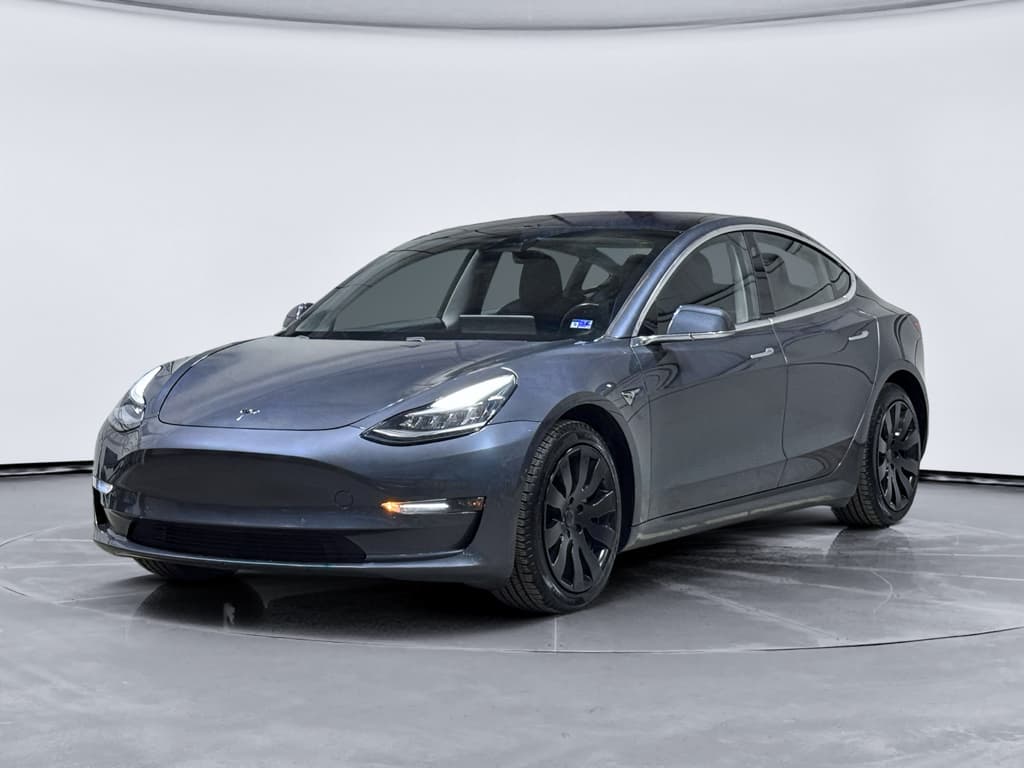
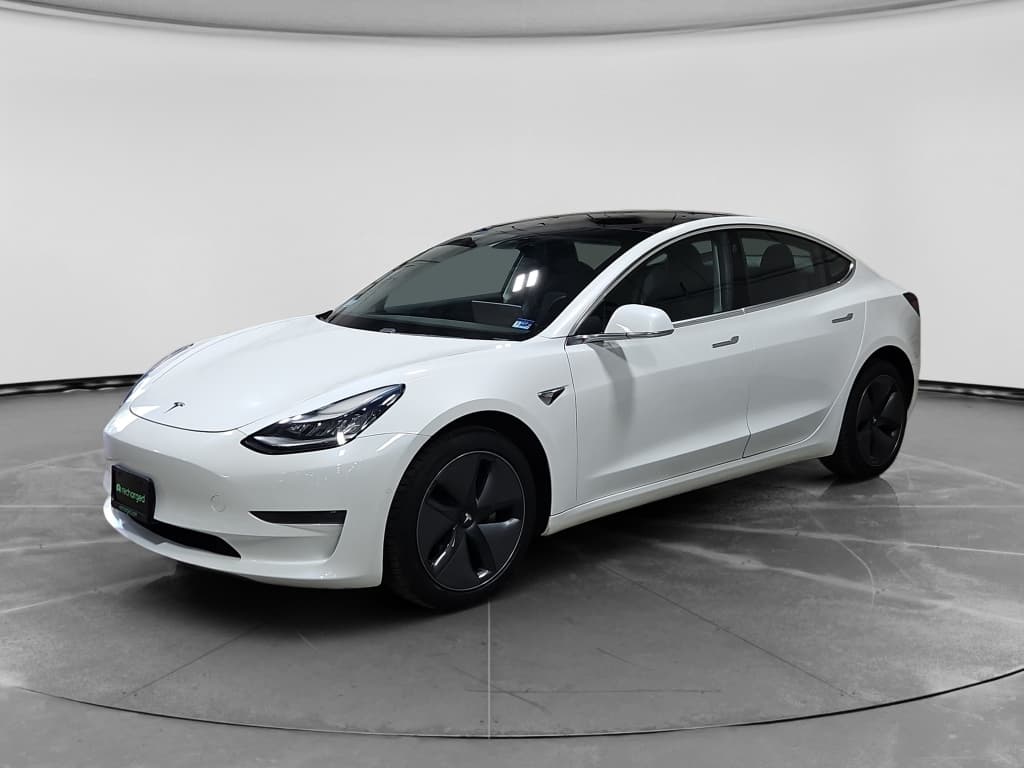
| 7 | Tesla Model 3 RWD / Long Range (most efficient trims) | RWD / AWD | ≈120–130 MPGe | ≈4.0–4.4 mi/kWh | ≈270–340 |
| 8 | Hyundai Kona Electric (latest generation) | FWD | ≈115–120 MPGe | ≈4.0–4.3 mi/kWh | ≈260–270 |
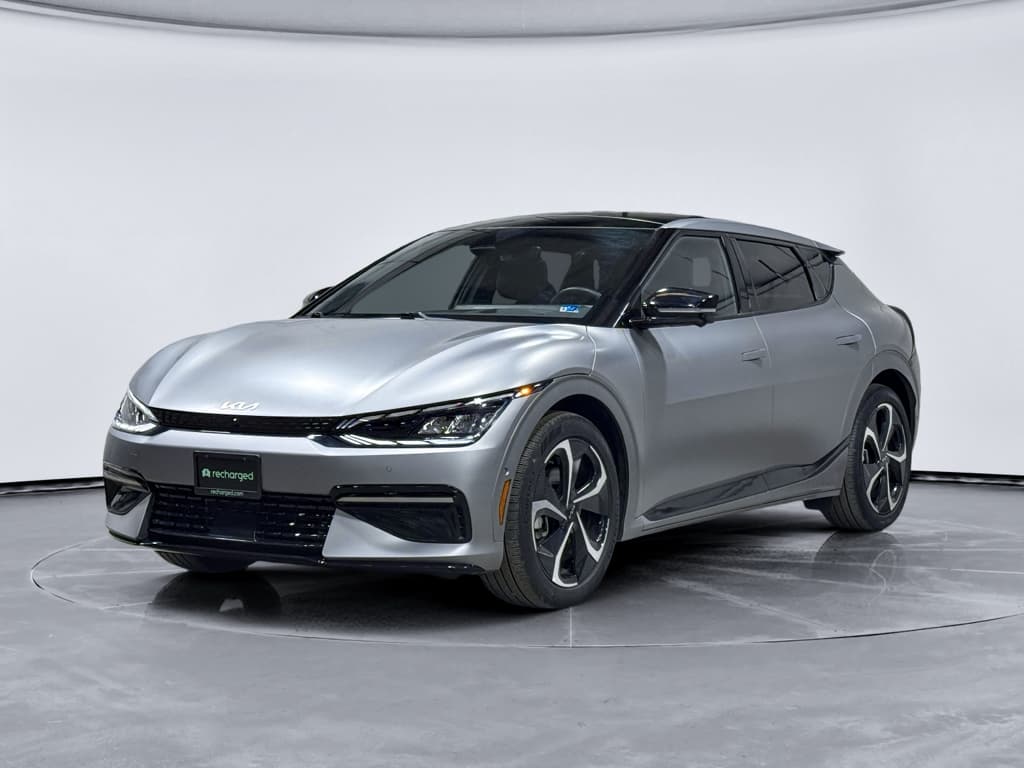
| 9 | Kia EV6 Light / RWD efficiency‑oriented trims | RWD | ≈115–120 MPGe | ≈3.7–4.1 mi/kWh | ≈270–310 |
| 10 | Kia Niro EV | FWD | ≈110–120 MPGe | ≈3.7–4.0 mi/kWh | ≈250–260 |
Always verify the specific trim and wheel size, those details can move MPGe by double‑digit numbers.
About the numbers
Lucid Air Pure: America’s efficiency champion
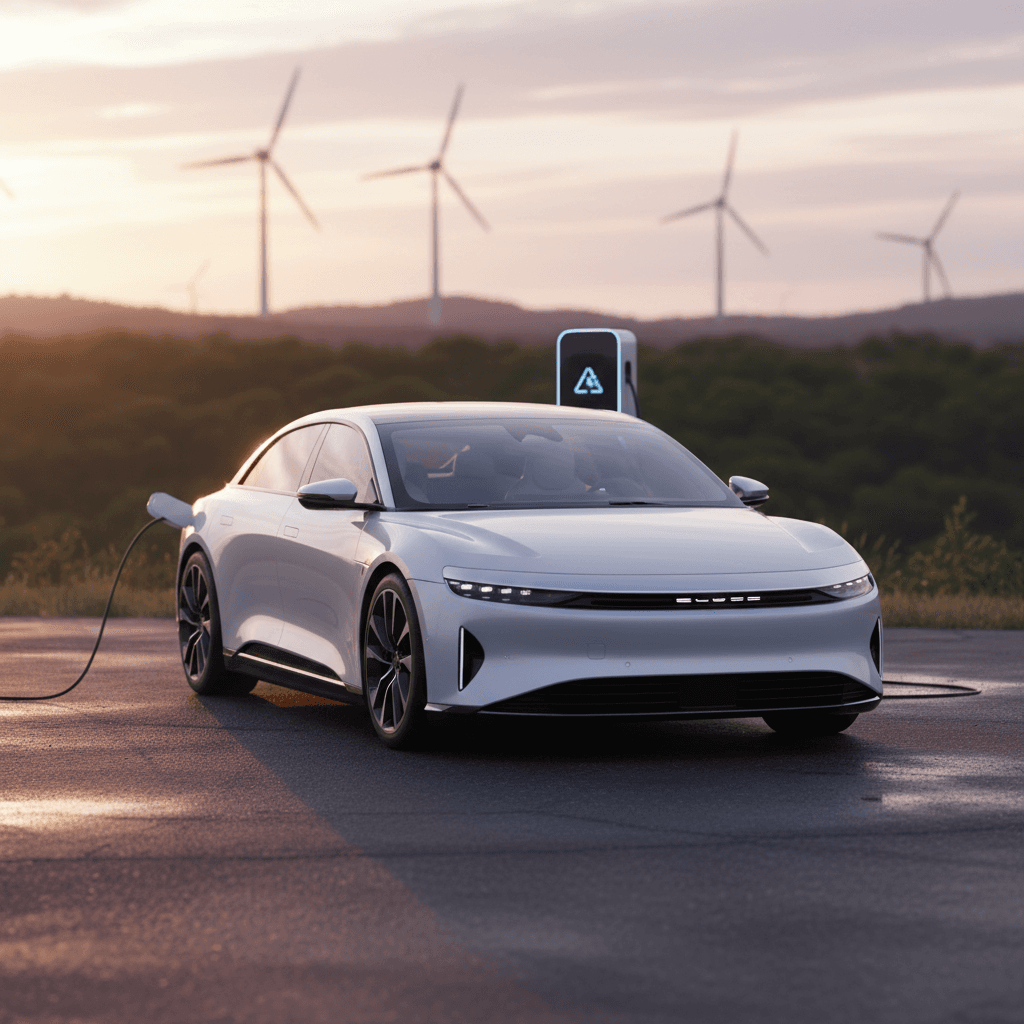
Lucid built the Air around efficiency from day one, and the 2025 Air Pure RWD shows where that obsession leads. With a **420‑mile EPA range from an 84 kWh battery**, it works out to roughly **5 mi/kWh** and an EPA rating around **146 MPGe**, putting it at the top of the current charts. That’s especially striking because the Air is a **full‑size luxury sedan**, not a tiny commuter pod.
- Ultra‑slippery aerodynamics (drag coefficient under 0.20).
- High‑efficiency in‑house drive units and power electronics.
- Sophisticated thermal management, including a standard heat pump on 2025 models.
- Careful tire and wheel selection: the 19‑inch aero wheels are the secret sauce; 20‑inch wheels trade efficiency for style.
Who it suits
Hyundai Ioniq 6: Mainstream efficiency star
If Lucid shows what’s possible at the high end, **Hyundai’s Ioniq 6** shows how close a mainstream brand can get at **half the price**. In multiple trims, especially the **Long Range RWD on 18‑inch wheels**, the Ioniq 6 posts combined figures around **140 MPGe** and **well over 4 mi/kWh**, while still offering 300‑plus miles of range and genuinely livable space.
Why the Ioniq 6 scores so high on efficiency
Hyundai and its E‑GMP platform have quietly built an efficiency machine
Slippery shape
The teardrop profile isn’t to everyone’s taste, but it dramatically cuts drag and high‑speed energy use.
800‑V fast charging
Its 800‑volt architecture doesn’t just fast‑charge quickly; it also helps reduce heat and losses at highway speeds.
Right‑sized batteries
Hyundai pairs efficient motors with **53 kWh and 77.4 kWh packs**, rather than chasing ever‑larger batteries.
Other high‑efficiency EVs you should know
Tesla Model 3
Tesla’s Model 3 no longer owns the efficiency crown, but in 2025 it remains one of the **most efficient electric cars** you can buy, particularly in **rear‑wheel‑drive and Long Range** trims. Aero‑optimized wheels and tires, lightweight packaging, and Tesla’s focused powertrain software all contribute to MPGe numbers in the **120–130 range** and real‑world efficiency around **4 mi/kWh or better** for many drivers.
Compact crossovers: Kona, Niro, EV6
The latest **Hyundai Kona Electric** and **Kia Niro EV** pack high efficiency into practical hatchback bodies, ideal for buyers who need cargo space but don’t want to pay the penalty of a big, boxy SUV. The **Kia EV6**, especially in RWD, isn’t quite as slippery as the Ioniq 6 but still posts solid **115–120 MPGe** numbers with strong charging performance.
EPA ratings vs real‑world efficiency
Window‑sticker MPGe is a useful benchmark, but it isn’t a promise. In real‑world mixed driving, reviewers who cycle dozens of EVs through the same routes typically see **3.5–4.5 mi/kWh** from today’s efficient models, with compact cars and sedans clustering at the high end, and heavier, taller crossovers toward the lower end.
How EPA vs real‑world efficiency usually compares
Think in route, not lab cycles
What efficiency means for your electricity bill
Efficiency is the quiet lever that determines how often you charge and how much you pay for power. To make it tangible, let’s compare two cars driven **12,000 miles per year** at a U.S. residential electricity rate of **$0.15 per kWh**.
Efficient sedan – ~4.5 mi/kWh
- Energy needed per year: 12,000 ÷ 4.5 ≈ **2,670 kWh**
- Annual electricity cost: 2,670 × $0.15 ≈ **$400**
- Equivalent gas car at 30 mpg & $3.50/gal would burn **400 gallons**, or **$1,400**/year.
Less efficient SUV – ~3.0 mi/kWh
- Energy needed per year: 12,000 ÷ 3.0 = **4,000 kWh**
- Annual electricity cost: 4,000 × $0.15 = **$600**
- Versus the efficient sedan, you’re paying **~$200 more per year** just in electricity.
Don’t forget demand charges and networks
How to use efficiency when shopping for a used EV
Most of the **most efficient electric cars of 2025** will filter into the used market over the next few years. That’s where efficiency intersects with **battery health, price, and real‑world range**, and where Recharged spends a lot of time separating signal from noise.
Three efficiency questions to ask about any used EV
You’re not just buying the EPA sticker, you’re buying how the car was treated.
How healthy is the battery?
An efficient design can’t save you from a heavily degraded pack. A detailed battery report, like the Recharged Score you get on every car we sell, shows remaining capacity and helps you translate that into real‑world range.
How will you actually drive it?
EPA numbers assume a standardized mix of city and highway. If you’re a 75‑mph interstate commuter or regularly tow, a theoretically efficient EV can still end up thirsty.
Are you overpaying for range you won’t use?
A compact sedan that reliably delivers 220–250 miles of real‑world range may be more efficient and cheaper than a big SUV whose extra range you never tap.
How Recharged helps
Ready to find your next EV?
Browse VehiclesChecklist: Choosing the right efficient EV for you
Key steps to picking an efficient EV that actually fits your life
1. Define your real range needs
Track a typical week of driving. If you rarely exceed 150 miles in a day, you probably don’t need a 350‑mile monster, an efficient smaller pack may save you money upfront and every month on your bill.
2. Decide on body style and space
Sedans like the Lucid Air and Hyundai Ioniq 6 lead the efficiency charts, but crossovers like the Kona Electric and Kia Niro EV strike a better balance if you need upright seating and cargo flexibility.
3. Aim for at least ~3.5–4.0 mi/kWh
As a rule of thumb, target EPA or real‑world efficiency of **around 4 mi/kWh** if you want genuinely low running costs. Dropping to ~3 mi/kWh is fine if you’re getting something else you really value (AWD, space, towing).
4. Check wheel size and tire type
Those 20‑ or 21‑inch wheels look great in photos but can easily knock **10–15%** off efficiency. If efficiency is a priority, look for smaller, aero‑optimized wheels and low‑rolling‑resistance tires.
5. Look for heat pumps and good thermal management
Cold‑climate drivers should prioritize EVs with **heat pumps** and robust battery preconditioning. They help preserve both winter range and long‑term battery health.
6. For used EVs, demand a battery report
Two identical models can have very different usable range depending on how they were driven and charged. A third‑party battery health diagnostic, like the one behind every Recharged Score, turns guesswork into data.
7. Consider charging ecosystem and software
Efficient hardware still needs good route planning and thermal management. Check that the car supports the charging networks you’ll use and has solid trip‑planning software or works well with third‑party apps.
FAQ: Most efficient electric cars in 2025
Frequently asked questions about efficient EVs in 2025
Bottom line: Efficiency is becoming the new horsepower
In 2025, the **most efficient electric cars** aren’t just science projects. They’re comfortable, usable sedans and crossovers that quietly deliver **4–5 mi/kWh**, 300‑plus miles of range, and energy bills that make old‑school gas MPG look wasteful. The Lucid Air Pure, Hyundai Ioniq 6, Tesla Model 3, and a wave of compact crossovers from Hyundai and Kia show that efficiency is becoming a core competitive battleground, not an afterthought.
When you’re cross‑shopping EVs, especially in the **used market**, treat efficiency the way enthusiasts once treated horsepower: with respect, but in context. An extra half‑mile per kWh is meaningful, but not if it comes at the expense of the body style, range, price, or charging experience you actually need. With Recharged’s **battery‑health diagnostics, Recharged Score reports, and EV‑specialist support**, you can let the data guide you to a car that’s not just efficient on paper, but efficient for the way you really drive.