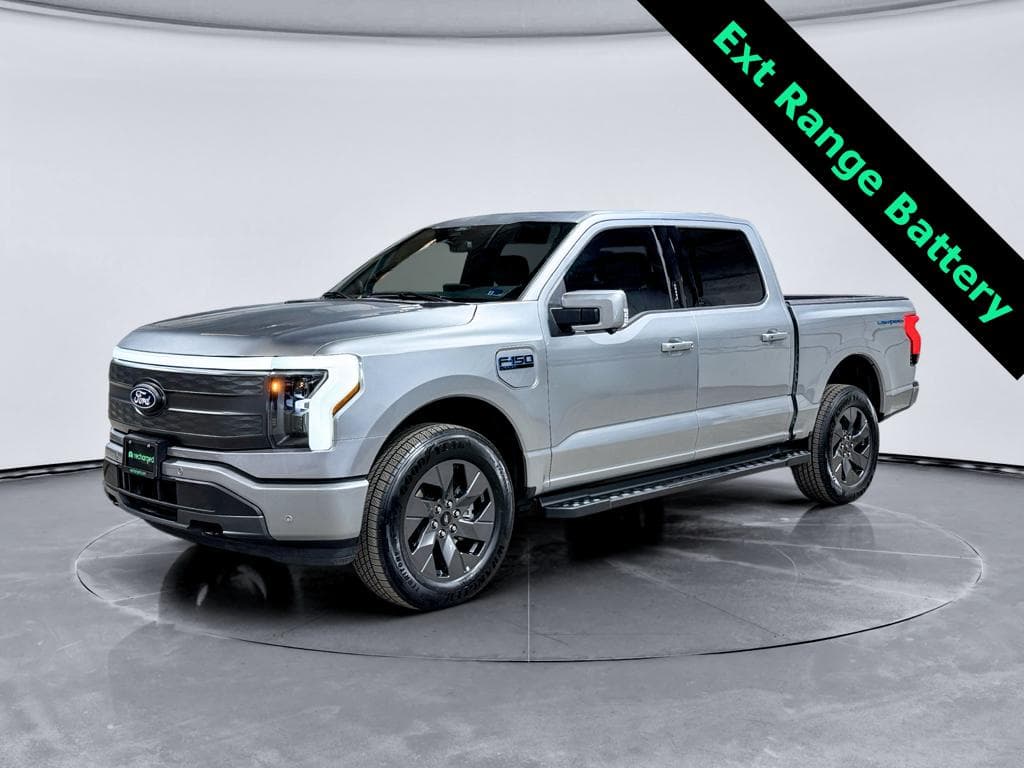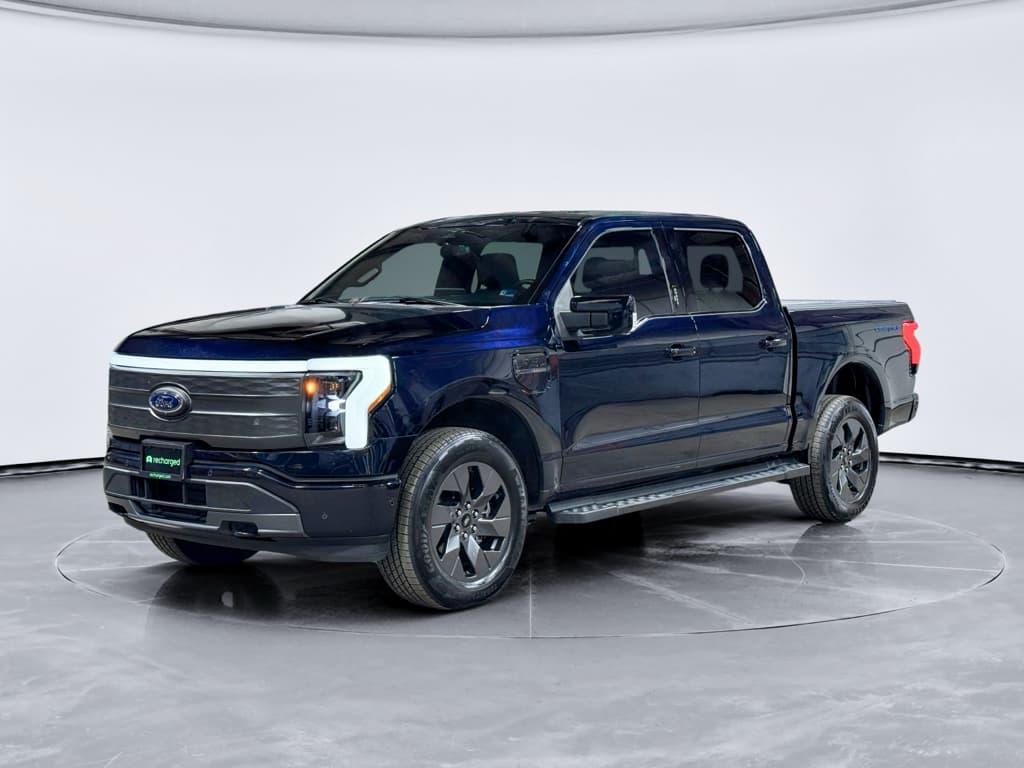
If you’re eyeing a Ford F-150 Lightning in 2026, especially on the used market, insurance cost is one of the biggest wild cards in your budget. EV insurance has climbed in recent years, and electric pickups sit at the expensive end of that spectrum. This guide breaks down what you’re likely to pay to insure a Ford F-150 Lightning in 2026, how it compares to a gas F-150, and what you can do to keep premiums in check.
Quick answer: 2026 F-150 Lightning insurance
Ford F-150 Lightning insurance cost in 2026: overview
Where the F-150 Lightning lands in today’s insurance market
There’s no single “Ford F-150 Lightning insurance cost” that fits everyone. Insurers price each policy on your driver profile (age, record, credit in most states), where you live, how you use the truck, and the exact trim and MSRP. But pulling together recent EV insurance studies, F-150 cost-to-own data, and quotes from Lightning owners, a clear range emerges for 2026:
- Most standard full-coverage policies (clean record, 12,000–15,000 miles/year) fall around $2,400–$3,400 annually.
- Safer, older drivers in low-risk ZIP codes sometimes see premiums close to $2,000 per year, especially on lower trims like Pro or XLT bought used.
- Younger drivers, commercial use, or high-cost states can push premiums to $3,800–$4,200+, particularly on high-MSRP Platinum or Extended Range models.
Sticker shock alert
Does the Lightning cost more to insure than a gas F-150?
Short version: yes. On average, a Ford F-150 Lightning in 2026 will cost more to insure than a gas F-150 with similar equipment. How much more depends on your situation, but most nationwide analyses of EV vs. gas twins show electric versions coming in roughly 3–25% higher on premiums, with trucks toward the upper end of that range.
Ford F-150 Lightning (electric)
- Higher vehicle value and complex electronics raise repair and replacement costs.
- Heavier curb weight can increase potential claim severity in crashes.
- Limited EV-certified body shops in some regions add time and expense.
- Strong safety tech and crash performance help offset some of that risk.
Ford F-150 (gas or hybrid)
- Broad repair network and abundant parts keep claim costs more predictable.
- More historical loss data makes pricing easier for insurers.
- Still not “cheap” to insure, full-size pickups already run above the U.S. average.
- Typically 15–25% lower premium than a comparably priced Lightning, assuming the same driver profile.
One national EV insurance analysis for 2026 pegs the Ford F-150 Lightning’s average full-coverage premium roughly 20–25% higher than a similarly equipped gas F-150, but still noticeably cheaper to insure than more exotic electric trucks. That lines up with what we see in owner anecdotes and insurer quoting data: the Lightning isn’t the bargain of the pickup world, but it’s also not the outlier that something like a stainless-steel-bodied Cybertruck has turned out to be.
Where the Lightning fits among EVs
2026 Ford F-150 Lightning insurance price breakdown
To make the 2026 Ford F-150 Lightning insurance cost more concrete, it helps to look at a few realistic profiles. These are ballpark ranges based on recent insurer data for electric pickups, published 2024–2025 Ford F-150 and Lightning insurance averages, and the modest cooling in rates going into 2026. Your exact quote will vary, but this gives you a target zone.
Sample 2026 Ford F-150 Lightning insurance scenarios
Illustrative full-coverage premiums for common driver profiles. All assume U.S. drivers with standard liability limits, comprehensive and collision, and typical deductibles.
| Driver profile & truck | Usage | Estimated 2026 annual premium | What’s driving the price |
|---|---|---|---|
| 35-year-old, clean record, good credit, suburban ZIP; 2023 F-150 Lightning XLT, used purchase | Personal use, 12,000 miles/year | $2,200–$2,700 | Age and good credit help, plus used pricing; EV repair and parts costs keep it above a gas F-150. |
| 45-year-old, clean record, excellent credit; 2024 Lightning Lariat ER, still financed | Personal + light towing, 15,000 miles/year | $2,600–$3,200 | Higher MSRP and extended-range battery raise replacement cost; strong safety features prevent it from climbing higher. |
| 28-year-old, one at-fault accident in last 3 years; 2024 Lightning Pro, work + personal | Mixed business use, 18,000 miles/year | $3,400–$4,200 | Young age, prior claim and commercial-style use compound the EV surcharge, this is where rates spike. |
| 60-year-old, clean record; 2022 Lightning Platinum, paid off, small town | Personal use, 10,000 miles/year | $2,000–$2,500 | Older, experienced driver in a lower-risk area offsets high trim level; still above a gas F-150 but manageable. |
Use these as directional benchmarks, not guaranteed prices. Always shop multiple quotes.
How to use these numbers
Why Ford F-150 Lightning insurance is higher than average
Key factors behind higher F-150 Lightning premiums
Most of these apply to EVs in general, but trucks amplify the effect.
High vehicle value
The Lightning launched with truck-sized MSRPs, and even as used prices adjust, it’s still a relatively expensive vehicle to repair or replace compared with a mainstream sedan or compact SUV.
Repair complexity
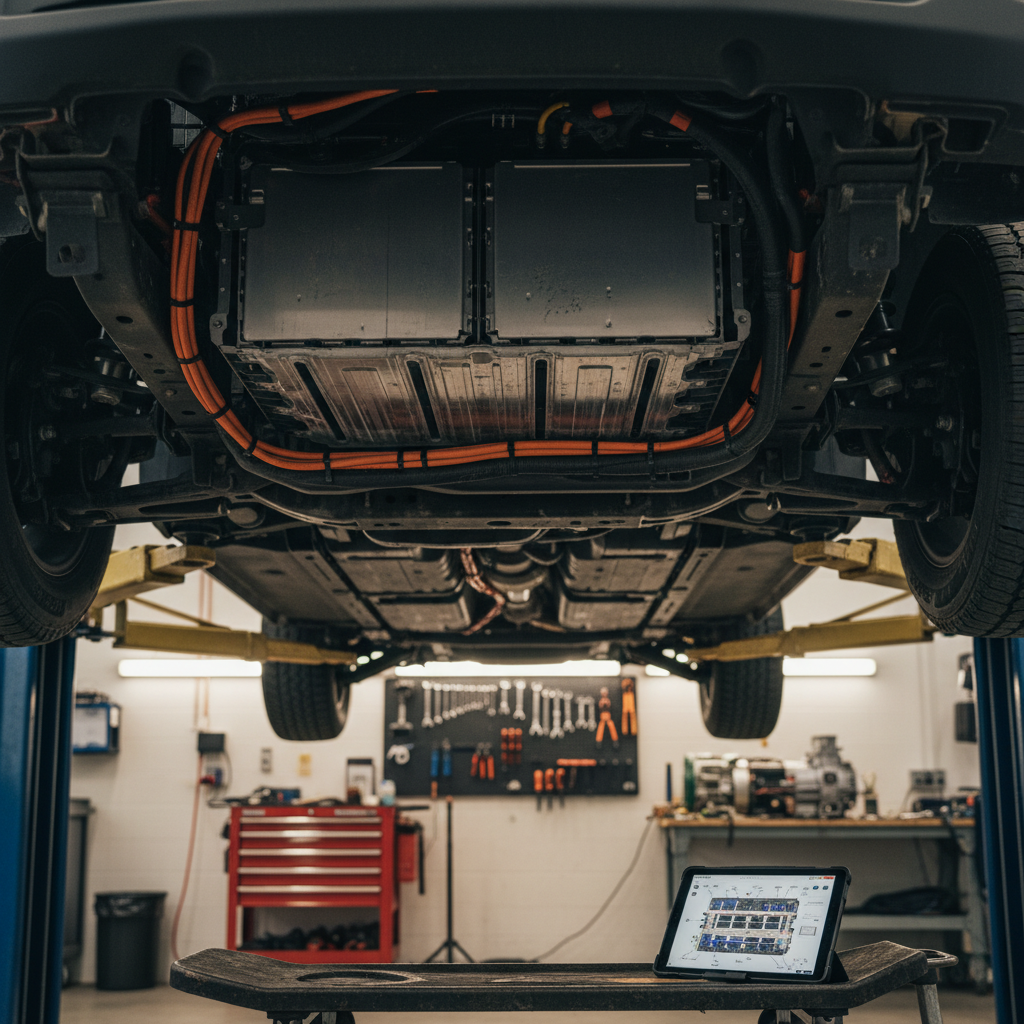
EV-specific components, aluminum body panels, advanced driver-assistance sensors, and large battery packs mean higher repair bills and longer cycle times when there’s a claim.
Claim severity
Insurers focus on how costly the average claim is, not just how often claims occur. With EV pickups, the average severity of a collision or comprehensive loss is higher than for many gas trucks.
Vehicle weight
The Lightning’s battery pack adds significant mass. Heavier vehicles can cause more damage in multi-vehicle crashes, which flows through to liability and collision costs.
Limited EV repair networks
In some regions, only a handful of body shops are certified to repair electric pickups. That concentration can drive up labor rates and repair times.
Coverage expectations
Because it’s a high-value truck, most owners opt for robust coverage and lower deductibles. That level of protection naturally costs more than bare-bones policies common on older gas pickups.
The good news: safety still helps
How to lower your F-150 Lightning insurance in 2026
You can’t change that the Ford F-150 Lightning is a high-value electric truck, but you do control a surprising number of levers that affect your premium. Here are practical moves that tend to deliver the biggest savings without undermining protection.
Steps to reduce your Ford F-150 Lightning insurance cost
1. Right-size your coverage and deductibles
Make sure your liability limits are high enough to protect you, especially with a heavy truck, but consider nudging <strong>comprehensive and collision deductibles</strong> from $500 to $1,000 if you have savings to cover it. That alone can shave meaningful dollars off a premium.
2. Ask about EV and safety discounts
Some carriers now offer <strong>EV-specific or advanced safety feature discounts</strong>, especially when your truck has automatic emergency braking, lane-keeping, and telematics. Make sure those boxes are checked on your quote.
3. Use telematics or usage-based programs
If you’re a smooth, low-mileage driver, a plug-in device or smartphone-based program that tracks your braking, acceleration and time of day can unlock <strong>double-digit percentage discounts</strong> over time.
4. Bundle with home or renters insurance
Bundling your Lightning’s policy with a home, condo or renters policy usually cuts both premiums. In a world of elevated EV insurance costs, <strong>multi-policy discounts</strong> can be one of your best tools.
5. Be strategic about how you title and use the truck
If you’re using your Lightning for side jobs, deliveries or towing heavy loads for pay, be upfront about it, but also understand that <strong>commercial use will cost more</strong>. If your usage is truly personal, make sure it’s rated that way.
6. Shop around, especially after year one
Insurers price EVs differently, and some adjust rates faster as repair data improves. Shopping quotes at renewal, or when you refinance or pay off the truck, often turns up <strong>hundreds of dollars in potential savings</strong> per year.
Skip the temptation to underinsure
Insuring a used Ford F-150 Lightning
By 2026, more Ford F-150 Lightnings are showing up on the used market, often at much more accessible prices than early adopters paid. That helps your purchase payment, but what about insurance?
- On a used Lightning, insurers still price off the truck’s current value and repair cost, not what the first owner paid. That means a used 2022 XLT will generally be cheaper to insure than a brand-new 2025 Platinum.
- Because EV repair costs remain elevated, the insurance discount from “used vs. new” is smaller than what you might see on a comparable gas F-150.
- If you finance a used Lightning, your lender will likely require full coverage and may require certain deductibles, just like on a new truck.
Bring data when you shop used
One smart move before you sign on a used Lightning: get binding quotes on that specific VIN. Provide each insurer with the truck’s trim, battery size, and any accessories (like a bed cap or aftermarket wheels) so you’re not surprised by a higher premium once the deal is done.
Best coverage options for an electric pickup
A Ford F-150 Lightning asks more of your insurance policy than a commuter hatchback. Between higher repair costs and expensive electronics, skimping on the wrong coverage can get expensive fast. Here’s how to think about coverage in 2026.
Core coverages to consider for your F-150 Lightning
Where to go strong, and where you can carefully trim.
Go strong on liability & uninsured/underinsured
Because trucks can cause high damage in a crash, high liability limits are essential. Many Lightning owners choose limits like 100/300/100 or higher, plus robust uninsured/underinsured motorist coverage in case the other driver’s policy can’t cover your loss.
Keep comprehensive & collision, but tune deductibles
Comprehensive protects you from theft, storm damage, fire and vandalism; collision handles crash damage regardless of fault. For a high-value EV pickup, dropping these is a big gamble. Instead, adjust deductibles to match your emergency savings.
Consider gap or loan/lease coverage
If you owe more on your Lightning than its current market value, common in the first few years, gap coverage can pay the difference if the truck is totaled. Some lenders include it; others require you to add it to your policy.
Ask about EV-specific extras
Some insurers now tailor endorsements for EVs: coverage for a home charging station, portable charging cables, or higher tow limits to get your truck to an EV-capable repair shop. Ask what EV-friendly options each carrier offers.
Don’t forget the home charger
Will Ford F-150 Lightning insurance get cheaper?
Looking ahead from 2026, there are forces pulling Ford F-150 Lightning insurance costs both ways. The truck’s future production plans are fluid, Ford has already rethought all-electric truck strategy, but there will be thousands of Lightnings on U.S. roads for years, and insurers will keep pricing them based on real-world losses.
- More repair data: As carriers see more Lightning claims, pricing should become more precise and less “worst-case” than early EV assumptions.
- Improving parts availability: As supply chains normalize, OEM and aftermarket parts should become easier to source, bringing down repair bills over time.
- Broader EV repair networks: More shops getting EV-certified could reduce labor bottlenecks and cycle times, which insurers reward with better rates.
- Overall market trends: After a brutal run-up in 2022–2023, average auto premiums dipped in 2025. If that trend continues, the EV penalty still matters, but the whole market may get less punishing.
Electric trucks like the F-150 Lightning are moving from ‘unknown risk’ to ‘known quantity’ for insurers. That shift tends to bring more granular pricing, which is good news for careful drivers.
In the near term, through at least policy years 2026 and 2027, assume the F-150 Lightning will remain more expensive to insure than a comparable gas F-150. Where you can win is on the factors you control: your driving record, coverage choices, and how aggressively you shop your policy.
Ford F-150 Lightning insurance 2026: FAQ
Common questions about Ford F-150 Lightning insurance costs in 2026
The Ford F-150 Lightning won’t be the cheapest vehicle you ever insure, but in 2026 it’s settling into a more predictable lane: above a gas F-150, below many high-end EVs, and manageable if you approach it with clear eyes. Whether you’re shopping new or used, build insurance into your total cost of ownership from day one, get quotes on the specific truck you’re considering, and use the levers you control, coverage choices, bundling, driving habits, to keep premiums in a reasonable band. If you’re exploring a used Lightning, a transparent marketplace like Recharged can help you see the whole picture, from battery health to monthly insurance-ready budgets, before you take the plug-in pickup plunge.