If you search for mobile Tesla charger service, you’ll see a mix of Tesla Mobile Service vans, portable chargers, and on‑demand charging trucks. No wonder owners are confused. In 2025, Tesla does not run a mainstream program where someone shows up and fast‑charges your empty battery on demand, but you do have several realistic backup options.
Quick takeaway
What Drivers Really Mean by “Mobile Tesla Charger Service”
When people talk about a mobile Tesla charger service, they’re usually thinking of one of three different things:
- Tesla Mobile Service vans that come to you for repairs or minor issues
- Tesla roadside assistance when you run out of charge
- Third‑party trucks or trailers that bring a fast charger to your stranded vehicle
Those are three very different experiences with different costs and limitations. Before you rely on any of them, it’s important to understand what Tesla actually offers, and where you’ll need a plan B.
Does Tesla Actually Offer a Mobile Charging Service?
Tesla uses the word Mobile in two ways: Mobile Service and the Tesla Mobile Connector. Neither is a dedicated “we’ll come charge you wherever you are” product.
The Two “Mobile” Things Tesla Actually Offers
Helpful, but not a true mobile fast‑charging service
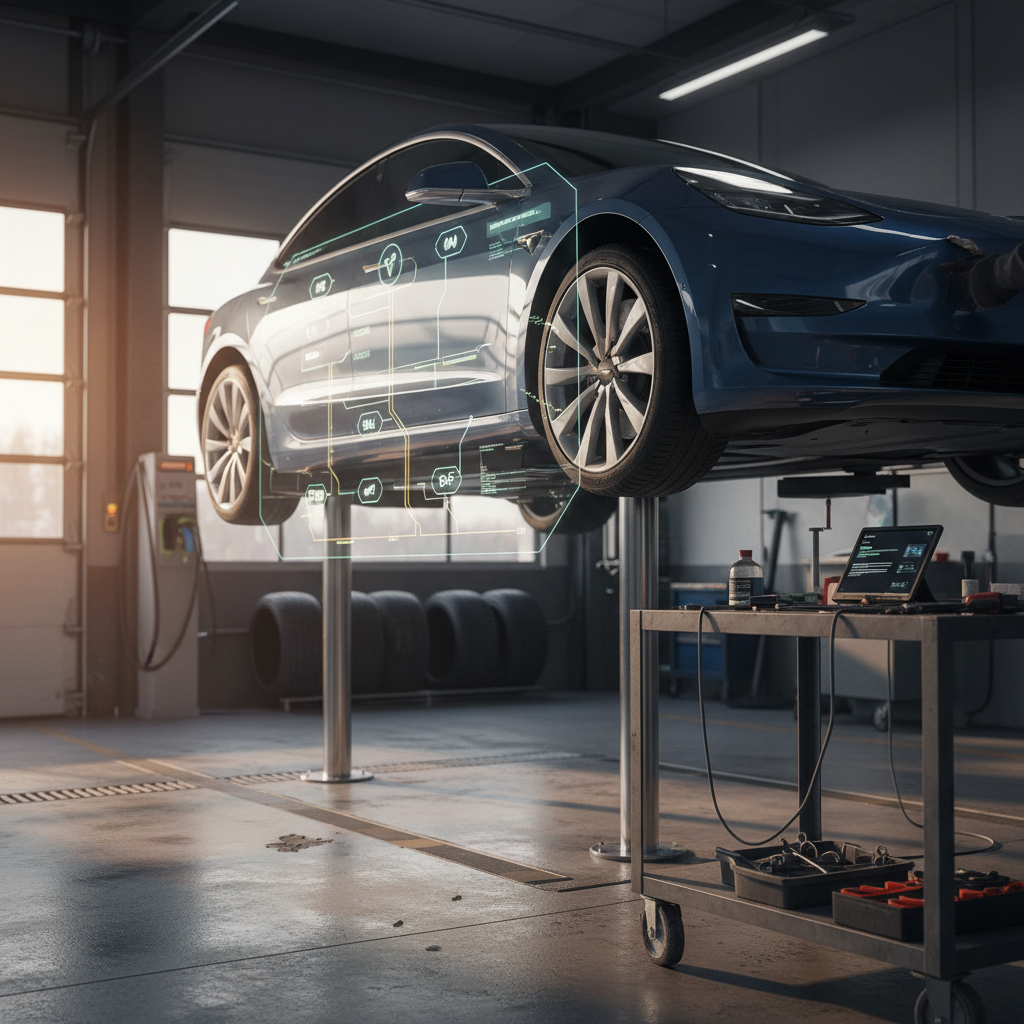
Tesla Mobile Service
Factory‑trained technicians in Tesla‑branded service vans who come to your home or office for many repairs:
- Minor hardware fixes (door handles, window regs, trims)
- Some warranty repairs
- Software/diagnostics that don’t need a lift
They do not typically bring a DC fast charger to refill a dead battery.
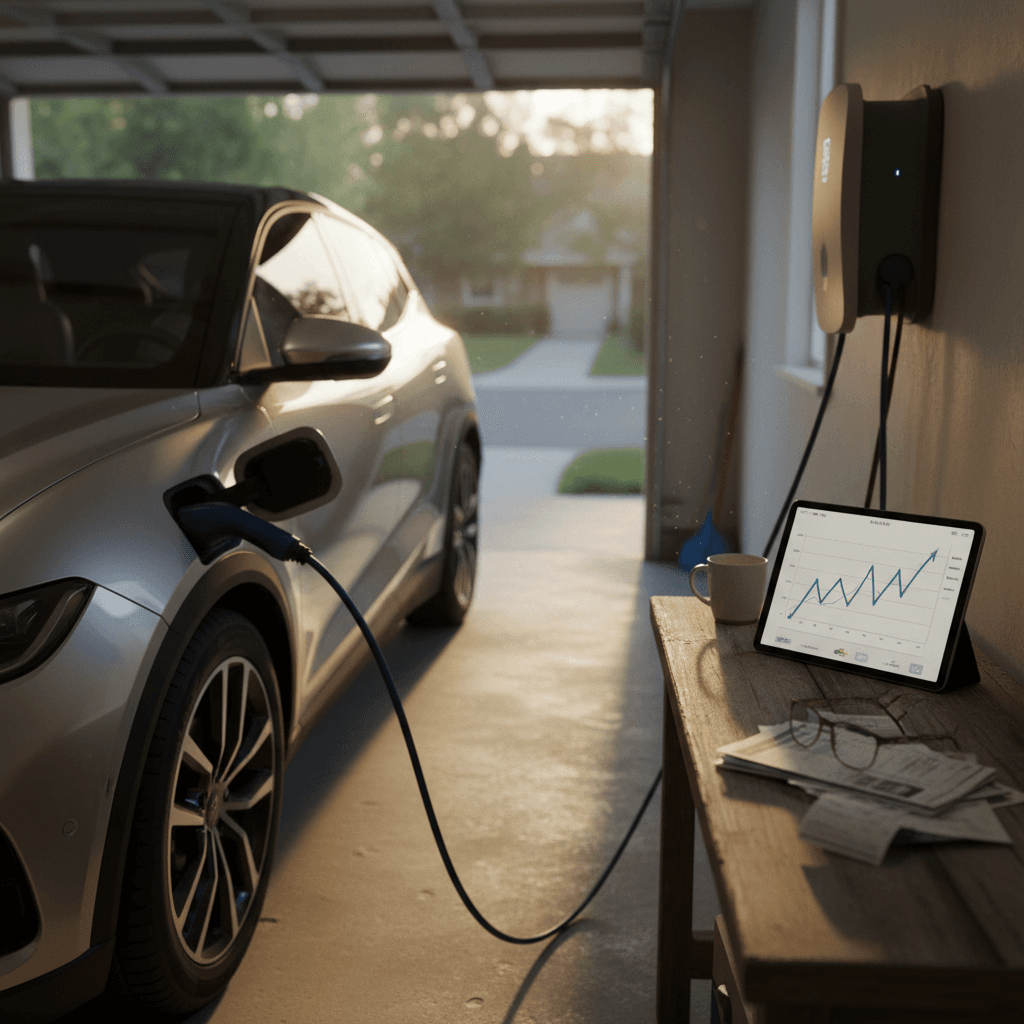
Tesla Mobile Connector & Wall Connector
Charging hardware you keep with the car or install at home:
- Mobile Connector: portable Level 1/2 charger (no longer included with new vehicles by default)
- Wall Connector: hard‑wired Level 2 home station
These are your everyday charging tools, not a roadside service.
No on‑demand fast charging program
How Tesla Handles It If You Run Out of Charge
Running a Tesla down to 0% isn’t just stressful, it’s a test of how support actually works. Here’s what typically happens today in the U.S. when you call Tesla Roadside Assistance because you’re out of range:
Typical Out‑of‑Charge Roadside Flow
1. You contact Tesla Roadside Assistance
You initiate a request via the Tesla app or by phone. The app shares your VIN, location, and battery status, which speeds up diagnosis.
2. Tesla confirms it’s an energy issue
Support will confirm the car is safely parked and that there aren’t any obvious mechanical faults or alerts beyond low state of charge.
3. Tow to the nearest charger or service center
In most U.S. markets, the standard solution is a <strong>flatbed tow</strong> to the nearest practical charging location or Tesla Service Center, not a mobile fast‑charge on the spot.
4. You pay if you’re out of warranty/coverage
Unless it’s covered by a roadside plan through Tesla, your insurer, or a third party, towing fees are typically on you, similar to running out of gas in an ICE car.
5. Optional: local mobile charging vendor
In some dense metro areas, Tesla roadside may suggest local mobile charging vendors as an option, but these are third parties with their own pricing and availability.
Don’t plan to “just call Tesla” for a charge
Third‑Party Mobile EV Charging Services
If you really want someone to come to you with electrons, your realistic option today is a third‑party mobile EV charging service. These companies operate charging trucks or trailers with battery packs or generators that can deliver a DC fast charge or a high‑power Level 2 session wherever you’re parked.
Pros and Cons of Mobile EV Charging Services
Very helpful in a pinch, but not cheap or universal
Why drivers like them
- They come to your vehicle, no tow truck, no ride‑sharing to a charger.
- DC options can add meaningful range in 30–60 minutes.
- Great safety net if you’re stuck in a parking garage or tight urban area.
Key limitations
- Service areas are limited to certain metro regions.
- Pricing is often comparable to (or higher than) a tow.
- Availability can vary by time of day and peak conditions.
- You still need to plan proper charging the rest of the time.
Availability varies widely
Portable Tesla Chargers vs Mobile Services
For most Tesla owners, a portable charger is a smarter first investment than relying on a mobile service you may never be able to reach. Think of it as packing your own jack and spare tire instead of hoping the tire truck happens to be nearby.
Portable Tesla charging options
- Tesla Mobile Connector: Tesla’s own portable unit that can plug into standard 120V outlets and 240V receptacles with the right adapter.
- 3rd‑party portable Level 2 chargers: Brands like Emporia, ChargePoint, Wallbox, and Lectron offer 32–48A units you can mount at home and still move if you change houses.
- Adapters: In 2025 many EVs ship with NACS ports or adapters, but you’ll want to confirm which connectors you have before buying accessories.
These are ideal if you can access a regular parking space with power, at home, at work, or at a trusted destination.
Mobile EV charging services
- Operate trucks or trailers with large batteries or generators.
- Bring DC fast charging or high‑power AC directly to your parked car.
- Typically booked via app or phone, with upfront pricing per kWh, per minute, or per visit.
Think of this as an emergency service or specialty convenience, not your primary charging plan.
Practical strategy
The Best Backup Charging Strategy for Tesla Owners
With public charging reliability still a sore spot for many drivers and Tesla expanding access to its Supercharger network for other brands, a thoughtful backup plan matters more than ever. Here’s a practical, real‑world strategy I recommend to both new and used Tesla buyers.
A Simple, Durable Backup Charging Plan
1. Make home or work charging your baseline
If at all possible, install a Level 2 charger where you park most nights. Even a 240V outlet plus a portable charger can reliably add 20–35 miles of range per hour while you sleep or work.
2. Know your closest fast chargers
Use the in‑car navigation, Tesla app, and third‑party apps to map out your nearest Superchargers and reliable non‑Tesla DC fast chargers. Save a few favorites so you’re never guessing when the battery is low.
3. Carry a portable charging solution
Keep a Mobile Connector or quality third‑party portable charger in the trunk if you often park near outlets. It’s the EV equivalent of a compact spare tire, easy to ignore until you really need it.
4. Add a towing plan, not just for EVs
Whether it’s through Tesla, your insurer, or a motor club, make sure you have roadside assistance that covers towing to a charger. This helps whether you run out of battery or have a flat tire.
5. Pre‑plan mobile charging options
If you live in a metro area where mobile charging services operate, add their apps or numbers to your phone now. When you’re stranded, you don’t want to be searching from scratch.
6. Use trip‑planning tools
For longer drives, use the Tesla trip planner and third‑party tools that factor in weather, speed, and elevation. The best mobile charging strategy is the one you rarely have to use.
How Recharged fits in
Ready to find your next EV?
Browse VehiclesBuying a Used Tesla? What to Check About Charging
Used Tesla shoppers often focus on price, mileage, and Autopilot features. All important, but in daily life, charging is what makes or breaks your ownership experience. Here’s what I’d look at before signing anything.
Used Tesla Charging Checklist
Questions to ask the seller and yourself before you buy
| Item to Check | Why It Matters | What to Look For |
|---|---|---|
| Included charging hardware | Replacing missing chargers adds cost and hassle. | Is there a Mobile Connector? Wall Connector? Any third‑party equipment included? |
| Connector type & adapters | North American Charging Standard (NACS) is becoming the norm. | Confirm which connector your Tesla uses and whether adapters are included for non‑Tesla chargers. |
| Battery health and range | Battery degradation affects how far you can actually drive. | Look for a recent battery‑health report or real‑world range estimate at 80–90% charge. |
| Home charging options | Without a stable home or work charger, you’ll lean heavily on public infrastructure. | Do you have access to a garage or dedicated space where a 240V outlet or Wall Connector can be installed? |
| Local fast‑charging landscape | Not all fast‑charging networks are equally reliable or convenient. | Check coverage for Superchargers and non‑Tesla DC fast chargers near home and common routes. |
| Roadside and towing coverage | This is your real “mobile Tesla charger service” if plans go sideways. | Does your warranty, motor club, or insurer include EV‑specific towing to the nearest charger? |
Bring this matrix to your test drive or keep it open while you review listings online.
Make the seller show you a full charging session
Buying through Recharged gives you a head start here: every car includes a Recharged Score with verified battery health and a transparent view of charging performance, so you know what kind of range to expect before you buy.
FAQ: Mobile Tesla Charger Service
Frequently Asked Questions About Mobile Tesla Charger Service
Bottom Line: How to Think About Mobile Tesla Charger Service
The phrase mobile Tesla charger service sounds like a magic bullet, but in practice it’s a combination of tools: Tesla’s Mobile Service and roadside support, third‑party mobile charging providers in some markets, and your own charging hardware and planning. If you treat mobile services as an emergency parachute, and build your everyday life around solid home or work charging and well‑planned trips, you’ll rarely find yourself stranded.
Whether you’re already in a Tesla or considering a used one, focus on battery health, home charging, and realistic backup plans first. That’s the ownership experience Recharged is built for: clear battery diagnostics, fair pricing, and expert help setting up the charging solution that fits the way you actually drive.