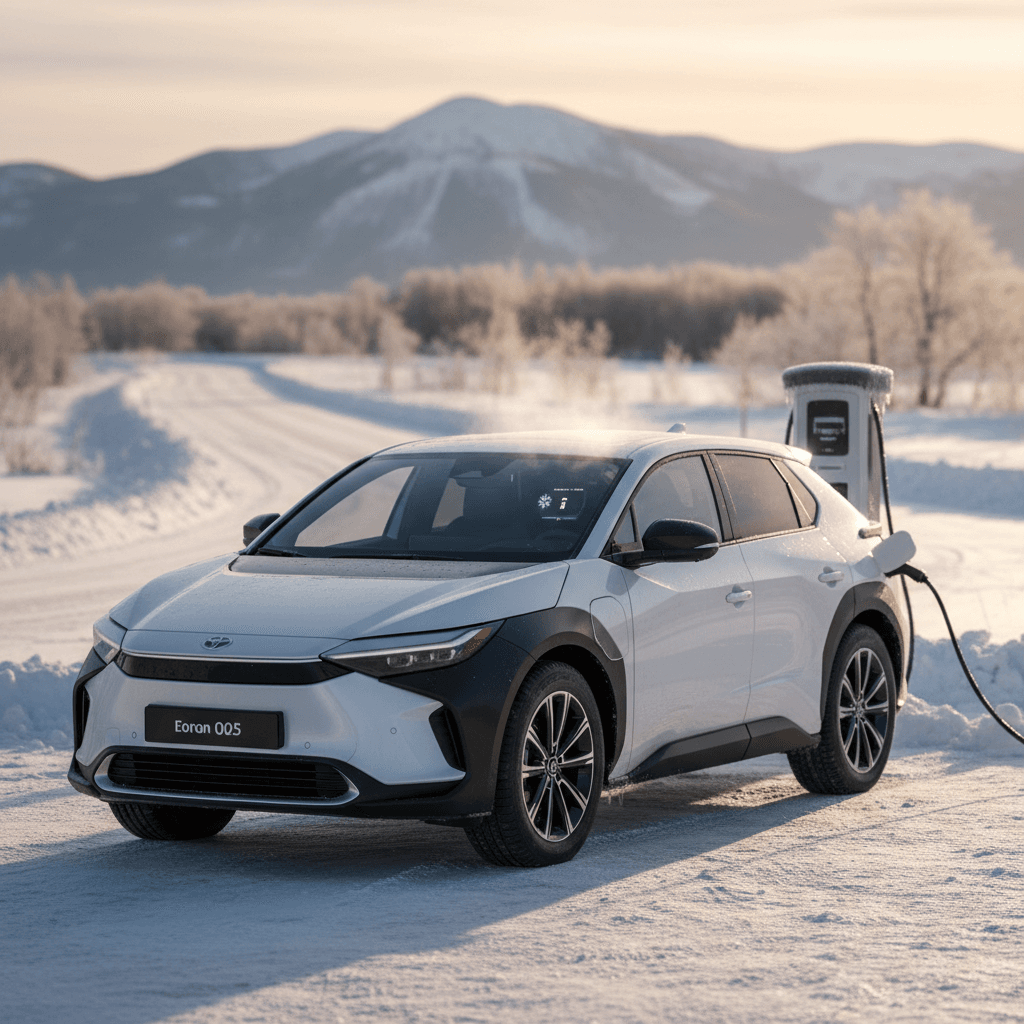
If you drive a Toyota bZ4X in a northern state or Canada, you’ve probably noticed the range estimate fall off a cliff when the temperature drops. The Toyota bZ4X range in cold weather is one of the most talked‑about aspects of this EV, and for good reason: in real‑world winter driving, it can lose around a third of its rated range, sometimes more. The good news is that once you understand what’s happening, you can plan around it and still make the bZ4X work for your daily life.
Key takeaway
Toyota bZ4X cold-weather range at a glance
Toyota bZ4X winter range in one chart
Those figures line up with what owners report: in winter, it’s normal for a bZ4X that claims 220–250 miles on paper to behave more like a 130‑to‑180‑mile EV in everyday use, and sometimes less on long, fast highway runs. That sounds alarming if you’re used to gasoline, but EVs all lose range in the cold. The bZ4X just sits on the higher side of that loss curve, so you need to budget a little more cushion.
EPA vs. real-world bZ4X range in winter
On the window sticker, the 2023–2025 Toyota bZ4X carries EPA range ratings around 222–252 miles, depending on trim, drive layout, and wheel size. In mild temperatures and mostly city driving, many drivers can get surprisingly close to those numbers. But once you add highway speeds and freezing air, the gap opens up quickly.
Toyota bZ4X EPA vs. typical cold-weather range
Approximate real‑world winter range estimates for U.S. bZ4X trims in sub‑freezing conditions, assuming a full charge down to low‑battery warning, driven by a typical owner.
| Trim / Drivetrain | EPA rating (mi) | Mild weather city/highway mixed (mi) | Cold weather city‑heavy (mi) | Cold weather highway‑heavy (mi) |
|---|---|---|---|---|
| XLE FWD (smaller battery) | ~222 | 190–210 | 135–150 | 100–125 |
| XLE FWD Plus / Limited FWD | ~252 | 210–230 | 150–170 | 110–135 |
| XLE AWD | ~228 | 190–210 | 135–155 | 100–125 |
| Limited AWD | ~228 | 185–205 | 130–150 | 95–120 |
Numbers are directional, not guarantees, your route, speed, elevation, and climate settings will move them up or down.
Why the table uses ranges, not single numbers
Why the bZ4X loses so much range in the cold
1. Battery chemistry doesn’t love the cold
Like every modern EV, the bZ4X uses a lithium‑ion battery pack. At low temperatures, the chemical reactions inside each cell slow down, internal resistance goes up, and the pack can’t deliver or accept power as efficiently. You spend more energy just moving electrons around, so the car uses more kWh per mile even before you touch the heater.
2. Cabin heat is a big energy hog
Unlike a gasoline car, an EV doesn’t have waste engine heat to warm the cabin. The bZ4X uses electric heating hardware, and cranking it up in a cold soak can pull several kilowatts. On a relatively small pack, that’s a big percentage of your available energy. Short, stop‑and‑go trips with lots of reheating are especially punishing.
Where the bZ4X stands out is that in North American spec it combines a modest‑sized pack with fairly conservative battery‑temperature management and, on some trims, less aggressive heat‑pump usage than class leaders. That combination means two things in winter: the pack itself isn’t always at its happy temperature window, and the energy overhead of keeping you warm and the battery comfortable takes a bigger bite out of the total than on some rivals.
Heat pump: helpful, but not magic
FWD vs. AWD bZ4X: Which does better in winter?
Front-wheel drive vs. all-wheel drive in the cold
Same body, slightly different range story once the snow flies.
Front‑wheel drive (FWD) bZ4X
- Slightly better efficiency in all conditions because you’re powering one motor instead of two.
- More real‑world winter range mile-for-mile, especially if you have the larger‑capacity FWD Plus/Limited pack.
- With quality winter tires, traction is adequate for many climates, but you won’t have the all‑weather confidence of AWD on steep or icy hills.
All‑wheel drive (AWD) bZ4X
- Better traction for snow starts, unplowed streets, and mountain driving.
- Slightly lower efficiency and shorter winter range versus comparable FWD trims because you’re feeding two motors.
- Owners frequently report that sustained highway driving in freezing temps can push usable winter range close to (or even under) 120 miles on a full charge.
If you live somewhere that sees frequent storms or unplowed side streets, the AWD bZ4X’s sure‑footedness may be worth the range hit. If your winters are cold but mostly dry and you’re trying to maximize miles per charge, a FWD bZ4X on good snow tires is typically the more efficient choice.
City vs. highway: How your winter route changes range
This is one of the most counter‑intuitive parts of EV ownership. In a gasoline SUV, highway driving usually gives you better mileage than stop‑and‑go. In a Toyota bZ4X, and most EVs, it’s often the opposite, especially in winter.
- At steady 70–75 mph, wind resistance ramps up, so you burn more energy per mile. Combine that with dense, cold air and winter tires, and your efficiency can fall off quickly.
- In urban or suburban driving, you benefit from lower speeds, regenerative braking, and more chances for the cabin to stay warm without blasting the heater on max.
- Short hops from a cold start are the worst: you pay the energy penalty to heat the cabin and battery, then shut the car off before you can spread that cost over many miles.
Planning highway legs in winter
How many miles you can realistically expect in cold weather
Let’s translate all of this into something practical. You don’t drive percentages, you drive miles. Here are some realistic, rule‑of‑thumb ranges for a healthy bZ4X battery in typical winter use (let’s say 10–25°F) from 100% charge down to the low‑battery warning:
Realistic winter range bands for Toyota bZ4X
Daily mixed driving (suburbs + some highway)
FWD trims often land around <strong>140–170 miles</strong> of usable range. AWD trims typically sit more in the <strong>130–160‑mile</strong> window, depending on speed, elevation, and how warmly you keep the cabin.
Short‑trip city driving with frequent cold starts
Because you’re constantly reheating the cabin and battery, you may only see <strong>90–140 miles</strong> before the low‑battery warning. This is where owners feel the bZ4X’s winter limitations most sharply.
Long, fast winter highway legs
Sustained 70–75 mph in freezing weather can bring real‑world range down into the <strong>100–140‑mile</strong> band on a full charge, even on a healthy pack. A stiff headwind or heavy snow can push it a bit lower.
Extreme cold snaps (near or below 0°F)
In deep‑freeze conditions, it’s not unusual to see <strong>40% or more</strong> range loss compared with EPA numbers. That’s when planning, preconditioning, and conservative driving matter most.
When low range might signal a problem
Charging your Toyota bZ4X in cold weather
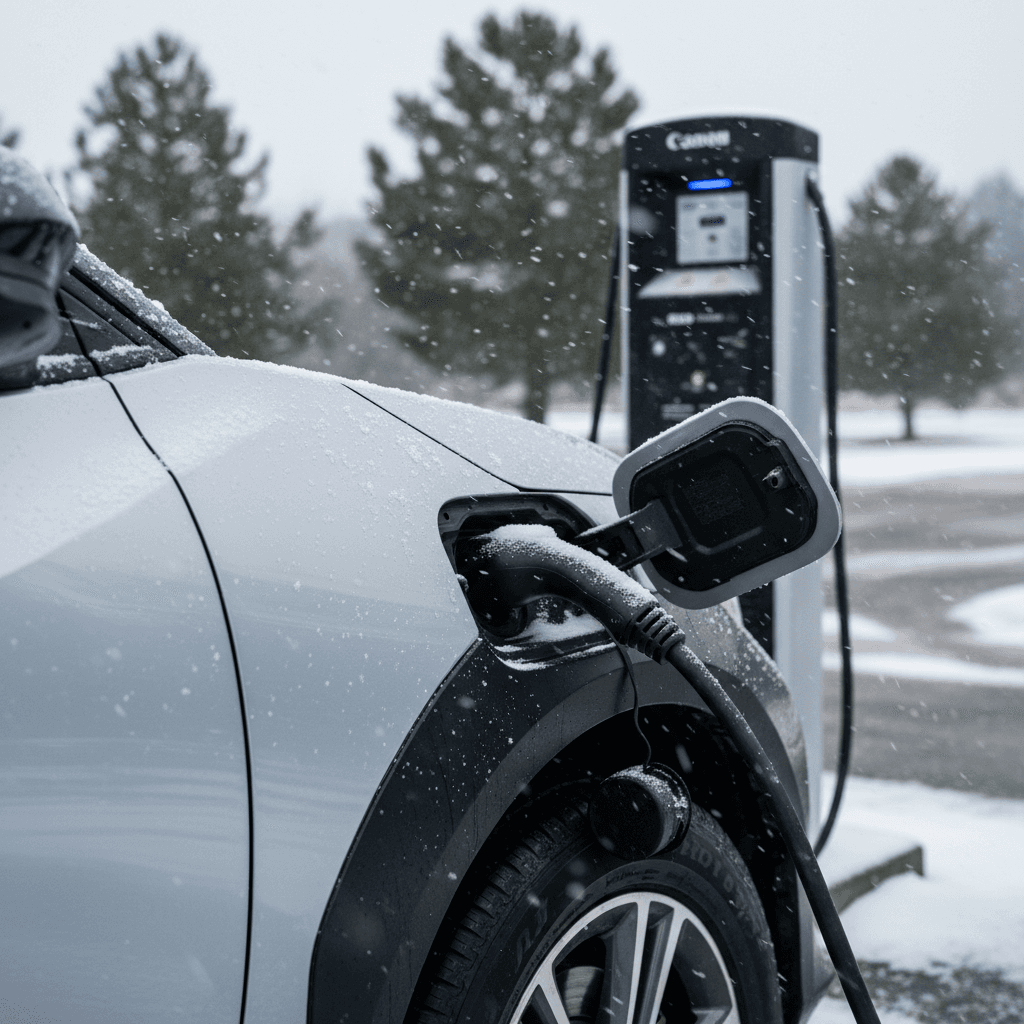
Range is only half the winter story. The other half is how your bZ4X charges when everything is frozen. On Level 2 at home, cold weather mainly shows up as slower charging at the beginning of a session and slightly higher energy use. On DC fast chargers, especially with the AWD model, cold‑soaked packs can see sharply reduced charging power until they warm up.
What to expect when charging a bZ4X in the cold
Home Level 2 vs. public DC fast charging
Home Level 2 (240V) in winter
- Charging may start a bit slower as the car gently warms the pack.
- Once the battery is in its preferred temperature range, charge rate is usually close to normal.
- Preheating the cabin while plugged in lets you "steal" that energy from the grid instead of the battery.
DC fast charging in winter
- With a cold battery, the car may hold power well below its peak rating until it warms up.
- AWD models in particular have been observed slowing sharply below freezing and may struggle to reach high kW in deep cold.
- Arriving with a warm battery (after 20–30 minutes of driving) helps a lot more than relying on the first minutes of a fast‑charge session to do the warming.
Smart preconditioning before fast charging
Practical winter driving tips to protect bZ4X range
You can’t change physics, but you can work with it. A few simple habits make the Toyota bZ4X far more livable in cold climates and can claw back a meaningful chunk of winter range.
Cold-weather best practices for Toyota bZ4X owners
1. Preheat while plugged in
Use the remote climate or scheduled departure feature to warm the cabin and, indirectly, the battery while the car is still on the charger. That way, you’re drawing power from the grid, not your pack, for the initial heat‑up.
2. Rely on seat and wheel heaters
The seat and steering‑wheel heaters use far less energy than blasting hot air. In many bZ4X trims you can stay comfortable at a slightly lower cabin‑temperature setting by leaning on these features, and that translates directly into more miles.
3. Dial back your speed when you can
Aerodynamic drag rises quickly with speed. Dropping from 75 mph to 65 mph can save you <strong>double‑digit percentage points</strong> in energy use, especially in cold air with winter tires.
4. Keep your tires properly inflated
Cold air lowers tire pressure, which increases rolling resistance. Check pressures regularly and keep them at the door‑jamb spec (adjusted for load). Under‑inflated winter tires can easily cost several percentage points of range and hurt safety.
5. Avoid unnecessary rooftop cargo
Ski boxes, roof racks, and big carriers punch a larger hole in the air and can noticeably cut range at highway speeds. If you don’t need the box for a given trip, removing it is free range.
6. Bundle errands into fewer trips
Instead of three separate 5‑mile cold starts, combine your errands into one 15‑mile outing. You’ll pay the "heat‑up tax" once, not three times, and the warmed‑up battery will run more efficiently.
What “good” winter efficiency looks like
Planning trips and ownership in cold climates
If you’re shopping for a Toyota bZ4X, or you already drive one and are wondering whether it’s the right long‑term fit for your climate, cold‑weather range should be on your checklist. But it doesn’t have to be a deal‑breaker, especially if most of your driving is commuting and errands rather than long winter road trips.
When the bZ4X works well in winter
- Your daily round‑trip driving is comfortably under 80–100 miles, even on your busiest days.
- You have reliable Level 2 home charging, ideally in a garage, so you start most mornings with a full and relatively warm battery.
- Your area has a reasonable density of public fast chargers for the occasional longer trip, and you’re okay adding an extra stop compared with a higher‑range EV.
When you might want more winter range
- You routinely drive 150+ miles in a day in sub‑freezing conditions with limited or inconvenient charging options.
- You do frequent winter highway trips through rural areas where charge stations are sparse or unreliable.
- You simply prefer a larger margin for error and don’t want to think about preconditioning, speed, or heater usage.
How Recharged can help if you’re shopping used
The bottom line on Toyota bZ4X range in cold weather is that the car doesn’t break the laws of physics, but it also doesn’t hide from them. Expect a meaningful winter hit, often around a third of the rated range, and plan your driving and charging with that in mind. If you can live comfortably within its real‑world winter envelope and adopt a few smart habits, the bZ4X can still be a capable, quiet, and efficient winter companion. If you can’t, that’s useful knowledge too, and a signal to look for an EV whose cold‑weather range profile better matches your life, whether you find it through your local dealer or a transparent used‑EV marketplace like Recharged.