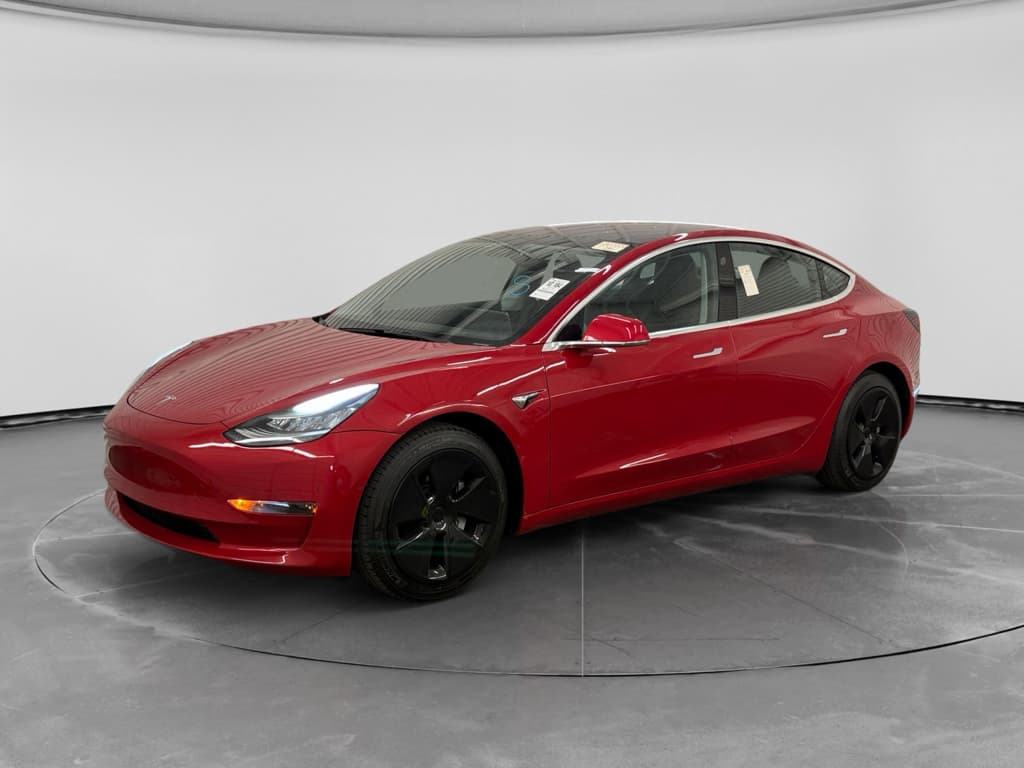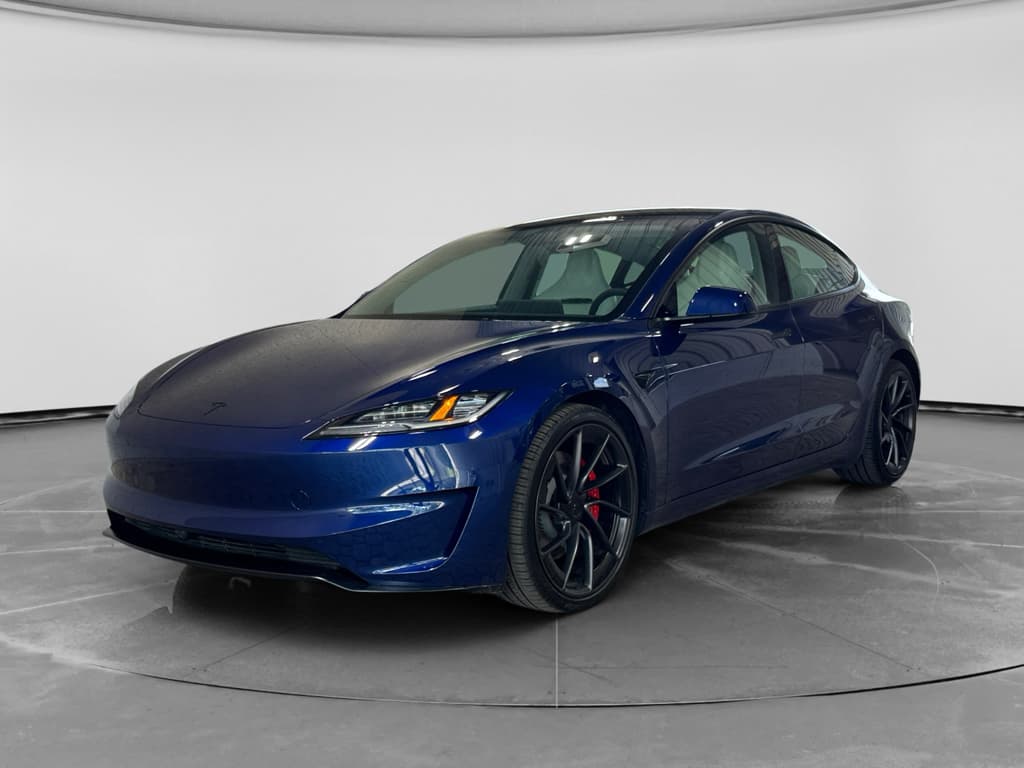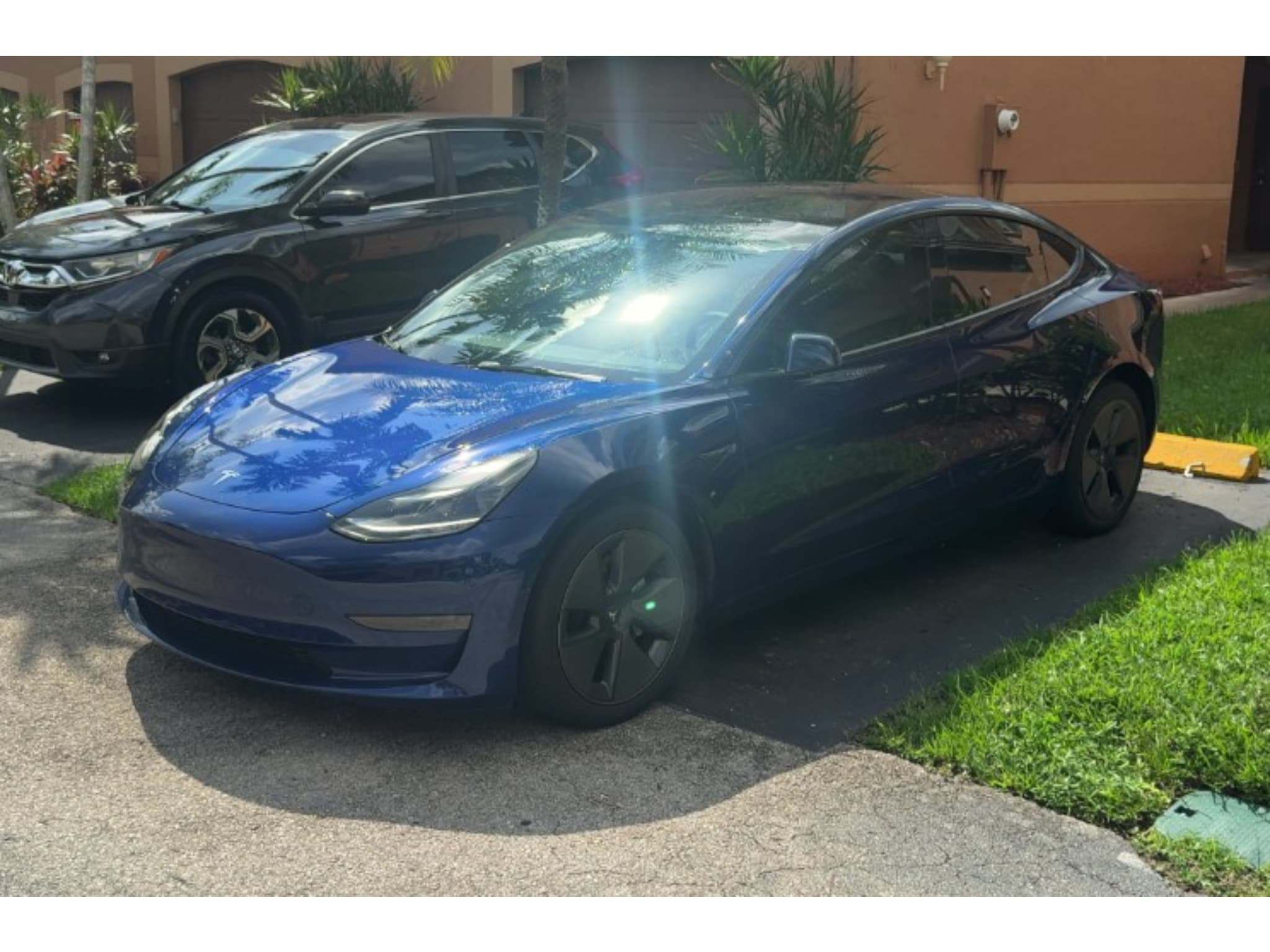
The advertised price is only the starting point when you shop for a used Model 3. Two cars with similar photos can have different mileage, battery condition, equipment, cosmetic quality, and histories, all of which affect value. Recharged combines retail market evidence with battery diagnostics so you can evaluate the vehicle rather than relying on an asking price alone. For a broader inspection overview, start with the used Tesla Model 3 buying guide.
What Recharged’s Model 3 data says
Recharged’s data shows a broad used Model 3 market, with a $24,998 median retail sold price across 222 vehicles sold during the trailing 12 months. Buyers paid an average of $28,144, while individual retail transactions ranged from $14,998 to $49,998. These are final prices buyers paid at Recharged, not advertised discounts or estimates of what every Model 3 should cost.
The current selection is similarly broad: 26 Model 3s listed at Recharged range from $20,000 to $51,597. Recorded monthly median retail prices also ranged from $21,437 in February to $33,998 in September. Because different vehicles sold each month, those figures provide market context rather than proof that every Model 3 gained or lost the same amount of value.
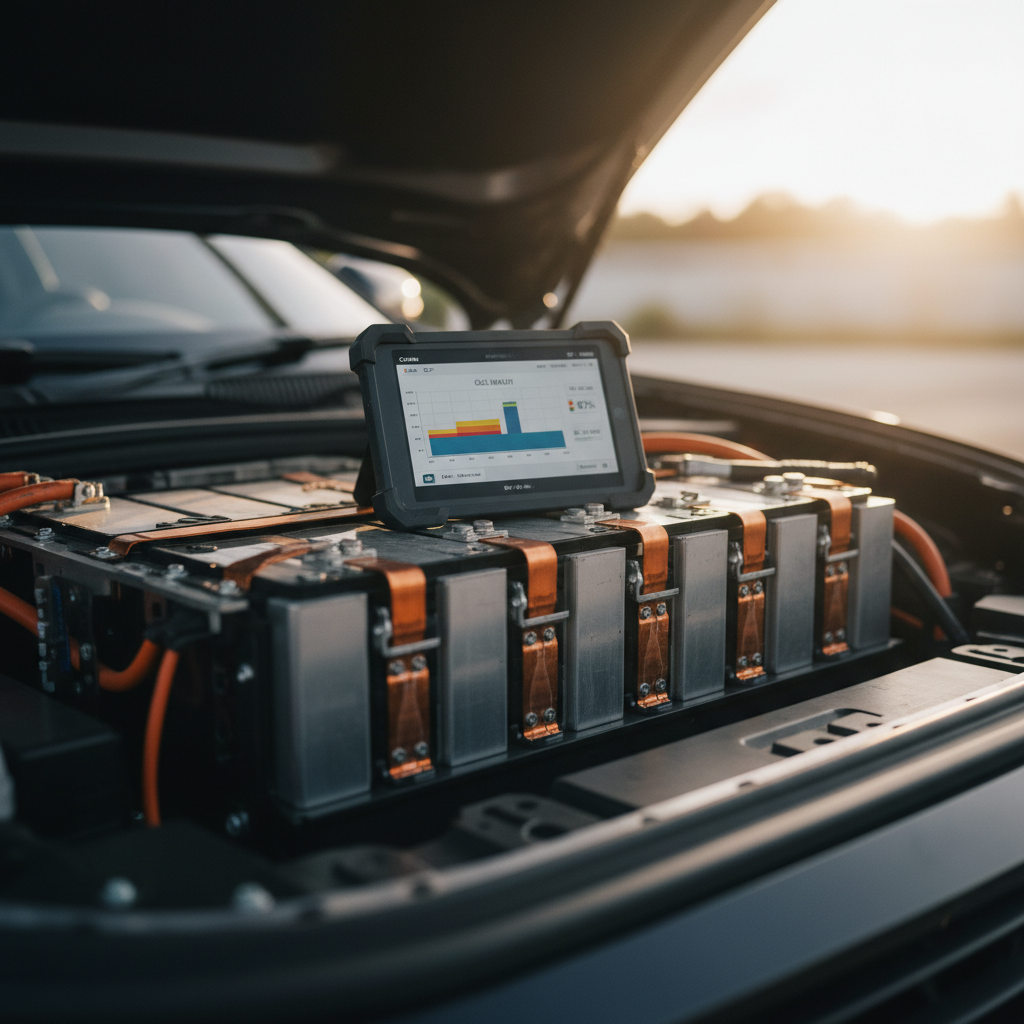
Battery diagnostics add another important layer to the price comparison. Across 303 Model 3 Recharged Score inspections, tested remaining battery capacity averaged 87.8% of original capacity and the median was 87.5%; tested real-world range averaged 280 miles, with a 279-mile median. Results varied by vehicle, which is why a model-wide average can’t replace an inspection of the car you’re considering. Learn what those measurements mean in the guide to used-EV battery health.

Start with what comparable cars actually sold for, then look at the individual car’s battery results and condition. A low price without that context may not be the better value.
Recharged data
Used Tesla Model 3 battery health
88%
avg remaining capacity
From Recharged battery inspections, not manufacturer estimates.
- Lowest
- 73%
- Median
- 88%
- Highest
- 100%
- Est. range
- 280 mi avg
- Cell balance pass
- 100%
- Quick charges
- 23 avg
- Slow charges
- 75 avg
Average cell imbalance: 5.5 mV
Based on vehicles Recharged tested
Recharged data
Recent Tesla Model 3 sold prices
$24,998
median sold price
What buyers actually paid through Recharged, not list price.
- Lowest
- $14,998
- Average
- $28,144
- Highest
- $49,998
Monthly median sold price
Based on Recharged sales in the last 12 months
Every EV is battery-tested with a Recharged Score. Nationwide delivery.
Why Model 3 prices vary so much
A used Model 3’s price moves with its age, mileage, battery evidence, condition, equipment, and relationship to comparable retail sales. The lowest-priced car isn’t automatically the best deal, just as the most expensive example isn’t necessarily overpriced. Focus on evidence you can verify instead of assuming that one feature or cosmetic modification determines the car’s value.
The evidence that moves value
Use these signals to understand why two used Model 3s may carry different prices.
| Factor | Supports a higher price | Reason to negotiate |
|---|---|---|
| Age and mileage | Newer, lower-mileage | Older, higher-mileage |
| Battery evidence | Strong verified capacity | No diagnostic proof |
| Vehicle condition | Clean, consistent finish | Damage or poor wrap |
| Equipment | Documented included features | Unverified add-ons |
| Market evidence | Comparable sold prices | Asking price alone |
Price direction depends on the complete vehicle, not one factor in isolation.
Cosmetic changes deserve especially close inspection. A wrap may conceal the factory paint, and poor installation can leave the original color visible around door seams, mirrors, handles, or damaged edges. If you don’t like the work, include possible removal or correction in your price decision rather than treating the wrap as an automatic upgrade.
Don’t assume a wrap adds value. Check the seams, handles, mirrors, edges, and underlying factory color, then decide whether you can live with it or would want it removed.
How to judge the asking price
Judge the asking price by comparing the exact vehicle with real retail sales and then verifying its condition. The $24,998 Recharged median is a useful reference point, but it isn’t a universal target for every Model 3. A fair decision accounts for the entire vehicle and the total amount you’ll finance or pay, not just whether the sticker sits above or below the median.
Check these items before you commit
Compare similar vehicles
Match age, mileage, configuration, condition, and documented equipment as closely as possible.
Review battery diagnostics
Look for tested remaining capacity and real-world range for the specific car, not only a dashboard estimate.
Inspect the exterior closely
Check panels, paint, wheels, glass, and any wrap or cosmetic modification. Use a complete used-EV inspection checklist.
Confirm included equipment
Make sure any feature used to justify the price is documented and included with the vehicle.
Calculate the complete purchase
Include processing charges, delivery, registration, and borrowing costs. Review used-EV financing options before comparing monthly payments.
Compare total cost, not monthly payment alone
Don’t count on a federal EV tax credit
The federal new- and used-EV tax credits ended for vehicles acquired after September 30, 2025. That means a Model 3 purchased now should make financial sense based on its actual price, financing, condition, and battery health, not an assumed federal credit. Older advertisements or discussions mentioning a federal used-EV credit no longer describe the current purchase environment.
Instant offer, trade-in, or consignment. Pickup available.
Used Model 3 price FAQ
The right price is a verified price
The right used Model 3 price is one supported by both market evidence and the condition of the car in front of you. Recharged’s $24,998 median retail sold price gives you a useful benchmark, while the wide sold-price and current-listing ranges show why one number can’t value every vehicle. Compare like-for-like cars, review the Recharged Score battery report, inspect modifications carefully, and calculate the complete purchase cost before you commit.