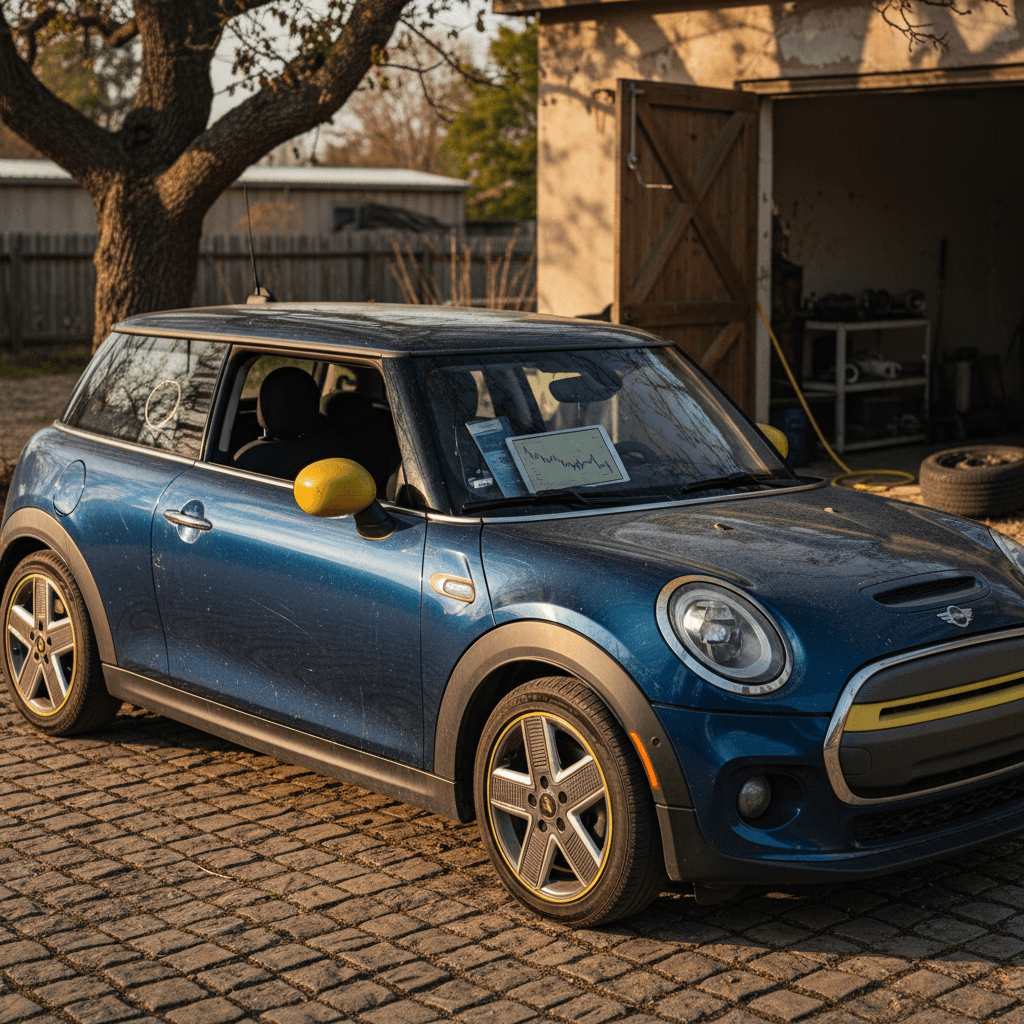
If you’re eyeing a used Mini Cooper SE or wondering what your own electric Mini will be worth down the road, the big question is simple: how does the Mini Cooper SE hold its value after 5 years? In a world where some EVs seem to fall off a financial cliff, the Mini’s story is a little more nuanced, and, for the right driver, surprisingly favorable.
Quick take
Mini Cooper SE 5‑Year Value in a Nutshell
Mini Cooper SE Value Snapshot (Approximate)
To put real numbers behind that: an early Mini Cooper SE that stickered at around $30,000–$31,000 when new is often trading in the $15,000–$19,000 range after five years, assuming average miles and clean history. If you’re the first owner, you’ve eaten a big chunk of depreciation. If you’re buying used, you’re stepping in after someone else took that hit.
Rule of thumb
How Much Does a Mini Cooper SE Depreciate in 5 Years?
First, a quick definition. Depreciation is just the difference between what the car cost new and what it’s worth when you go to sell it. For EVs, that loss is often steeper than for gas cars, especially in the first wave of models with shorter range and rapidly improving competition.
Mini Cooper SE: Indicative 5‑Year Depreciation
Approximate U.S. retail asking prices and depreciation for first‑generation Mini Cooper SE models, as of early 2026. Numbers are rounded to keep things simple and assume average mileage and condition.
| Model year (SE) | Approx. original MSRP | Typical asking price at ~5 yrs | Rough depreciation from MSRP |
|---|---|---|---|
| 2020 | $30,000–$31,000 | $15,000–$19,000 | ≈35–50% drop |
| 2021 | ~$30,750 | $16,000–$20,500 | ≈33–48% drop |
| 2022 | ~$30,750 | $17,000–$22,000 | ≈28–45% drop |
These are ballpark retail prices, not trade‑in offers. Your local market, mileage, and options will move the needle up or down.
These ranges line up with independent market analysis and what dealers and used EV marketplaces are actually asking for clean Minis today. On paper, that puts the Mini Cooper SE in roughly the mid‑40s to low‑50s percentage loss after 5 years, which is a bit better than the worst‑case headlines about EV depreciation, but still noticeably steeper than traditional high‑resale gas Minis used to achieve.
Don’t confuse “asking” with “getting”
Real Used Prices: What 5‑Year‑Old Minis Actually Sell For
Strip away the theory and look at the classifieds, and a pattern emerges. Five‑year‑old Mini Cooper SEs mostly live in a fairly tight band once you normalize for options and miles. A low‑mile 2020 SE in a desirable color with the right wheels and a clean service history will sit at the top of that range; a higher‑mile car or one with accident history will slip toward the bottom.
- Clean 2020–2021 SE, 30–45k miles, good colors/options: often advertised around the $17,000–$20,000 mark.
- Higher‑mile 2020–2021 SE, 60k+ miles or less popular spec: more likely in the $14,000–$17,000 neighborhood.
- Late first‑gen cars (2022–2023) at 3–4 years old: can still run well into the low‑20s, especially with low miles.
Retail vs. trade‑in
Why the Mini Cooper SE Holds (or Loses) Value
What Helps Mini Cooper SE Resale
- Brand and design appeal: Mini has a loyal fan base, and the SE looks like a classic 2‑door Hardtop, not a science project. That helps demand in the used market.
- Fun‑to‑drive personality: The SE borrows its motor from the BMW i3s, so it feels quick and playful around town, exactly what many urban used‑EV shoppers want.
- Simple packaging: Fewer trims and a clear options ladder make used pricing easier to understand, which helps shoppers and sellers meet in the middle.
- Reasonable repairability: Unlike some exotic EVs, the Mini’s conventional steel body and shared BMW/Mini hardware make collision and mechanical repairs more approachable.
What Hurts Mini Cooper SE Resale
- Short range vs. newer EVs: Early SEs with around 110 miles of EPA range look modest next to 250‑mile hatchbacks and crossovers now on sale.
- Two‑door practicality: The 2‑door body style limits appeal for families and those wanting easier rear‑seat access.
- EV price reset in 2023–2025: Broad price drops and incentives across the EV market dragged used values down, including the Mini.
- Lease residuals set expectations: Conservative factory residual values signal to the market that depreciation will be steeper than on Mini’s best gas models.
Match the car to the buyer
Battery Health and Warranty: How They Shape 5‑Year Value
At five years old, the Mini’s high‑voltage battery warranty is usually still in force. Most Mini Electric and Cooper SE models include 8‑year/100,000‑mile coverage on the traction battery against excessive capacity loss and defects. That’s a huge psychological comfort for buyers staring down early‑EV horror stories.
- EV‑specific warranty: The battery is typically covered longer than the basic bumper‑to‑bumper warranty, so a 5‑year‑old SE often has 3 years of battery coverage remaining.
- Battery degradation so far: Many owners report modest real‑world range loss over the first 5 years when the car is charged and stored sensibly, but abuse (constant DC fast charging, extreme heat, high mileage) can change that picture.
- Range expectations: Even with some degradation, a first‑gen SE used primarily for a 20–40‑mile daily commute can still fit easily into many lifestyles. That usability supports resale value.
Battery uncertainty is where buyers walk
This is exactly why Recharged includes a Recharged Score Report on every car, Mini Cooper SE included. That report uses verified battery diagnostics, not just odometer guesswork, so both buyer and seller know whether the pack is behaving like a typical five‑year‑old battery or showing unusual wear.
Mini Cooper SE vs. Other EVs After 5 Years
Zoom out to the wider EV market and the Mini Cooper SE lands firmly in the middle of the depreciation pack. Recent industry data shows many battery‑electric vehicles losing around 55–60% of their value over five years, with some high‑priced or low‑demand models doing even worse. Against that backdrop, the Mini’s roughly mid‑40s to low‑50s percent loss looks almost sensible.
How the Mini Cooper SE Stacks Up at 5 Years (Big Picture)
Ranges are approximate and assume typical use and mileage.
Mini Cooper SE (1st Gen)
5‑year depreciation: ~45–55% from MSRP.
Pros: Strong brand image, fun drive, urban‑friendly size.
Cons: Modest range and 2‑door practicality cap broader demand.
Mainstream Compact EVs
Examples: Chevy Bolt EV, Nissan Leaf, early Hyundai/Kia EVs.
5‑year depreciation: often 55–65% or more.
Story: Big supply, deep discounts new, and range competition pushed used prices down hard.
Premium & Long‑Range EVs
Examples: Early luxury sedans and crossovers.
5‑year depreciation: wide spread; some near 50%, some at 65–70%.
Story: High MSRPs mean big dollar losses even when percentage looks similar.
“Slow, steady descent” beats a cliff
Best Strategies If You Own a Mini Cooper SE Today
If there’s a Mini SE in your driveway right now, your 5‑year value story isn’t written in stone. How you treat and present the car over its first few years can add, or wipe out, thousands of dollars of resale value.
Steps to Protect Your Mini SE’s 5‑Year Value
Charge kindly, avoid abuse
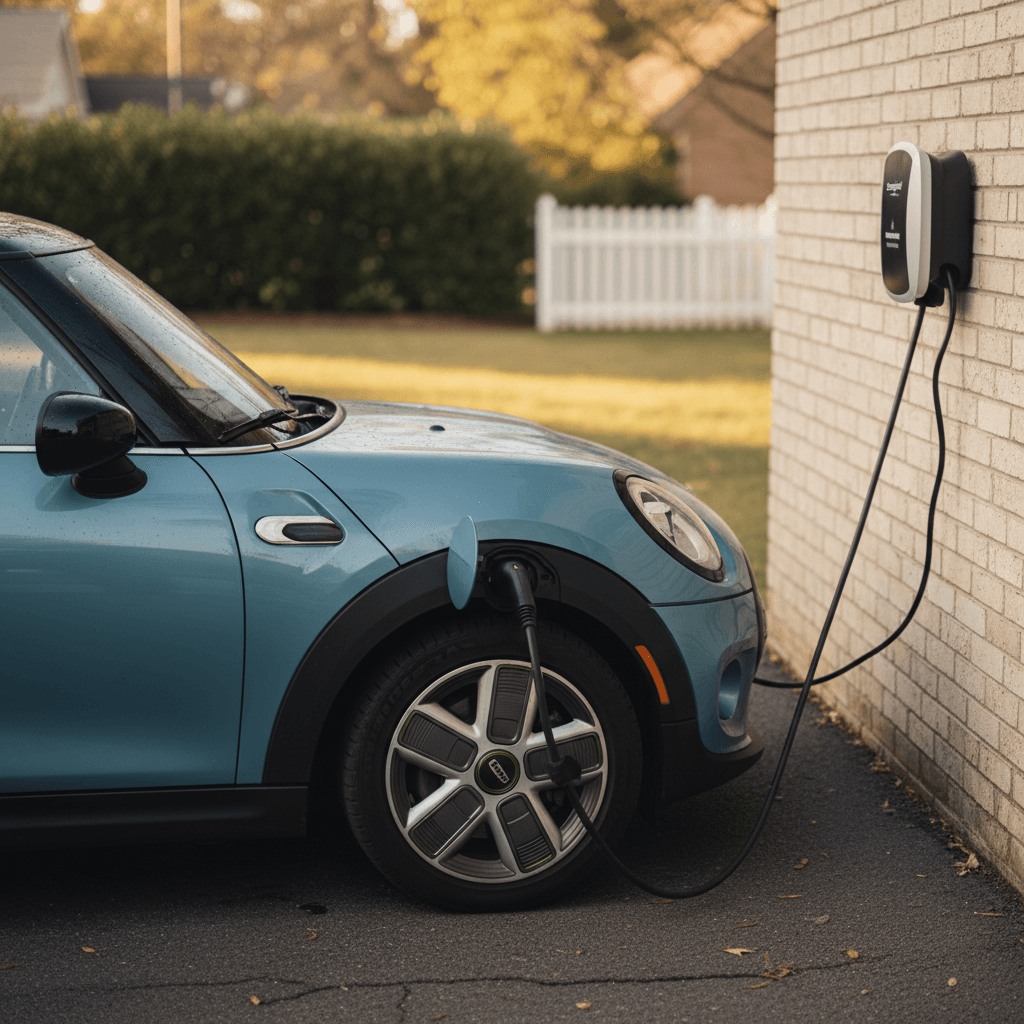
Rely on <strong>Level 2 home or workplace charging</strong> most of the time, avoid frequent DC fast‑charging unless you genuinely need it, and don’t leave the car parked at 0% or 100% for long stretches. Kinder habits mean a healthier battery report at resale time.
Document everything
Keep a clean folder, or digital file, of <strong>service invoices, recall work, and tire/ brake replacements</strong>. A complete paper trail reassures the next owner that your Mini was loved, not neglected.
Stay ahead on cosmetics
Fix curb‑rashed wheels, cracked windshields, and minor dings as you go. A five‑year‑old Mini that looks sharp from 10 feet away can be worth significantly more than one that shows every parking‑lot scar.
Know your remaining warranty
Understand exactly when your <strong>bumper‑to‑bumper and battery warranties</strong> expire. A buyer who can see they’re still covered for a year or two after purchase is more likely to pay top of market.
Consider timing around 5–6 years
If you plan to sell rather than drive it into the ground, <strong>years 5–6</strong> are often the sweet spot, while there’s still some battery warranty left and before the car feels truly dated by newer tech.
Get a pre‑sale health report
Before you list or trade, have an <strong>independent EV health check</strong> done. Recharged bakes this into our Recharged Score so buyers can see battery and high‑voltage system status at a glance.
How to Shop Smart for a 5‑Year‑Old Mini Cooper SE
From the buyer’s seat, a five‑year‑old Mini Cooper SE can be an excellent way to get into an EV without over‑spending. The trick is separating the genuinely good cars from the ones that are cheap for a reason.
Used Mini Cooper SE Buying Checklist
Focus on these areas when evaluating a 4–6‑year‑old SE.
1. Battery & Charging Health
- Ask for battery diagnostics or a health report, not just “it charges fine.”
- Confirm DC fast‑charge history if available, heavy fast‑charging can age a pack faster.
- Test Level 2 charging yourself if possible to ensure the car charges normally.
2. Usage Pattern & Mileage
- Typical five‑year mileage of 40–60k is reasonable for a commuter car.
- Very low miles aren’t always better if the car sat unused for long stretches; look for consistent use and maintenance.
- City curbs are tough on wheels, check for damage that could hint at harder use.
3. Warranty & Recall History
- Verify remaining battery and emissions warranties.
- Ask for a recall completion printout from a Mini dealer or service portal.
- On a Recharged car, this info is summarized in your Recharged Score Report.
4. Accident & Cosmetic Condition
- Pull a vehicle history report to check for accidents, flooding, or title issues.
- Look closely at panel gaps and paint to spot sub‑par bodywork.
- Factor needed cosmetic work into your budget; it adds up quickly if you pay a body shop later.
Know your own use case
When Is the Right Time to Sell or Trade Your Mini EV?
Timing the market perfectly is a fantasy, even for car dealers. But there are logical inflection points in a Mini Cooper SE’s life where the balance of remaining value, warranty, and tech relevance shifts.
Common Exit Points for Mini Cooper SE Owners
Short‑Term Drivers (Lease Mindset)
Aim to exit around <strong>year 3–4</strong>, before bumper‑to‑bumper coverage expires and while mileage is still low.
You’ll avoid the steepest age‑related perception hit, but you’ll pay more in upfront depreciation per year.
This strategy works best if you prioritize the newest tech and don’t mind higher yearly cost.
Balanced Value Owners
Consider holding until <strong>year 5–6</strong>, then selling while the battery warranty still has a few years left.
Your annual depreciation cost typically smooths out here, lower than the first few years, but before the car feels thoroughly dated.
This is often the sweet spot for listing on a used EV marketplace like Recharged, where buyers are specifically shopping for value and battery health.
Drive‑It‑Forever Crowd
If you love the car and its range still fits your life, <strong>drive it well past 8–10 years</strong> and don’t obsess over residuals.
You’ll maximize the value you extract from each dollar you’ve already spent, accepting that resale later will be modest.
This path favors owners with predictable, short commutes and access to cheap home charging.
What Recharged can do at each stage
FAQ: Mini Cooper SE Value After 5 Years
Frequently Asked Questions
Bottom Line: Is the Mini Cooper SE a Good 5‑Year Bet?
If you bought a Mini Cooper SE new, the five‑year check‑in can sting a bit. Like most EVs, it sheds a hefty chunk of value in those early years. But if you’re coming to the car used, that same curve can be your friend: someone else did the expensive part, and you step into a stylish, fun‑to‑drive city EV for the price of a modest economy car.
The key is to treat the Mini Cooper SE for what it is: a purpose‑built urban electric hatch, not a cross‑country road warrior. If the range suits your life, you have consistent access to charging, and you choose a car with verified battery health and clear history, a five‑year‑old Mini Cooper SE can deliver a lot of personality per dollar.
And when you’re ready to buy or sell, doing it through an EV‑specialist platform like Recharged, with battery diagnostics, transparent pricing, financing, and nationwide delivery, can turn what used to be a guessing game into a clear, data‑backed decision.